
Why Speed Perception Breaks Down at Junctions
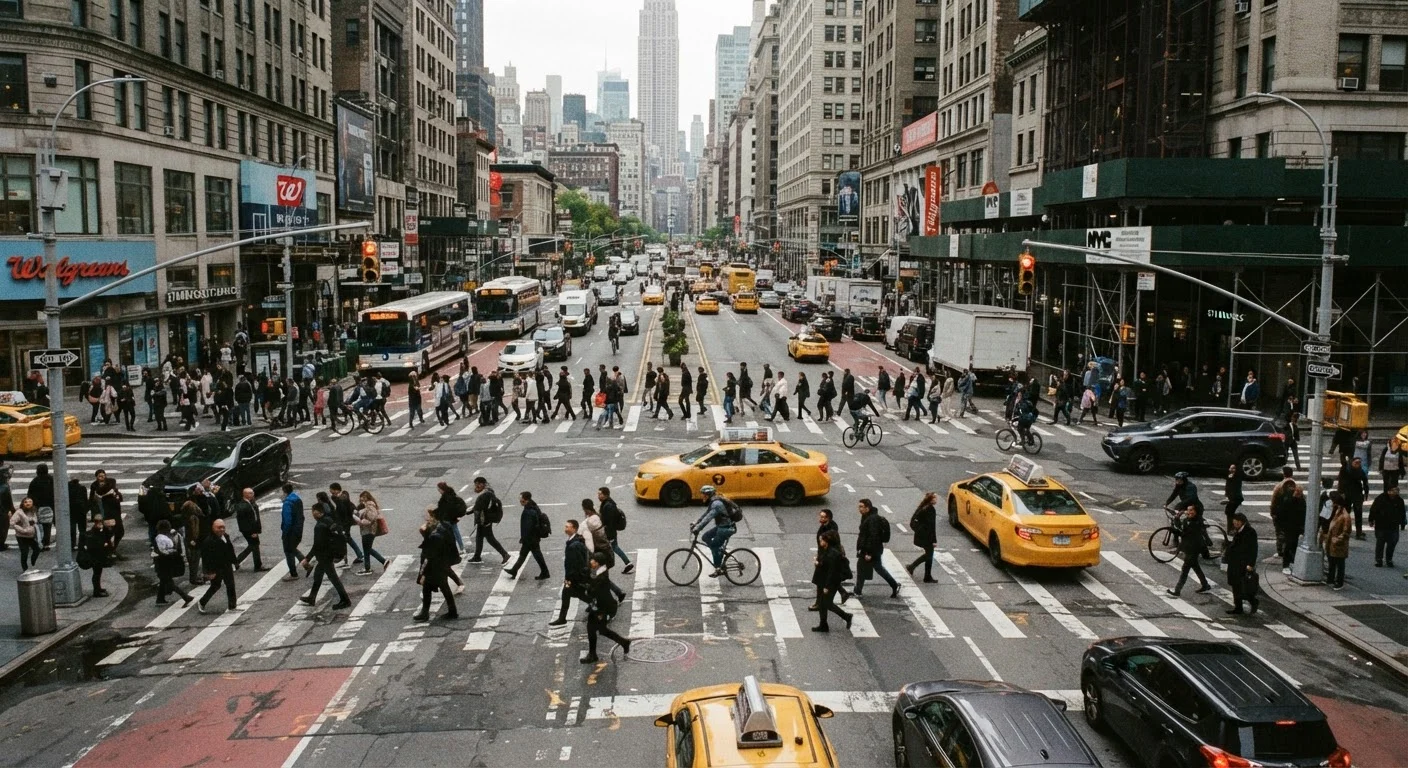
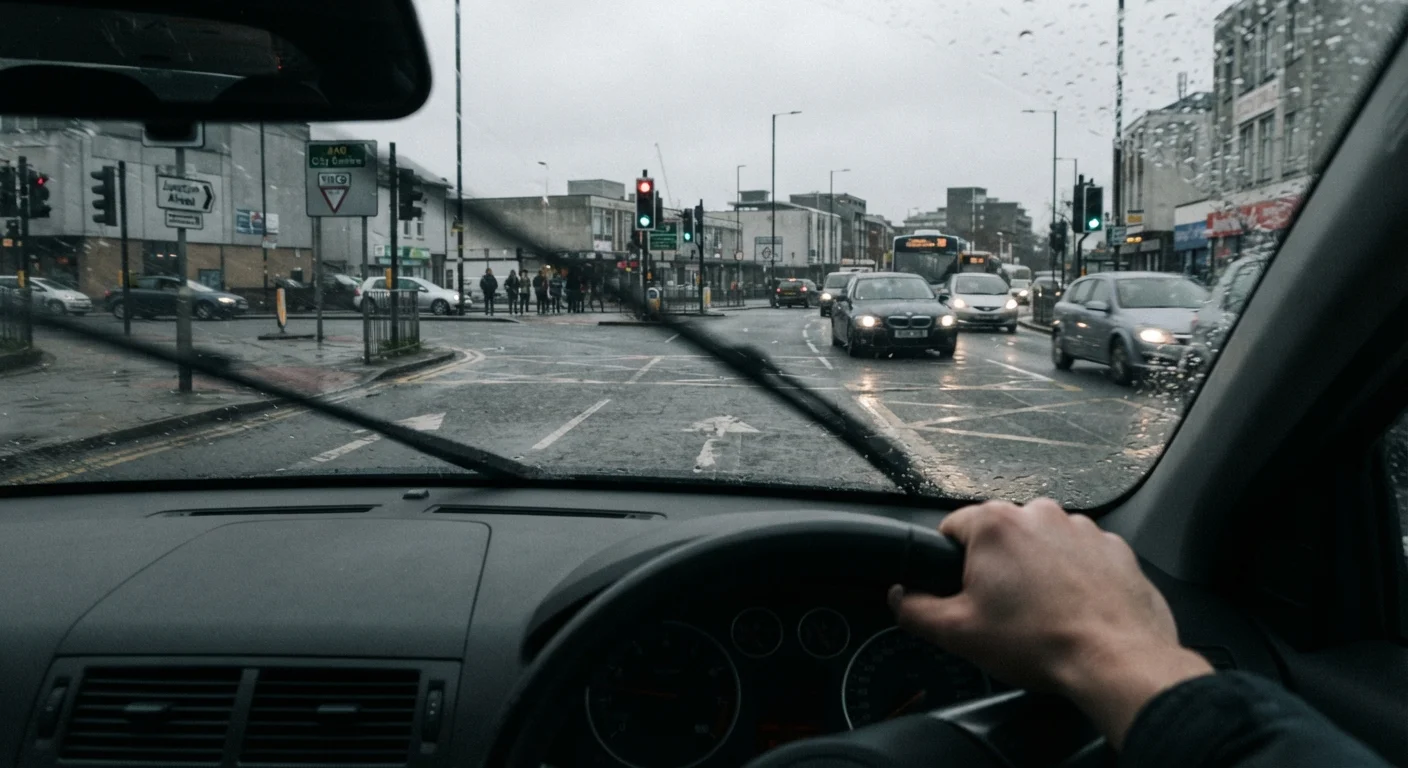
Junctions are where two streams of traffic - and two sets of intentions - meet under time pressure. The human visual system is well adapted to detecting movement but genuinely poor at estimating the speed of objects moving toward or across us, particularly at angles. That gap between what we perceive and what is actually happening is where many collisions begin.
The core problem is that speed judgement depends heavily on how quickly an object grows in your visual field. A vehicle approaching nearly head-on grows slowly until it is very close, so the brain reads it as distant and slow. A vehicle crossing your path at 90 degrees shows obvious lateral movement, making its speed easier to gauge. Most junction scenarios fall somewhere in between - which is precisely where perception fails most often.
~40%
Of serious crashes occurring at junctions
UK Department for Transport data consistently attributes roughly four in ten reported injury collisions to junction-related manoeuvres.
60 ft/sec
Distance covered at 40 mph
At 40 mph, a vehicle travels approximately 60 feet every second - highlighting how quickly a perceived gap can close after a single glance.
2-3×
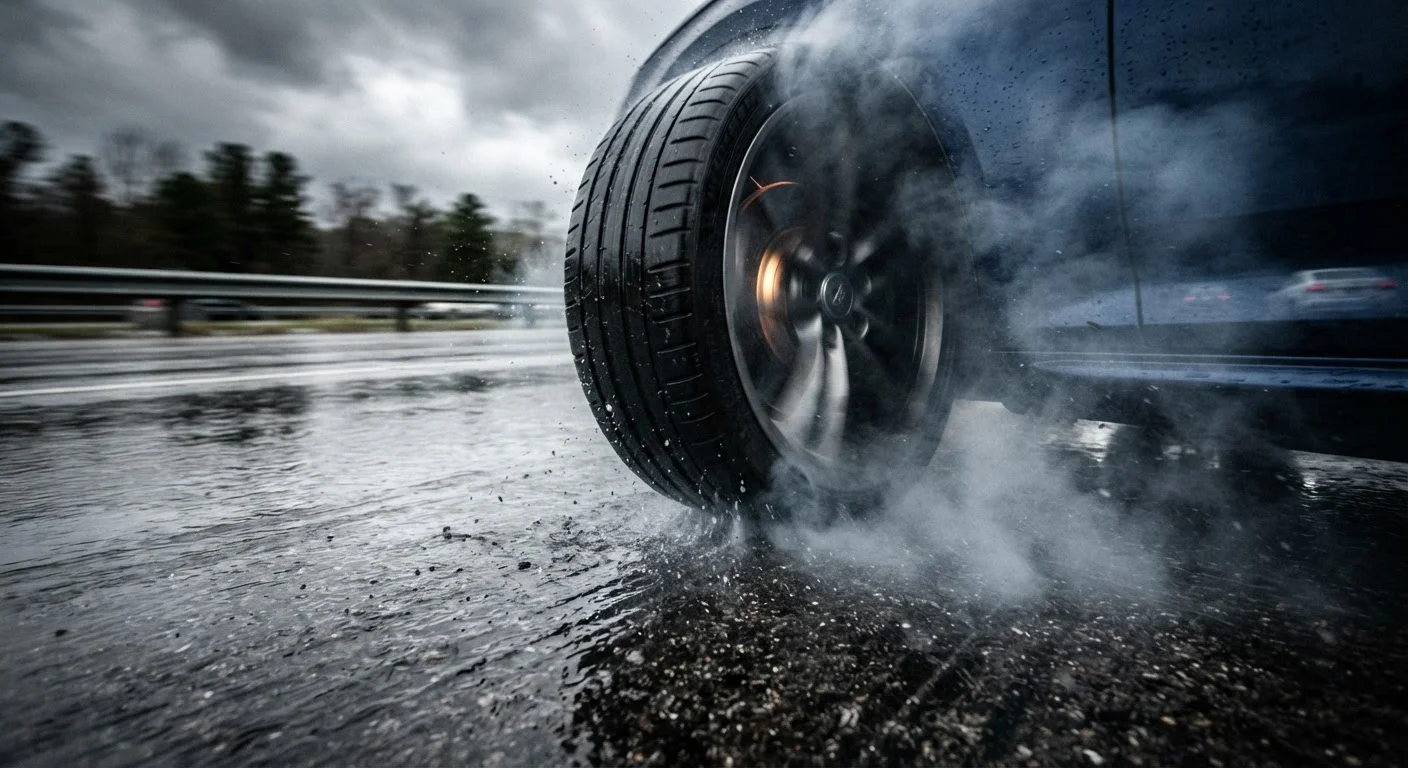
Increased stopping distance in wet conditions
Wet road surfaces can more than double stopping distances compared to dry tarmac, according to general road safety guidance.
This isn't about inattention alone. Even alert, experienced drivers make these perceptual errors. Understanding the mechanism is the first step toward countering it. For a broader view of the hazards concentrated in urban environments, see urban driving hazards that statistics consistently highlight.
The Mistakes Drivers Make - and How to Correct Them
Most junction misjudgements are not random. They follow recognisable patterns rooted in how the brain shortcuts visual information under time pressure. Identifying these patterns makes them easier to interrupt.
Relying on peripheral vision to judge the speed of an approaching vehicle.
Why it happens: When scanning at a junction, drivers often catch movement at the edge of their field of view and make a quick speed estimate without shifting their gaze directly toward the vehicle.
Underestimating the speed of vehicles approaching from a narrow angle.
Why it happens: A vehicle coming toward you nearly head-on appears to grow in size slowly, making it seem farther away and slower than it actually is. This is a well-documented optical effect sometimes called the 'looming' bias.
Pulling out based on a single scan rather than checking twice.
Why it happens: Drivers under time pressure - or simply through habit - look once in each direction and commit to the manoeuvre, not accounting for vehicles that may have appeared since their first check.
Factoring in your acceleration incorrectly when judging the gap needed.
Why it happens: Drivers instinctively model the gap required based on how quickly their car accelerates on familiar roads, but fail to account for load, gradient, or a vehicle that is moving faster than estimated.
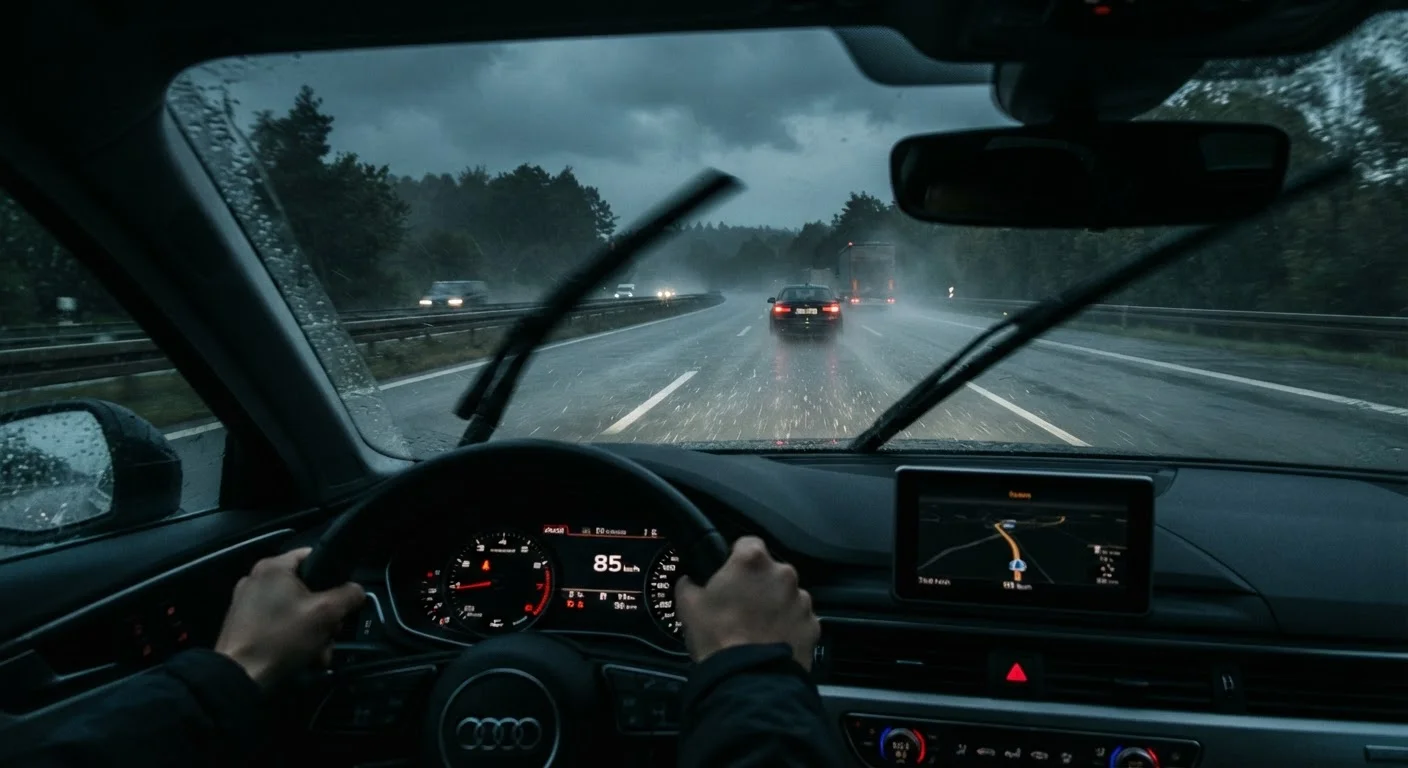
Failing to adjust speed assessment in poor visibility or wet conditions.
Why it happens: Rain, fog, and low light all reduce contrast and visual clarity, making it harder to read an approaching vehicle's speed and distance accurately. Drivers often apply the same mental model regardless of conditions.
Junctions Are the Highest-Risk Moment
A significant proportion of serious road collisions occur at or near junctions, according to national road safety data. The combination of crossing paths, limited sightlines, and split-second timing makes speed misjudgement here far more consequential than on an open road. Never assume you have correctly read an approaching vehicle's speed - verify it.
Speed misjudgement doesn't happen in isolation. It compounds with other factors - your stopping distance, for instance, is affected by much more than speed alone. The factors that determine stopping distance are worth understanding alongside junction habits. Similarly, the principles of defensive driving provide a systematic framework for reading traffic before a gap decision becomes necessary.
Building Better Junction Habits
Correcting speed misjudgement is less about memorising rules and more about installing consistent habits that run even when attention is divided. A few practices make a meaningful difference.
- Approach at a speed that allows you to stop: If you arrive at a junction too fast, every subsequent decision is compressed. Slow down early enough that you have time to assess properly.
- Use the 'look twice' discipline: Right, left, right before any move. The second rightward check catches vehicles that have entered your sightline since the first.
- Default to waiting when in doubt: The phrase 'if in doubt, don't' is a genuine safety principle, not just a platitude. A missed gap costs seconds; a misjudged one can cost far more.
- Adjust expectations for road type: A 60 mph rural main road looks similar to a 40 mph urban one, but the physics are entirely different. Know the posted limit and assume drivers are near it.
Familiar Routes Invite Dangerous Assumptions
Research into driver behaviour consistently shows that collisions frequently happen on roads drivers know well. Familiarity reduces the sense of threat, which causes drivers to scan less carefully and move into junctions more quickly. Treat every approach as if it is new to you.
Roundabouts present a specific variation of junction speed misjudgement - vehicles arriving from the right at varying speeds within the circulatory lane. If that's a challenge, roundabout rules that catch even experienced drivers covers the priority and perception issues in detail.
Finally, remember that the speed limit is not always the safe speed. Speed limits and safe speeds are not the same thing - and approaching a junction is one of those situations where below-limit driving is frequently the right call.