Why Fluid Checks Matter More Than Most Drivers Realize
Your vehicle depends on a network of fluids to lubricate moving parts, regulate temperature, transmit force, and keep your view clear. When any one of them drops below the safe level - or degrades in quality - the consequences range from reduced performance to expensive component failure. The good news is that checking these fluids is genuinely simple. You don't need mechanical experience, and in most cases you won't need any tools at all.
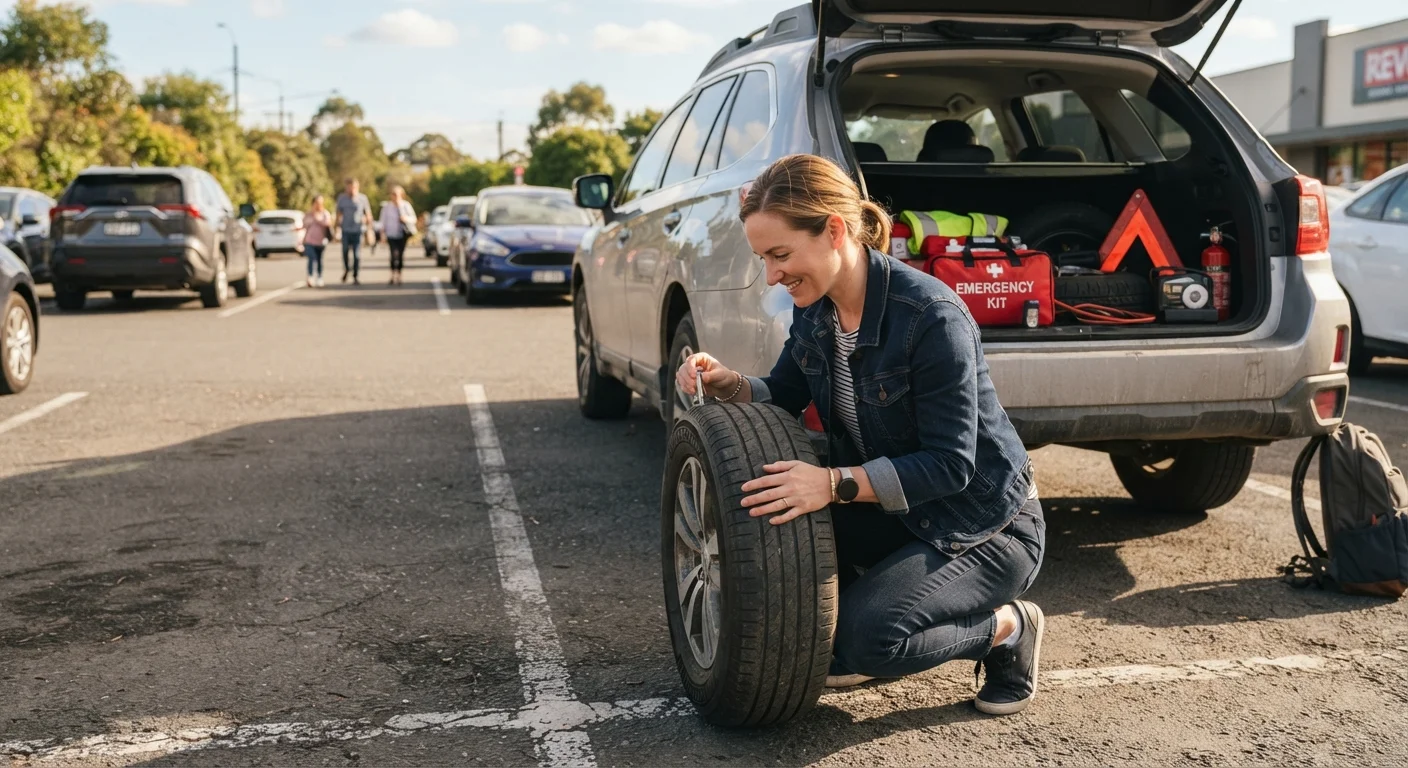
These checks are especially valuable as part of a broader maintenance habit. See our guide to maintenance across a vehicle's lifetime for context on how upkeep needs shift as your car ages. And before any significant trip, fluid levels should be part of your pre-drive routine - the pre-long-journey vehicle check covers this alongside tyres, lights, and emergency kit essentials.
Consistently Low Fluid Is a Warning Sign
Most vehicles don't consume large amounts of fluid under normal operation. If you find yourself repeatedly topping up the same fluid, that's a signal of a potential leak or internal issue - not just routine top-up maintenance. Have the vehicle inspected by a qualified mechanic rather than continuing to add fluid without understanding the cause.
What You'll Need Before You Start
No special equipment is required for a basic fluid check, but a few items make the job easier and more accurate.
What you will need
Owner's Manual
Identifies the correct fluid types and dipstick/reservoir locations specific to your vehicle.
Lint-free rags or paper towels
Used to wipe the oil dipstick clean before taking an accurate reading.
Flashlight
Helps you see reservoir markings and fluid color clearly in a dim engine bay.
Funnel
Prevents spills when topping up fluids through narrow reservoir openings.
Always make sure the engine is cold and the vehicle is on level ground before you begin. An unlevel surface can give false dipstick readings, and a warm engine creates both safety risks and inaccurate results.
Step-by-Step: Checking Each Fluid
Work through each fluid systematically. This keeps the process organized and ensures nothing gets skipped. Follow each step in order for the most accurate and safe results.
Park safely and let the engine cool
Pull onto flat, level ground and turn off the engine. Wait at least 10 minutes before opening the hood - longer if you've been driving on the highway. A hot engine can cause coolant to spray under pressure, and a hot oil reading will be inaccurate. Engage the parking brake before you start.
Check engine oil with the dipstick
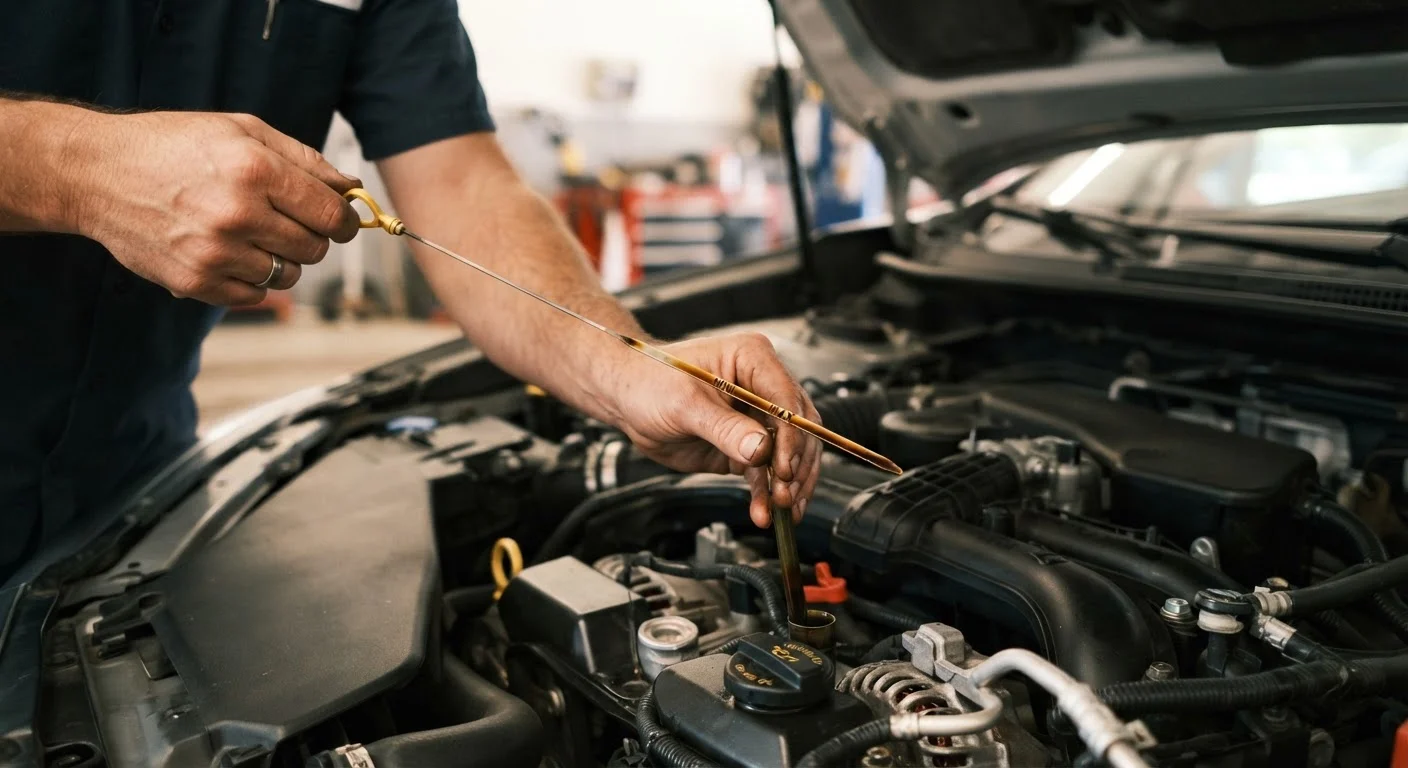
Locate the oil dipstick - it typically has a brightly colored ring handle labeled with an oil can icon. Pull it out, wipe it clean with a rag, reinsert it fully, then pull it out again. The oil should sit between the two marks (MIN and MAX, or similar). Also note the color: healthy oil is amber to light brown. Black, gritty oil or a milky appearance can indicate it's overdue for a change or that coolant has mixed in.
Inspect the coolant (antifreeze) level
The coolant reservoir is a translucent plastic tank, usually near the radiator, with MIN and MAX lines on the outside. You can read the level without opening it. The coolant should be between those lines and should appear green, orange, or pink depending on the type - never brown or rust-colored. If it consistently drops, have the cooling system inspected for leaks.
Check brake fluid
The brake fluid reservoir is a small, translucent container on top of the brake master cylinder, usually located at the back of the engine bay on the driver's side. Check the level against the MIN/MAX markings on the outside. Brake fluid should be light yellow and clear. A very dark color signals it has absorbed moisture and may need to be flushed. A low level can indicate worn brake pads or a leak - both worth investigating promptly.
Check power steering fluid (if applicable)
Many newer vehicles use electric power steering and have no fluid to check. If your car has hydraulic power steering, the reservoir - often labeled with a steering wheel icon - will have a dipstick attached to the cap or MIN/MAX markings on the side. The fluid should be between those marks and should appear clear to slightly amber. If it's low or you notice whining when turning the wheel, have the system checked.
Top up windshield washer fluid
The washer fluid reservoir is the easiest to find - it's typically a blue-capped tank. This is the one fluid where exact specification matters less: use a premixed washer fluid rated for your climate (freeze-resistant in winter). Do not substitute water alone, as it can freeze in cold temperatures and doesn't clean as effectively. Fill to the top.
Always Use the Correct Fluid Specification
Using the wrong oil viscosity, coolant type, or brake fluid grade can cause serious mechanical damage that voids warranties and leads to costly repairs. Your owner's manual is the definitive source - it lists the exact specifications for every fluid in your vehicle. Don't rely solely on labels at the store; cross-reference with the manual first.
Keeping Fluid Checks Part of Your Routine
Checking fluids once is useful. Checking them consistently is what actually protects your vehicle. Most problems - a slow coolant leak, oil gradually burning off, brake fluid darkening over time - reveal themselves through pattern changes rather than single events.
Build Fluid Checks Into a Routine
Tying fluid checks to a regular event - like a monthly calendar reminder or each time you get fuel - makes it far easier to catch problems early. Consistent monitoring means you'll notice gradual drops in level that might otherwise go undetected until a warning light appears. A seasonal maintenance schedule is a practical way to organize these checks year-round.
One fluid that often escapes attention is brake fluid, which silently absorbs moisture and loses effectiveness over time. Our article on why brake fluid is the most overlooked fluid in your car explains what that moisture buildup means for your stopping power and when to act on it. For general pre-drive confidence, the pre-journey vehicle check pulls together fluids, tyres, lights, and mirrors into one structured walkthrough.