Why a Pre-Journey Check Is Worth the Habit
Most vehicle problems that strand drivers on the side of the road don't appear without warning - they develop quietly and get noticed too late. A brief check before you set off is one of the lowest-effort, highest-payoff habits you can build as a driver.
This checklist covers the fundamentals: tyres, lights, fluid levels, visibility, and a few easily forgotten items that matter more than their size suggests. It's designed for everyday use - before a commute, a school run, or a weekend drive. If you're planning something longer, the pre-long-journey vehicle check goes deeper into items like emergency kit contents and trailer readiness.
None of the checks below require mechanical expertise. What they do require is a few minutes and a methodical approach.
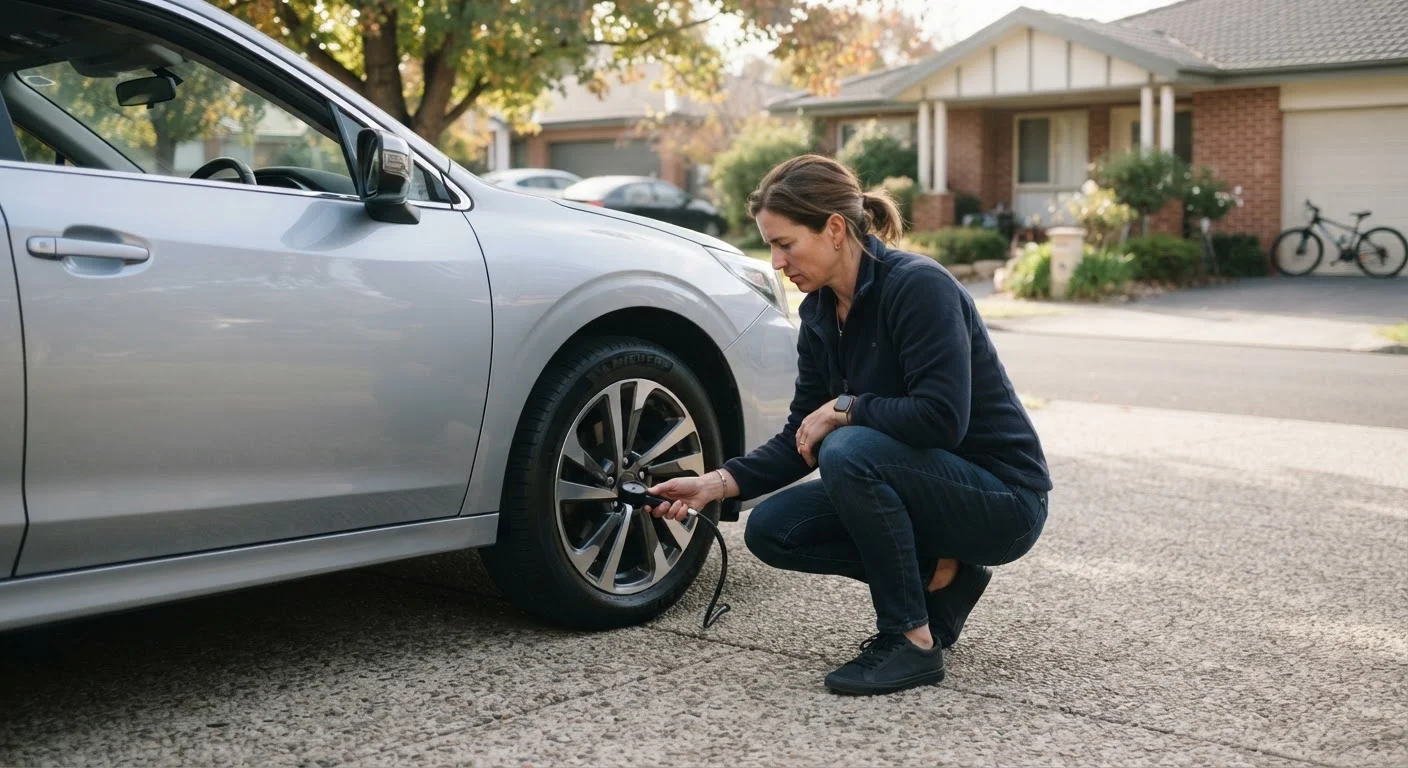
Tyre pressure gauge
Accurately measures tyre inflation to verify it matches the manufacturer's recommended PSI.
Vehicle owner's manual
Provides correct fluid specifications, reservoir locations, and tyre pressure ratings specific to your vehicle.
Torch or phone flashlight
Useful for inspecting under the vehicle or checking tyres in low-light conditions.
Microfibre cloth
Clears windows and mirrors quickly for full visibility before departure.
How to Use This Checklist
Work through the groups in order - exterior first, then interior, then under the hood. The exterior walk-around naturally primes your eye for what needs attention elsewhere. Flag anything that looks off rather than assuming it will resolve on its own.
For fluid levels, consult your vehicle's owner's manual if you're unsure where reservoirs are located or what the acceptable range looks like. A good companion resource is our guide to checking essential fluid levels, which walks through each reservoir in plain terms.
Exterior Walk-Around
Fluid Levels
Visibility and Controls
Interior and Cargo Checks
Don't Drive on a Suspected Brake Issue
If your brake fluid is significantly low, the brake pedal feels soft or spongy, or you hear grinding when braking, do not drive the vehicle until it has been inspected by a qualified mechanic. Brake problems are not a 'monitor and see' situation - they require immediate professional attention.
Building the Habit Over Time
The goal isn't perfection on day one - it's consistency over time. Drivers who run a quick walk-around before every trip tend to catch developing issues (a slow tyre leak, a dim headlight) at the inconvenient-but-manageable stage rather than the stranded-on-the-highway stage.
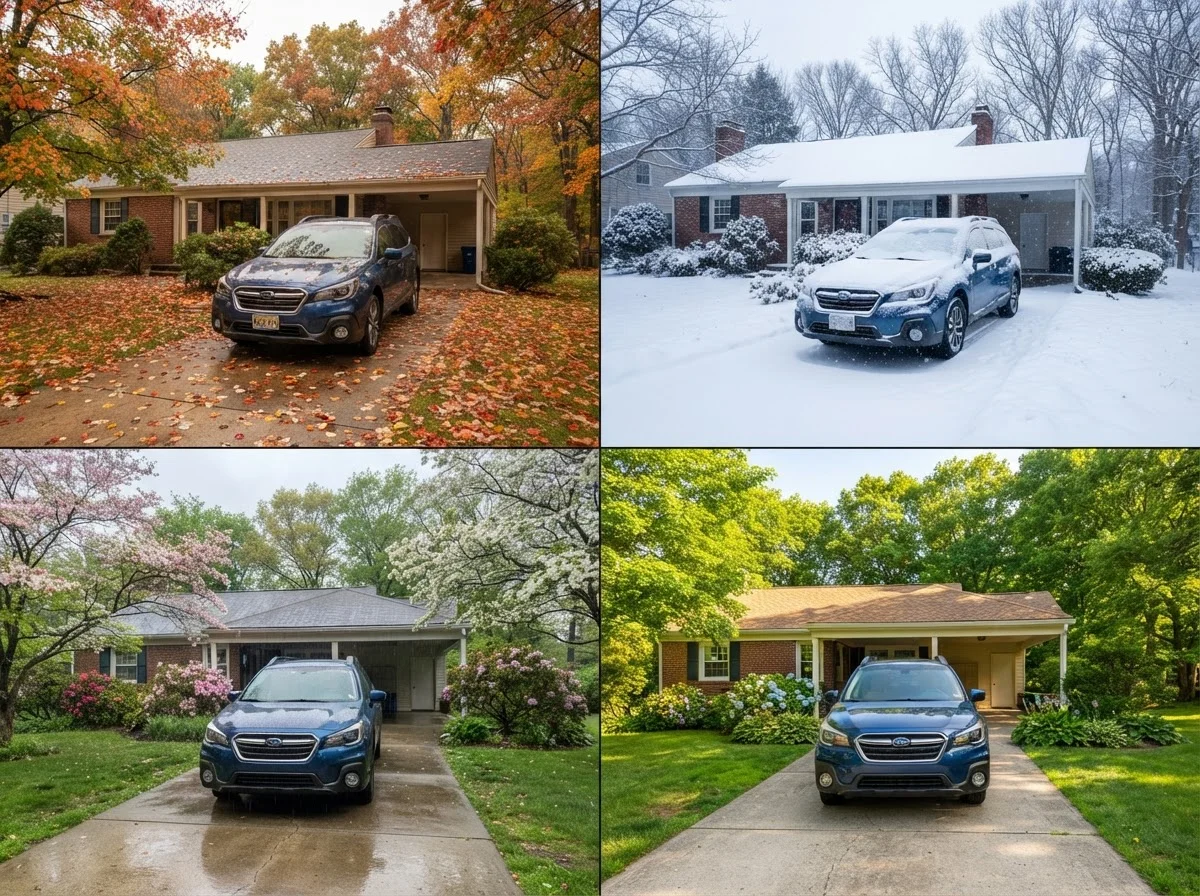
Pair this check with seasonal maintenance habits and you cover both the day-to-day and the longer-term upkeep that keeps a vehicle reliable year-round. Also worth considering: fatigue is a vehicle-readiness issue too. If you're heading out tired, read up on recognising fatigue warning signs before they matter before you turn the key.
Dashboard Warning Lights Are Not Optional
A warning light that remains on after startup is the vehicle's way of flagging a system fault. Some lights - particularly those related to brakes, oil pressure, or engine temperature - indicate conditions that can cause serious damage or become a safety hazard if ignored. If a light you don't recognise comes on, consult your owner's manual before driving and seek a mechanic's assessment if the manual recommends it.