
Why a Seasonal Approach Makes Sense
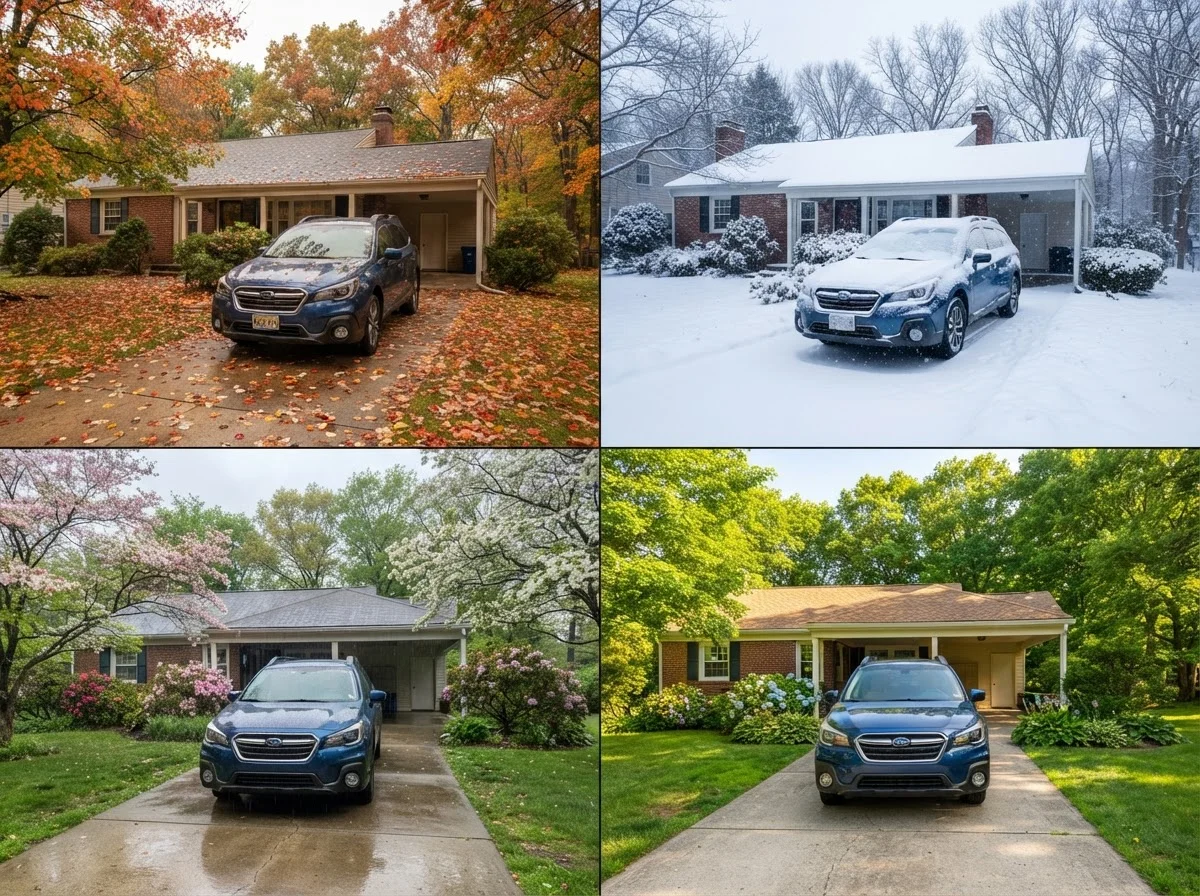
Most drivers think about car maintenance only when something goes wrong. A seasonal rhythm changes that - it breaks the year into manageable check-ins that match the real stresses your vehicle faces as temperatures rise and fall.
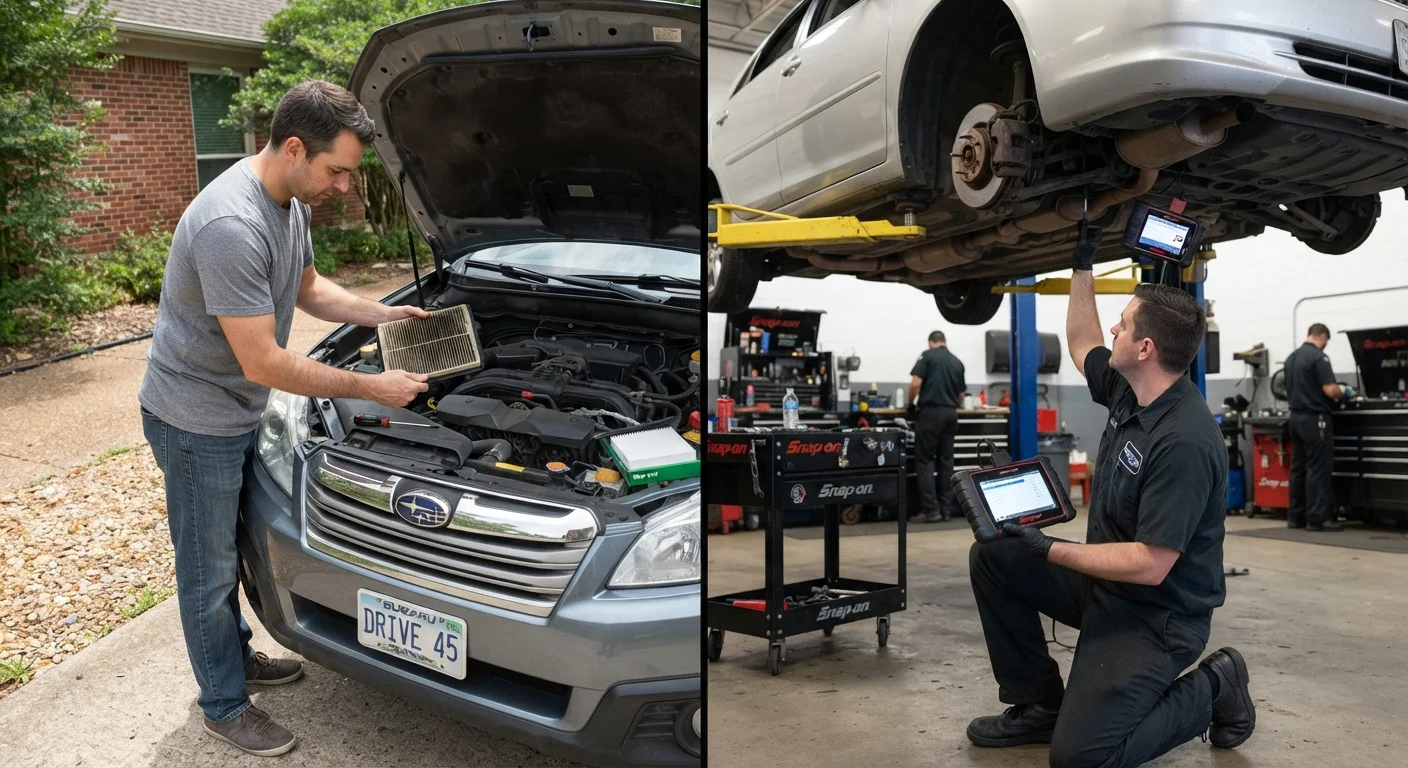
Extreme cold stresses your battery and thickens engine oil. Summer heat accelerates fluid breakdown and increases tire pressure beyond spec. Transitional months are ideal windows to catch wear before it compounds. This checklist walks through what to inspect each season, what you can reasonably handle yourself, and when to hand the job to a professional. For guidance on which tasks genuinely require a shop, see our DIY vs. mechanic guide.
Don't Skip Tasks That Affect Safety Systems
Brakes, tires, and lights are not optional maintenance items - they directly affect your ability to control the vehicle and be seen by others. If you notice pulling during braking, unusual vibration, or a warning light related to these systems, have the vehicle inspected by a qualified mechanic before your next drive. See our warning light guide if a symbol you don't recognize appears.
What You'll Need
Having the right tools on hand makes each seasonal check faster and more thorough. Most of these are inexpensive and reusable year after year.
Tire pressure gauge
Accurate pressure readings across all four tires - digital models are easiest to read.
Tread depth gauge
Measures remaining tire tread to determine whether replacement is needed before winter or summer.
Battery tester / voltmeter
Checks battery voltage and cold cranking capacity before extreme temperatures expose a weak battery.
Flashlight or work light
Lets you inspect under the hood and underneath the vehicle in low-light conditions.
Coolant test strips
Quick check of antifreeze concentration and pH to determine whether a flush is needed.
Funnel and fluid containers
Needed for safely topping off engine oil, coolant, brake fluid, or windshield washer fluid.
The Seasonal Maintenance Checklist
Work through these grouped checks at the start of each season. Items marked must are non-negotiable for safety and reliability. Should items are strongly recommended. Nice-to-have items add an extra layer of protection but can be deferred if time is short.
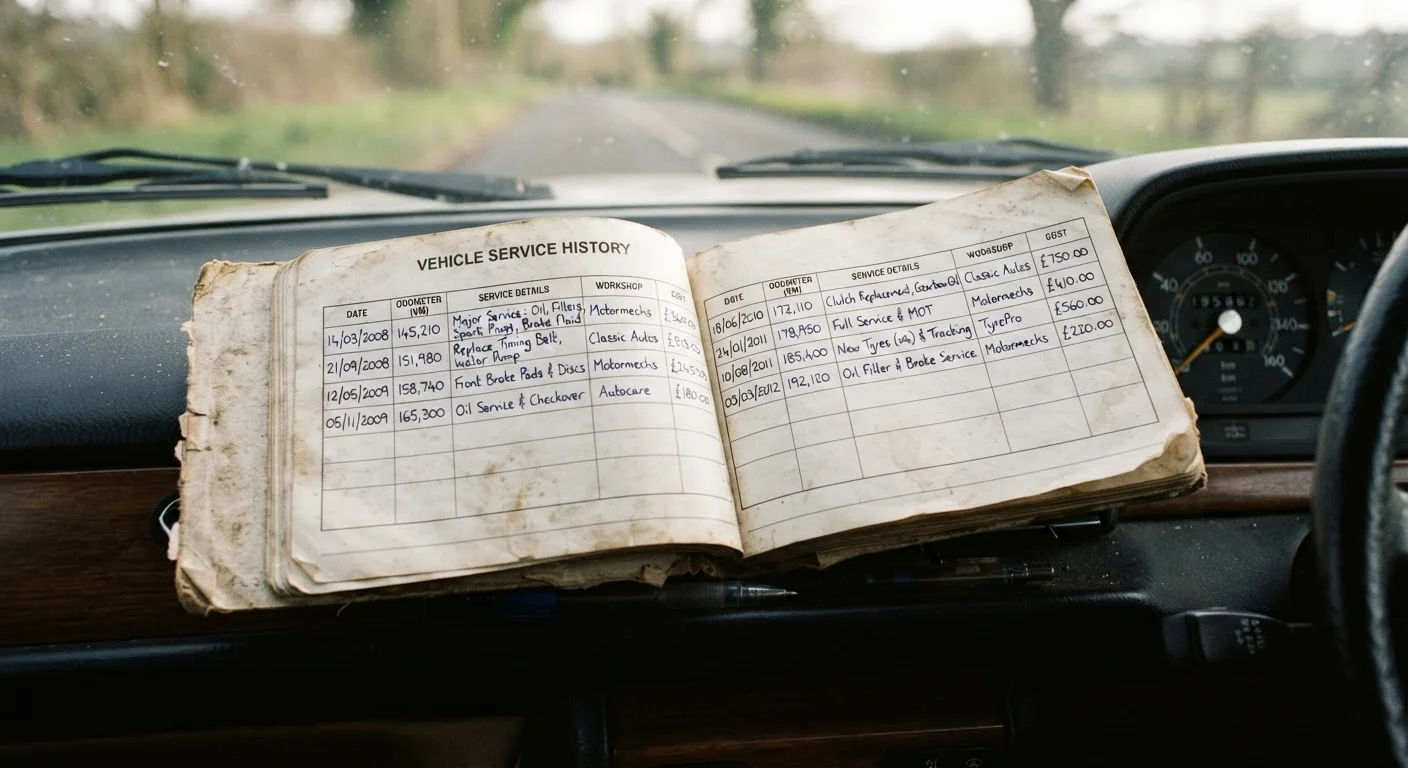
Pair this checklist with a vehicle service log so you always know what was last done and when.
Spring (After Winter Thaw)
Summer (Before Peak Heat)
Fall (Before Cold Sets In)
Winter (Ongoing During Cold Months)
Consult Your Owner's Manual First
Every vehicle has manufacturer-specified service intervals for oil, filters, fluids, and belts that may differ from general advice. Your owner's manual is the authoritative source for your specific make and model. When in doubt, a qualified mechanic can also review your maintenance history and flag anything overdue. This checklist is a general educational guide, not a substitute for manufacturer guidance or professional inspection.
Putting It All Together
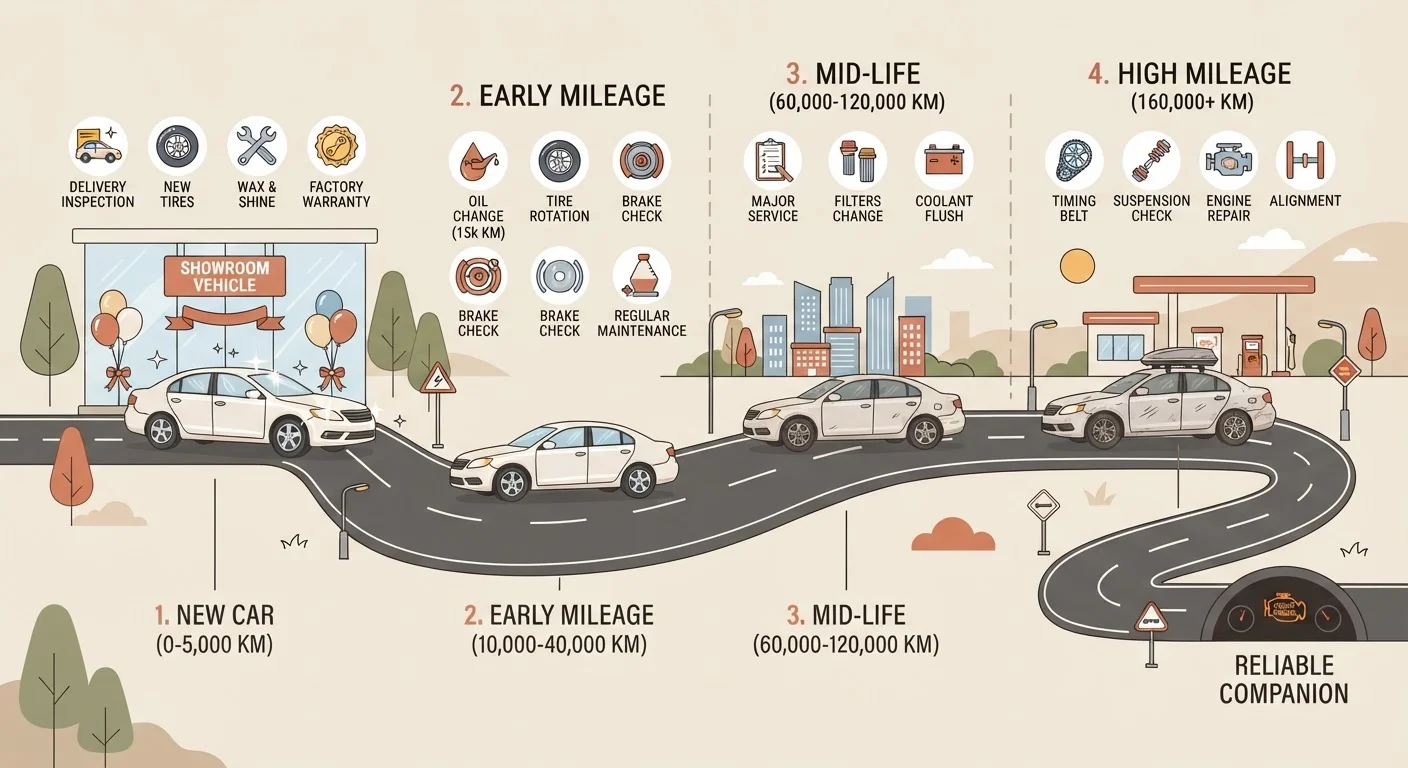
Seasonal maintenance isn't about perfection - it's about staying ahead of the curve. A car that receives consistent, timely attention is safer, more fuel-efficient, and holds its value better than one that's serviced only in crisis mode. For a longer view on how needs shift as a vehicle ages, car maintenance across a vehicle's lifetime offers useful context.
If a dashboard warning light appears between your seasonal checks, don't wait - consult our warning light guide to understand what it means and whether immediate action is needed. And before any long trip, a quick pre-journey check takes only minutes but adds meaningful peace of mind.