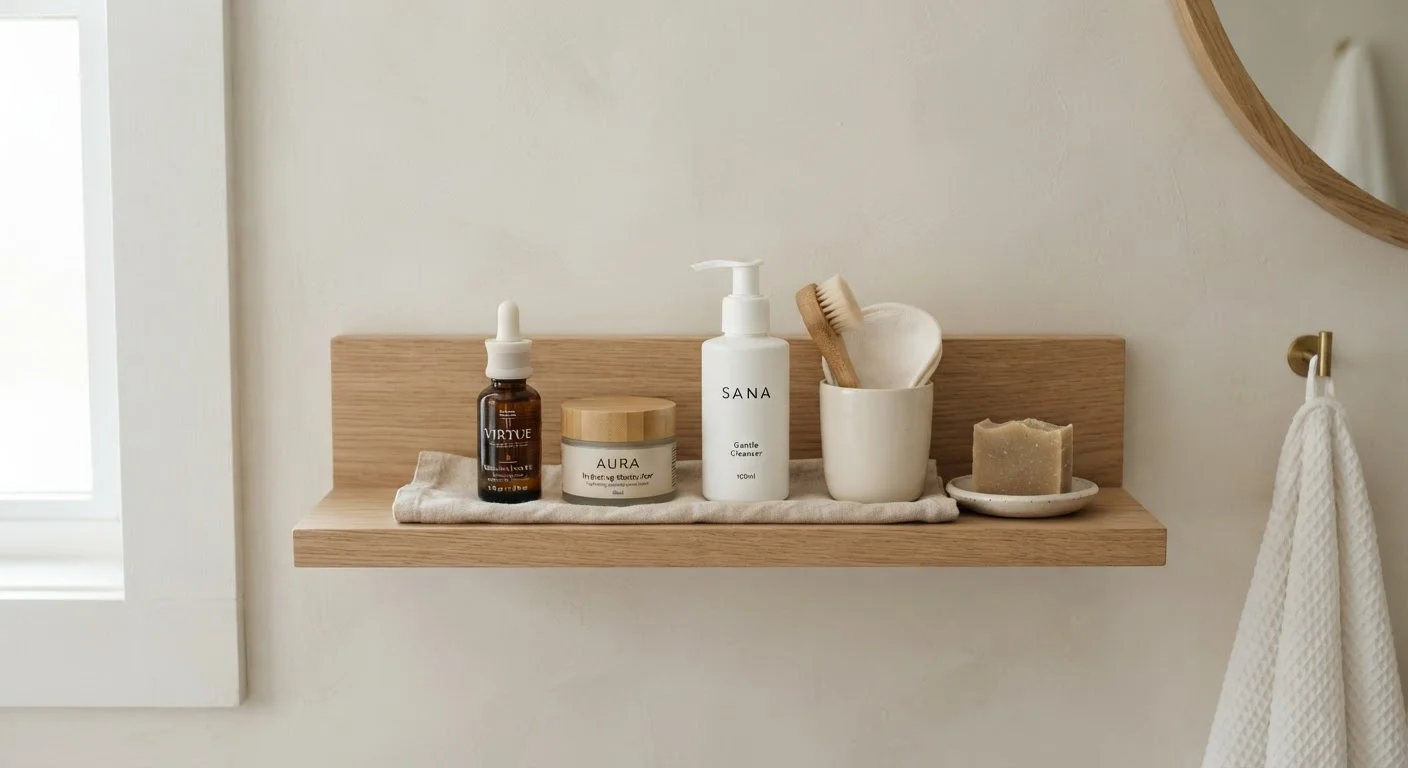

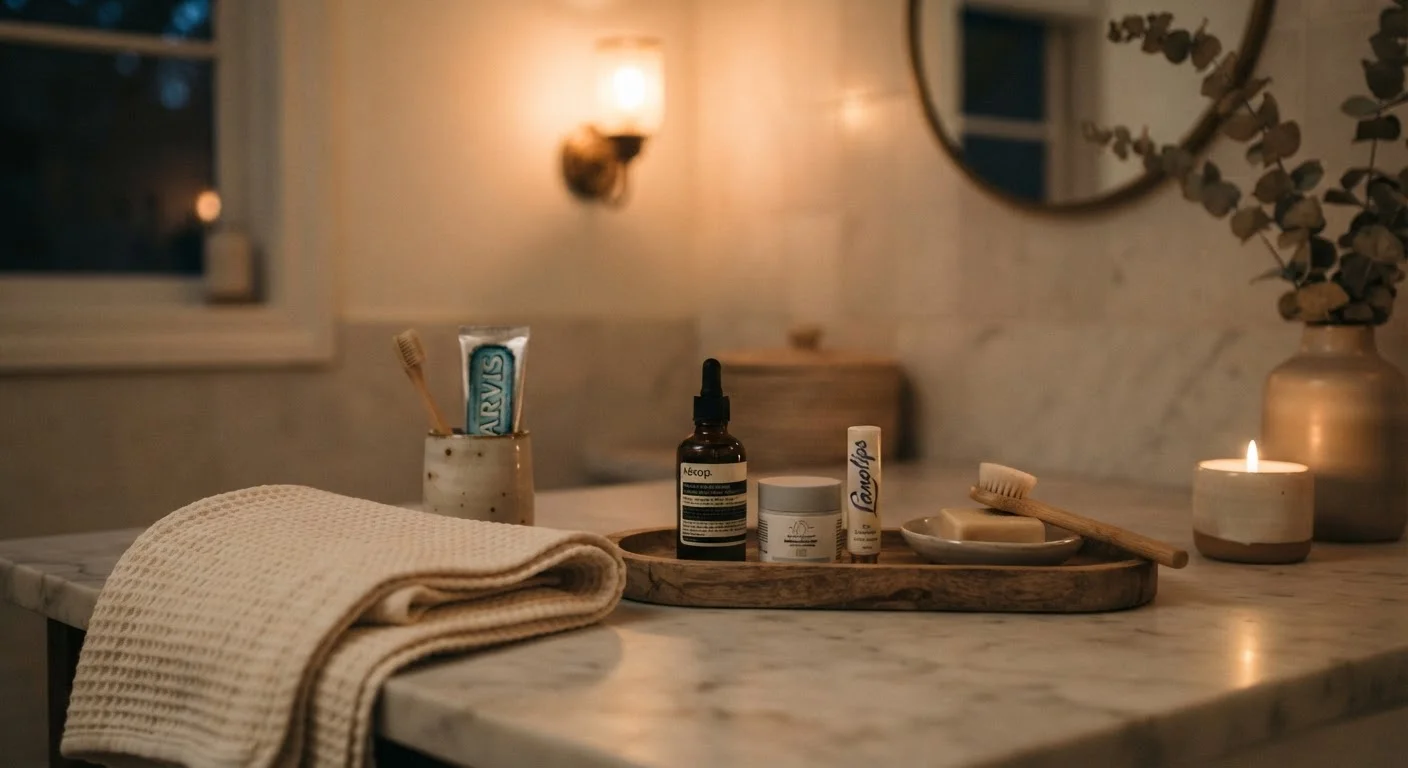
Why a Low-Effort Routine Works Better Than a Complex One
The beauty industry often frames more steps as more effective. The practical reality is the opposite: routines with fewer moving parts are easier to sustain, and sustainability is what produces results. A three-step routine done every night for six months will almost always outperform a ten-step routine done occasionally. This is general skincare information - it's not a substitute for personalized advice from a dermatologist if you have specific skin concerns.
Evening routines serve a different purpose than morning ones. As explored in this breakdown of how morning and evening routines differ, nighttime is when your body does its heaviest repair work. That makes evening a particularly good window for moisturizing and gentle care - not necessarily for active treatments unless a professional has recommended them for your specific situation.
If your current routine feels like a chore, that's a signal to simplify, not to push through. Consistency consistently outperforms intensity - and the routine below is built around that principle.
What you will need
Gentle facial cleanser
Removes the day's makeup, sunscreen, oil, and environmental debris without stripping the skin barrier.
Facial moisturizer
Replenishes hydration and supports overnight skin repair, particularly important after cleansing.
Lip balm
Prevents overnight moisture loss from lips, which have no oil glands of their own.
Micellar water or cleansing balm
An optional first-step pre-cleanser that breaks down heavy makeup or SPF before your main cleanser.
Eye cream or eye gel
Addresses the delicate under-eye area with targeted hydration, optional for those who want it.
How to Build the Habit So It Actually Sticks
Following the steps is the straightforward part. The harder part is doing them when you're tired, distracted, or just not feeling it. That's where habit design matters.
Set a consistent start time
Decide on a fixed window - say, 9:30 to 10:00 pm - and treat it as a recurring appointment. Consistency matters more than perfection here. As noted in research on sleep scheduling, regular timing cues help regulate the body's internal clock, which affects how rested you feel the next morning. Pick a time you can realistically honor on weekdays and weekends alike.
Step away from screens
Put down your phone, close the laptop, and switch off the TV at least 30 minutes before sleep. Reducing screen exposure before bed allows your nervous system to shift out of stimulation mode, which makes the rest of your routine more effective - not just cosmetically, but for actual rest quality.
Remove makeup and SPF thoroughly
If you wear makeup or sunscreen, double-cleansing is worthwhile: start with a cleansing balm or micellar water to dissolve product, then follow with your regular cleanser. If you skipped both today, a single gentle cleanse is enough. Sleeping in makeup or SPF clogs pores and can irritate skin overnight - this step is non-negotiable regardless of how tired you are.
Cleanse with lukewarm water
Apply your cleanser with damp hands using gentle circular motions, then rinse thoroughly with lukewarm - not hot - water. Hot water disrupts the skin's natural moisture barrier. Pat your face dry with a clean cloth rather than rubbing, which can cause low-grade irritation over time. As consistency research in skincare suggests, the technique you repeat nightly matters as much as the product itself.
Apply moisturizer while skin is slightly damp
Apply your facial moisturizer within one to two minutes of patting your face dry. Slightly damp skin absorbs hydration more effectively than completely dry skin. Use a small amount - a pea-to-dime-sized portion is typically enough - and press it gently into the skin rather than dragging. If you use an eye cream, apply it before your moisturizer, working from the inner to outer corner of the eye area using your ring finger.
Finish with lip balm and call it done
Apply a thin layer of lip balm as your final step. Lips have no sebaceous (oil-producing) glands, making them prone to overnight dryness. This 10-second step is easy to skip and easy to forget - but consistently doing it makes a noticeable difference over weeks. Once your lip balm is on, your routine is complete. Resist the urge to add more steps. A simple routine done nightly reliably outperforms an elaborate one done sporadically.
Habit-Stack for Better Follow-Through
Attach your evening routine to something you already do automatically - brushing your teeth, changing into comfortable clothes, or turning off overhead lights. Pairing a new behavior with an established one reduces the mental effort required to start, which is how short routines actually stick over months rather than days.
For those who also want to pair this with broader sleep habits, structuring a wind-down that signals your nervous system to rest covers the mental wellness side of evening habits in practical detail. And if you want your morning to benefit from a smooth evening, see how a five-minute morning skin prep can pick up where this routine leaves off.
This Is General Information, Not Medical Advice
The guidance in this article is intended for general informational purposes only. If you have a skin condition, allergy, or health concern, consult a qualified dermatologist or healthcare professional before changing your skincare routine. Do not use new products on broken, irritated, or compromised skin without professional guidance.
Patch-Test Any New Product First
Before applying an unfamiliar product to your full face, test it on a small area of skin - such as the inner forearm - for 24 to 48 hours. This helps identify potential irritation or allergic reactions before they affect a larger area. When in doubt, opt for fragrance-free, minimal-ingredient formulas.
This article is for general informational and educational purposes only and does not constitute medical or dermatological advice. If you have a skin condition, allergy, or any health concern, please consult a qualified healthcare professional before making changes to your skincare routine.