
What Makes a Look "Everyday"?
An everyday makeup look shares one defining trait: it has to be repeatable without much effort. That means fewer products, a predictable order of steps, and results that hold up through a regular workday or errand run. It isn't about achieving anything dramatic - it's about establishing a dependable routine that matches your actual schedule.
Most everyday looks fall into three broad categories: no-makeup makeup (enhancing without appearing made up), the five-minute face (a compact, multi-tasking routine), and light definition (adding structure without complexity). Understanding which category fits your goals is the first step to building a routine that actually sticks.
| Products in a no-makeup makeup look | Typically 4-6 |
| Average time for a five-minute face | 5-8 minutes |
| Most skipped everyday step | SPF application before makeup |
| Recommended brush cleaning frequency | At least once per week for face brushes (General dermatology guidance) |
| Best formula type for speed | Cream products - blend quickly, no primer required |
For context on how makeup routines fit alongside skincare, see The Full Picture on Beauty Routines for a comprehensive foundation.
Three Common Everyday Looks - and How They Work
No-Makeup Makeup
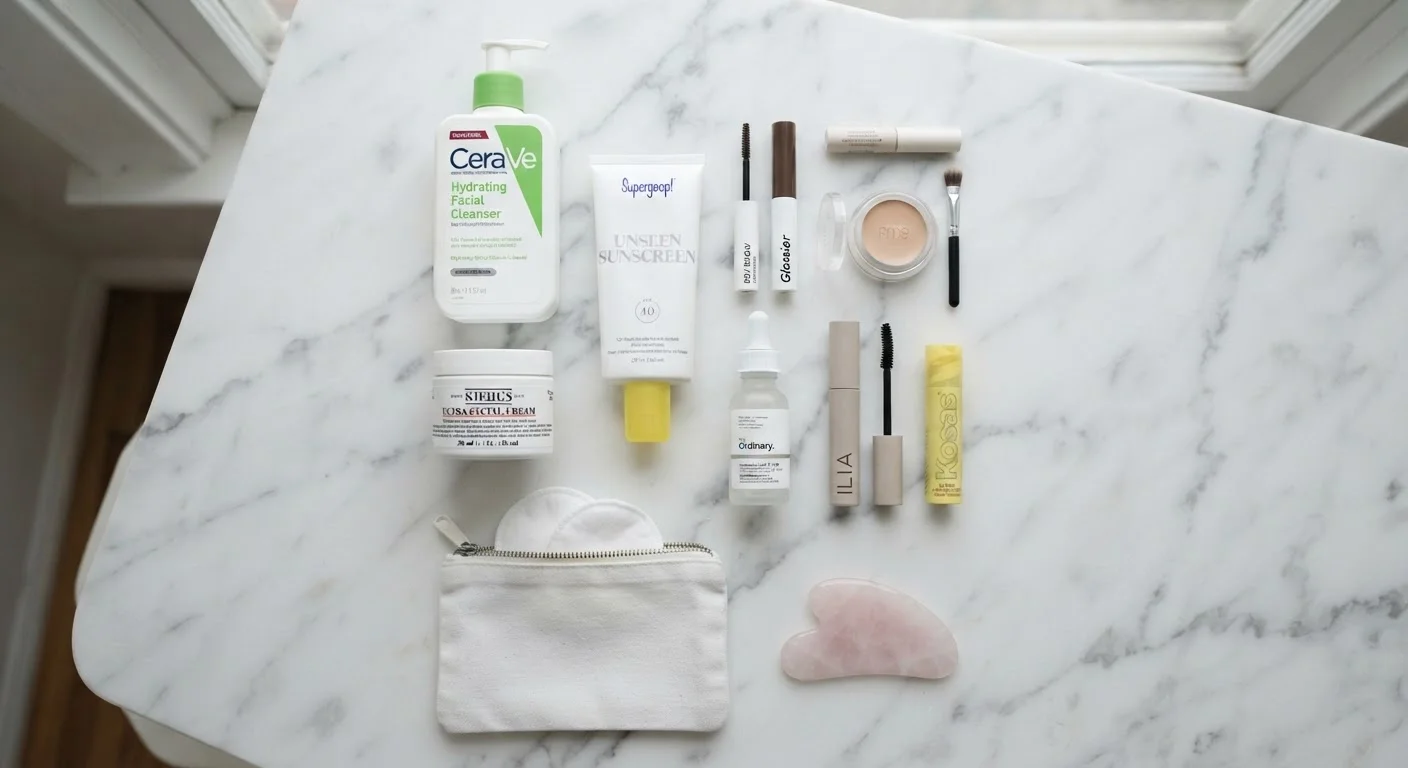
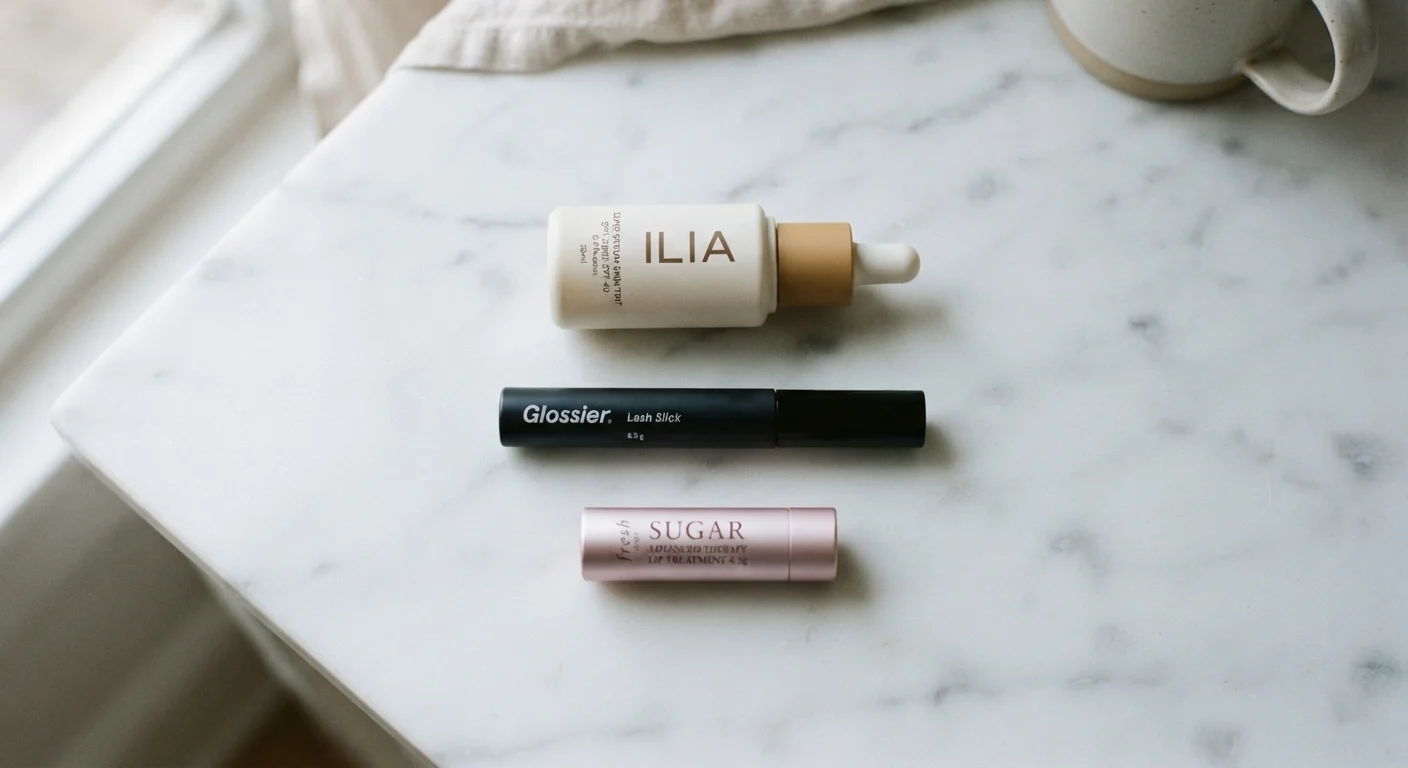
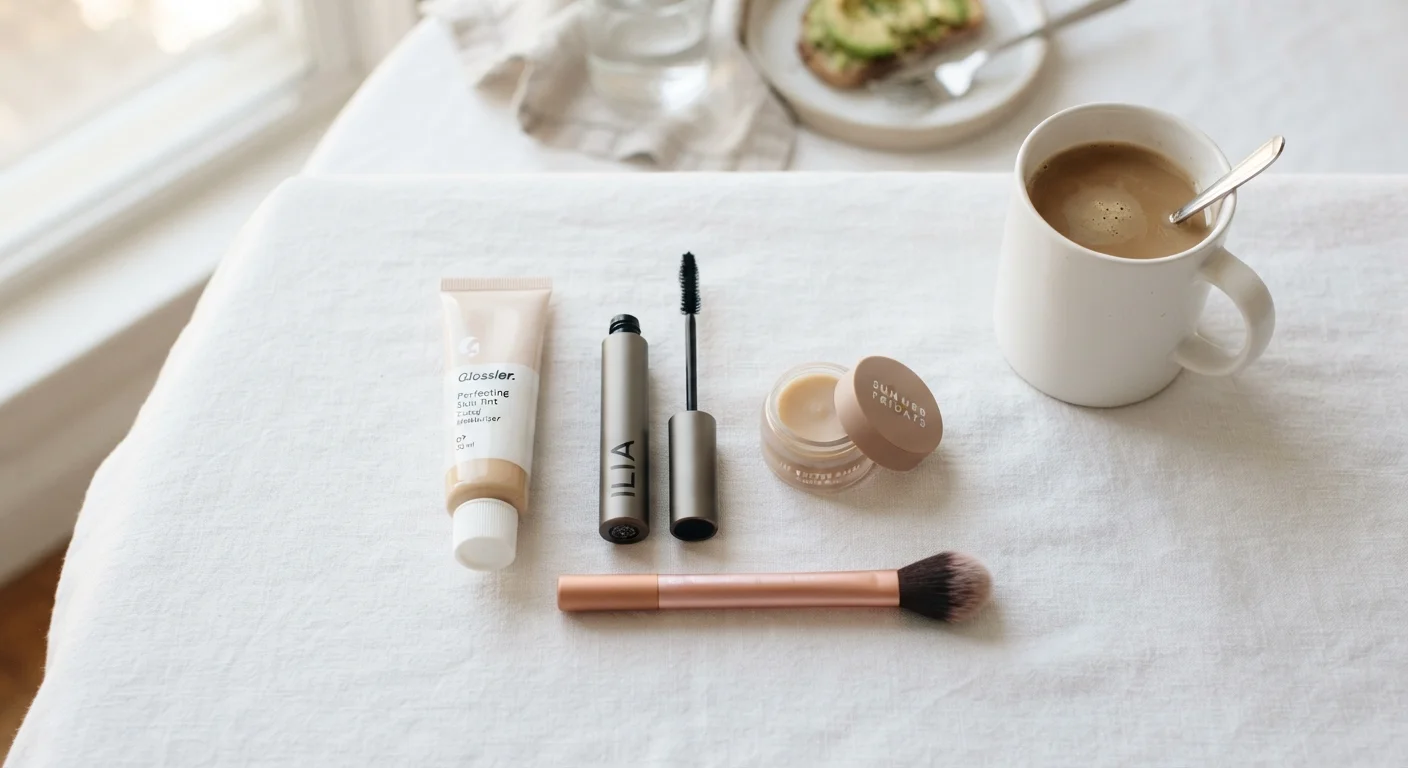
This look prioritizes skin quality over coverage. The typical sequence starts with a moisturizer or SPF, followed by a tinted moisturizer or skin tint applied with fingers or a damp sponge. A concealer targets only specific areas - under-eye circles or blemishes - rather than the full face. A swipe of clear or tinted brow gel, one coat of mascara, and a sheer lip balm round it out. Total products used: five or fewer.
The logic is subtraction. If something doesn't visibly improve the result, it stays out of the routine. This approach pairs naturally with a simpler everyday routine.
The Five-Minute Face
This routine trades a few extra steps for noticeably more polish. It builds on no-makeup makeup by adding a light-coverage foundation or BB cream over the tinted moisturizer base, then layers in a cream blush or bronzer for dimension. Brows get more attention - a brow pencil or pomade fills sparse areas. A mascara and a tinted lip product (balm, tint, or gloss) complete the look. The key is using cream formulas that blend quickly and don't require primer or setting spray to work.
Light Definition
Light definition introduces a small amount of structure - typically a soft liner along the upper lash line, a brow product with more hold, and perhaps a pressed powder to manage shine. It doesn't require contouring or multiple eye products. The goal is legibility: features read clearly without looking heavily made up. This look suits people who find the five-minute face a little too undone for their professional environment.
Tinted moisturizer
A lightweight, sheer base product that combines hydration with a small amount of pigment. It evens out skin tone without the coverage or finish of a foundation.
BB cream
Short for beauty balm or blemish balm. A hybrid product offering light-to-medium coverage plus skincare benefits like SPF or hydration, often used as a foundation alternative.
Skin tint
A very sheer base that adds a wash of color to the skin. Less pigmented than a tinted moisturizer, it prioritizes a natural finish over coverage.
Brow pomade
A waxy, gel-like brow product that fills, defines, and holds brow hairs in place. It offers more precision and staying power than a pencil or powder.
Setting powder
A translucent or lightly pigmented powder applied over makeup to reduce shine and extend wear. Optional in most everyday routines if base formulas are already long-wearing.
Cream blush
A blush formula with a creamy texture that blends into skin easily using fingers or a sponge. Tends to look more natural and applies faster than powder blush.
Routine Logic: Building in the Right Order
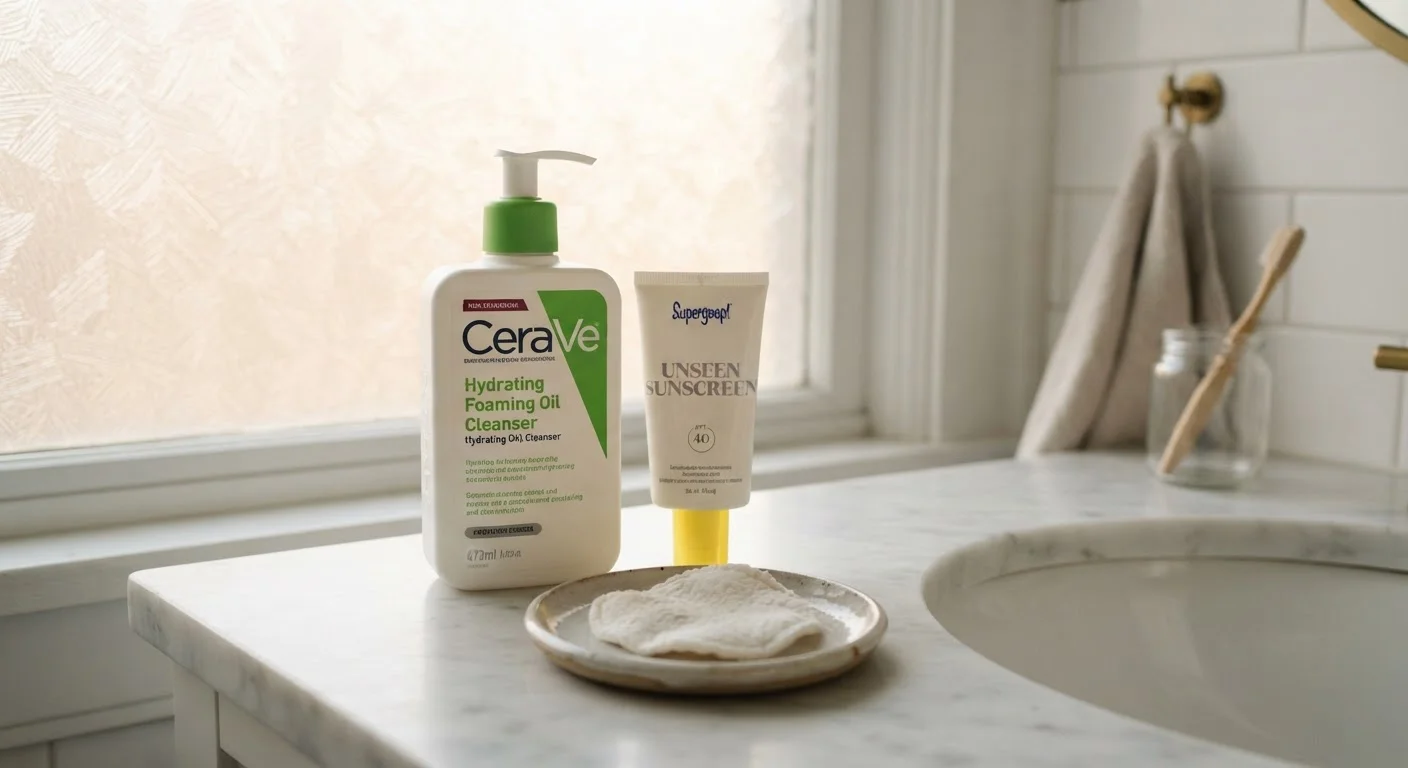
Regardless of which look you follow, the underlying step order matters. Skin prep - cleanse, moisturize, SPF - always comes first and should be fully absorbed before any makeup goes on. This isn't just about longevity; applying makeup over a properly prepped surface reduces the amount of product needed. Everyday habits that skip this prep step often lead to patchy results, and some common shortcuts can quietly work against skin health over time.
After prep, the general sequence is: base (tinted moisturizer or foundation) → spot concealing → cheeks/bronzer → brows → eyes → lips. Setting steps (powder, spray) are optional for everyday looks and often unnecessary if formulas are chosen well.
60%
Women who say they prefer a simpler makeup routine
According to a broad consumer survey on beauty habits, a majority of respondents reported preferring routines with fewer steps and products.
5 min
Time most people say they can realistically spare for makeup
Survey data consistently shows that time pressure is the leading reason people simplify or skip makeup routines on weekdays.
Weekly upkeep matters too. Cleaning brushes, restocking depleted products, and checking expiry dates take just a few minutes but significantly affect how your routine performs. The Weekly Beauty Reset guide covers exactly which habits are worth adding.
This article is for general informational purposes only. For any skin sensitivities, allergies, or reactions to makeup products, consult a qualified dermatologist or healthcare professional.