
Why Skin Responds to Seasonal Shifts
Your skin doesn't operate in isolation - it responds constantly to the environment around it. Temperature, humidity, wind exposure, and even indoor heating all influence how your skin's outer barrier performs. When those external variables change with the seasons, your skin's behavior often changes too, sometimes in ways that catch people off guard.
The primary driver in winter is reduced atmospheric humidity. Cold outdoor air holds very little moisture, and central heating strips even more from indoor air. This combination accelerates transepidermal water loss (TEWL) - the passive evaporation of water through the skin - leaving the barrier drier and more vulnerable to irritation. In summer, the opposite tends to occur: warmer air retains more moisture, and higher heat stimulates the sebaceous glands to produce more oil, which can clog pores or make skin feel congested.
Understanding these mechanisms helps explain why a moisturizer that felt perfect in July might feel insufficient by November - and why a rich cream that worked well in January might feel suffocating by May. The goal of seasonal adjustment is simply to stay aligned with what your skin actually needs rather than what worked three months ago.
This article is for general informational purposes only and is not a substitute for advice from a qualified dermatologist or skincare professional.
What Typically Changes and What Stays the Same
A common mistake is treating seasonal transitions as an excuse to overhaul everything at once. Most of the time, only a few elements of your routine need adjusting. See our guide on why consistency outperforms intensity for more on this principle - it applies directly to seasonal switching.
~30-40%
Typical drop in indoor humidity from heating
Research on indoor air quality suggests heated indoor environments in winter can see relative humidity drop significantly below the 40-60% range considered comfortable for skin.
95%
UVA rays that penetrate cloud cover
According to the Skin Cancer Foundation, up to 80% of UV rays can pass through clouds, making year-round sun protection relevant even on overcast days.
2-4 weeks
Time for skin to adapt to new products
Dermatologists generally suggest allowing this adjustment window before assessing whether a new product is working, helping avoid premature routine changes.
What Often Changes
- Moisturizer weight: Many people find lighter gels or lotions suit summer humidity, while thicker creams or balms help compensate for winter dryness.
- Cleanser strength: A foaming, deep-cleansing formula may be useful in summer when sebum production is higher, but could over-strip skin in winter when the barrier is already stressed.
- Exfoliation frequency: Skin may tolerate more frequent exfoliation in summer but benefit from reduced frequency in winter when it's more sensitized. For a breakdown of your options, see physical vs. chemical exfoliation.
What Should Stay Consistent
- Sunscreen: UVA exposure is year-round. This step belongs in every morning routine regardless of the season.
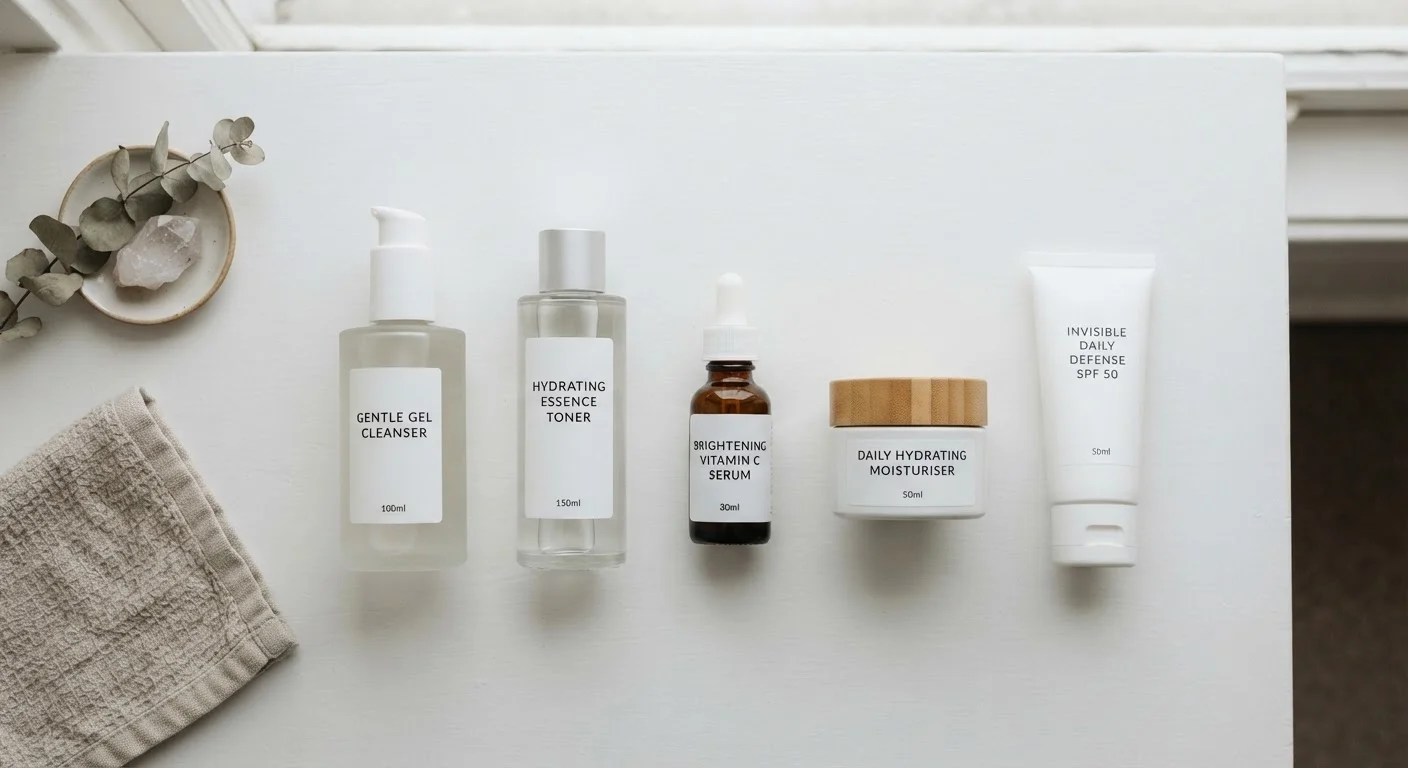
- Core routine structure: The sequence of cleanse, treat, moisturize, protect doesn't change - only the specific products within each step might. If you want to revisit the purpose of each step, the anatomy of a skincare routine covers this clearly.
Making Practical Seasonal Adjustments
The most manageable approach is gradual: swap one product at a time and give your skin a week or two to adjust before changing anything else. This way, if irritation or breakouts appear, you can identify the cause more easily.
Start with One Swap, Not a Full Overhaul
When seasons shift, resist the urge to replace your entire routine at once. Change one product - typically your moisturizer - and observe for one to two weeks before adjusting anything else. This methodical approach makes it much easier to pinpoint what's helping or causing issues.
Think of your routine as having a stable foundation and a few flexible variables. Your cleanser, treatment serum, and SPF might stay consistent year-round, while your moisturizer, face oil, or toner is the element you adjust seasonally. Your AM and PM routines may also shift slightly - nighttime is often the right time to introduce richer or more occlusive products in winter, protecting and replenishing while the skin undergoes its natural repair cycle.
Some people find it useful to treat seasonal transitions the same way they approach other home transitions - rotating what's accessible and relevant for the current conditions. A weekly skin reset habit can also help you stay attentive to how your skin is responding as conditions evolve.