
The Habits You Overlook Are Often the Most Damaging
Most skin concerns don't appear overnight. They build gradually - the result of small, repeated choices that seem harmless in the moment. A quick face wash, a skipped SPF step, an absent-minded chin touch during a Zoom call: individually unremarkable, but collectively significant over months and years.
This isn't about fear or shame. It's about awareness. Once you can see which everyday habits are quietly working against your skin, adjusting them becomes straightforward. The list below covers the most common offenders - and what to do instead - so you can build a routine that actually supports your skin rather than undermining it. For a broader look at foundational daily habits, the Everyday Self-Care Checklist is a useful companion resource.
Over-cleansing your skin
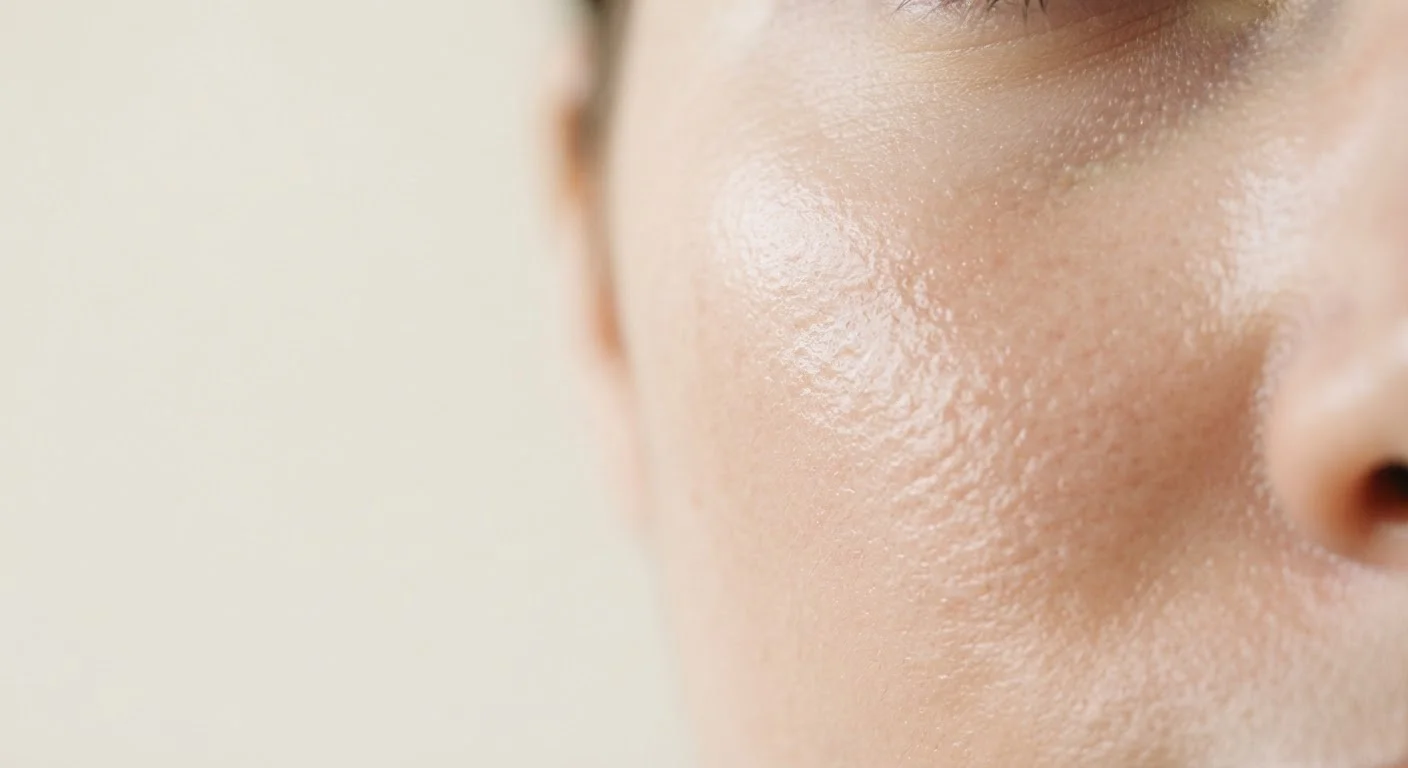
Washing your face more than twice a day - or using a cleanser that lathers aggressively - strips away the natural oils and protective proteins that keep your skin barrier intact. The result: tightness, flaking, and often a rebound surge in oil production as your skin scrambles to compensate.
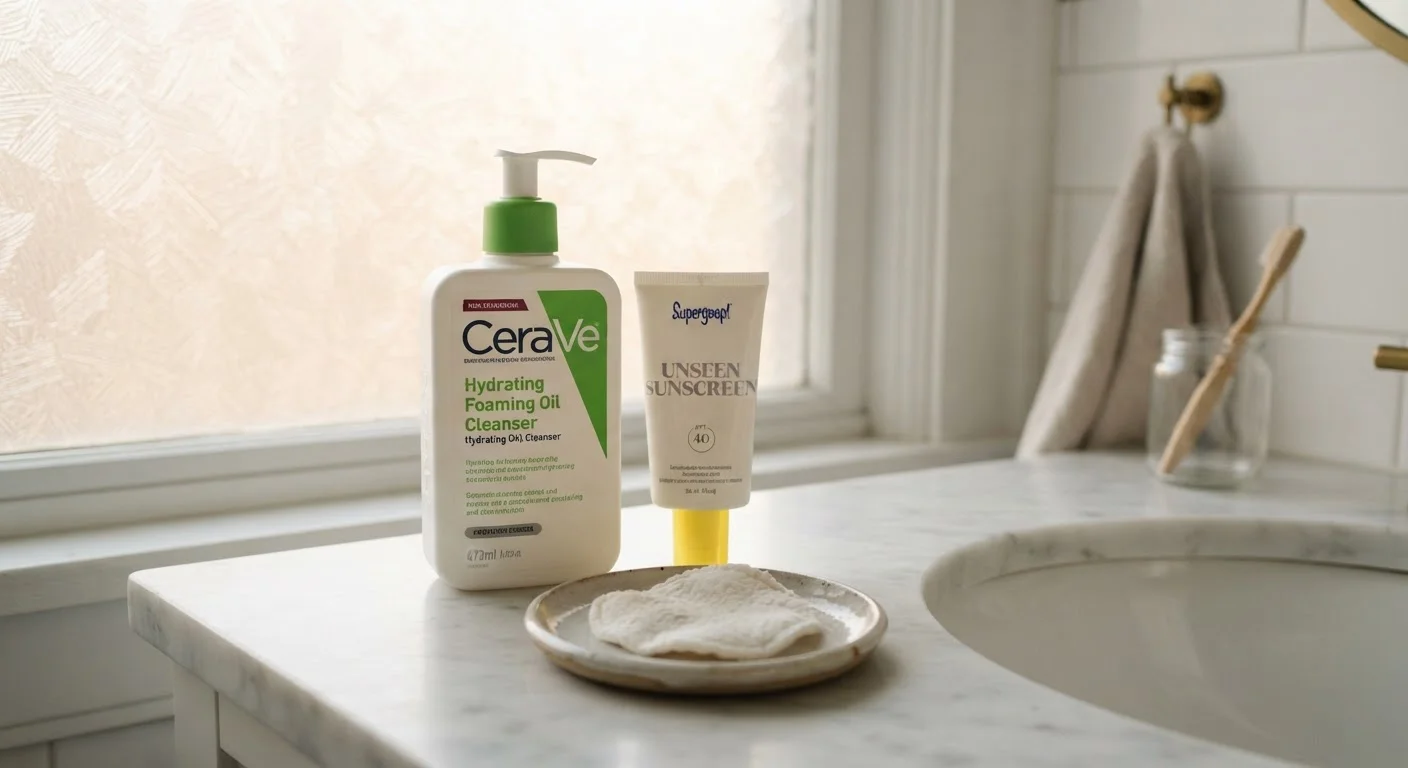
A gentle, pH-balanced cleanser used once in the morning and once at night is sufficient for most skin types. If your skin feels squeaky clean after washing, that's a sign the cleanser is too harsh. For a deeper explanation of why the barrier matters so much, see The Skin Barrier: Why It Matters More Than Your Cleanser.
Squeaky-clean skin after washing is a warning sign, not a goal.
Skipping sunscreen on low-sun days
UV radiation reaches your skin through clouds, windows, and reflected surfaces - not just on bright summer days. Cumulative UV exposure is the leading environmental contributor to premature skin aging, uneven tone, and changes in skin texture, according to dermatological consensus.
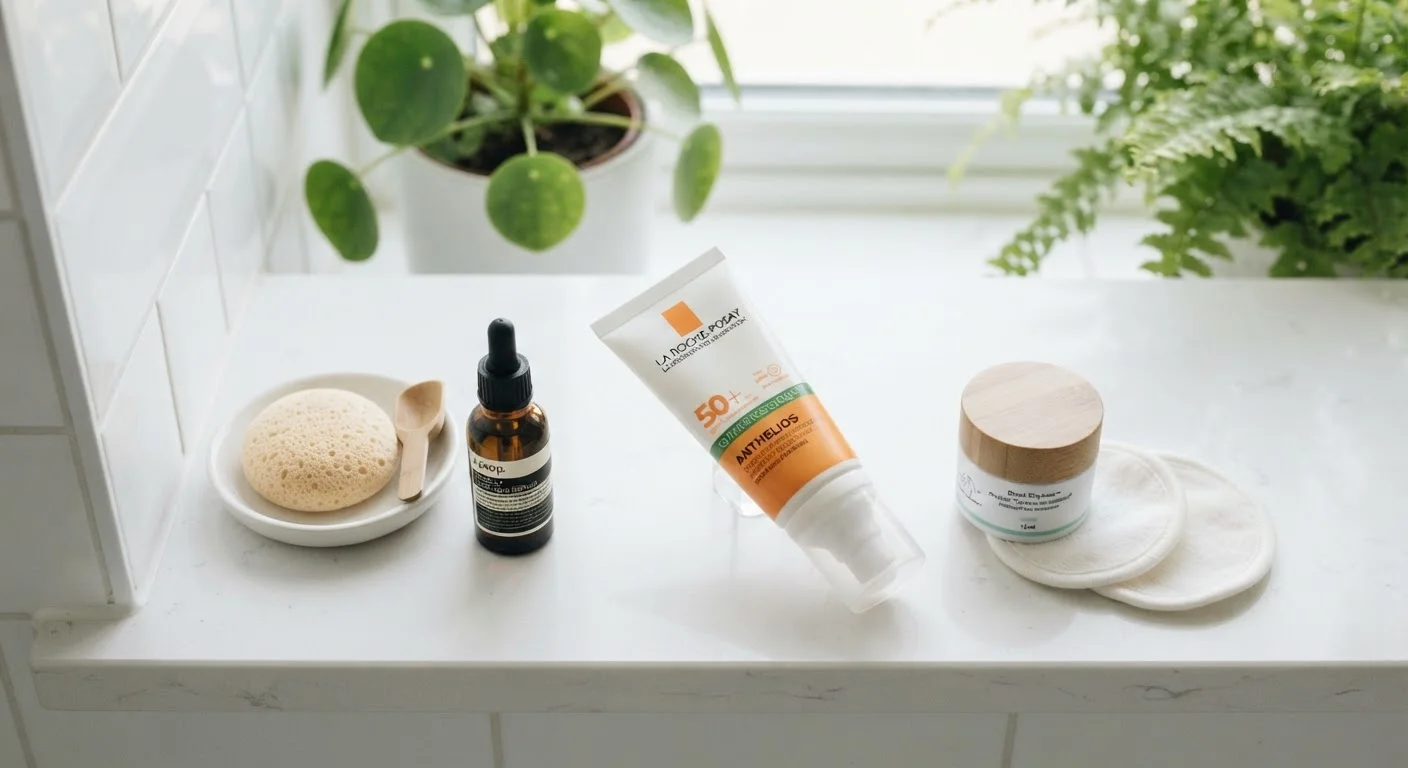
A broad-spectrum SPF applied each morning - including overcast or indoor-heavy days - is widely considered the single most impactful daily skincare habit. If you're uncertain how sunscreen fits into a full routine, Sunscreen as a Skincare Step: What Gets It Wrong walks through common mistakes clearly.
UV exposure accumulates daily, even through clouds and windows.
Touching your face throughout the day
The average person touches their face dozens of times per hour without realizing it - resting a chin on a hand, rubbing an eye, scratching a cheek. Each contact transfers oils, environmental residue, and bacteria from your fingertips to your skin, which can aggravate existing breakouts or introduce new ones.
This habit is hard to break because it's largely unconscious. Noticing your triggers - stress, concentration, boredom - gives you a starting point. Keeping hands clean and away from the face as a default posture makes a meaningful difference over time.
Most face-touching is unconscious - noticing your triggers is the first step.
Sleeping in makeup or on a dirty pillowcase
Makeup left on overnight clogs pores and prevents the natural cell turnover that occurs during sleep. Even light coverage accumulates over a full night, mixing with sweat and sebum in ways that can dull skin and contribute to congestion.
Pillowcases pick up oils, dead skin cells, and product residue quickly. Changing or at least flipping yours every few days - rather than weekly - is a low-effort habit with a noticeable impact. If you want to explore a fuller set of weekly skin maintenance habits, The Weekly Beauty Reset is worth reading.
A pillowcase flip mid-week is one of the cheapest upgrades your skin routine can get.
Applying skincare products in the wrong order
Product layering order matters more than most packaging suggests. Applying a thick moisturizer before a water-based serum, for instance, creates a seal that blocks active ingredients from penetrating. The general principle: thinnest consistency to thickest, with SPF always last in a morning routine.
Certain ingredient combinations also interact poorly - some active ingredients reduce each other's effectiveness or increase irritation risk when layered. Skincare Ingredients That Work Well Together - and Pairs to Avoid is a practical reference for navigating this without overcomplicating your routine.
Layering order determines whether your skincare actually works.
Stopping your routine at the jawline
The neck, décolletage, and backs of hands receive similar sun exposure and environmental stress as the face - but are routinely excluded from moisturizing and SPF steps. Over time, this creates a visible inconsistency in skin texture and tone between the face and surrounding areas.
Extending your existing face routine down to the neck and chest costs nothing extra and takes seconds. Similarly, the hands benefit from the same care principles; Hand and Nail Care: A Practical Reference covers this in more detail.
Skin aging doesn't stop at the jawline - neither should your routine.
Using water that's too hot
A hot shower feels good, but hot water on the face dissolves the lipid layer that holds skin cells together and retains moisture. This is particularly significant for anyone with dry, sensitive, or rosacea-prone skin, where the barrier is already more vulnerable.
Lukewarm water is sufficient to cleanse effectively and far less disruptive to skin integrity. If your skin consistently feels tight or reactive after washing, water temperature is worth checking before adjusting your products. Why Your Skin Still Feels Dry After Moisturising explores related hydration missteps in detail.
Hot water feels cleansing but quietly disrupts the skin's lipid barrier.
Small Adjustments, Real Results
None of the habits above require a major overhaul. The goal is to swap one automatic behavior for a slightly better one - washing your face with lukewarm instead of hot water, applying SPF before you leave the house, giving your pillowcase a mid-week flip. Over time, those micro-adjustments compound in your skin's favor the same way problematic habits compound against it.
Start with one change at a time
Trying to fix every habit at once tends to create friction that leads back to default behaviors. Pick the one item from this list that resonates most - SPF, pillowcase hygiene, or water temperature - and make it automatic before tackling the next. Gradual habit-stacking is more sustainable than an overnight routine overhaul.
If your skin is persistently reactive, inflamed, or showing signs of a compromised barrier, it's worth speaking with a board-certified dermatologist rather than troubleshooting alone. General information - including everything here - is educational, not a substitute for professional skin assessment.
This article is for informational purposes only and does not constitute medical or dermatological advice. Consult a qualified healthcare professional for concerns about your skin.