
What the Skin Barrier Actually Is
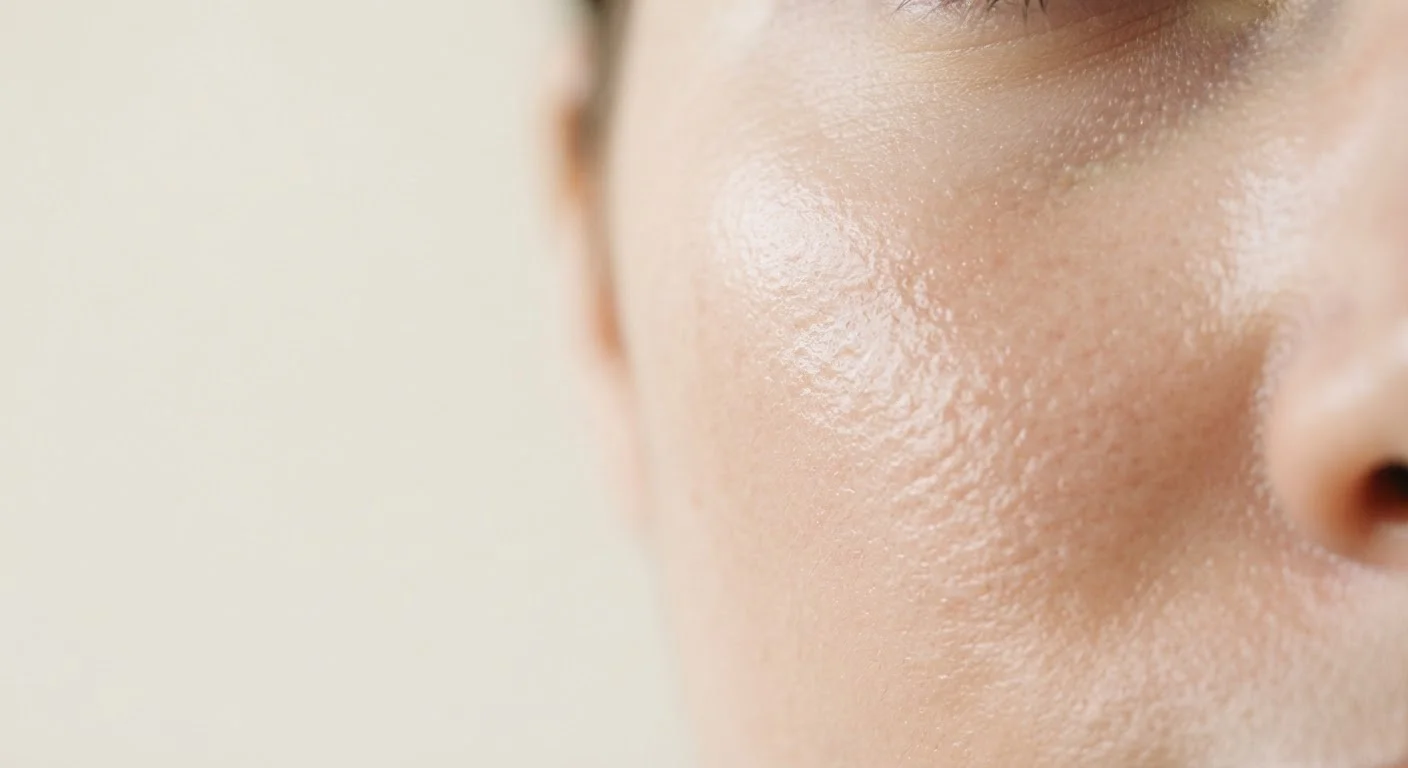
Think of your skin barrier as the body's first line of environmental defense - not a passive membrane, but an active, dynamic structure constantly regulating what enters and exits. It sits at the top of your skin's outermost layer, the stratum corneum, which is made up of flattened, dead skin cells called corneocytes arranged in an overlapping pattern.
Between these cells sits a matrix of lipids - primarily ceramides, free fatty acids, and cholesterol. These lipids seal the gaps between cells, preventing water from escaping (a process called transepidermal water loss, or TEWL) and blocking environmental irritants from penetrating deeper layers.
The barrier is not static. It's constantly being renewed as old cells shed and new ones migrate up from lower skin layers. That renewal cycle takes roughly 28 days in younger adults and slows with age. Understanding this helps explain why changes - both damage and recovery - don't happen overnight.
The Skin Barrier Renews on a Cycle
Skin cell turnover takes approximately 28 days in younger adults, extending to 45-60 days or more in older adults. This means that barrier recovery - and the results of any new routine - often won't be visible for four weeks or longer. Patience with consistent habits tends to outperform frequent product-switching.
For a broader look at how the stratum corneum fits into your overall routine, see The Anatomy of a Skincare Routine: What Each Step Actually Does.
What Disrupts the Skin Barrier
Barrier disruption is more common than most people realise - and it's often caused by habits marketed as good skincare. The most frequent culprits include:
- Over-cleansing or using harsh cleansers: Surfactants that strip sebum also remove the lipids that hold the barrier together. Cleansing more than twice daily, or using foaming cleansers with a high pH, is a common source of damage.
- Over-exfoliating: Acids (AHAs, BHAs) and physical scrubs are useful tools, but too much too often degrades the lipid matrix. Sensitivity, redness, and tightness are early warning signs.
- Environmental factors: Cold, dry air, UV radiation, pollution, and low humidity all accelerate TEWL and degrade the lipid layer over time.
- Stress and sleep deprivation: Cortisol - the body's stress hormone - has been linked to reduced skin barrier function, though research in this area is ongoing.
- Fragrance and certain preservatives: Some sensitising ingredients in skincare can trigger inflammatory responses that weaken the barrier with repeated exposure.
When to Simplify Your Routine
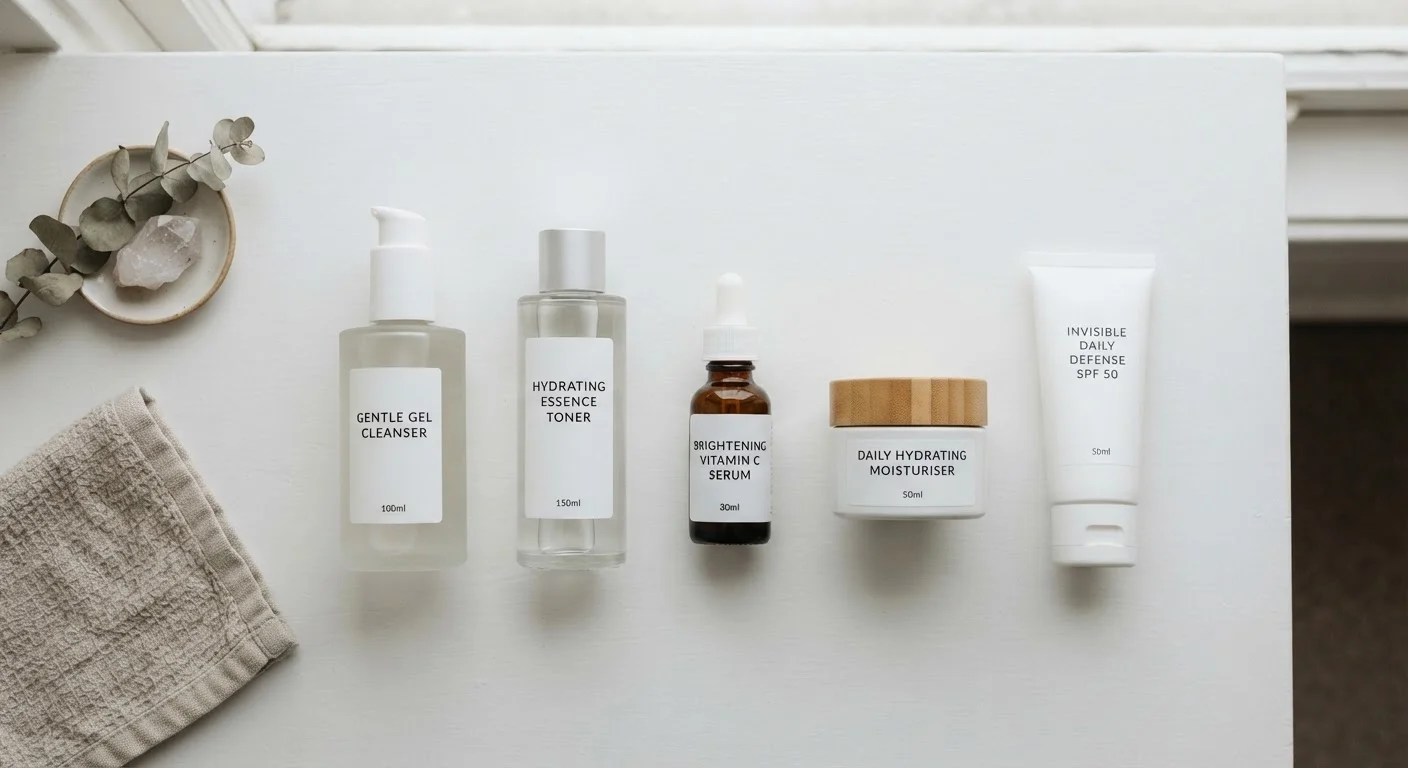
If your skin has become reactive, sensitive, or is breaking out more than usual, reducing your routine to three steps - gentle cleanser, simple moisturiser, SPF - for two to four weeks can help pinpoint whether a product is contributing to the problem. Adding products back one at a time makes it easier to identify what your skin tolerates.
See everyday beauty habits that quietly undermine healthy skin for a detailed look at the small behaviours that add up over time.
How to Support Your Skin Barrier
Supporting the skin barrier is less about adding more products and more about removing the things that stress it. A barrier-supportive routine is, by nature, a simpler one.
~28 days
Average skin cell turnover cycle
Dermatology research consistently places the stratum corneum renewal cycle at around 28 days in younger adults, slowing with age.
4.5-5.5
Healthy skin surface pH range
Research published in the International Journal of Cosmetic Science and related dermatology literature identifies this mildly acidic range as optimal for barrier function and microbiome balance.
~50%
Ceramide composition of skin lipids
Ceramides make up roughly half of the stratum corneum's lipid content, according to established dermatological literature, making them a key target for barrier-repair formulations.
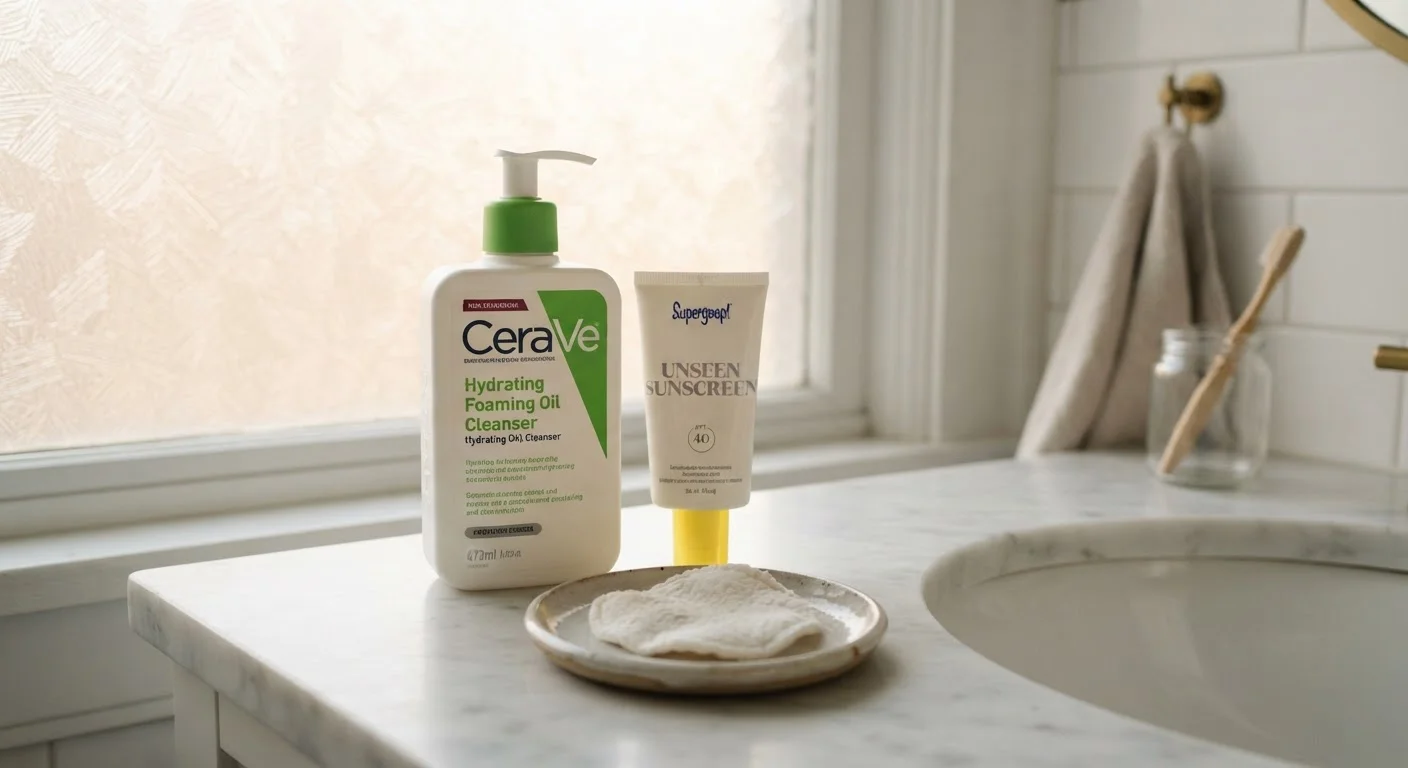
Cleanse gently, once or twice a day. Choose a low-pH, non-stripping cleanser. If your skin feels tight after washing, the cleanser may be too harsh.
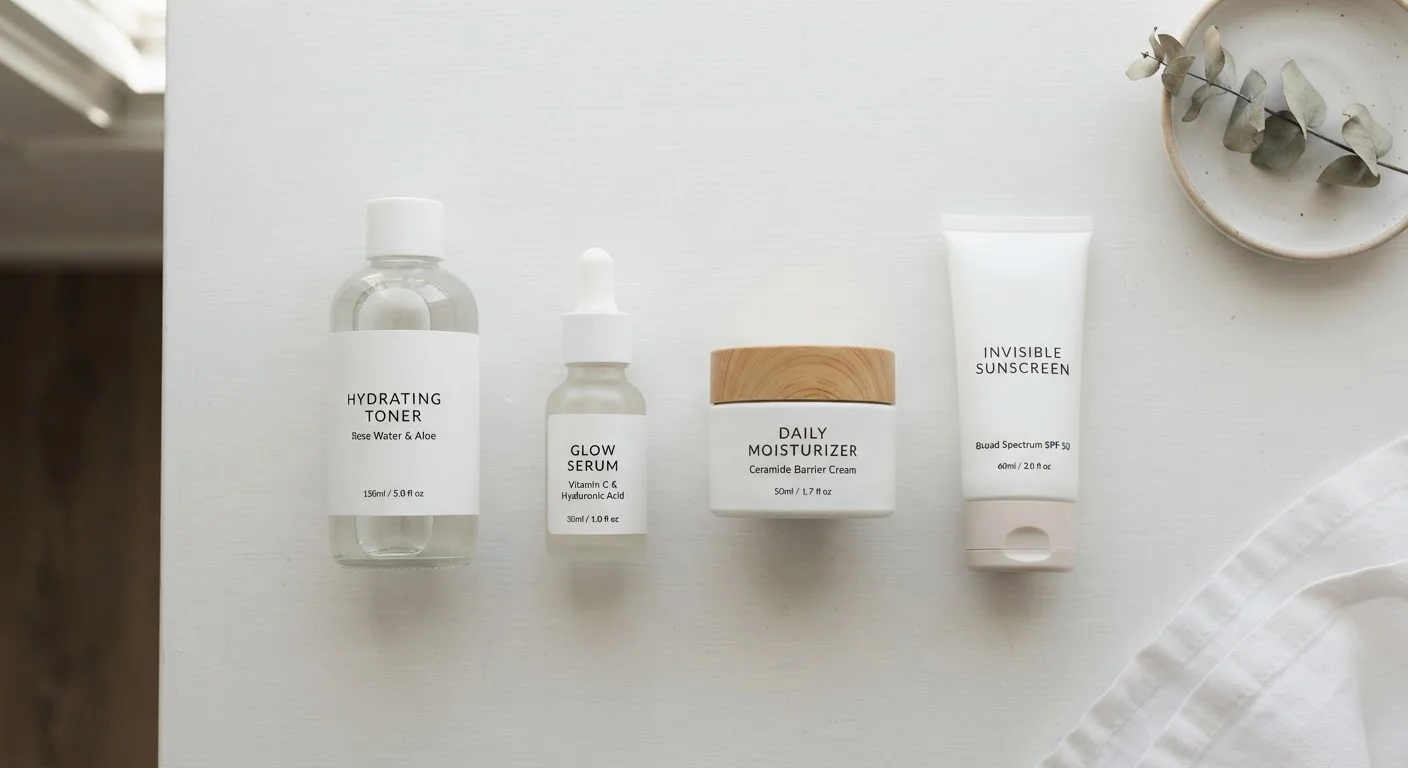
Moisturise consistently. Look for moisturisers containing ceramides, glycerin, and fatty acids - ingredients that directly replenish the lipid matrix. Apply while skin is still slightly damp to support absorption.
Use SPF daily. UV radiation is one of the most consistent sources of barrier and cellular damage. Broad-spectrum SPF is a non-negotiable baseline, not an optional step.
Pause actives when your skin is stressed. If your skin is showing signs of barrier disruption, temporarily stepping back from retinoids, exfoliating acids, and vitamin C serums allows the barrier to recover before you reintroduce them gradually. Learn more about skincare layering and product order to reintroduce actives safely.
Hydration plays a supporting role. While drinking water won't directly rebuild your lipid barrier, adequate hydration supports overall skin function. For a grounded look at what hydration actually does, see our article on hydration and skin health.
“The skin barrier is not a luxury concern - it is the foundation on which every other aspect of skin health depends. When it is compromised, almost every other skin condition becomes harder to manage.”
— Dr. Peter Elias, Dermatologist and skin barrier researcher, University of California San Francisco
This article is for informational purposes only and is not medical advice. If you have persistent skin concerns, consult a qualified dermatologist or healthcare professional.