
Why Hydration and Skin Health Get Conflated
Few wellness claims circulate more freely than "drink more water for glowing skin." The idea is appealing in its simplicity: one habit, one clear reward. But the relationship between hydration and skin health is more layered than that framing suggests - and understanding where the evidence actually lands helps you build habits that work rather than chasing results that aren't achievable through water alone.
Skin has its own hydration system, governed largely by the skin barrier - the outermost layer of skin that regulates water loss. For a closer look at how this system works, see our explainer on the skin barrier. Internal and topical hydration both play a role, but they operate through different mechanisms. Conflating them leads to oversimplified advice that can leave people frustrated when results don't follow.
Myth
Drinking eight glasses of water a day will give you clear, glowing skin.
Fact
There is no strong clinical evidence that drinking water above adequate hydration levels improves skin clarity or appearance in healthy individuals.
The "eight glasses a day" rule is a popular guideline rather than a figure rooted in rigorous research. While severe dehydration can make skin look dull and feel tight, studies have not consistently shown that increasing water intake beyond what your body needs produces visible improvements in skin texture or tone. The skin barrier - not the volume of water you drink - is the primary regulator of surface moisture. Internal hydration contributes to overall cell function, but the skin's appearance is influenced by many other factors including genetics, environment, and topical care.
Myth
If your skin is dry or flaky, you just need to drink more water.
Fact
Dry skin is primarily a barrier function issue, not a sign that you need to drink more fluids.
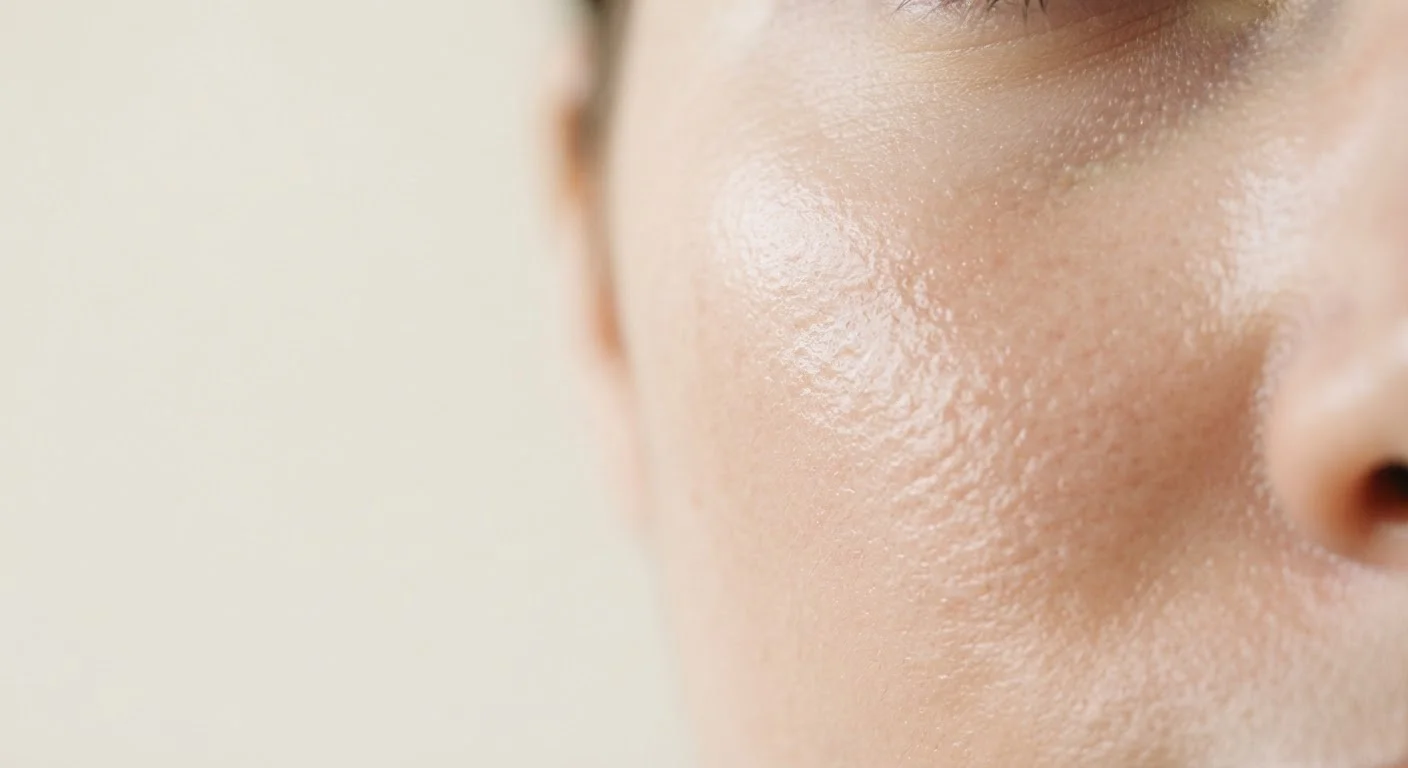
Dryness at the skin surface results from transepidermal water loss (TEWL) - water evaporating through the skin's outer layers faster than it can be retained. This process is governed by the integrity of your skin barrier, which can be disrupted by over-cleansing, harsh ingredients, low humidity, or certain skin conditions. Drinking additional water does not meaningfully address TEWL. Topical approaches - including moisturizers with humectants like glycerin or hyaluronic acid, and occlusives that reduce evaporation - are far more directly effective for surface dryness.
Myth
Caffeinated drinks dehydrate your skin and should be avoided for skin health.
Fact
Moderate caffeine intake does not cause dehydration significant enough to affect skin health in most people.
Caffeine has a mild diuretic effect, but research suggests that moderate consumption - commonly cited as up to around 400 mg per day for healthy adults - does not result in a net fluid loss substantial enough to impair hydration. Coffee and tea also contribute to daily fluid intake. While very high caffeine consumption could theoretically tip the balance, moderate drinking of caffeinated beverages is not a meaningful driver of skin dehydration for most people. For a fuller look at common hydration habits, see where daily hydration often goes off track.
Myth
Expensive hydrating serums deliver water deep into the skin's living layers.
Fact
Topical products hydrate the outermost dead skin cell layer; they cannot penetrate into living skin layers in the way some marketing implies.
The stratum corneum - the outermost layer of the skin - is composed of dead cells and is where most topical hydration work happens. Products containing humectants attract water to this layer, temporarily improving its feel and appearance. Regulatory frameworks in the US generally do not permit cosmetics to claim they alter the structure of living skin tissue; products that do so would be classified as drugs. This means that claims about serums "deeply replenishing" living skin layers are often marketing language rather than established fact. Effective topical hydration is real, but it operates at the surface level - and that is still genuinely useful.
Building Skin-Supportive Habits That Actually Help
Once you separate fact from oversimplification, the practical picture becomes clearer. Staying adequately hydrated throughout the day is genuinely good for your body - including your skin - but "adequate" is the operative word. For most people, consistent moderate intake, adjusted for activity and climate, is the goal. Chasing high daily water targets beyond your body's needs is unlikely to produce visible skin benefits.
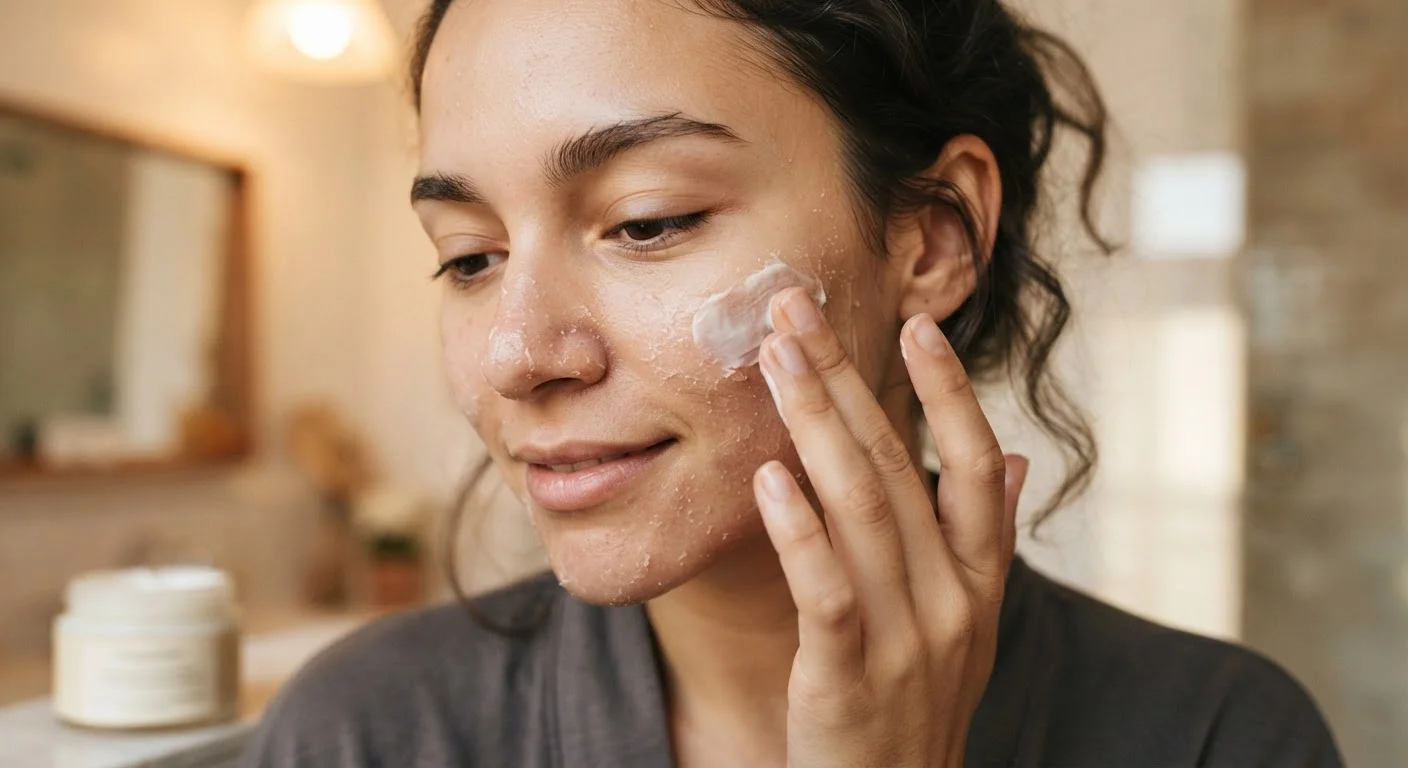
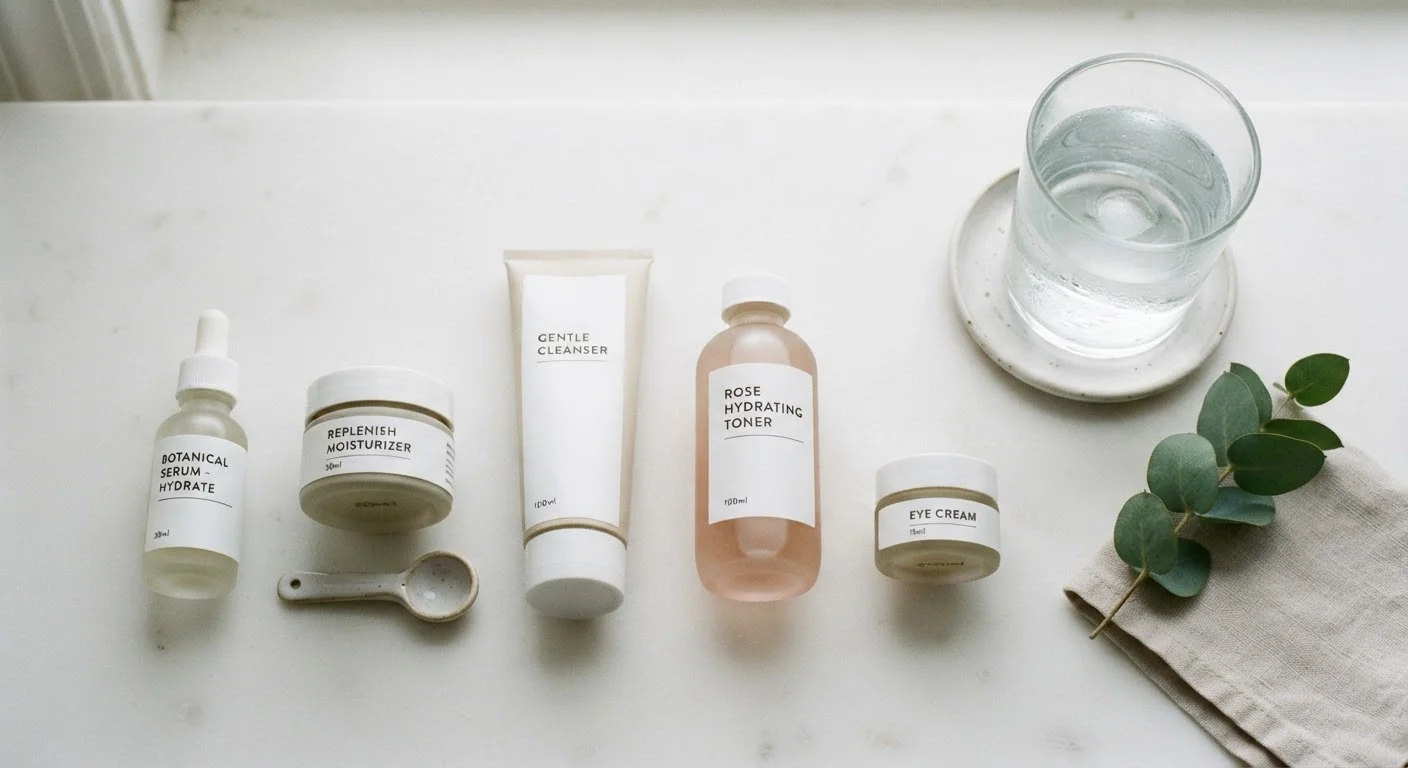
On the topical side, supporting your skin barrier is where routine changes tend to pay off. Applying moisturizer to slightly damp skin helps trap surface moisture. Ingredients like humectants (which draw water to the skin) and occlusives (which seal it in) work together to maintain hydration at the skin surface - a process water intake alone cannot replicate. If your skin still feels tight or dry despite moisturizing, routine missteps may be undermining your efforts.
Over-Hydrating Carries Its Own Risks
Drinking very large amounts of water in a short period - well beyond what thirst and activity demand - can dilute sodium levels in the blood, a condition called hyponatremia. This is uncommon in everyday contexts but is a reminder that "more is always better" does not apply to water intake. Follow general guidance appropriate to your activity level and consult a healthcare professional if you have specific concerns about fluid needs.
Lifestyle factors also interact with skin appearance in ways that are easy to overlook. Sleep quality, stress levels, and small daily habits all contribute to how your skin looks and behaves over time. For a structured view of how each skincare step fits together, this routine breakdown offers useful context.
This article is for general informational and educational purposes only and is not a substitute for medical or dermatological advice. If you have concerns about your skin health, consult a qualified healthcare professional.