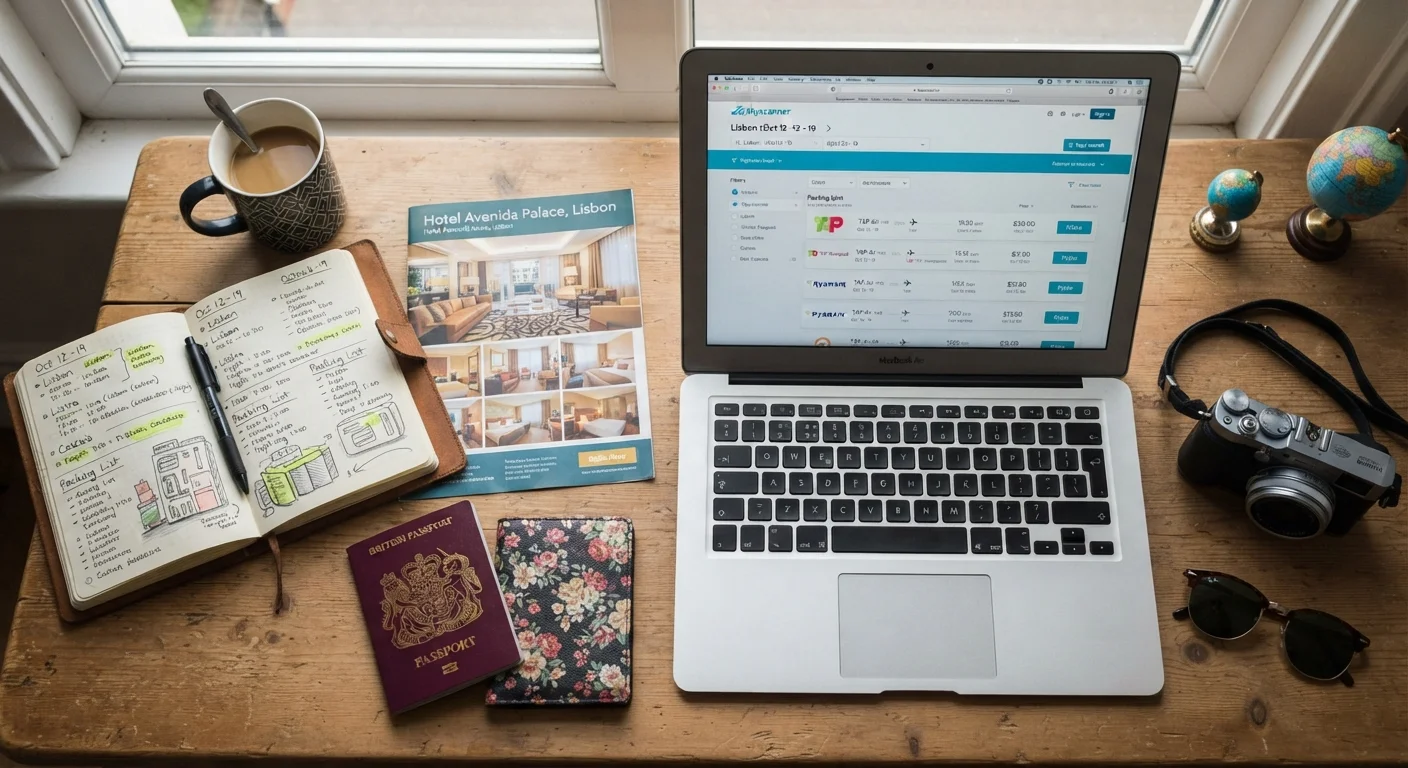


Why Most Travel Budgets Fail Before the Trip Starts
The most common budgeting mistake isn't overspending at the destination - it's under-researching before the booking stage. Travelers typically account for flights and accommodation, then treat everything else as a vague 'spending money' category. That gap between vague intention and actual daily costs is where budgets collapse.
A well-built travel budget doesn't just tell you what a trip costs - it tells you whether you can afford it now, how long you need to save, and which trade-offs to make before you're locked into bookings. It's a decision-making tool, not an afterthought. The common trip-planning beliefs that don't hold up in practice often contribute to this problem, with travelers anchoring on oversimplified cost guidance found online.
What you will need
Work through the steps below in order. Each builds on the previous one, and skipping ahead - particularly to the booking stage - is the single habit most likely to leave you financially stretched mid-trip.
Budget Before You Commit to Any Booking
Many travelers lock in flights or accommodation before they have a clear picture of total trip costs. Once major bookings are made, you're psychologically committed - and more likely to overspend on everything else. Complete your full budget estimate first, then book in an informed sequence. See how booking order affects total costs for more on sequencing decisions.
Step-by-Step: Building Your Budget
The following steps move from the broad parameters of your trip down to the line items most travelers miss. Take notes as you go - the goal is a single document that captures every anticipated cost in one place.
Budget spreadsheet (e.g., Google Sheets)
Track estimated and actual costs across every spending category in one place.
Flight aggregator (e.g., a search engine that compares routes)
Research realistic flight price ranges for your route and travel dates.
Accommodation search platform
Benchmark nightly rates across hotel, hostel, and rental options at your destination.
Currency conversion tool
Convert local prices into USD so all budget figures are in a single currency.
Destination travel forums or recent traveler communities
Gather real-world daily spending data from people who have recently visited your destination.
Define Your Trip Parameters
Before you can estimate costs, you need to pin down the basics: destination, travel window, trip length, and the number of travelers. These variables directly determine every figure in your budget. A 10-day trip to a high-cost destination like Iceland looks fundamentally different from a 10-day trip to Southeast Asia - even before you factor in travel style.
If you're still choosing between destinations, build a rough budget for each option. Cost differences between destinations are often the deciding factor. For destination-specific planning considerations, see what visitors should know before planning an Iceland trip.
Research Flight Costs Honestly
Search your route across multiple date combinations to get a realistic price range - not just a single quoted fare. Note the lowest, median, and high-end figures you see. Budget for the median, not the lowest price you spot, which may reflect unusual routing, inconvenient layovers, or a fleeting availability window.
Factor in baggage fees, seat selection charges, and any airport transfer costs at both ends. These additions can meaningfully increase what initially appears to be an affordable fare. Common travel myths about booking windows and fares often lead people to anchor on unrealistic price expectations.
Estimate Accommodation Costs Per Night
Search your destination for the dates you're considering and note the realistic nightly rate for your preferred accommodation type - not the cheapest room available, but a representative option you'd actually choose. Multiply by the number of nights, then add any taxes and fees that appear at checkout, which are frequently omitted from headline prices.
If your trip spans multiple cities or regions, repeat this for each location. Don't assume one city's rates apply across an entire country.
Build a Daily Spending Estimate
This is the category most travelers underestimate. Your daily spend covers meals, local transportation, activities, entrance fees, tips, and incidentals. Research what a realistic day costs at your destination by consulting recent traveler accounts and destination-specific resources - not just tourism board figures, which tend to be optimistic.
Break it into sub-categories: food and drink, local transport (buses, taxis, metro), paid attractions, and a miscellaneous line for things you can't predict. Multiply your daily total by the number of trip days, then review it critically. If the number feels low, it probably is.
Add the Expenses Most Travelers Forget
A complete travel budget includes several line items that routinely get omitted until they appear on a credit card statement. Work through this list deliberately:
- Travel insurance - price a policy for your trip length and destination
- Visa and entry fees - verify current requirements with official government sources before assuming free entry
- Vaccinations or health preparation - consult a healthcare provider well in advance for destination-specific guidance
- Airport meals and transit costs - layover food and ground transport on travel days add up
- Currency exchange or international transaction fees - understand the costs your payment method carries abroad (see travel debit card vs. foreign currency cash)
- Souvenirs and shopping - assign a honest figure rather than leaving this blank
- Pre-departure costs - new luggage, travel gear, or prescriptions needed before you leave
Add a Contingency Buffer and Set Your Total
Add all categories together, then increase that figure by 10-15% as a contingency buffer. This isn't pessimism - it's standard practice. Prices shift, plans change, and unexpected costs appear on every trip. A buffer keeps these surprises from forcing difficult decisions mid-trip.
Once you have your total, compare it honestly against what you can realistically set aside before your travel dates. If the gap is significant, you have clear options: adjust the destination, shorten the trip, or extend your savings timeline. This is the point where a realistic budget becomes genuinely useful - it turns an abstract plan into a concrete financial decision.
For further planning once your budget is set, the end-to-end trip planning playbook walks through every subsequent stage.
Use a Simple Spreadsheet From Day One
A basic spreadsheet with columns for category, estimated cost, and actual cost makes it easy to track how your budget evolves from planning through to the trip itself. You don't need specialized software - a shared document works well for group travel too, keeping everyone aligned on spending expectations before departure.
Don't Rely Solely on Travel Blog Cost Estimates
Costs shared in travel blogs and forum posts are often outdated, reflect a specific travel style, or omit expenses the writer didn't personally encounter. Use them as a starting point only. Always cross-check against current booking platforms, official tourism resources, and recent traveler reports before finalizing any budget figures.
Once your budget is finalized and your savings plan is in place, your next focus should be building a solid pre-departure routine. The smart traveler's pre-departure checklist covers the practical steps that prevent avoidable headaches before and after you leave. And when you're ready to structure the trip itself, the anatomy of a well-built travel itinerary explains how each planning component fits together.