
Why Iceland Requires a Different Kind of Planning
Iceland consistently tops bucket-list rankings, and the scenery - glaciers, geysers, volcanic landscapes, the Northern Lights - genuinely delivers. But travelers who arrive without understanding the destination's logistical realities frequently find themselves surprised by costs, weather disruptions, or access limitations that no Instagram post prepared them for.
This checklist exists to close that gap. It covers the practical considerations that separate a smooth Iceland trip from a frustrating one - not to discourage you, but to help you go in clear-eyed. For a broader look at how online travel research can mislead, see what the internet commonly gets wrong about trip planning.
Timing and Seasonal Realities
Transportation and Driving
Accommodation and Booking Lead Time
Budget and Costs
Safety and Emergency Preparedness
What to Gather Before You Start Booking
Iceland rewards preparation more than almost any other popular destination. The tools and documents you'll need span vehicle rental, weather monitoring, official road condition sources, and entry requirements. Review what you'll need below before you commit to any bookings.
Icelandic Road and Coastal Administration (road.is)
Check real-time road conditions, F-road openings, and closures before and during your trip.
Icelandic Meteorological Office (vedur.is)
Monitor weather forecasts and storm warnings specific to Icelandic conditions.
SafeTravel Iceland (safetravel.is)
Register your travel plan so rescue services know your route if you're traveling in remote areas.
112 Iceland App
Sends your GPS coordinates directly to Iceland's emergency services - a practical safety tool for rural travel.
Offline Map App (e.g., Maps.me or downloaded Google Maps region)
Navigate rural Iceland where mobile data is unreliable or unavailable.
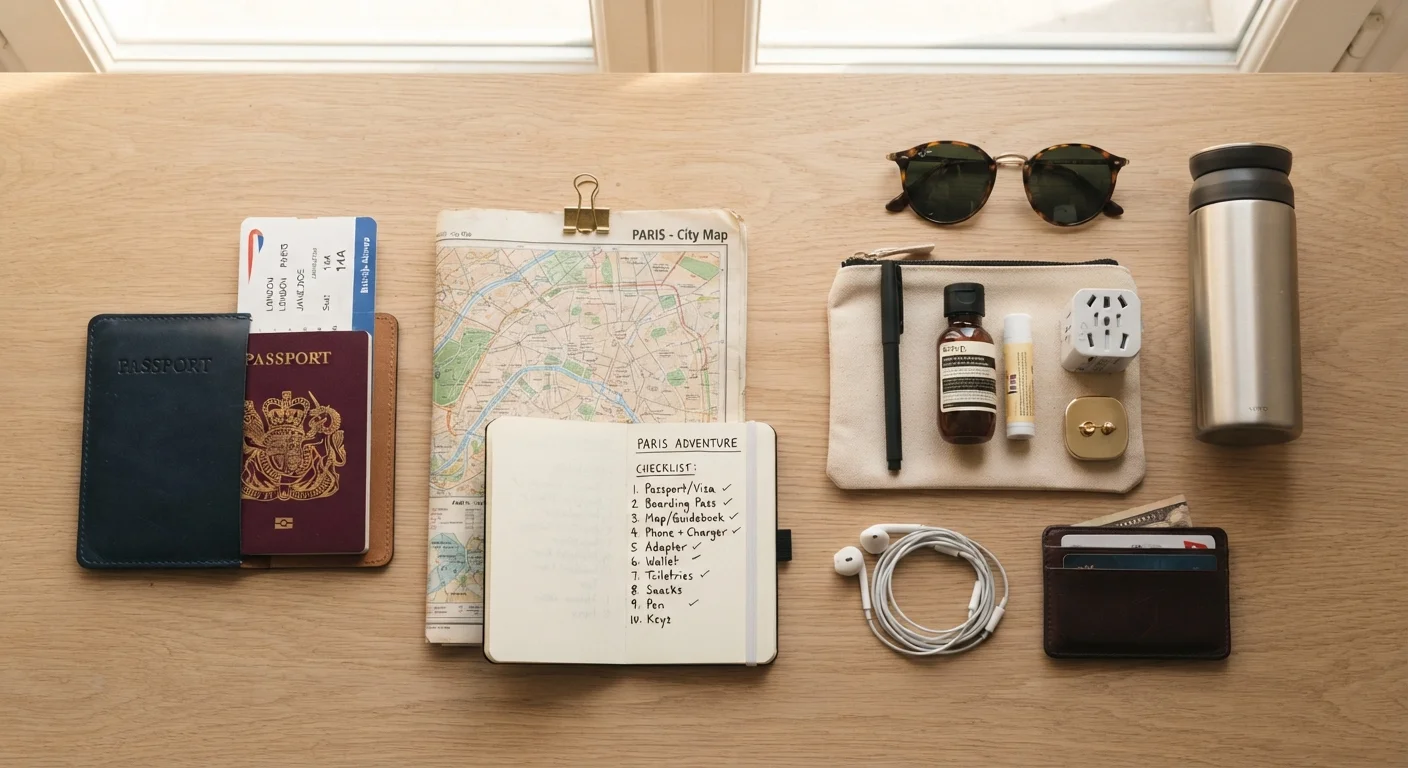
Once you have your core resources lined up, run through a full pre-departure routine - the pre-departure checklist every traveler should complete applies here and covers documents, health prep, and home logistics.
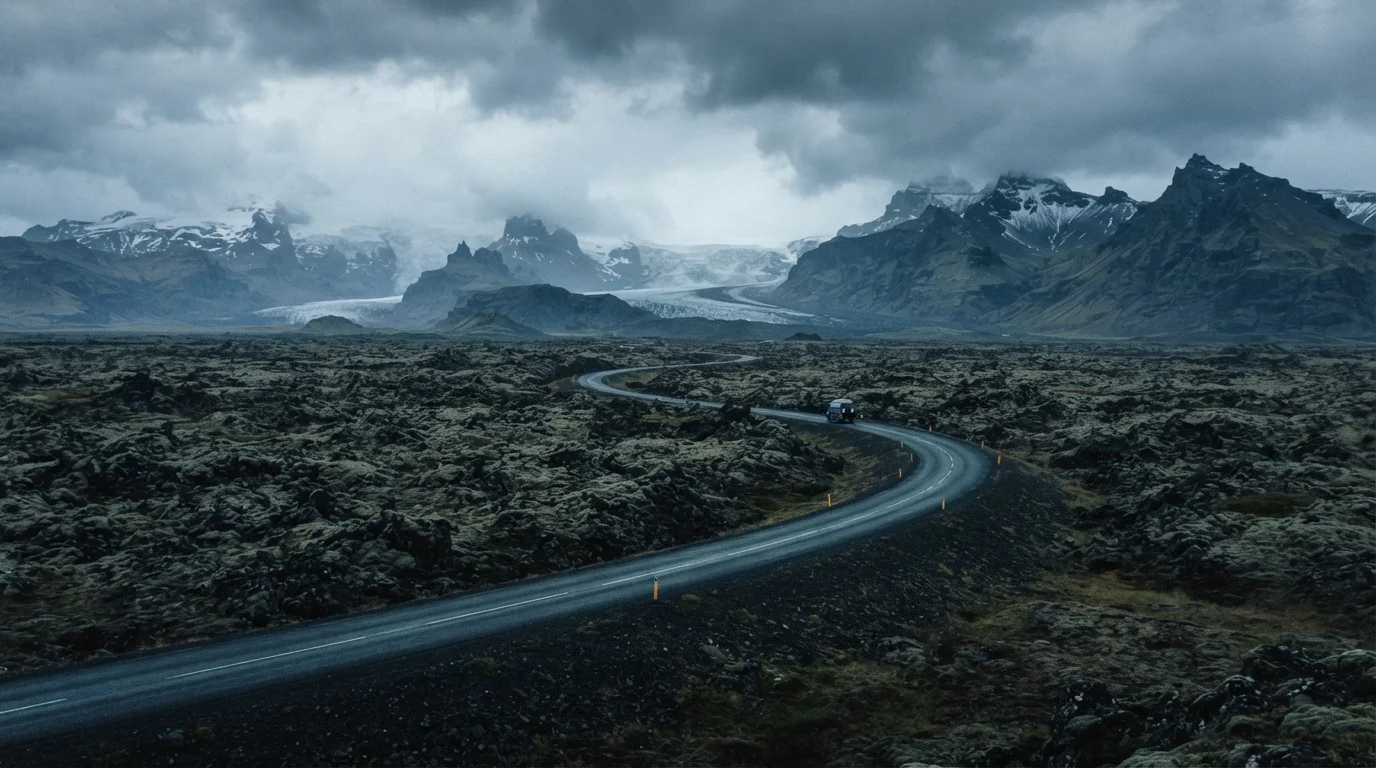
Off-Road Driving Is Illegal in Iceland
Driving off marked roads onto Iceland's moss and lava fields is prohibited by law and carries substantial fines. Icelandic vegetation, especially the slow-growing moss covering lava fields, is extremely fragile and can take decades to recover from vehicle damage. Stick to designated roads and tracks at all times, even when a shortcut looks harmless.
Weather Can Close Plans With No Notice
Severe wind warnings, blizzards, and sudden fog are routine across Iceland, especially in shoulder seasons. Activities such as glacier hikes, whale watching, and highland driving can be cancelled or become unsafe within hours. Always check the Icelandic Met Office forecast the morning of any outdoor activity - and have a contingency plan ready.
Understanding Iceland's Costs Before You Commit
Iceland regularly ranks among the most expensive countries in the world for travelers. Accommodation, fuel, groceries, and dining out carry price tags that catch many visitors off guard, particularly those benchmarking against other European destinations. A realistic Iceland budget typically needs to account for vehicle rental with gravel protection insurance, higher fuel costs for longer driving routes, and the reality that even grocery-store meals in Reykjavík are pricier than in most US cities.
For a structured approach to estimating your actual trip costs - including the expenses most people forget - building a realistic travel budget before you book walks through the full framework.
Iceland Is Significantly More Expensive Than Most Expect
Travelers who budget Iceland like a typical Western European destination routinely overspend. Vehicle rental with appropriate insurance, fuel for long driving routes, and even basic restaurant meals carry costs that add up quickly. Build a budget with deliberate padding - and verify current prices rather than relying on figures from travel blogs that may be years out of date.
Entry, Passports, and What to Verify Officially
Iceland is part of the Schengen Area, which affects visa rules, passport validity requirements, and how time spent in other Schengen countries counts against your allowable stay. US citizens traveling solely to Iceland for tourism generally don't require a visa for short stays, but passport validity requirements and Schengen entry rules can catch travelers off guard - especially those who've visited other European countries recently on the same trip.
Always verify current entry requirements through official government sources before booking. Travel rules can change, and common border-crossing assumptions that get travelers into trouble outlines exactly where people go wrong on entry requirements.
Entry requirements, visa rules, and travel advisories are subject to change. Always verify with official government and embassy sources before traveling. This article provides general informational context only.