
Why Renovation ROI Is Misunderstood
Homeowners frequently invest in renovations expecting a dollar-for-dollar - or better - return when they sell. Contractors, home improvement television, and well-meaning neighbors all contribute to inflated expectations about which projects add value. The reality, backed by annual industry data, is more nuanced: few renovations fully recoup their cost at resale, and some popular upgrades deliver surprisingly little.
This doesn't mean renovating is a poor decision. Improving your living space, maintaining your home's structural health, and modernizing outdated systems are all legitimate goals. But if resale value is your primary motivation, it's worth separating renovation fact from fiction before you commit. See also our guide for first-time homeowners for a grounded look at planning and budgeting realities.
Myth
A full kitchen remodel is the single best investment you can make before selling your home.
Fact
Major kitchen remodels typically recoup only a portion of their cost - mid-range updates tend to perform better than luxury overhauls.
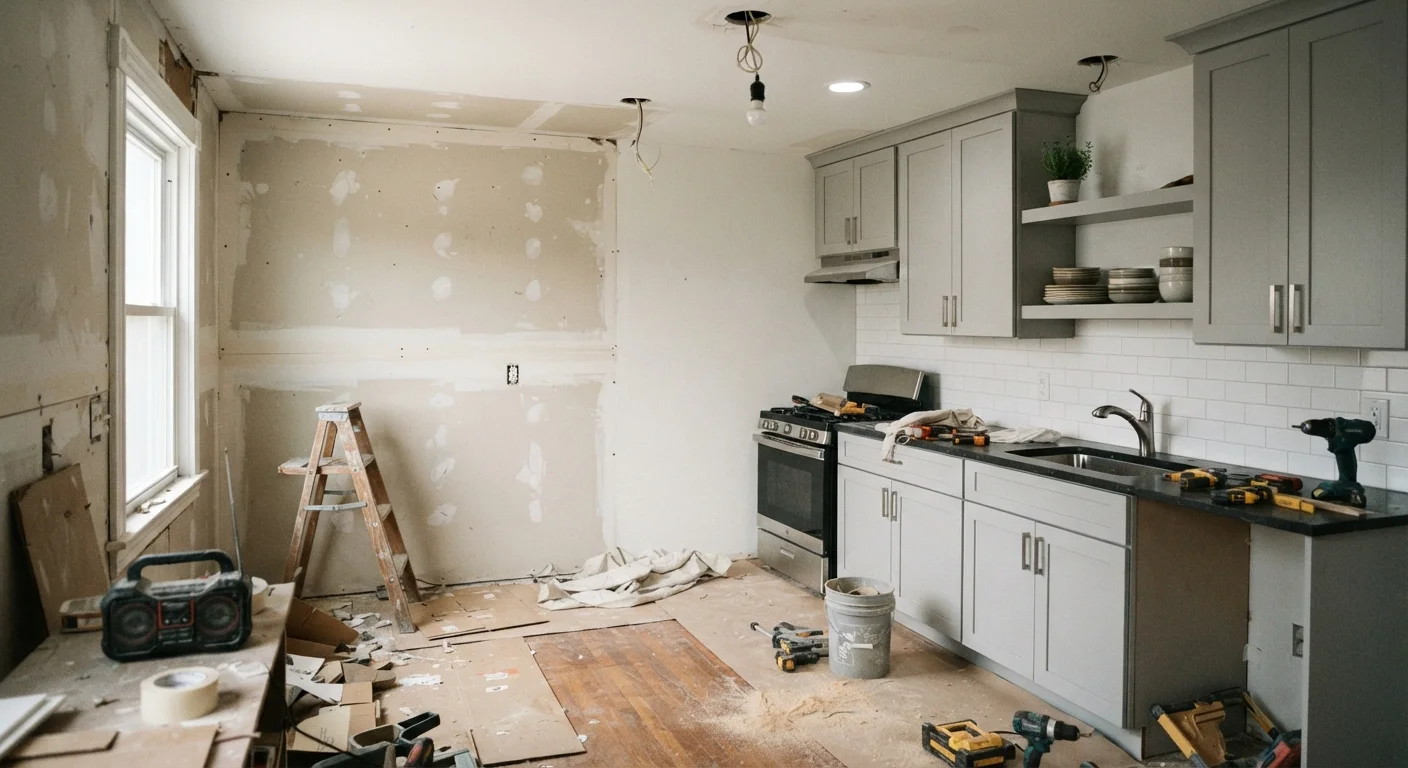
Industry surveys on renovation cost recovery - such as those published annually by the National Association of Realtors - consistently show that upscale kitchen remodels recoup a smaller percentage of their cost than mid-range ones. A complete gut renovation with custom cabinetry and premium appliances in a neighborhood of modestly priced homes can actually make your home harder to sell, since buyers won't pay beyond what comparable homes in the area support.
Myth
Adding a swimming pool will significantly increase your home's resale value.
Fact
Pools can actually deter buyers in many markets and rarely recoup installation costs at resale.
Pool preferences vary sharply by geography and buyer demographic. In cooler climates or neighborhoods where families with young children are rare, a pool may reduce your buyer pool rather than expand it. Maintenance costs, liability concerns, and insurance implications make pools a net negative for some buyers. In warm-weather markets with high buyer demand for outdoor amenities, pools may add modest value - but rarely enough to offset a new installation's full cost.
Myth
More square footage always means more value - any addition is a smart investment.
Fact
Additions that push a home above neighborhood price ceilings often can't be recouped, regardless of their quality.
Real estate appraisers use comparable sales (comps) to determine value, meaning your home is benchmarked against nearby properties of similar size and type. If your neighborhood's comparable homes sell for a fixed price ceiling, adding 600 square feet may not move your sale price proportionally - buyers in that market simply won't pay beyond what the area supports. The cost of the addition can easily exceed the value it adds.
Myth
Trendy finishes and designer touches will appeal to buyers and justify a higher price.
Fact
Highly personalized or trend-driven design choices can narrow buyer appeal and complicate sales.
Design trends cycle quickly, and what feels current at the time of renovation may feel dated within a few years. Buyers often discount homes with very specific aesthetic choices - bold color palettes, themed rooms, or niche materials - because they factor in the cost of undoing those choices. Neutral, timeless finishes tend to perform more consistently across buyer demographics and over longer selling timelines.
Myth
Any renovation pays for itself because homes always appreciate over time.
Fact
Home appreciation and renovation ROI are separate dynamics - one doesn't guarantee the other.
General home price appreciation is driven by market forces: interest rates, local demand, inventory, and economic conditions. A home can rise in value in a strong market regardless of whether renovations were done - and conversely, an over-improved home in a stagnant market may still disappoint at sale. Treating appreciation as a guaranteed backstop for renovation spending can lead to over-investment relative to what a local market will actually reward.
What Actually Moves the Needle at Resale
Evidence consistently points to a handful of renovation categories that tend to perform better than others on resale return - not because they're glamorous, but because buyers across most markets prioritize function, condition, and first impressions.
~69%
Average cost recouped: mid-range bathroom remodel
According to Remodeling Magazine's Cost vs. Value report, mid-range bathroom remodels have historically recouped around 69% of project cost at resale on a national average.
~4%
Estimated value added by curb appeal improvements
Research cited by the National Association of Realtors suggests strong curb appeal can increase perceived home value by roughly 4%, often at far lower cost than interior remodels.
<60%
Cost recovery: major upscale kitchen remodel
Remodeling Magazine's Cost vs. Value data shows upscale kitchen remodels have typically recouped less than 60% of their cost nationally in recent reporting cycles.
Entry-point improvements - fresh exterior paint, a new front door, landscaping cleanup - can meaningfully influence a buyer's first impression and perceived value at relatively low cost. Mechanical and systems upgrades (HVAC, roofing, updated electrical panels) often don't generate excitement, but they remove buyer objections and can prevent price reductions during negotiation.
Kitchen and bathroom updates do tend to add value, but the key word is updates, not overhauls. Mid-range refreshes - replacing worn countertops, re-facing cabinets, updating fixtures - typically perform better than full gut renovations in terms of cost recovery. Going premium in a mid-market home rarely pays off.
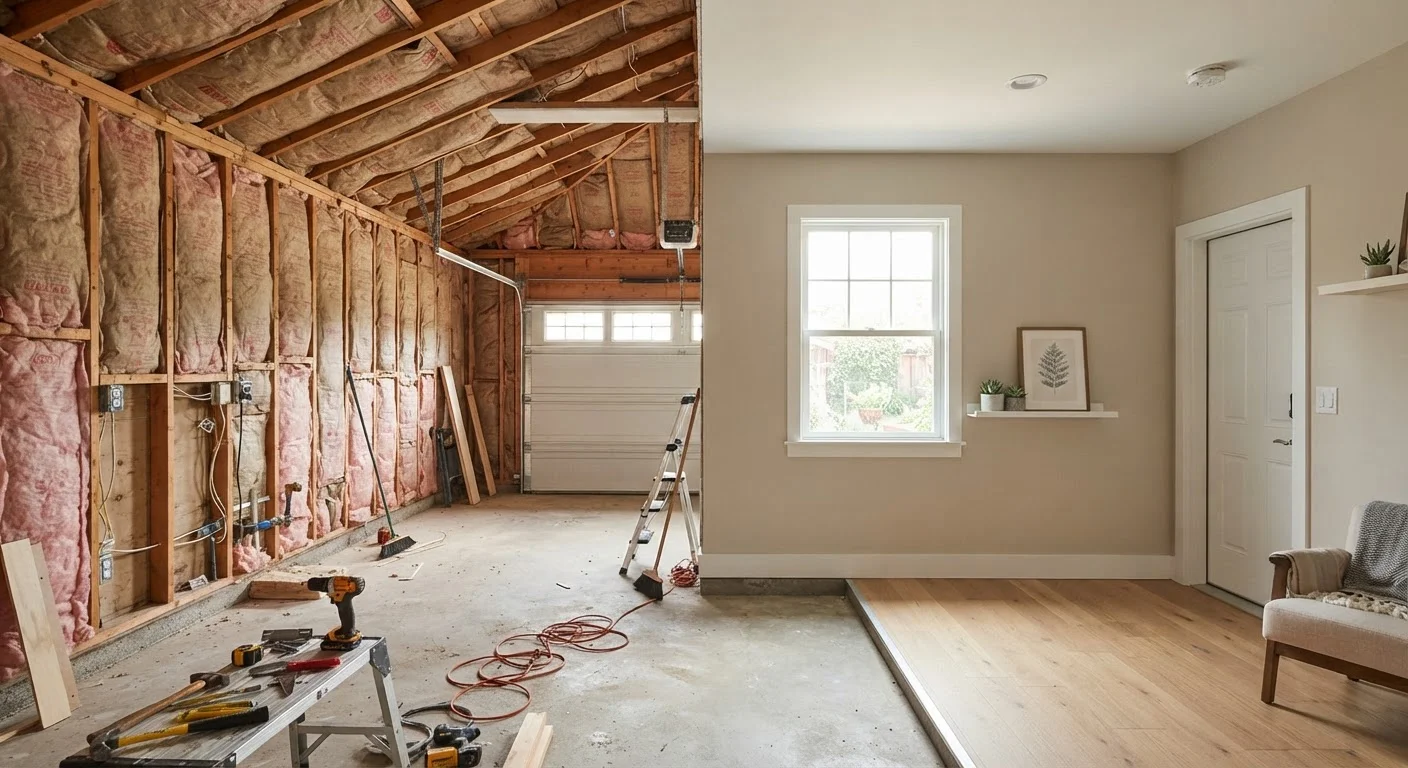
For anyone weighing a garage conversion specifically, the trade-offs go beyond dollar returns. Our article on the real trade-offs of converting a garage covers the code, cost, and buyer-perception considerations worth understanding first.
Don't Over-Improve for Your Neighborhood
One of the most consistent findings in real estate data is that homes are effectively capped in value by what comparable nearby properties sell for. Investing heavily in upgrades that push your home's quality far above neighborhood norms is unlikely to be rewarded at sale. Before committing to a major renovation, research recent comparable sales in your immediate area and consult a local real estate professional to understand realistic price ceilings.
Renovating With Clear Eyes
The most common renovation mistake isn't a bad tile choice - it's misaligned expectations. Homeowners who renovate primarily for their own enjoyment and comfort, and treat any resale gain as a bonus, tend to make more balanced decisions than those chasing a projected return that may never materialize.
Before starting any significant project, ask: Would I do this if I weren't planning to sell? If the answer is no, scrutinize the projected return carefully. Industry estimates of renovation cost recovery are averages across large geographic samples - your specific neighborhood, local market conditions, and comparable home prices will shape what buyers will actually pay.
This article is for general informational purposes only and does not constitute financial or real estate advice. Consult a licensed real estate professional for guidance specific to your property and local market.