
Why Morning and Night Skin Needs Are Genuinely Different
Skin isn't passive. It responds to the time of day in ways tied to your body's circadian rhythm - the internal clock governing sleep, hormone cycles, and cellular activity. Understanding this rhythm is the foundation of any effective routine.
During daylight hours, your skin shifts into a defensive posture. Sebum production tends to be higher, the skin barrier is more active against external threats, and the focus is on limiting damage from UV radiation, pollution, and oxidative stress. Your AM routine should work with this mode, not against it.
At night, the dynamic reverses. Cortisol levels drop, blood flow to the skin increases, and cell turnover accelerates - a process where old skin cells are shed and new ones generated. This is when your skin is most receptive to repair-focused ingredients. It's also when transepidermal water loss (the gradual evaporation of moisture through the skin's surface) is typically higher, making targeted hydration especially valuable. For a broader look at how these biological patterns shape daily habits, see how morning and evening anchors differ in effect.
What Belongs in Your AM Routine
Morning routines don't need to be elaborate. Their core purpose is protection, and a few well-chosen steps cover that effectively.
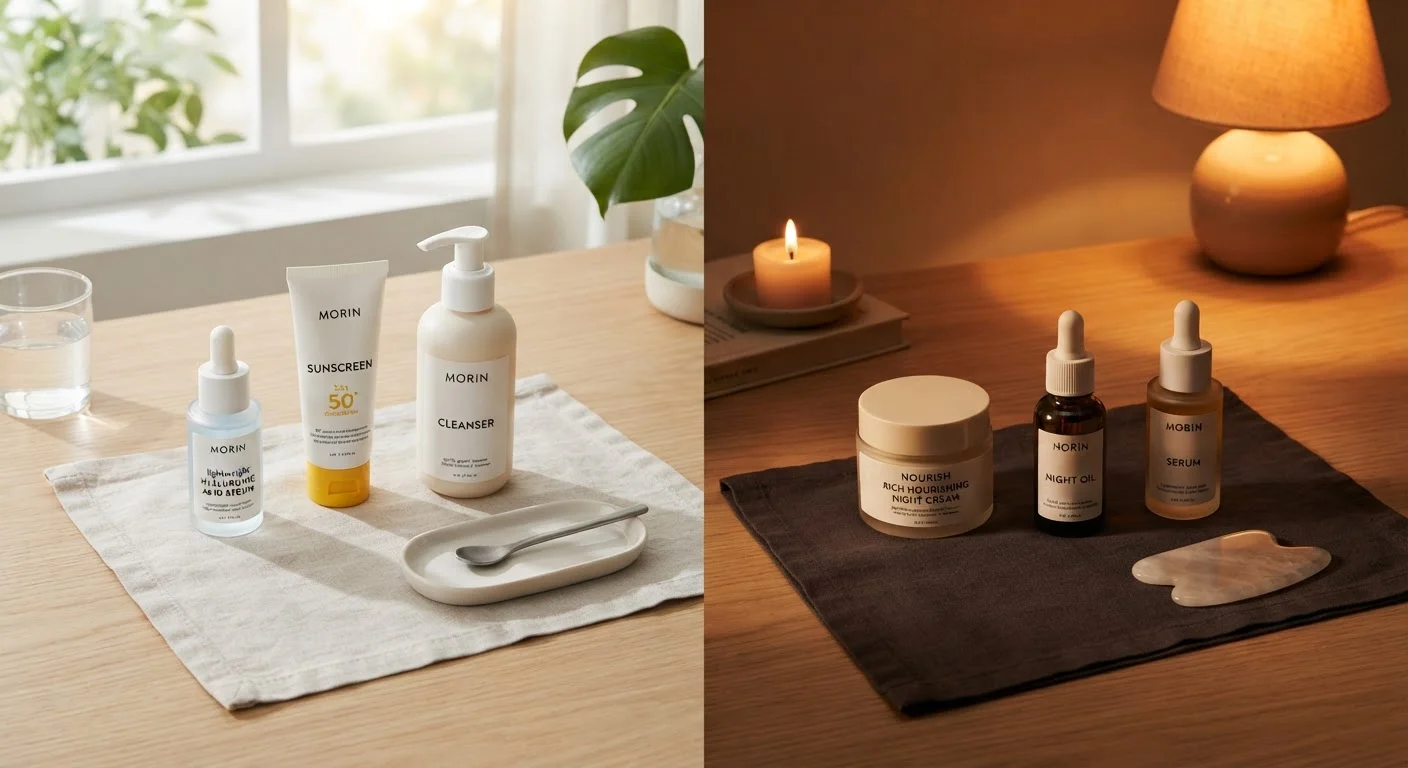
| Criterion | AM Routine | PM Routine |
|---|---|---|
| Primary goal | Protection from UV and pollution | Repair, renewal, and hydration |
| Sunscreen | Essential - SPF 30+ required | Not needed or appropriate |
| Retinoids / exfoliating acids | Avoid - increases UV sensitivity | Ideal time to use them |
| Moisturizer texture | Light, non-greasy formulas | Richer creams or occlusives |
| Antioxidant serums | Strongly recommended (e.g., vitamin C) | Optional - peptides or niacinamide preferred |
| Cleansing intensity | Light rinse or gentle cleanser | Thorough - remove SPF and makeup |
| Skin receptivity | Barrier-focused, defensive mode | Higher cell turnover, more absorptive |
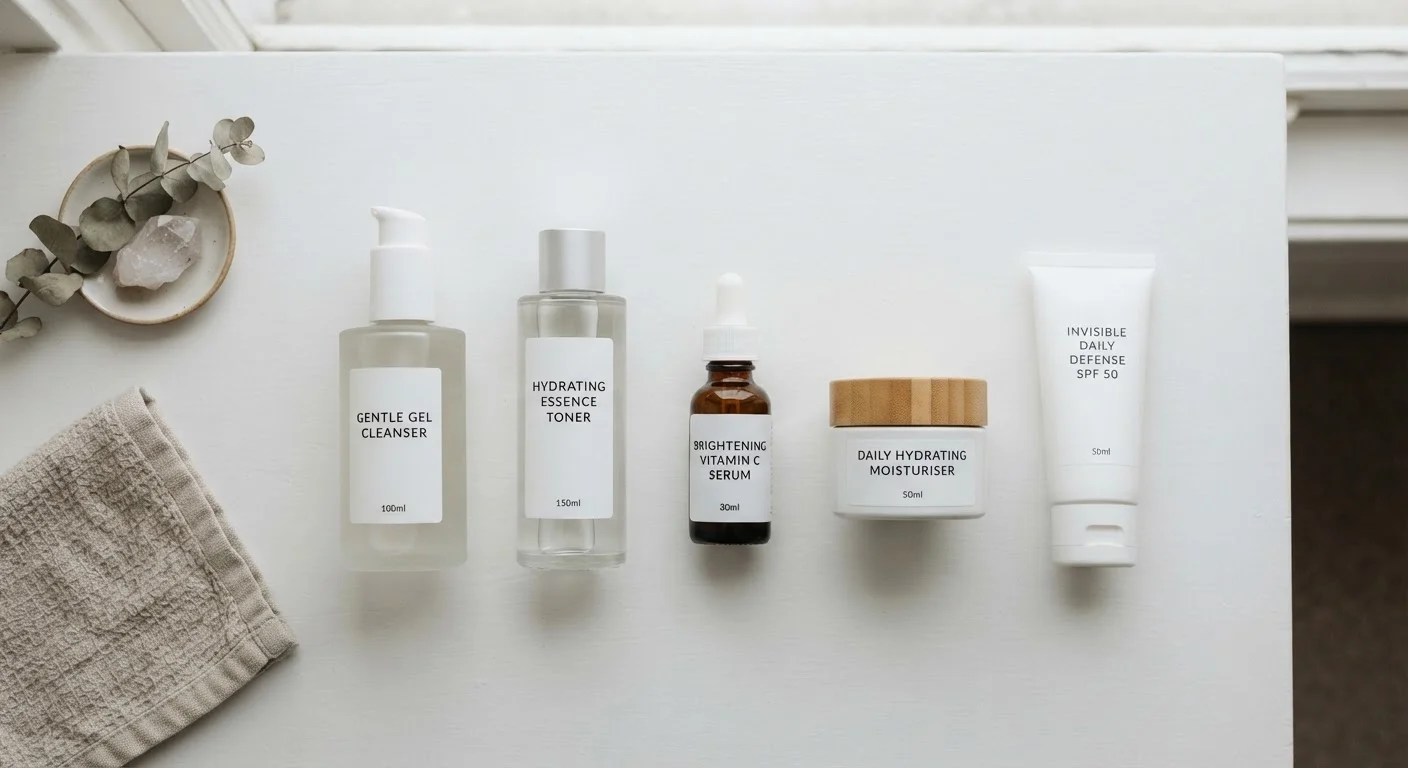
- Gentle cleanse (optional): If you applied oils or heavy creams the night before, a light rinse or gentle cleanser clears residue. Many people with normal-to-dry skin do fine with water only in the morning.
- Antioxidant serum: Vitamin C is the most studied option for neutralizing free radicals generated by UV and pollution. Apply before SPF for best effect.
- Moisturizer: Lightweight and non-comedogenic for most skin types. This also primes the skin surface before sunscreen.
- Sunscreen - always: SPF is the non-negotiable anchor of every AM routine. Broad-spectrum SPF 30 or higher is the general guidance from dermatologists. No other step compensates for skipping this one.
Notably absent from mornings: retinoids, AHAs, BHAs, and other exfoliating actives. These increase photosensitivity and are better reserved for evening use. To understand what each of these steps actually accomplishes, the anatomy of a skincare routine explains the role each layer plays.
What Belongs in Your PM Routine
Evening routines have more latitude - and more responsibility. Without the time pressure of a morning, you can apply products more deliberately, layer them properly, and let actives do their work undisturbed.
~11 PM-4 AM
Peak window for skin cell renewal
Research on circadian skin biology suggests cell mitosis - the division producing new skin cells - peaks in the late-night to early-morning hours during sleep.
Up to 25%
Higher transepidermal water loss at night
Studies in chronobiology indicate skin loses more moisture through evaporation during nighttime hours, reinforcing the value of an occlusive evening moisturizer.
- Double cleanse (if needed): If you wear sunscreen or makeup, an oil-based cleanser followed by a water-based cleanser ensures a thorough clean without stripping the barrier. This matters because actives applied to uncleaned skin are less effective.
- Exfoliating acids or retinoids: AHAs (like glycolic acid), BHAs (like salicylic acid), and retinoids are the workhorses of an evening routine. They accelerate cell turnover and address texture, tone, and fine lines - but should not be used simultaneously without professional guidance, as irritation risk rises.
- Targeted serums: Hyaluronic acid, peptides, and niacinamide all work well at night. Apply thinner serums before thicker ones.
- Richer moisturizer or occlusive: Heavier creams and facial oils help seal in moisture during the overnight hours when water loss is elevated. This is where you can use formulas too rich for daytime wear.
For a practical, no-overwhelm approach to structuring these steps, building a low-effort evening routine walks through exactly how to keep it manageable.
This article provides general skincare education and is not a substitute for advice from a qualified dermatologist or healthcare professional. If you have a skin condition or are pregnant, consult a professional before introducing new active ingredients.