
What a Minimal Makeup Routine Actually Means
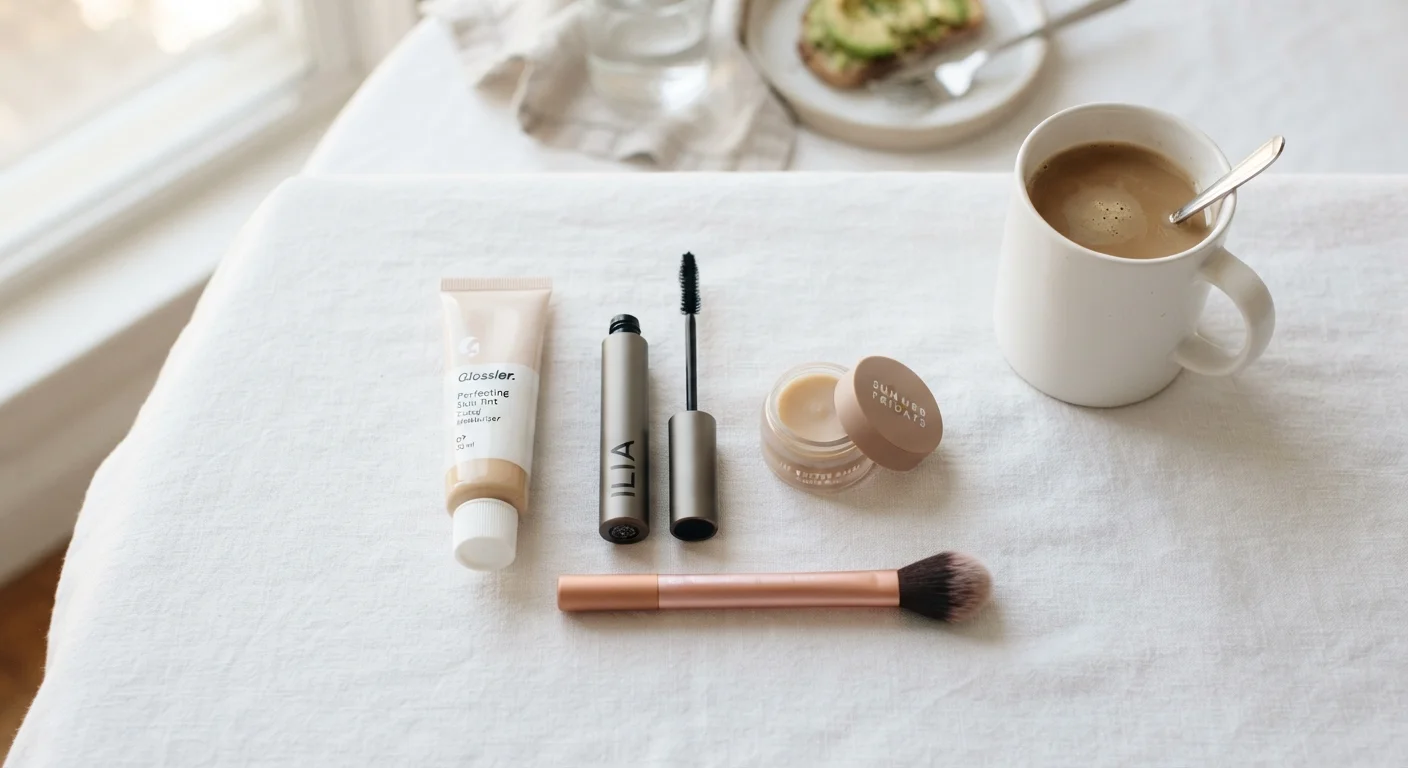
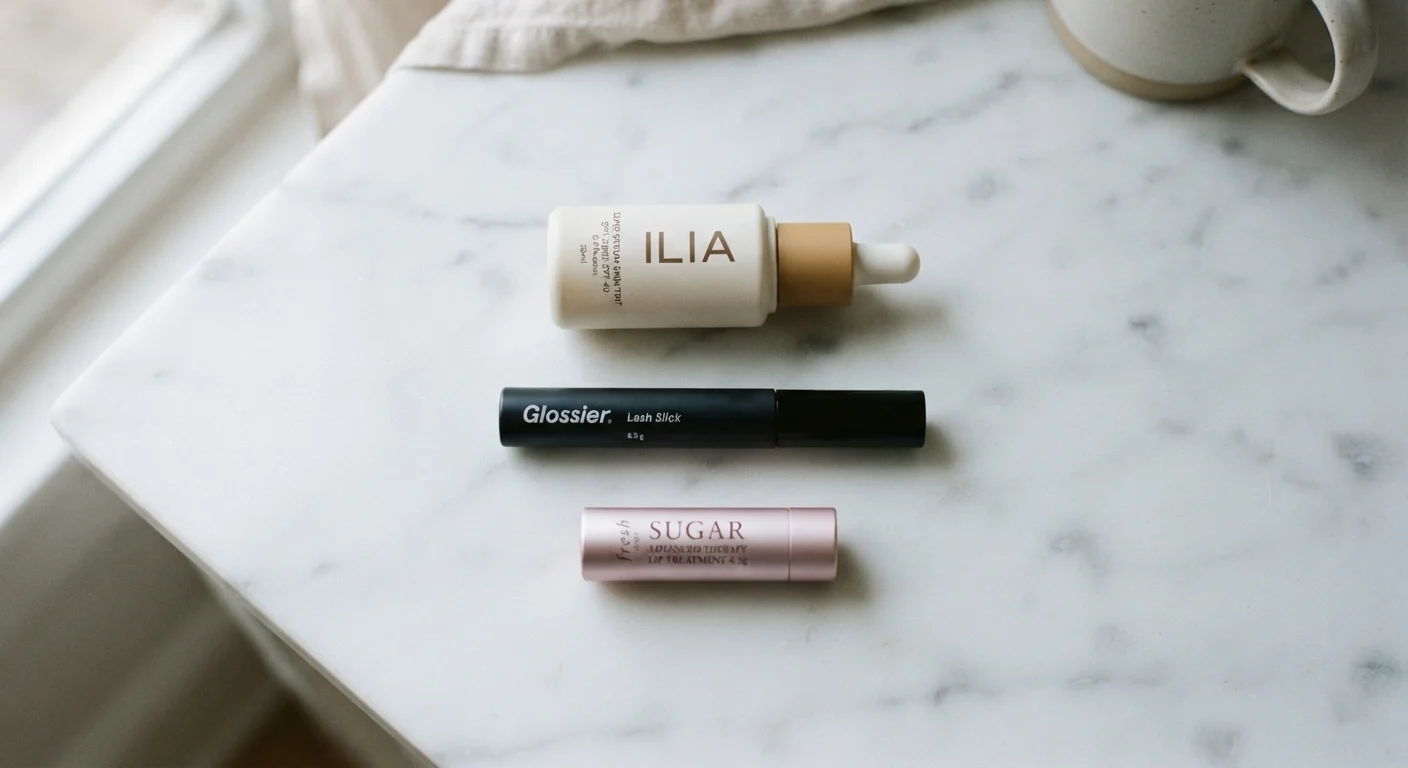
A minimal makeup routine typically means working with a small, intentional set of products - often somewhere between three and six - that address your most important priorities. That might look like a tinted moisturizer with SPF, a coat of mascara, and a tinted lip balm. Or it could mean a light concealer, a brow gel, and a sheer blush. The exact lineup varies by person; the defining feature is that nothing is included by habit or obligation alone.
This approach sits at the opposite end of a spectrum from full-coverage, multi-step routines. It's not about doing less for its own sake - it's about identifying what actually earns its place in your morning and committing to that consistently. As covered in our guide to everyday makeup looks, even a five-minute face can be polished and intentional when the steps behind it are well-chosen.
The Pros: Why Simpler Often Wins
The strongest argument for minimal makeup isn't aesthetic - it's behavioral. A routine that takes four minutes is one you'll actually do every morning, regardless of how rushed or low-energy you feel. That regularity tends to produce better, more stable results than an elaborate routine performed sporadically.
Faster to complete - realistically fits busy mornings
A three-to-five product routine can typically be completed in under ten minutes, removing the time barrier that causes fuller routines to get skipped on high-pressure days.
Higher consistency over time
Behavioral research consistently shows that simpler habits are more durable. A routine you complete every day outperforms a thorough one done three times a week.
Reduces decision fatigue at the start of the day
Choosing between fewer products each morning preserves mental energy for more demanding decisions. A fixed minimal lineup removes that micro-stress entirely.
Less product layering means lower irritation risk
Fewer formulas applied to skin each day reduces the cumulative load of fragrances, preservatives, and actives that can trigger sensitivity or congestion in some skin types.
Lower ongoing cost over time
Maintaining a small kit means less frequent repurchasing and fewer impulse additions, which can meaningfully reduce beauty spending without sacrificing daily appearance.
There's also a skin-health dimension worth considering. Layering multiple products - especially without thorough cleansing - can contribute to congestion and irritation over time. Giving your skin fewer ingredients to process each day can reduce that burden. This ties directly into the principle explored in why consistency beats intensity in any skincare routine: steady, simple habits generally outperform aggressive approaches.
The Cons: What You Give Up
Paring back your routine does involve real trade-offs. It's worth being honest about what a minimal approach doesn't do well, so you can make a clear-eyed decision rather than one based purely on trend.
Limited coverage for blemishes or uneven tone
Sheer or light-coverage products may not fully conceal active breakouts, redness, or significant hyperpigmentation, which can be a meaningful gap for some people on certain days.
Less versatility for varied occasions
A minimal everyday kit isn't always sufficient for events that call for a more polished or dramatic look, meaning you may need additional products on hand for specific situations.
Can feel insufficient on low-confidence days
For people who use makeup as a tool for self-expression or a confidence boost, a stripped-back routine may not provide the same sense of preparedness that a fuller look does.
Requires well-maintained skin to look its best
Minimal makeup shows more of your natural skin, so the approach works best when paired with a consistent skincare routine - it's less forgiving on days when skin is dry, irritated, or congested.
For some people, a fuller routine isn't indulgence - it's a confidence anchor or a form of creative self-expression. There's no objectively correct amount of makeup to wear. The goal is simply to make sure the complexity of your routine matches what you're actually getting from it. If you're navigating these questions from a broader lifestyle angle, the self-care basics hub covers foundational practices that connect makeup habits to overall wellbeing.
Building a Minimal Routine That Holds Up
Minimal Doesn't Mean the Same for Everyone
What counts as 'minimal' is personal. For one person it's mascara and lip balm; for another it's a full base with no eye products. The meaningful measure isn't the number of steps - it's whether your routine fits your real daily life and can be sustained without feeling like effort. If you're unsure where your current routine sits, comparing minimalism to multi-step routines can help you identify your natural fit.
The practical starting point is an honest audit of your current routine. For each product you use, ask: does this visibly change the result, or am I applying it out of habit? Products that don't earn a clear answer can usually be set aside on a trial basis. You may find you don't miss them - or you'll identify exactly why they matter.
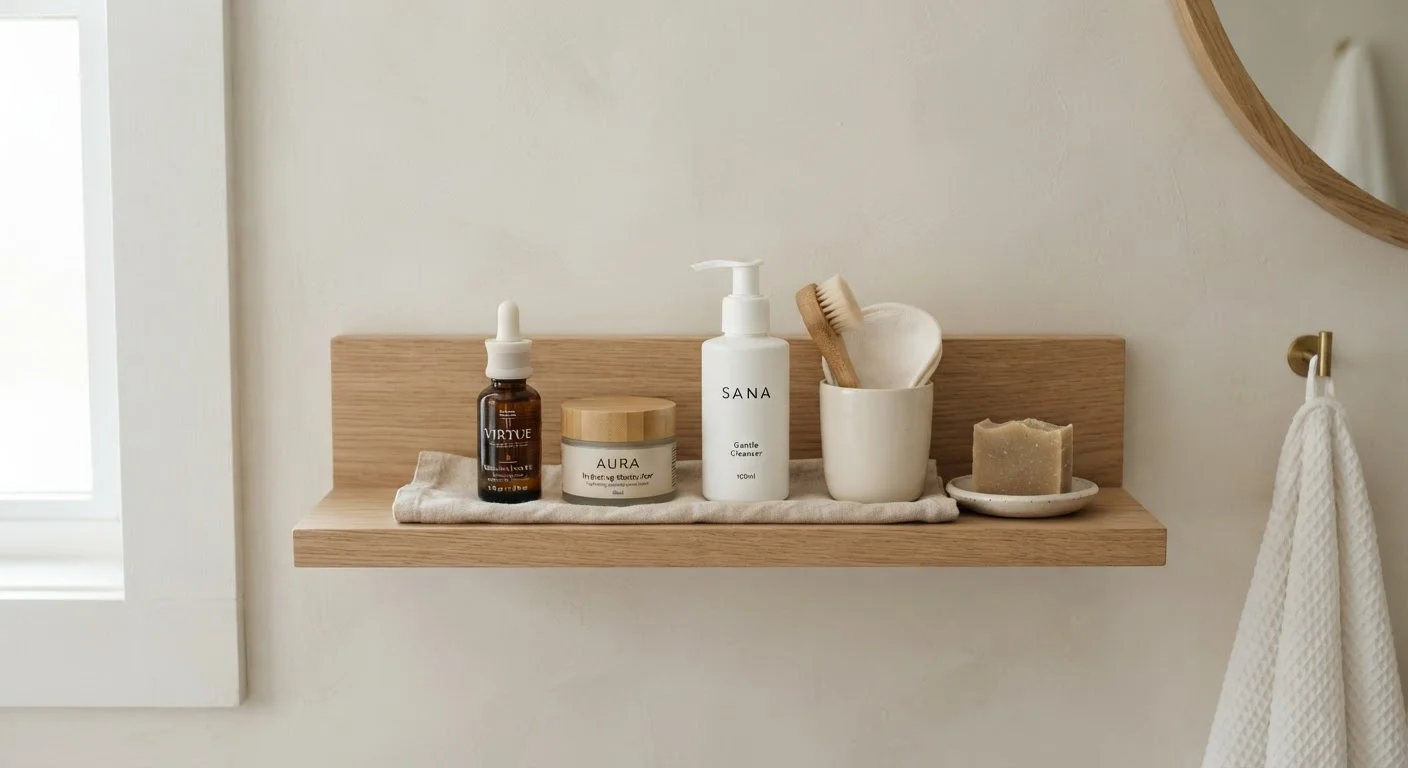
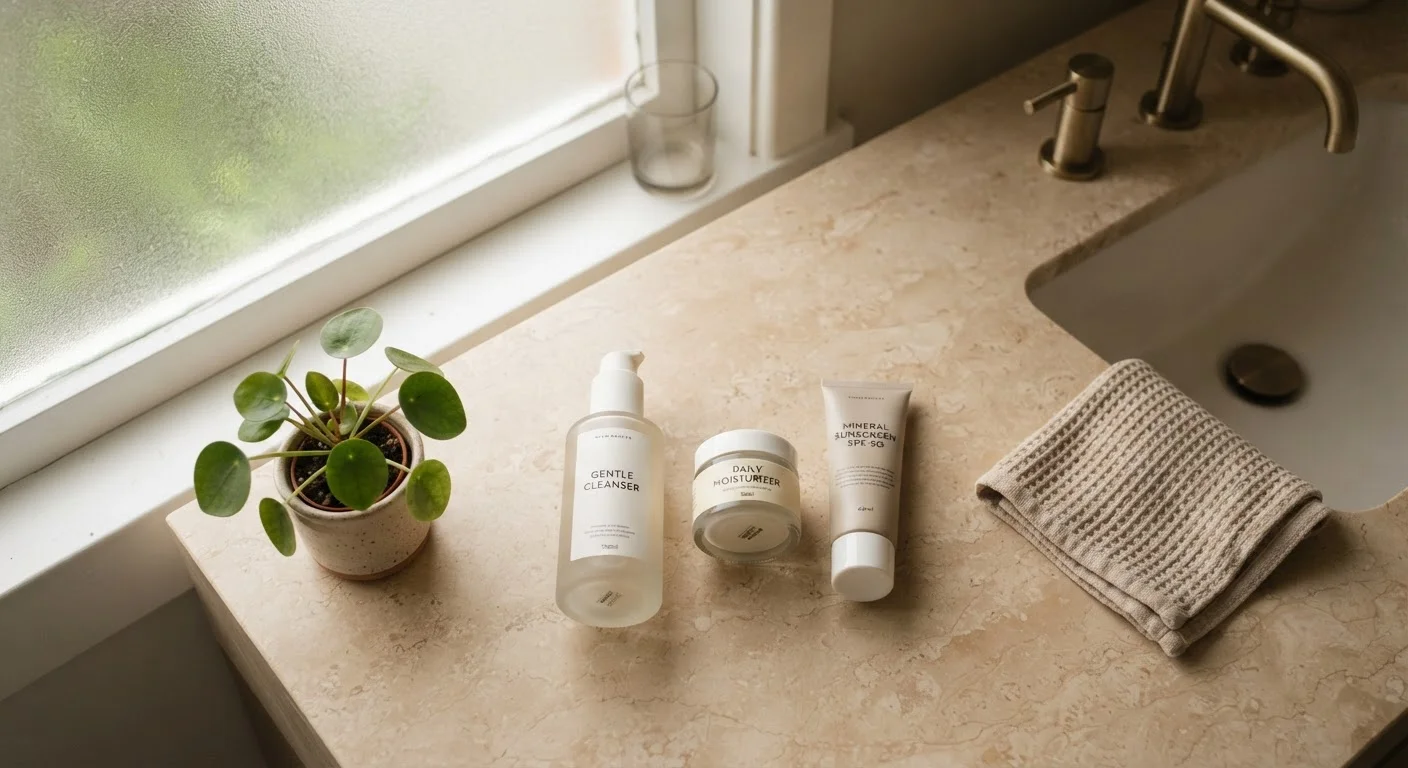
Skin prep does a lot of the heavy lifting in a minimal routine. When your skin is well-hydrated and even in tone, you need less coverage to feel presentable. A consistent five-minute morning skin prep can meaningfully change how little makeup you need to feel put-together. Similarly, a reliable low-effort evening routine - cleansing, moisturizing, and letting skin recover overnight - creates a better starting canvas each morning.
For a broader look at how makeup habits fit into a full, sustainable approach to your appearance and wellbeing, see The Full Picture on Beauty Routines, which connects skin basics, makeup habits, and long-term consistency in one place.
This article is for general informational purposes only. Individual skin needs vary - consult a qualified dermatologist or skincare professional if you have specific skin concerns.