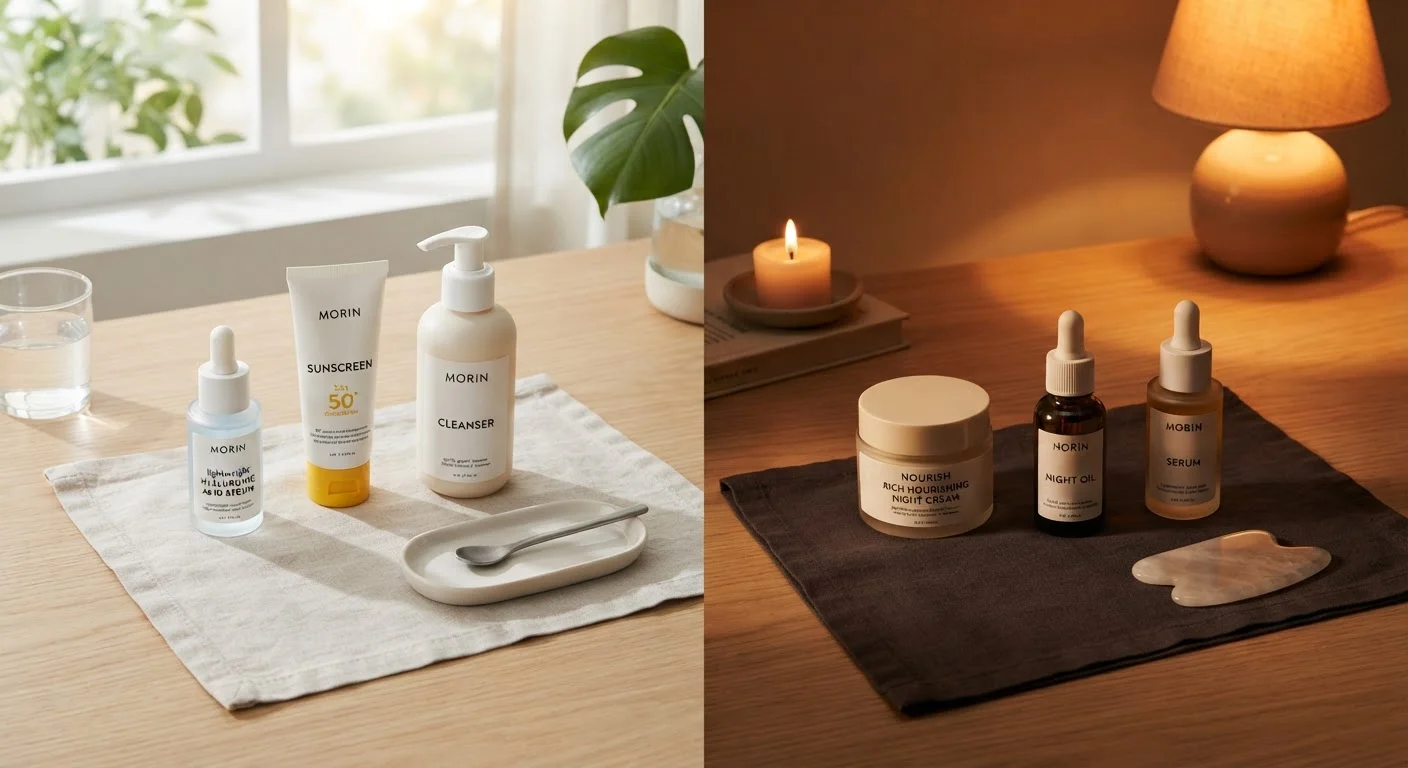

Why Beauty Routines Matter
Beauty routines are often framed as indulgences, but consistency is where their real value lies. A steady routine gives skin the repeated, low-level care it responds well to - rather than sporadic intensive treatments that can cause more disruption than benefit.
Research in dermatology consistently shows that basic, consistent habits (cleansing, moisturizing, sun protection) deliver more reliable results over time than chasing the latest ingredient trends. See our self-care basics guide for a broader look at how these habits connect to everyday confidence and wellbeing.
The goal here isn't perfection - it's a realistic framework you can sustain even on busy days.
90%
Of visible skin aging attributed to UV exposure
According to the Skin Cancer Foundation, cumulative sun exposure is responsible for the majority of visible skin aging signs.
2-4 weeks
Time needed to fairly evaluate a new skincare product
Dermatologists generally recommend allowing at least two to four weeks before assessing whether a new product is working or causing issues.
68%
Of adults skip daily sunscreen
Survey data from the American Academy of Dermatology indicates that a majority of adults do not apply sunscreen on a daily basis.
Skincare Fundamentals: The Non-Negotiables
No matter your skin type, three steps form the core of an effective skincare routine:
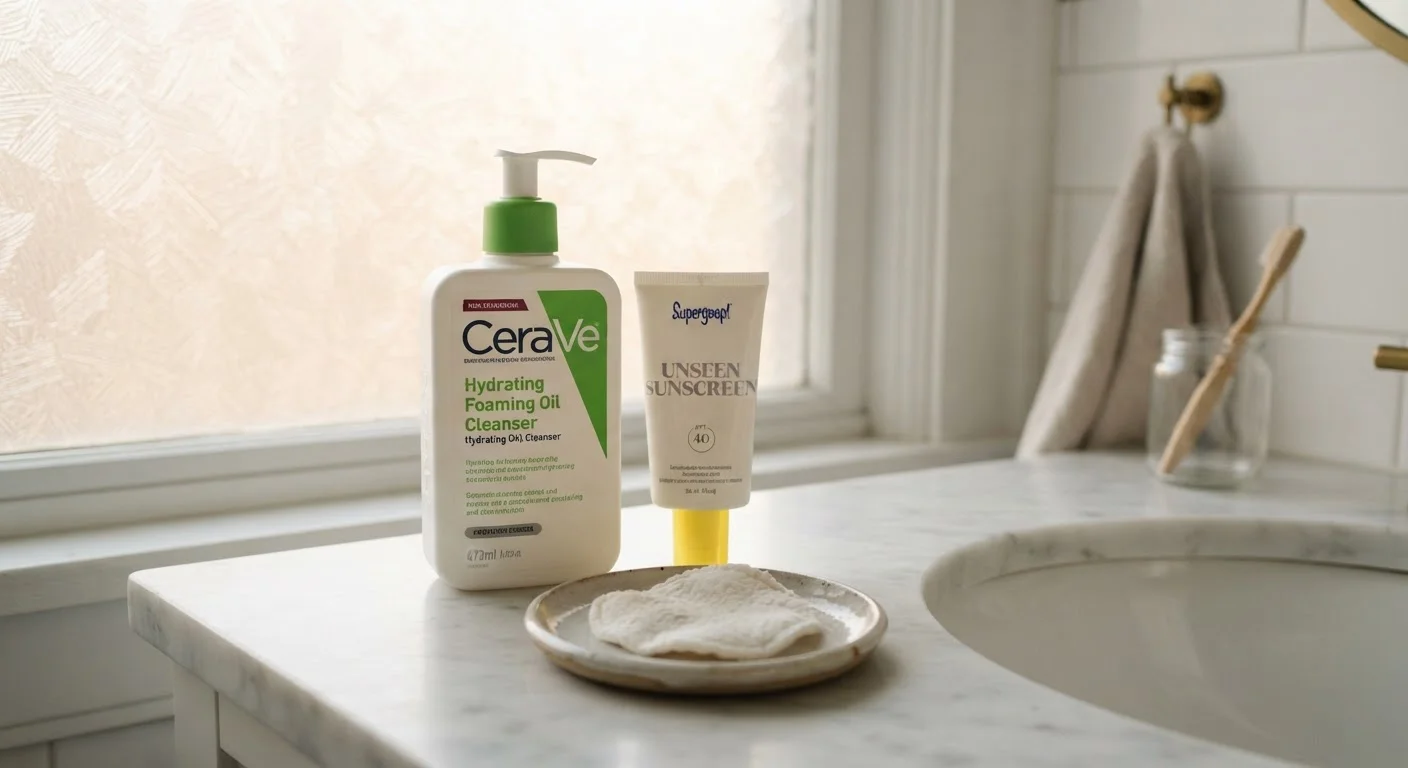
- Cleanse: Removing dirt, oil, and residual product prevents clogged pores and allows subsequent products to absorb properly. A gentle, pH-balanced cleanser is appropriate for most skin types; avoid harsh soaps that strip the skin barrier.
- Moisturize: Maintaining hydration supports the skin barrier - the protective layer that keeps irritants out and moisture in. Even oily skin benefits from lightweight, non-comedogenic moisturizers.
- Protect (SPF): Broad-spectrum sunscreen applied every morning is the most evidence-supported step for preventing premature skin aging and reducing UV-related skin damage. Dermatologists generally recommend SPF 30 or higher for daily use.
Apply your moisturizer to slightly damp skin - within 60 seconds of cleansing - to lock in extra hydration rather than waiting until skin is fully dry.
The skin barrier is more permeable when damp, allowing humectants in moisturizers to trap water more effectively before evaporation occurs.
If you use a vitamin C serum and a retinol in the same routine, separate them: vitamin C in the morning, retinol at night. Layering them together can reduce the effectiveness of both.
These actives work optimally at different pH levels and under different conditions - vitamin C in a lower-pH environment, retinol away from UV exposure.
Beyond this core trio, additional steps - exfoliation, serums, eye cream - can be layered in once the basics are solid. Introduce new products one at a time, giving skin at least two weeks to adjust before drawing conclusions about effectiveness.
This article provides general skincare education and is not a substitute for advice from a qualified dermatologist or healthcare professional. If you have a diagnosed skin condition, consult your provider before changing your routine.
Makeup Basics: A Practical Starting Point
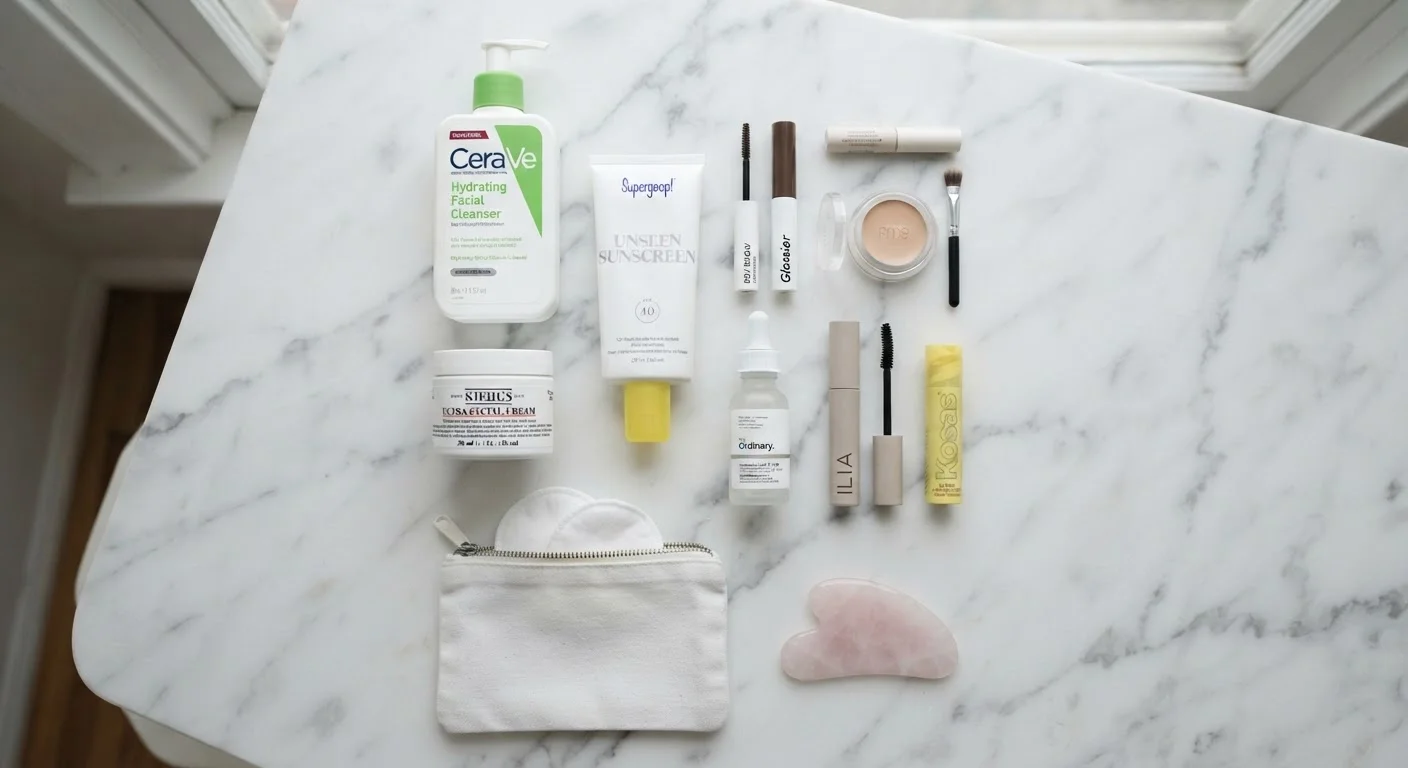
Makeup doesn't require an extensive kit to look polished. A functional starting set typically covers skin evening (tinted moisturizer or light-coverage foundation), definition (brow product, mascara), and a touch of color (lip product, blush). These five categories address most everyday needs without requiring significant time or spending.
Layering order matters: skincare first, then primer (optional), then foundation, then targeted color products, then setting. Applying makeup over well-moisturized, sun-protected skin generally produces a better finish and reduces the temptation to over-apply.
Start With What You'll Actually Use
When building a makeup kit from scratch, start with three to five products that address your specific preferences rather than buying a full collection at once. This reduces waste, keeps your routine manageable, and helps you learn what you actually reach for on a regular basis. A curated, frequently used kit beats an overstocked drawer you rarely open.
Hygiene is also non-negotiable. Wash brushes and sponges regularly - weekly for anything used with liquid product - and observe product expiration guidelines, particularly for eye products. Contaminated applicators can introduce bacteria to the skin and eyes.
Building Sustainable Daily Habits
The most elaborate routine is worthless if it only happens occasionally. Sustainability comes from matching your routine to your actual schedule, not to an idealized version of your morning. A reliable two-minute routine beats an aspirational fifteen-minute one you skip three days a week.
A few principles that support consistency:
- Anchor habits to existing ones: Attach skincare steps to something you already do reliably - brushing your teeth, making coffee - to reduce the chance of skipping them.
- Keep products visible and accessible: If you have to search for something, you're less likely to use it consistently.
- Simplify before you add: Only introduce new steps when current ones feel automatic.
For a wider view of how small daily actions compound into lasting wellbeing, the everyday habits resource covers complementary routines across physical and mental health.
Common Routine Mistakes to Avoid
Even well-intentioned routines can work against you. These are the most common missteps:
More Products Rarely Means Better Results
One of the most common routine pitfalls is layering too many active ingredients at once - retinols, exfoliating acids, and high-concentration vitamin C, for example, can all irritate skin when used together without proper spacing. When in doubt, simplify rather than add. If you're experiencing persistent irritation, scale back to the basics and reintroduce steps one at a time.
- Over-exfoliating
- Exfoliating too frequently - daily or multiple times a week - disrupts the skin barrier, leading to sensitivity, redness, and increased breakouts. Most skin types do well with one to two times per week at most.
- Skipping SPF on cloudy days
- UV radiation penetrates cloud cover. Consistent daily SPF use is more effective than applying only on sunny days.
- Switching products too quickly
- Skin takes time to respond to new products. Changing too frequently makes it impossible to identify what's working - or what's causing a reaction.
- Ignoring neck and hands
- These areas receive the same sun exposure as the face but are frequently skipped. Extending cleansing and SPF to the neck and backs of hands takes seconds and makes a meaningful difference over time.
Adjusting Your Routine Over Time
Skin is not static. Hormonal shifts, seasonal changes, aging, medication, and lifestyle factors all influence how skin behaves. A routine that worked well at 25 may need meaningful revision by 40 - and even seasonal transitions (summer humidity to winter dryness) often warrant small adjustments.
General signals that your routine needs revisiting:
- Persistent new dryness or oiliness that wasn't present before
- Increased sensitivity or redness without a clear product cause
- Breakouts that don't resolve with existing steps
When changes feel significant or persistent, a consultation with a dermatologist is the appropriate next step rather than self-diagnosing and adding more products. The goal is a routine that genuinely works for your current skin - not one borrowed from a trend or built for someone else's needs.
This article is for general informational and educational purposes only. It does not constitute medical or dermatological advice. Always consult a qualified healthcare professional for concerns about your skin health.