
What Happens Inside a Battery When It Gets Cold
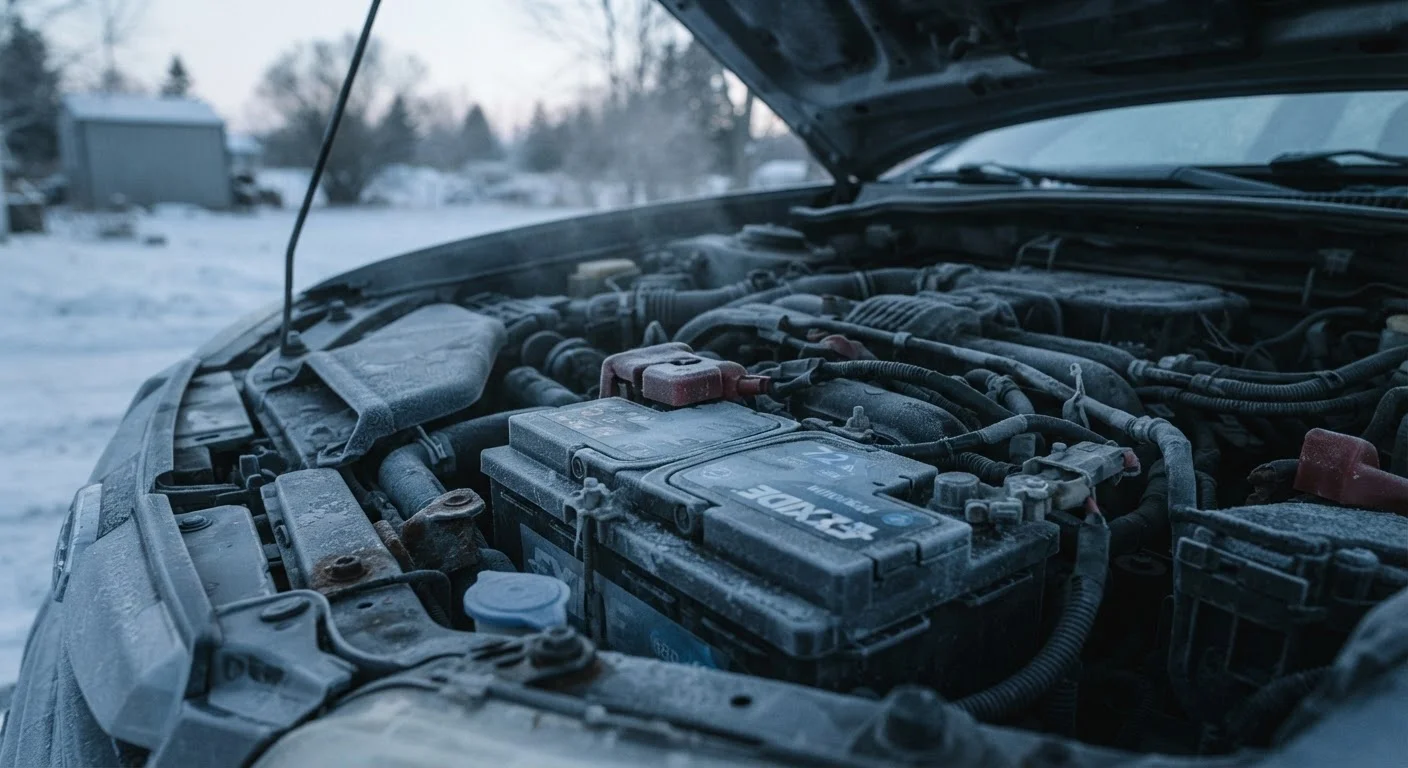
A standard 12-volt lead-acid car battery generates electricity through a chemical reaction between lead plates and a sulfuric acid solution. That reaction is temperature-sensitive. When ambient temperatures drop toward and below freezing, the chemical process slows down - and the battery produces significantly less power as a result.
At 32°F (0°C), a typical battery loses roughly 20% of its effective capacity. At 0°F (-18°C), that loss can exceed 50%. Meanwhile, your engine needs more power to start when it's cold, because engine oil thickens and creates additional resistance for the starter motor. The result: higher demand, lower supply - which is exactly why cold mornings expose battery problems that weren't obvious in warmer months.
Cold Weather Affects More Than Just Starting
A weakened battery under cold-weather stress can also affect other vehicle systems that rely on stable voltage - including fuel injection controls, anti-lock braking sensors, and electronic transmission modules. While these impacts are typically minor, they're another reason why maintaining battery health matters beyond just getting the engine started. For guidance on driving safely once you're moving in winter conditions, see driving in rain, fog, and snow.
Age Is the Hidden Factor
Cold weather doesn't cause battery failure on its own - it reveals a battery that was already weakened. As a battery ages, its lead plates degrade and its ability to hold a full charge diminishes. A three-year-old battery might test fine on a warm afternoon but lack enough reserve capacity to start the engine at 20°F.
Most lead-acid batteries are rated for 3-5 years of service. Heat actually does more long-term damage to battery plates than cold does, so drivers in warm climates may see failures earlier than expected. But cold is what triggers the visible breakdown moment - often without much warning.
~50%
Battery capacity lost at 0°F
At 0°F (-18°C), a standard lead-acid battery can lose more than half its effective capacity compared to performance at room temperature.
3-5 years
Typical car battery lifespan
Most automotive lead-acid batteries are designed to deliver reliable service for 3 to 5 years under normal driving conditions.
20%
Capacity reduction at freezing
Even at 32°F (0°C), a battery's available power output drops by roughly 20% compared to warmer temperatures.
If your vehicle is part of a broader seasonal maintenance routine, the battery should be on your checklist before winter arrives. See the seasonal car maintenance cycle for a full season-by-season inspection framework.
How to Actually Test Battery Health
A basic voltage check with a multimeter can confirm whether a battery is holding a surface charge - around 12.6 volts is typical for a fully charged battery at rest. But voltage alone doesn't tell you much about real-world performance. A battery can show good voltage and still fail the moment it's asked to deliver high current during engine startup.
A load test is the more meaningful measure. This applies a simulated cranking load to the battery and checks whether it can maintain adequate voltage under that stress. Many auto parts stores offer free battery load testing. If a battery drops well below the threshold voltage during the test, it's time to replace it regardless of how old it is.
Schedule a Battery Test Before Winter
If your battery is more than three years old, have it load-tested before temperatures drop consistently below freezing. This takes less than 10 minutes at most auto parts stores and can identify a battery that is likely to fail before it leaves you stranded. It's one of the most cost-effective preventive steps you can take each fall.
It's also worth checking your battery terminals for corrosion - a white or bluish powdery buildup around the posts. Corroded terminals increase resistance and can mimic the symptoms of a failing battery. Cleaning them is straightforward, but if you're unsure about working around automotive electrical components, have a mechanic take a look. Some driving habits can also quietly accelerate battery wear; the habits that wear out a car faster article covers several that many drivers overlook.
When to Replace and What to Consider
If your battery is more than four years old and you're noticing sluggish cold-weather starts, treat that as a meaningful signal rather than waiting for a complete failure. A dead battery on a freezing morning - possibly far from home - is a far more stressful outcome than a planned replacement.
When choosing a replacement battery, your vehicle's owner's manual specifies the correct group size and minimum CCA rating. Drivers in northern states with harsh winters may choose to match or slightly exceed the minimum CCA recommendation. Installation should be done carefully: disconnecting and reconnecting battery cables can reset onboard electronics in some vehicles, so it's reasonable to have a shop handle the swap if you're not comfortable with the process.
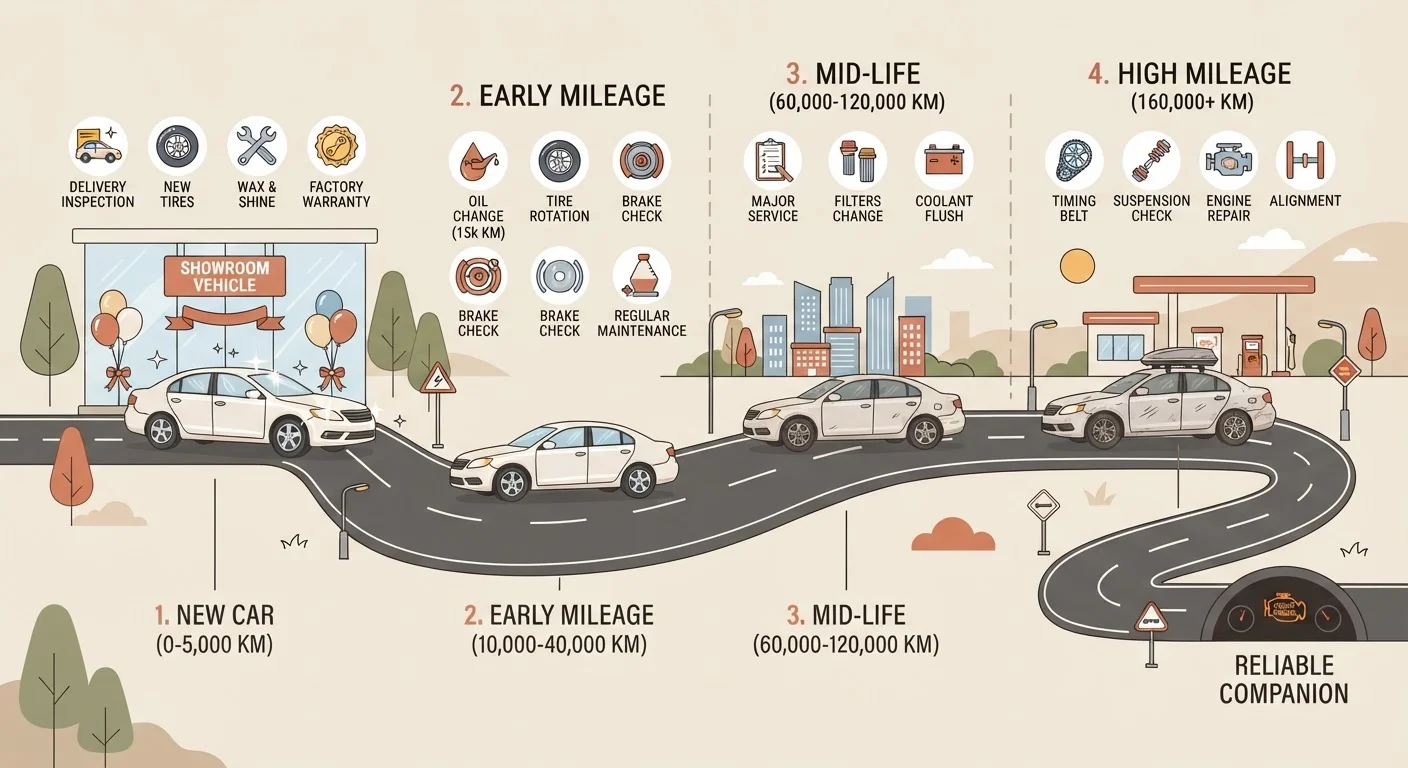
For a broader look at how maintenance priorities shift as a vehicle ages, the car maintenance across a vehicle's lifetime guide is a useful reference - battery replacement becomes more frequent as a vehicle accumulates years and miles.