
Why Your Driving Style Matters as Much as Your Mileage
Two cars with identical odometer readings can be in vastly different mechanical condition. The difference often comes down not to how far they've been driven, but how they've been driven. Habits repeated thousands of times - the way you brake, how low you let the fuel run, whether you ignore a faint new noise - compound quietly into real mechanical wear.
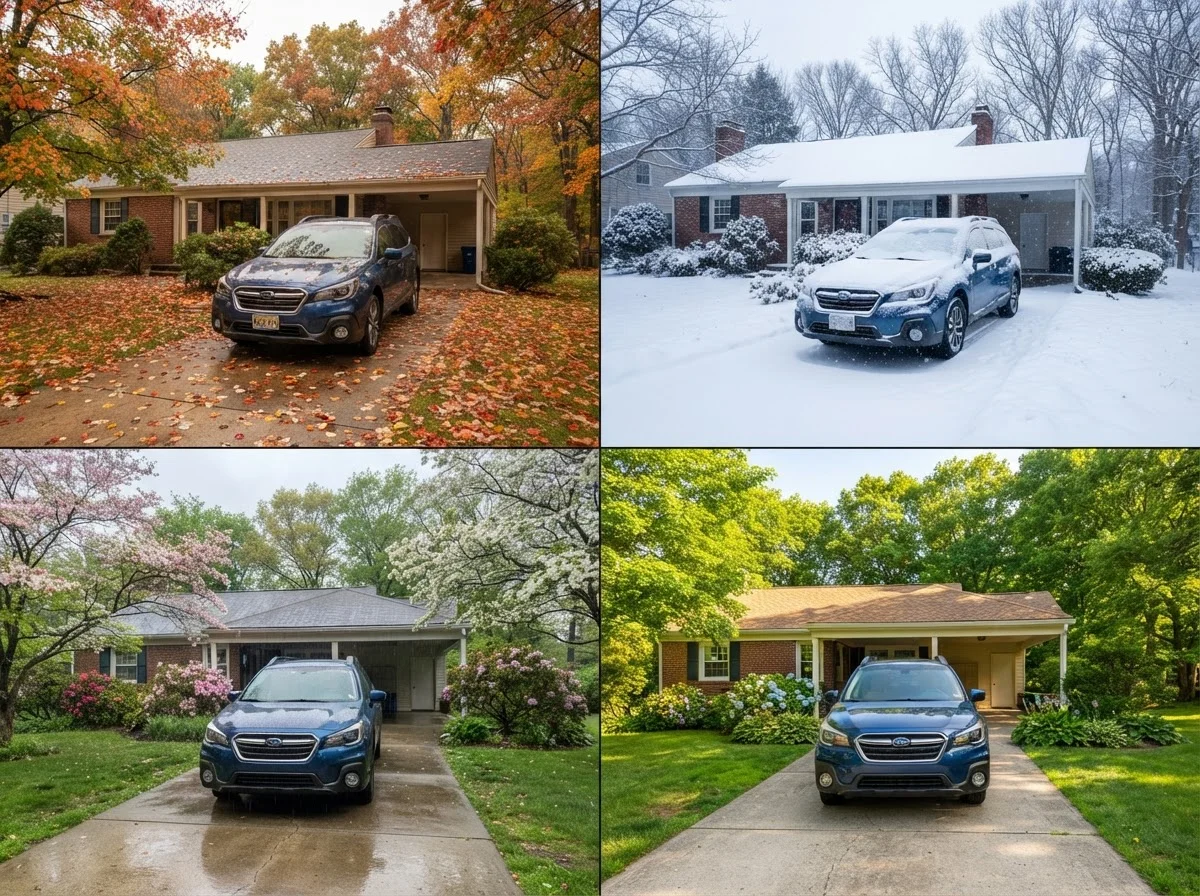
Mileage is a useful shorthand, but it misses the full picture. A 60,000-mile vehicle driven gently and serviced on schedule can be in better shape than a 40,000-mile vehicle driven hard and maintained sporadically. Understanding which habits cause the most damage is the first step toward extending your vehicle's reliable life. For a broader framework on keeping up with your car over time, the seasonal car maintenance cycle is a practical place to start.
The Habits That Do the Most Damage
Most wear-accelerating habits aren't reckless - they're just uninformed. The six mistakes below cover the patterns mechanics see most often when diagnosing premature wear on vehicles that "shouldn't" have problems yet.
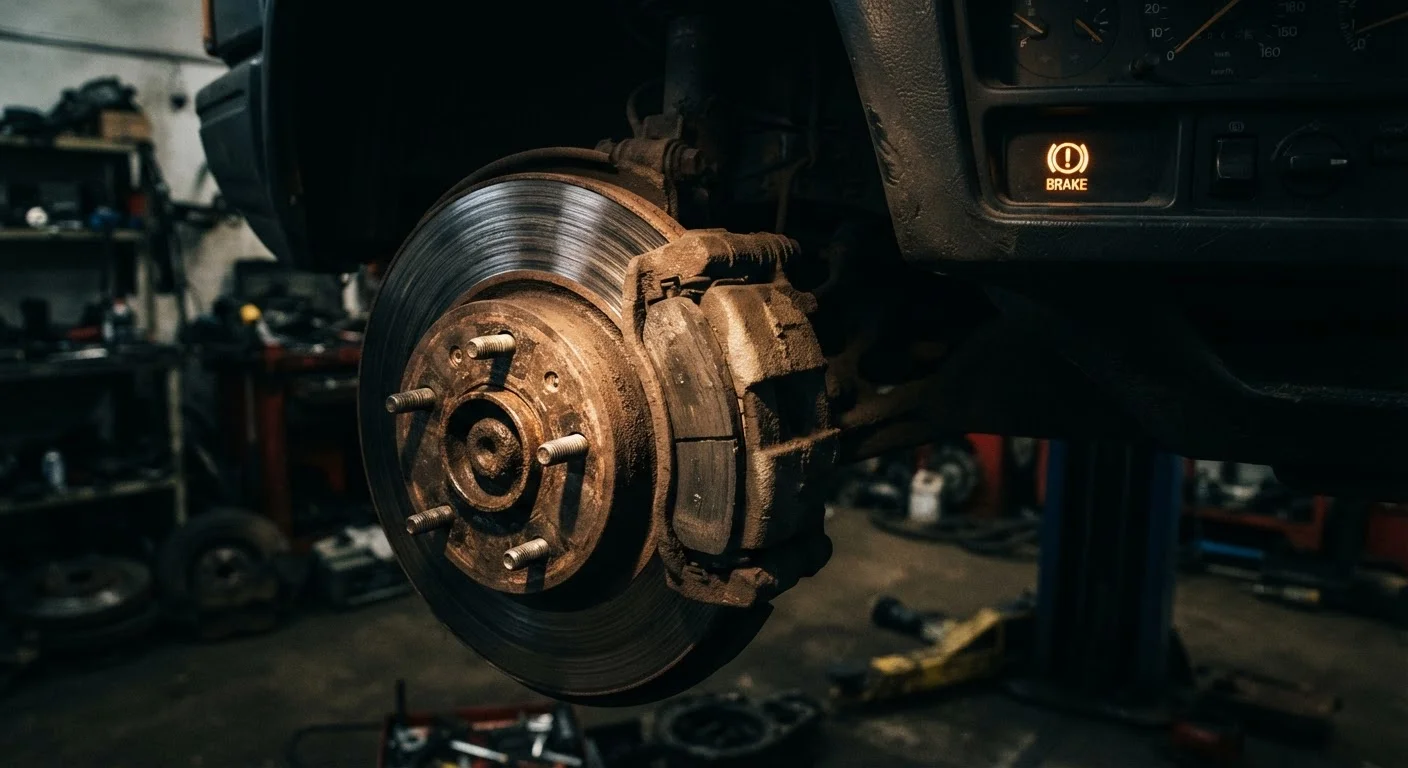
Riding the brakes downhill or braking hard repeatedly instead of slowing gradually.
Why it happens: Drivers often brake reactively rather than anticipating stops, especially in heavy traffic or on unfamiliar roads.
Consistently running the fuel tank below a quarter full before refilling.
Why it happens: Many drivers delay filling up out of habit or to avoid stopping, not realizing the fuel system consequences.
Taking mostly short trips - under five miles - without occasionally driving long enough for the engine to fully warm up.
Why it happens: Short-distance commuting is simply unavoidable for many drivers, and the mechanical effects aren't visible day to day.
Ignoring dashboard warning lights or dismissing unfamiliar sounds as minor.
Why it happens: Warning lights can feel cryptic, and unusual noises are easy to rationalize away, especially when a car still seems to drive fine.
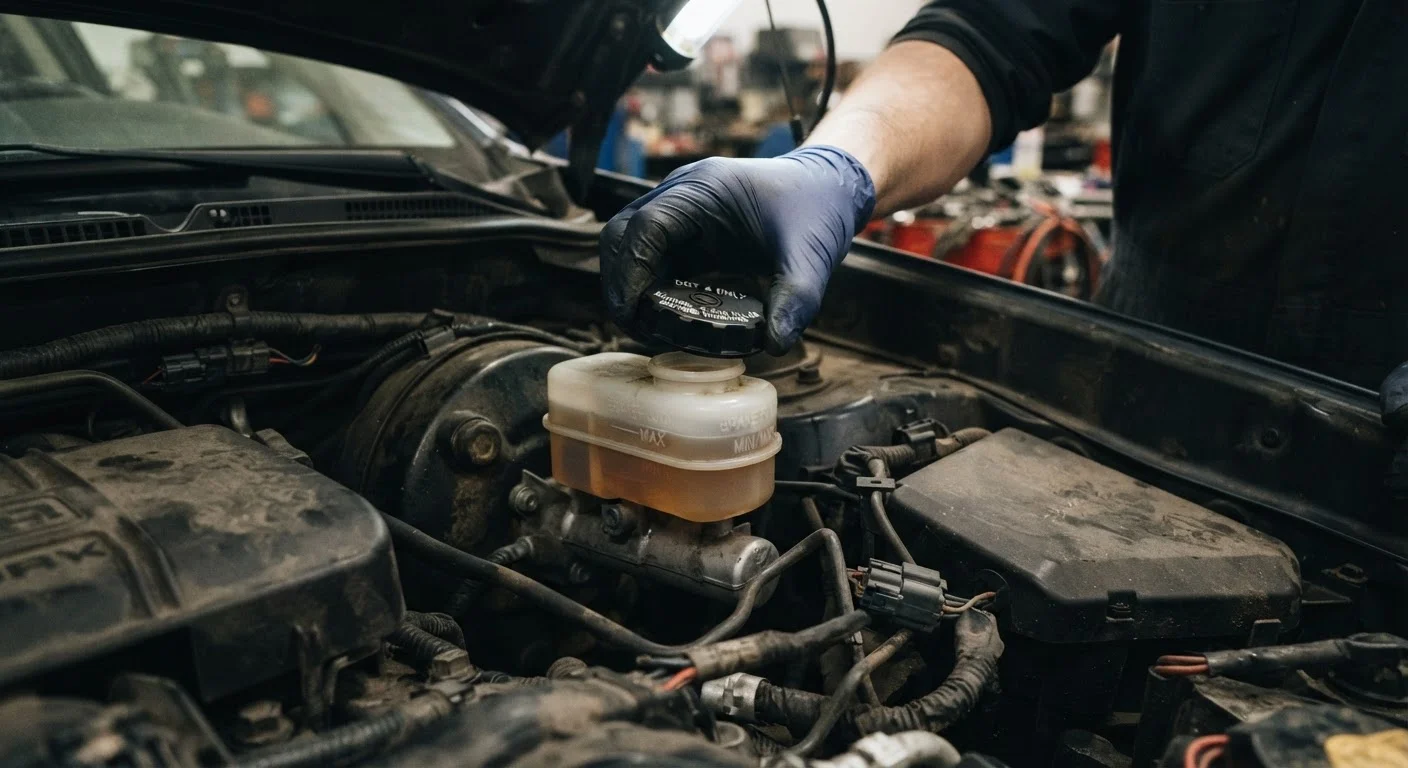
Skipping or stretching fluid service intervals - oil, coolant, transmission fluid, and brake fluid.
Why it happens: Fluid maintenance is invisible; there's no obvious symptom until something fails, making it easy to defer.
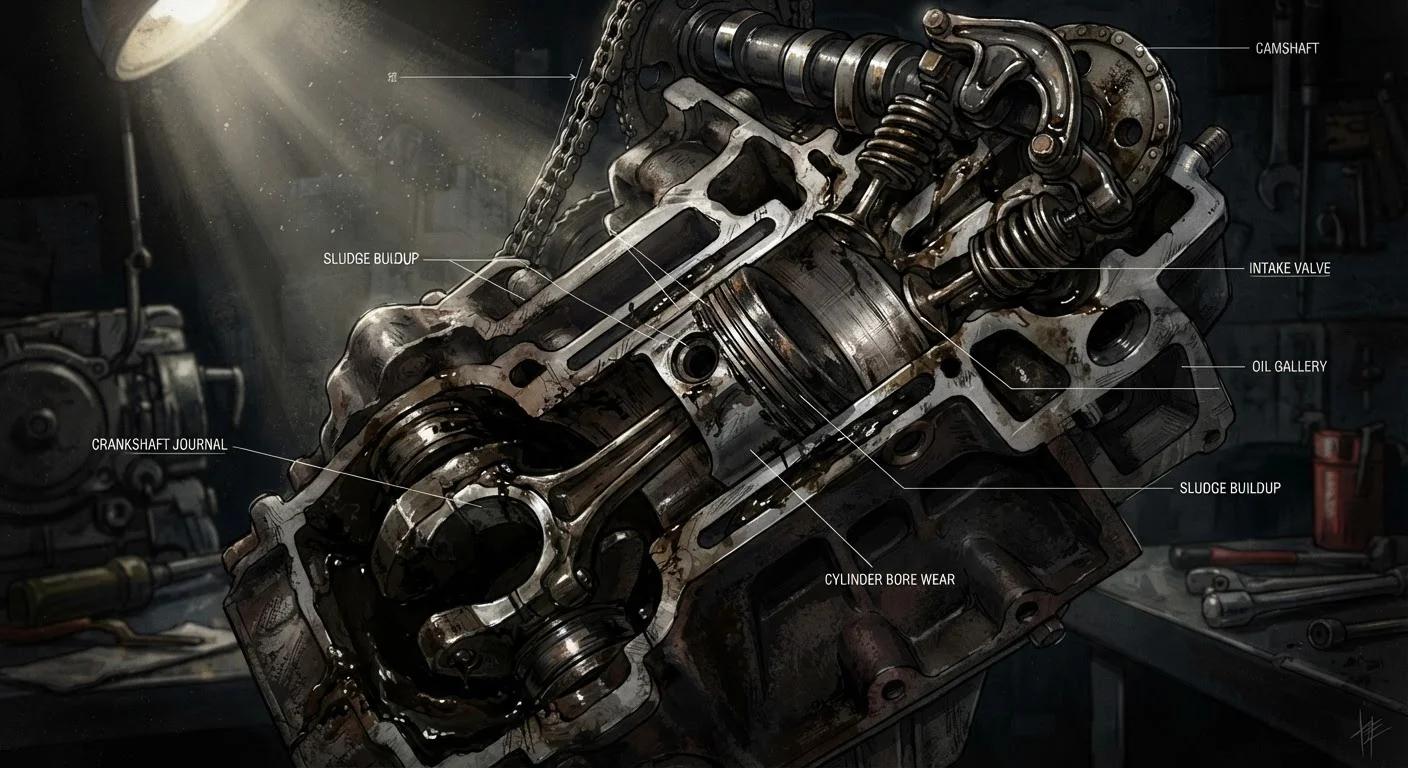
Accelerating hard from a cold start before the engine has had any time to circulate oil.
Why it happens: Modern engines don't need prolonged idling like older carbureted ones, so many drivers assume they can drive hard immediately after starting.
It's also worth being honest about what you don't know. Many drivers operate on maintenance assumptions that have long been outdated. Common car care myths - like the idea that all engines need a long warm-up in winter - can lead to habits that cause more harm than good.
Building Better Habits Without Overhauling Your Routine
None of these changes require major lifestyle adjustments. Most are small shifts in awareness: looking further down the road when braking, glancing at the fuel gauge a little earlier, taking 60 seconds to listen to what your car is telling you at startup.
~$1,200
Average unplanned repair cost per incident
AAA has reported that unexpected vehicle repairs cost American drivers an average of around $1,200 per incident, underscoring the financial benefit of preventive maintenance.
35%
Of breakdowns tied to neglected maintenance
Industry estimates from roadside assistance organizations suggest a substantial portion of non-accident breakdowns are linked to skipped or delayed routine maintenance tasks.
Maintenance needs also change as a vehicle ages. What works for a three-year-old car isn't always sufficient for one with 120,000 miles on it. How maintenance needs evolve across a vehicle's lifetime is a useful reference for drivers who want to stay ahead of those shifts rather than react to them.
The goal isn't perfection - it's consistency. A car treated thoughtfully will generally reward that care with fewer unexpected repairs and a longer window of reliable use.