The Fluid Nobody Talks About
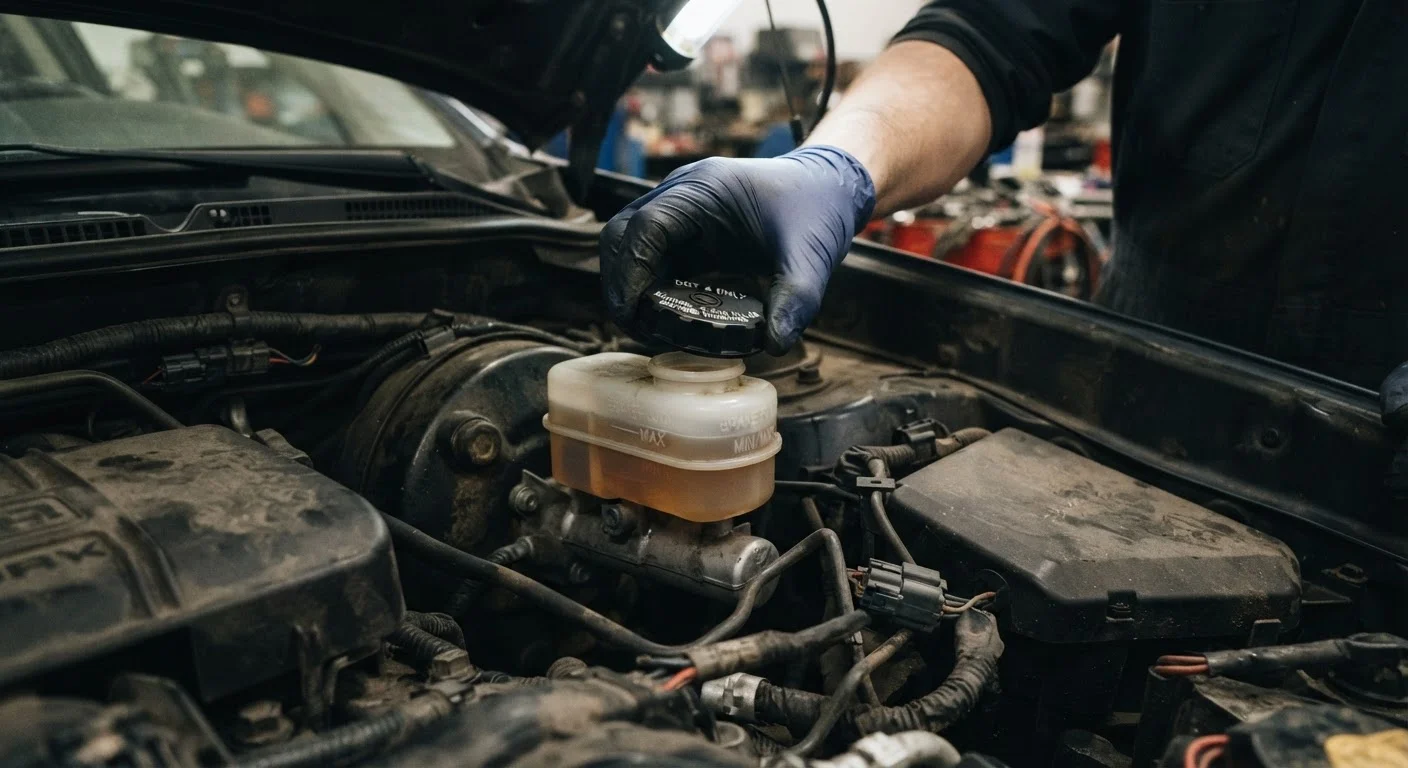
Most drivers know to check their oil. Many remember coolant and windshield washer fluid. But brake fluid? It rarely comes up - until something goes wrong. That oversight is understandable. Unlike oil, brake fluid doesn't burn off or visibly leak in most situations. The reservoir stays full, so nothing looks wrong. The problem is what's happening to the fluid inside that sealed system.
Brake fluid is hygroscopic, meaning it actively absorbs moisture from the surrounding air. Even in a closed system, small amounts of water migrate in through rubber hoses and seals over time. That moisture changes everything about how the fluid behaves under pressure and heat.
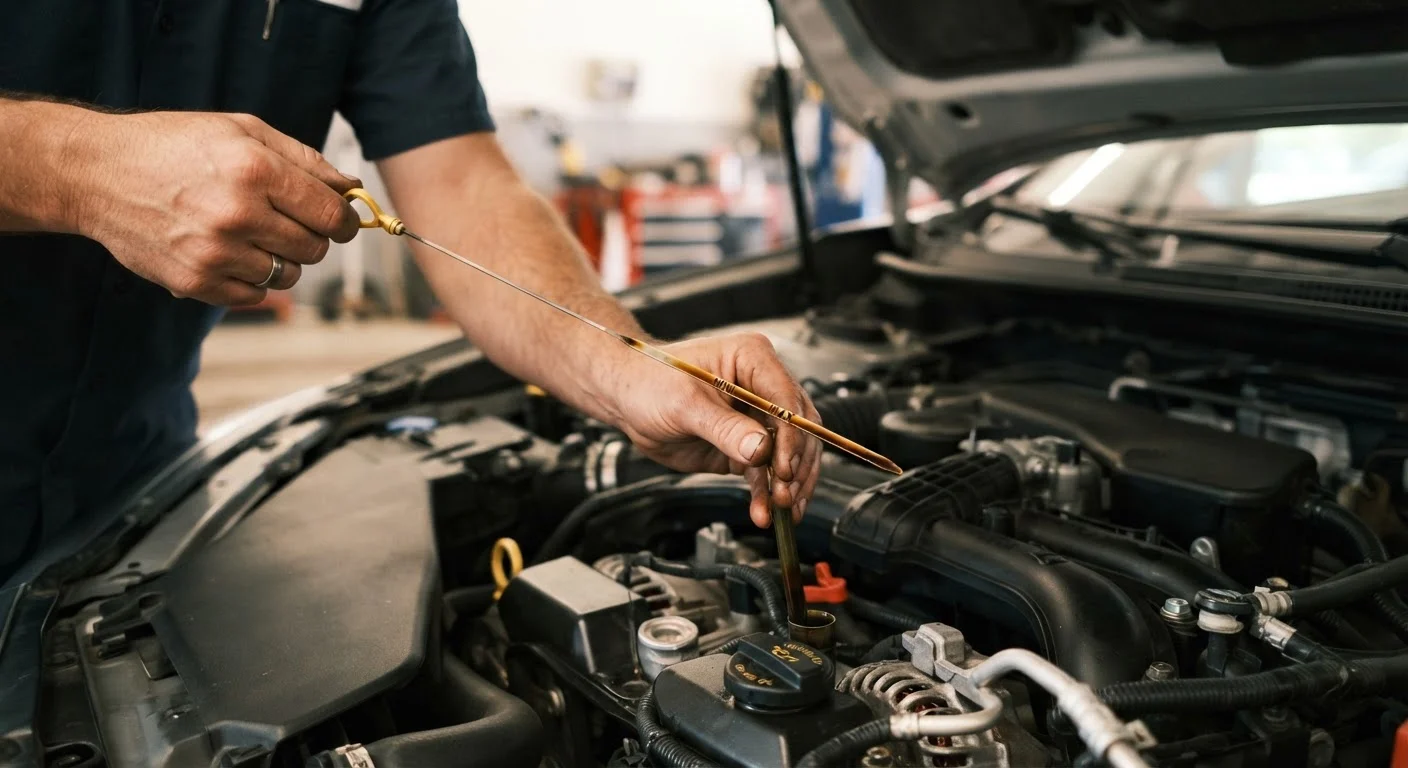
Understanding this one fact - that brake fluid degrades silently - is the first step to keeping your braking system in shape. See our guide to checking essential vehicle fluids for a practical look at what else deserves attention under the hood.
Why Moisture Is the Real Problem
Fresh brake fluid has a high boiling point - typically above 400°F for new DOT 4 fluid. That matters because braking generates significant heat, and the fluid needs to stay liquid under pressure. Once moisture contaminates the fluid, that boiling point drops substantially.
~25°F
Boiling point drop per 1% water absorbed
General industry data indicates that even a small percentage of water contamination can meaningfully reduce glycol-based brake fluid's boiling point, increasing the risk of vapor lock.
2-3 years
Typical manufacturer-recommended flush interval
Many vehicle manufacturers specify brake fluid replacement by time rather than mileage, as moisture absorption occurs regardless of how much the car is driven.
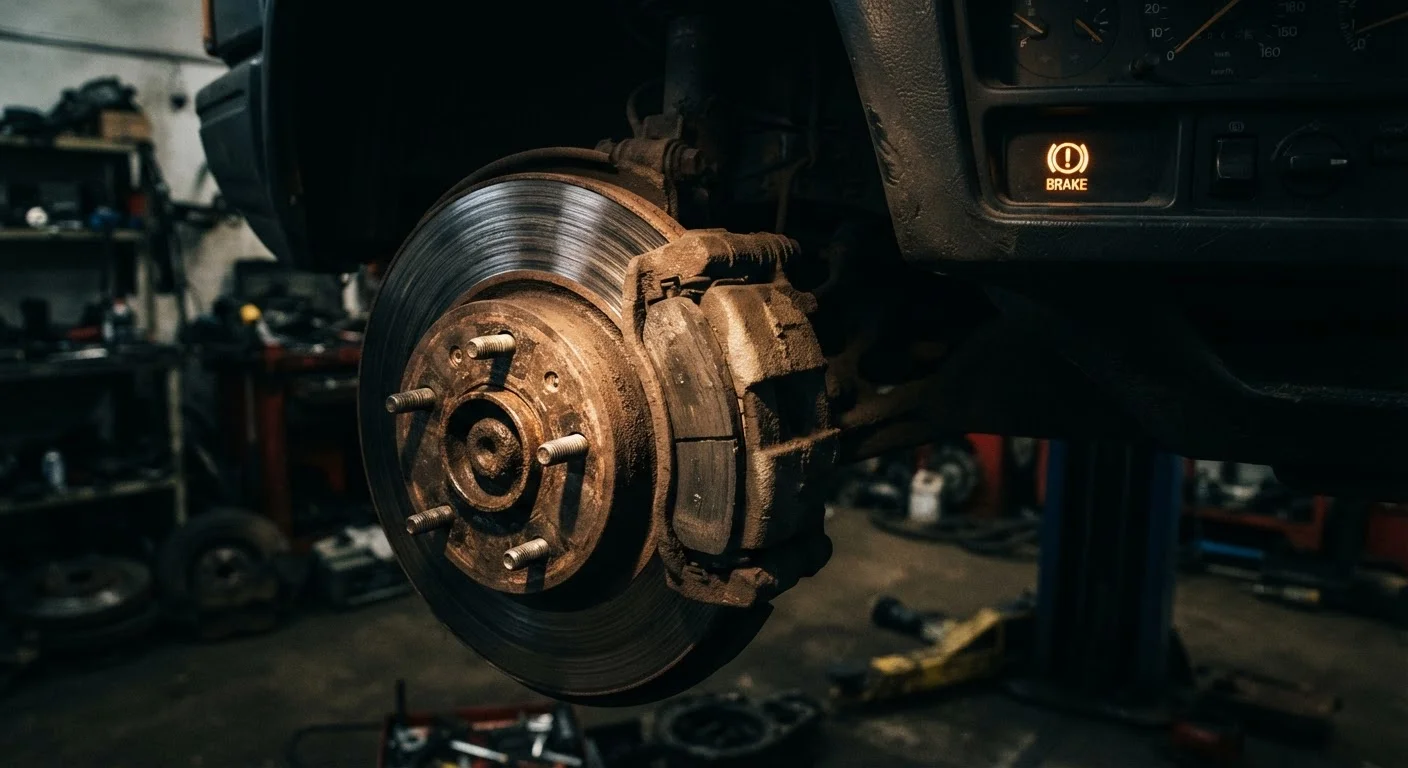
When fluid with a lower boiling point gets hot enough to vaporize, you get vapor lock - a dangerous situation where the brake pedal goes soft or sinks to the floor because you're compressing gas instead of liquid. Gas compresses; liquid doesn't. That's the physics behind why degraded brake fluid is a real safety concern, not just a maintenance checkbox.
A spongy or inconsistent pedal feel is one of the earliest warning signs. If braking feels different from what you're used to - especially after descending a long hill or during repeated hard stops - the fluid is worth inspecting.
Test Before You Assume
Brake fluid test strips cost just a few dollars and are available at most auto parts stores. Dip one in the reservoir and compare the color change to the chart on the packaging. It won't give a lab-precise reading, but it's a reliable enough indicator to know whether a professional test or flush is warranted.
When and How to Address It
Most vehicle manufacturers recommend a brake fluid flush every two to three years. Some specify mileage intervals instead - often around 45,000 miles. Your owner's manual is the authoritative source for your specific vehicle. If you've bought a used car and don't know the fluid's history, it's worth having it tested or flushed as a baseline.
A qualified mechanic can test moisture content with an electronic tester or chemical test strip. The test takes minutes. If moisture levels are elevated, a full flush replaces all the old fluid in the system with fresh fluid - brake lines, calipers, and the master cylinder reservoir included. It's one of the more straightforward services a shop can perform.
Habits like frequent hard braking accelerate heat exposure and can degrade fluid faster. Driving habits that wear out a car faster cover this in more depth, but the short version is that aggressive driving puts more demand on brake fluid than routine commuting does.
This article is for general informational purposes only and is not a substitute for advice from a qualified mechanic. Always consult a certified automotive professional for maintenance decisions specific to your vehicle.