
What Engine Oil Is Actually Doing in There
Most drivers know oil needs changing - fewer understand why. Inside a running engine, dozens of metal components move against each other thousands of times per minute. Without a continuous film of oil separating those surfaces, they'd grind themselves to destruction within minutes.
But lubrication is only part of the job. Engine oil also:
- Carries heat away from components the cooling system can't reach directly
- Suspends and transports contaminants - combustion soot, metal particles, and acids - toward the oil filter
- Neutralizes acids formed when combustion gases mix with moisture in the crankcase
- Prevents corrosion on metal surfaces between uses
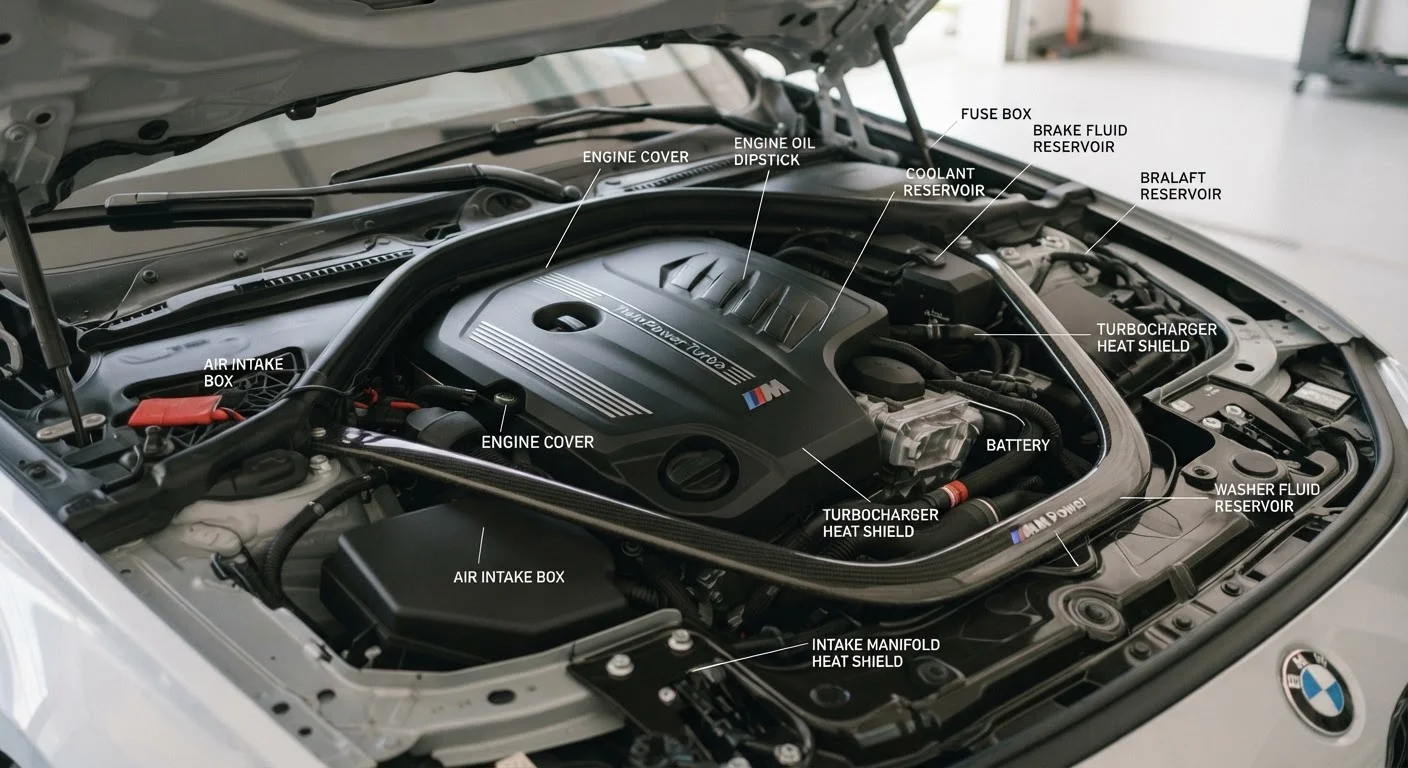
Understanding these roles makes it clear why degraded oil isn't just a minor inconvenience - it's a failure across multiple protective functions at once. For a deeper look at the components oil protects, see our plain-language guide to engine components.
Oil Filters Matter Too
The oil filter traps contaminants as oil circulates through the engine. Over time, filters become saturated and can no longer capture new debris - at which point a bypass valve opens and unfiltered oil circulates instead. Replacing the filter with every oil change ensures the entire system works as designed. Some vehicles use extended-life filters rated for longer intervals; check your owner's manual.
The Degradation Timeline: What Goes Wrong and When
Oil doesn't fail all at once. It degrades gradually through several overlapping processes:
Additive Depletion
Fresh oil's protective power comes largely from its additive package. Detergents clean surfaces, dispersants keep contaminants suspended, and anti-wear agents form a protective film on metal. These additives are consumed as they do their work - eventually, there's nothing left to replenish what's been used up.
Thermal Breakdown
Repeated heat cycling - every time you start and run the engine - fractures the oil's hydrocarbon chains. This changes viscosity: the oil's ability to maintain the right thickness across temperature ranges becomes unreliable. Oil that runs too thin at operating temperature can't maintain a protective film; oil that thickens excessively at startup starves components of lubrication during cold cranking.
Oxidation and Sludge Formation
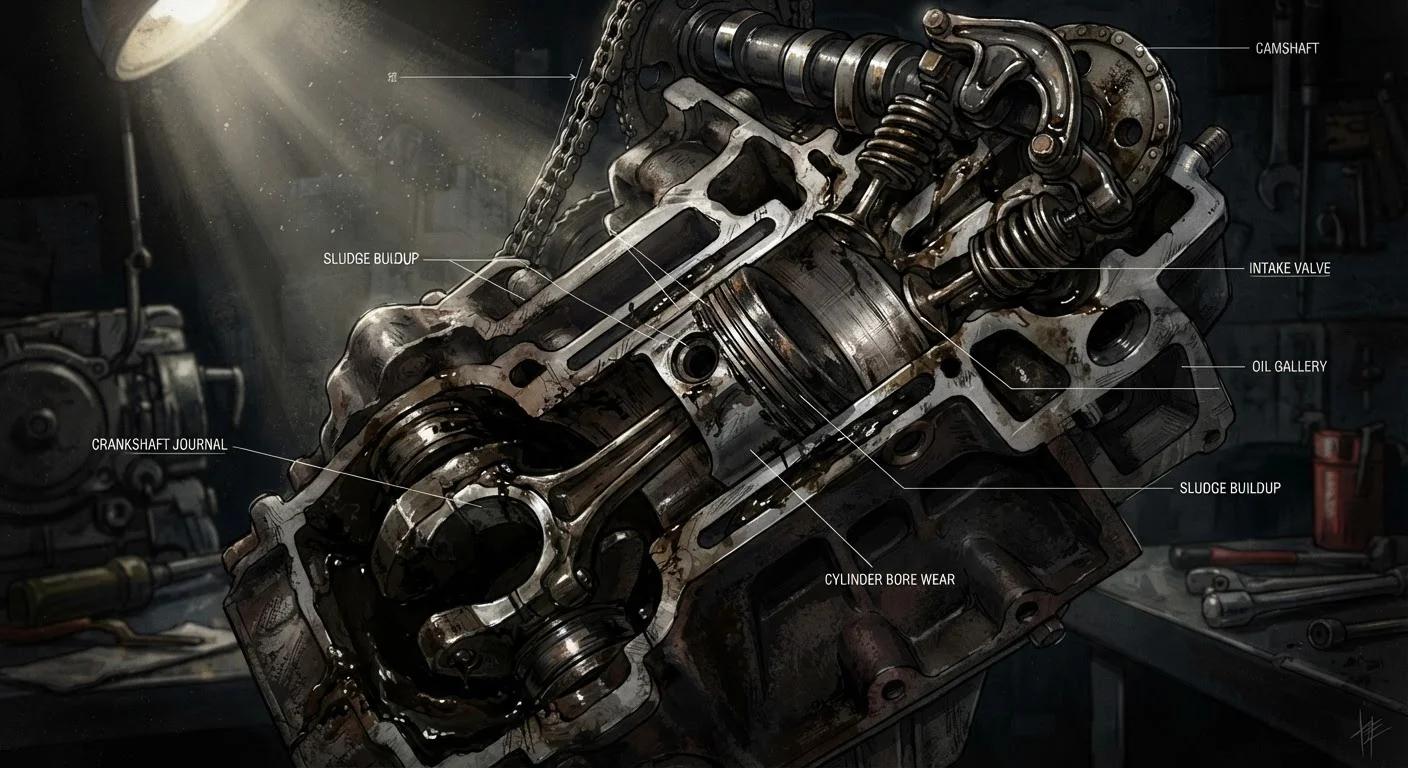
When oil reacts with oxygen and heat over time, it oxidizes - thickening into a varnish-like residue. Combined with accumulated contaminants, this produces sludge: a dark, tar-like buildup that can clog the narrow oil passages feeding your engine's most critical components. A sludge-blocked passage to a cam bearing or timing chain tensioner can cause rapid, severe damage.
~$4,500
Average cost of engine replacement
Engine replacement costs vary widely by vehicle, but industry repair data consistently places the average well above $4,000 - many times the cost of routine oil maintenance.
7,500-10,000 mi
Typical synthetic oil change interval
Many major automakers specify intervals in this range for vehicles using full synthetic oil under normal driving conditions, per manufacturer owner's manuals.
Up to 40%
Friction increase with degraded oil
Engineering studies on oil film breakdown suggest internal friction can rise substantially as oil loses viscosity control, accelerating component wear.
How Oil Change Intervals Are Actually Determined
The old "every 3,000 miles" rule is largely outdated for most modern vehicles - it persists more as habit than engineering guidance. Actual intervals are determined by three factors working together:
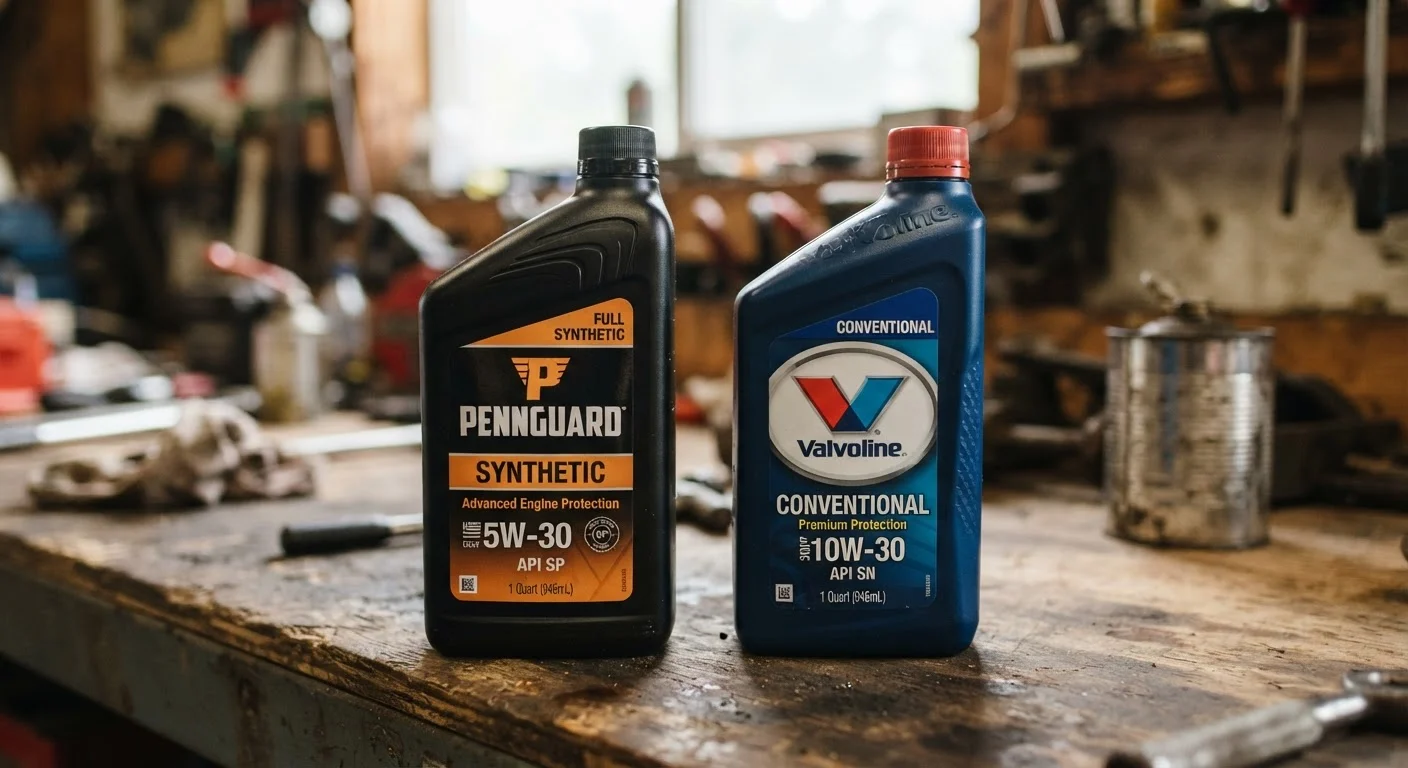
- Oil type: Full synthetic oil resists degradation longer than conventional oil. Many vehicles using synthetic are engineered for 7,500-10,000+ mile intervals.
- Engine design: Modern engines run tighter tolerances and are built around the properties of specific oil grades, often enabling longer intervals.
- Driving conditions: Manufacturers define two categories - normal and severe. Severe conditions include frequent short trips, extreme temperatures, towing, and lots of idling. Under severe conditions, even synthetic oil degrades faster, and shorter intervals apply.
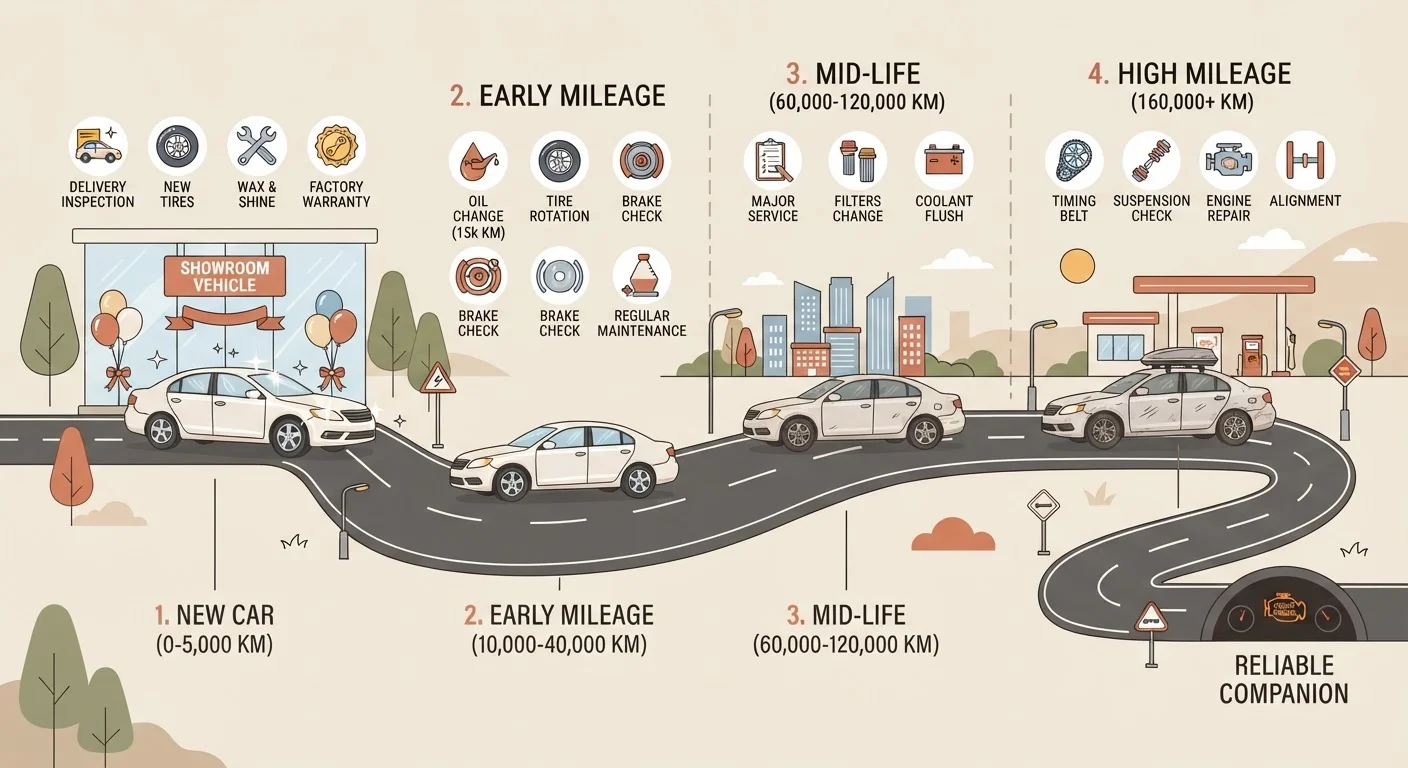
Your owner's manual remains the most reliable source for your vehicle's specific interval. Many newer vehicles also use an oil life monitoring system that calculates degradation based on actual driving patterns rather than a fixed mileage clock. For a broader look at how maintenance needs shift over a vehicle's life, see our guide to car maintenance across a vehicle's lifetime.
It's also worth knowing that some maintenance habits beyond oil changes can quietly accelerate engine wear - see habits that wear out a car faster than mileage alone for more context.
Check Your Oil Between Changes
Using the dipstick to check oil level and condition between changes takes about 60 seconds and can catch problems early. Fresh oil is amber and translucent; oil approaching end-of-life is dark and opaque. If the oil on the dipstick looks milky or has a frothy texture, that can signal coolant contamination - a problem that warrants prompt attention from a mechanic.
What Skipping Changes Costs Long-Term
The damage from skipping oil changes is cumulative and often invisible until it's expensive. Sludge accumulation restricts oil flow, which leads to accelerated wear on camshafts, bearings, and the timing system. Bearings running without adequate lubrication develop micro-pitting on their surfaces - damage that worsens with every subsequent mile.
In severe cases - multiple missed changes combined with severe driving - engines can suffer spun bearings or seized components, both of which typically mean engine replacement rather than repair. These failures rarely arrive with warning; the preceding wear happens quietly over tens of thousands of miles.
Engine repairs or replacements routinely cost several thousand dollars. Regular oil changes, by contrast, are among the least expensive maintenance items on any vehicle. The math strongly favors staying on schedule.
This article provides general vehicle maintenance information for educational purposes. Always consult a qualified mechanic for advice specific to your vehicle's condition and needs.