

Why Structure and Flexibility Are Not Opposites
Most travelers land in one of two camps: the meticulous planner who books every hour in advance, or the free-spirited wanderer who figures it out on the go. In practice, both extremes create problems. A locked-in schedule leaves no room to follow a local's restaurant tip or stay an extra hour at a market. A completely open itinerary can consume half a morning just deciding what to do.
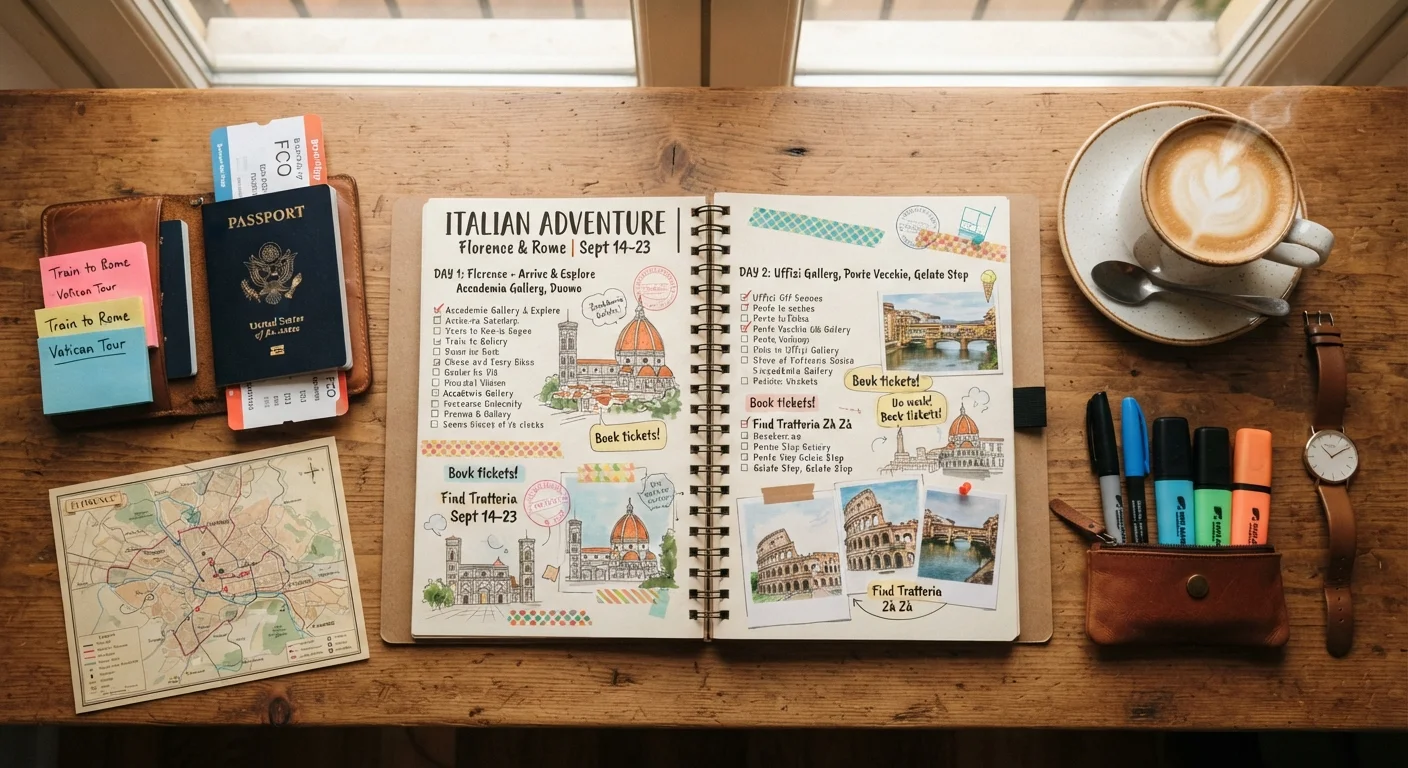
The more useful approach is what experienced travelers call a loose framework - anchoring the logistical non-negotiables (flights, overnight accommodation, transfers between cities) while deliberately leaving pockets of time uncommitted. Think of it as scaffolding, not a cage. Understanding how each itinerary component fits together makes it much easier to identify which pieces actually need to be locked in.
Common Planning Traps That Kill Spontaneity
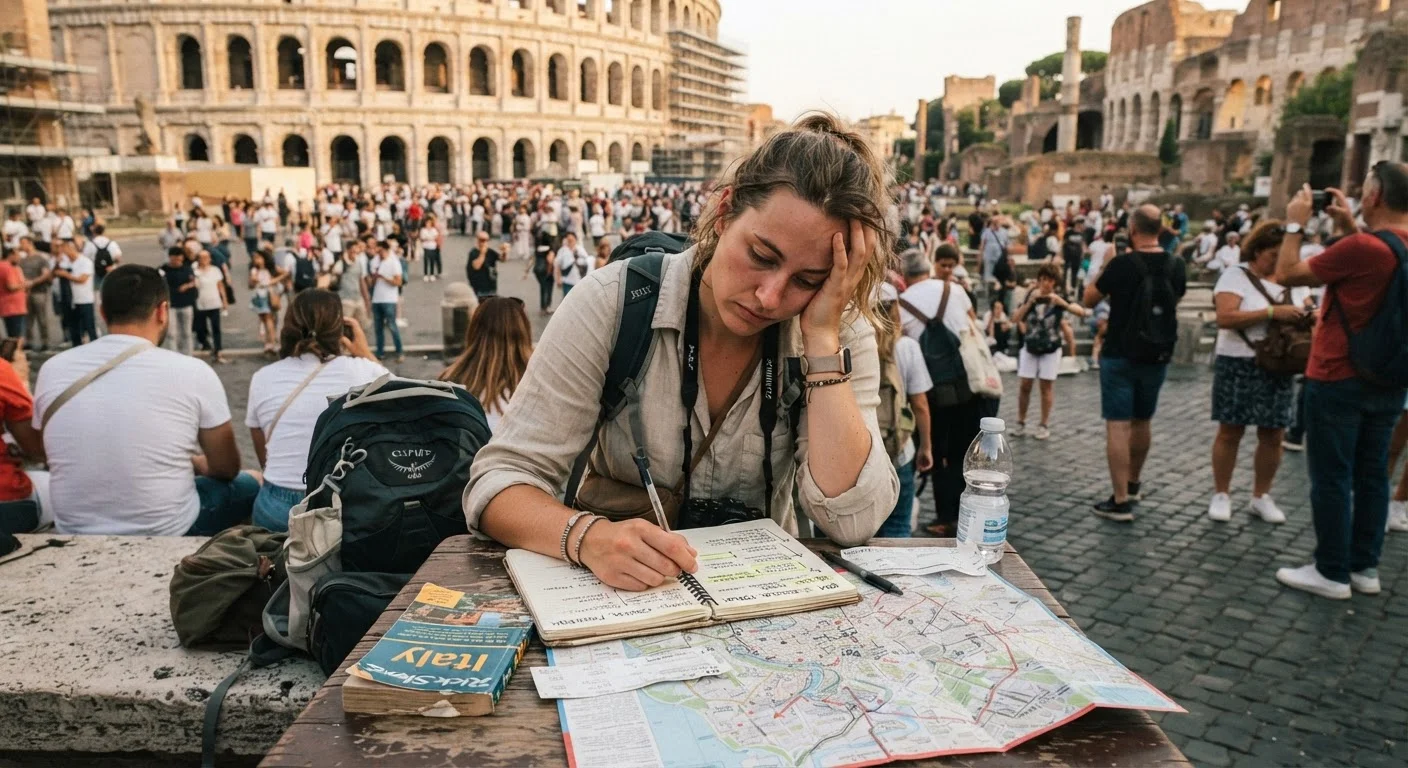
Over-scheduling is the most widespread planning error among well-intentioned travelers. The instinct to maximize every day - fitting in three museums, a walking tour, and a sunset dinner cruise - is understandable, but it turns a vacation into a logistics sprint. If you've ever returned from a trip feeling like you need a vacation from your vacation, the culprit is usually a schedule with no margin.
Why trips feel rushed - and how to pace the next one is worth reading before you commit any activity blocks to your calendar. The core insight: most travelers consistently underestimate transit time, meal time, and the simple pleasure of moving slowly through a place.
1 in 3
Travelers who report feeling rushed on vacation
Research published by travel industry analysts consistently finds that over-scheduling is among the top reasons travelers rate trips as stressful rather than restorative.
2x
Typical underestimate of daily transit time
Travel planning studies suggest travelers routinely underestimate the time spent moving between locations by a factor of two, contributing directly to packed, stressful itineraries.
Building Your Buffer Strategy
A practical buffer strategy doesn't mean leaving your entire trip vague - it means being intentional about where you leave gaps. For a week-long trip, aim for at least one fully unscheduled half-day per destination. For multi-city trips, build a buffer day between major destination changes. Coordinating multi-destination trips without losing your mind offers a solid framework for sequencing stops in a way that naturally creates recovery time.
When planning activities, apply a simple rule: schedule no more than two anchor experiences per day, and leave the rest as options rather than obligations. An "options list" - a short collection of neighborhood walks, local spots, or backup museums - gives you something to reach for when you have free time, without the pressure of a fixed plan.
Matching Your Structure to Your Travel Style
The right balance between structure and openness also depends on what kind of trip you're taking. A city break in a dense, walkable urban environment rewards spontaneity more readily than a remote nature retreat where logistics genuinely require advance coordination. Matching a destination to what you actually need can help clarify which environment suits your current travel mindset - and that choice shapes how tightly your schedule needs to be built.
Seasonality and local events also affect how much flexibility is realistic. During peak travel periods, accommodation and popular experiences may genuinely require advance booking, which narrows your spontaneous options. Planning around seasons, crowds, and local events explains how timing decisions ripple through the rest of your plan. For broader trip-planning habits and packing principles, the Travel Tips hub is a useful ongoing resource.
“The traveler sees what he sees; the tourist sees what he has come to see. The difference almost always comes down to whether there was space in the day to notice anything unexpected.”
— G.K. Chesterton, Author and essayist, widely quoted on travel and observation
All travel information in this article is general in nature. Prices, availability, and local conditions change - always verify specifics with official sources and providers before you travel.