Start With What You're Recovering From, Not What Looks Good
Most travelers pick destinations based on aesthetics - a photo they saved, a city a friend mentioned, or a national park they've always meant to visit. That's a reasonable starting point, but it's not a decision framework. Before you book anything, the more useful question is: what is this trip supposed to do for you?
If your daily life involves constant social interaction, tight deadlines, and screen-heavy work, a packed city itinerary may deepen your fatigue rather than relieve it. Conversely, if you're craving stimulation after months of routine and isolation, a remote cabin may leave you restless by day two.
Think about your current baseline. Are you overstimulated or understimulated? Do you need structure or freedom from structure? Is your body tired, or is it primarily your mind? These questions surface the functional need behind the trip - and that's what should drive your destination type. For a deeper look at how to research any place beyond its surface appeal, see reading a destination beyond its tourism image.
Consider Hybrid Destinations First
If you're genuinely unsure which mode fits your needs, look for cities adjacent to significant natural areas - Denver near the Rockies, Asheville within the Blue Ridge, or Portland near the Columbia River Gorge. These destinations let you shift the daily balance based on how you feel once you arrive, rather than locking you into a single mode weeks in advance.
What City Breaks Actually Deliver
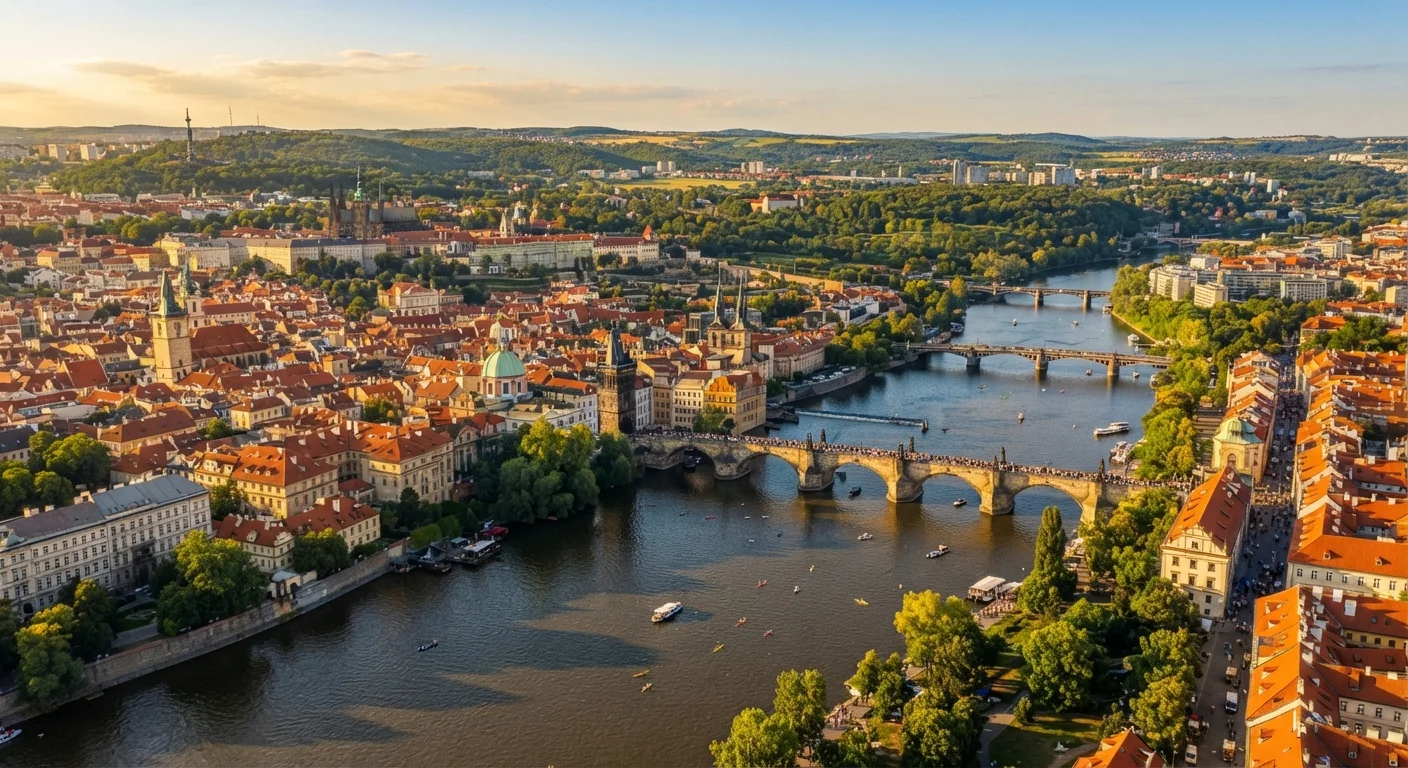
Urban travel is often framed as "exciting" in contrast to nature's "peaceful" - but that binary misses what city breaks are genuinely good at. A well-chosen city trip delivers concentrated access to culture, food, architecture, and human variety within a compact geography. You can move between a museum, a neighborhood market, and a concert venue in a single afternoon without logistics overhead.
City breaks tend to work well when your trip is short (two to four days), when you're traveling with someone whose interests differ from yours (cities offer parallel options), or when you want a trip you can plan lightly because infrastructure handles the rest. They're also more forgiving of weather disruptions - if it rains, the itinerary shifts indoors rather than collapses.
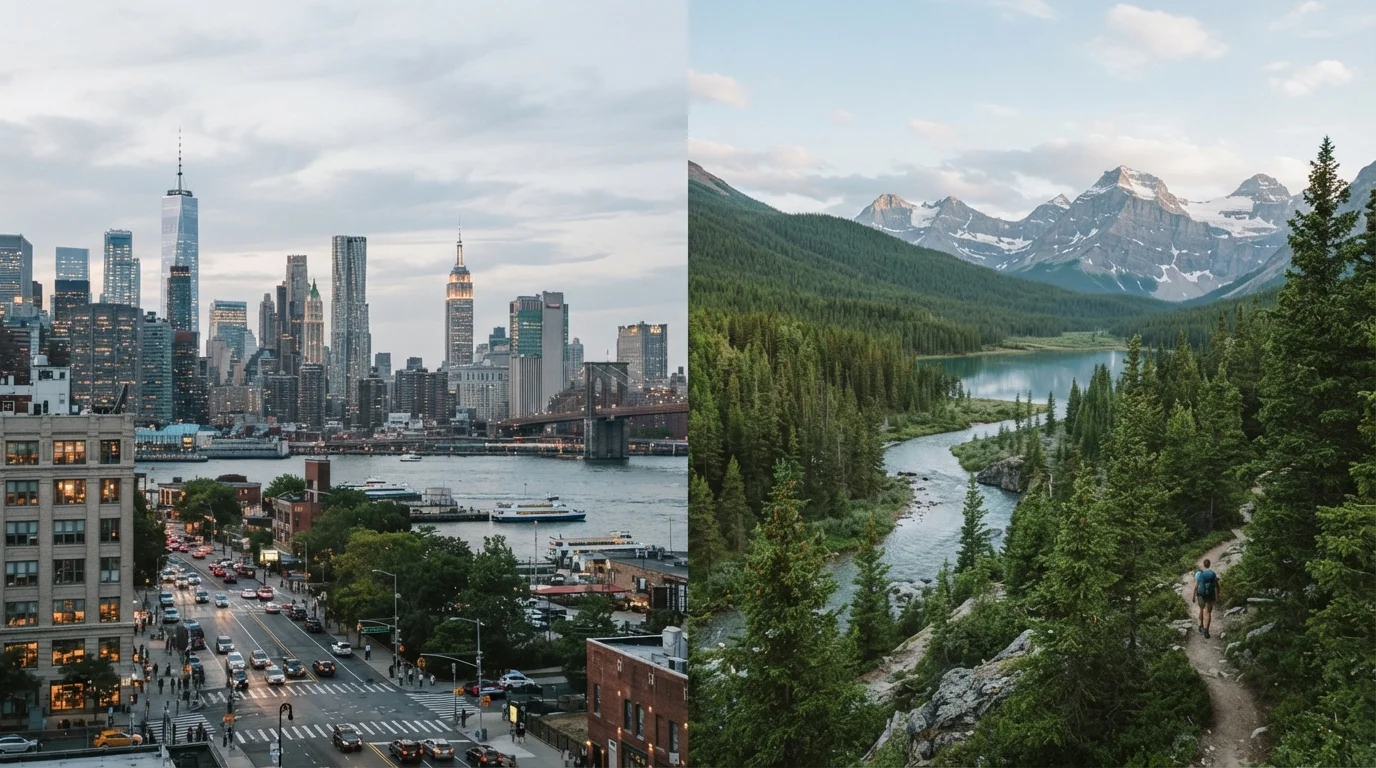
The trade-off is sensory load. Cities don't offer the nervous system a quiet baseline. If your goal is genuine decompression, you'll likely need to be intentional about building downtime into a city trip, or acknowledge that stimulation - not rest - is the actual goal. For those considering European options, European cities that double as regional bases can extend the value of a short urban trip considerably.
| City Break | Nature Retreat | |
|---|---|---|
| Ideal trip length | 2-4 days | 5+ days |
| Best for | Stimulation, culture, variety | Decompression, physical reset |
| Weather sensitivity | Low - flexible indoors | High - plans depend on conditions |
| Upfront planning required | Moderate | Higher |
| Budget predictability | Generally high | Variable (camping to lodges) |
| Connectivity/phone access | Typically reliable | Often limited or absent |
| Physical fitness dependency | Low to moderate | Moderate to high |
What Nature Retreats Actually Deliver
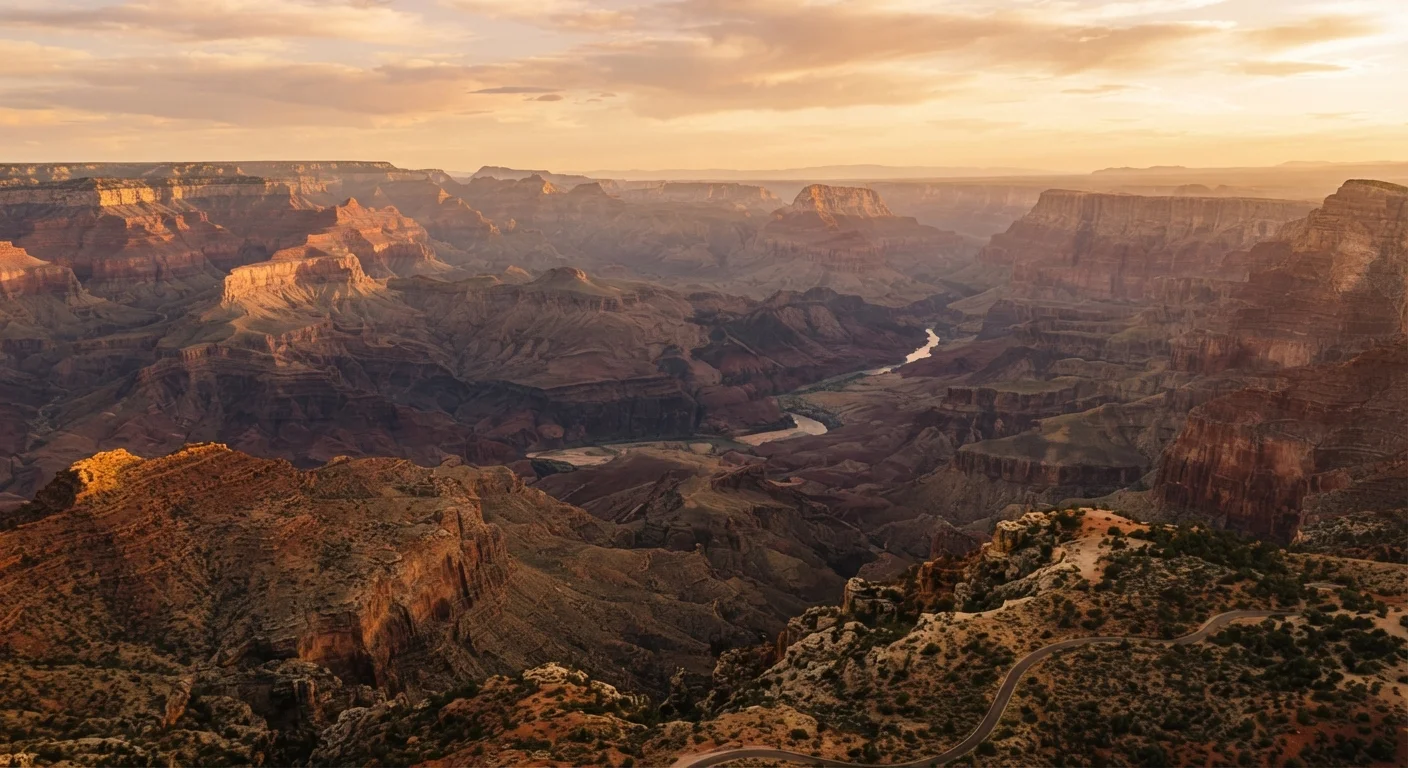
Nature-focused travel has accumulated significant attention in recent years, and there is a growing body of research suggesting that time in natural environments can support reductions in stress markers and improved mood - though individual responses vary, and no particular trip guarantees any specific outcome. What's more reliably true is experiential: natural settings remove the ambient noise, visual clutter, and social demands that characterize urban life.
Nature retreats tend to work well when your trip is longer (five or more days), when physical activity is part of the goal, or when you genuinely need a break from connectivity. They reward flexibility - you're not working against a fixed show time or restaurant reservation - and they tend to create stronger sensory memories precisely because the environment is less familiar.
The practical challenges are real, though. Weather determines the experience in ways a city visit doesn't. Logistics require more planning upfront. Physical fitness levels shape what's accessible. And some travelers find that without structured activity, the openness of a nature setting becomes a source of anxiety rather than relief. If US national parks are on your radar, which national parks are worth the journey can help you match park character to your travel style.
Don't Underestimate Logistics in Remote Areas
Nature retreats in genuinely remote locations require more preparation than many travelers anticipate. Cell service, emergency access, gear requirements, and permit systems all vary significantly by location and season. Always verify current conditions, entry requirements, and any permit availability through official land management agency sources before you travel - not just travel blogs or review sites.
Practical Filters: Budget, Duration, and Season
Beyond personal need, three practical variables sharpen the decision significantly.
Trip Length
Short trips (under four days) generally favor cities. Nature retreats often require travel time to reach, and a two-day window can be consumed by getting there and back. Longer trips (a week or more) can absorb that overhead and still deliver the immersive experience a wilderness setting requires.
Budget Realities
Cities vary enormously in cost, but mid-range urban travel is generally easier to budget with precision - accommodation, meals, and transportation are predictable and bookable in advance. Nature retreats can be inexpensive (camping, public land access) or expensive (private lodges, guided trips), with less middle ground. Understanding your actual budget before you choose is essential. Building a realistic travel budget before you book gives you a clearer picture of what each option actually costs end-to-end.
Seasonal Fit
Both trip types are dramatically shaped by when you go. A beach-adjacent nature retreat in hurricane season carries obvious risks. A city known for summer festivals visited in January offers a very different experience. Timing is a decision layer, not an afterthought. Planning around seasons and local events explains how to work this into your decision before you commit.
Once you've resolved destination type, building a well-structured itinerary is the logical next step - the structure of your days matters as much as where you go.
72%
Travelers citing rest as primary trip motivation
According to a widely cited American Express Travel survey, the majority of US travelers name rest and relaxation as their primary reason for taking a trip.
5+ days
Typical minimum for meaningful nature immersion
Travel researchers and psychologists studying restorative environments generally suggest that meaningful disconnection from urban stressors requires at least five consecutive days in a natural setting.