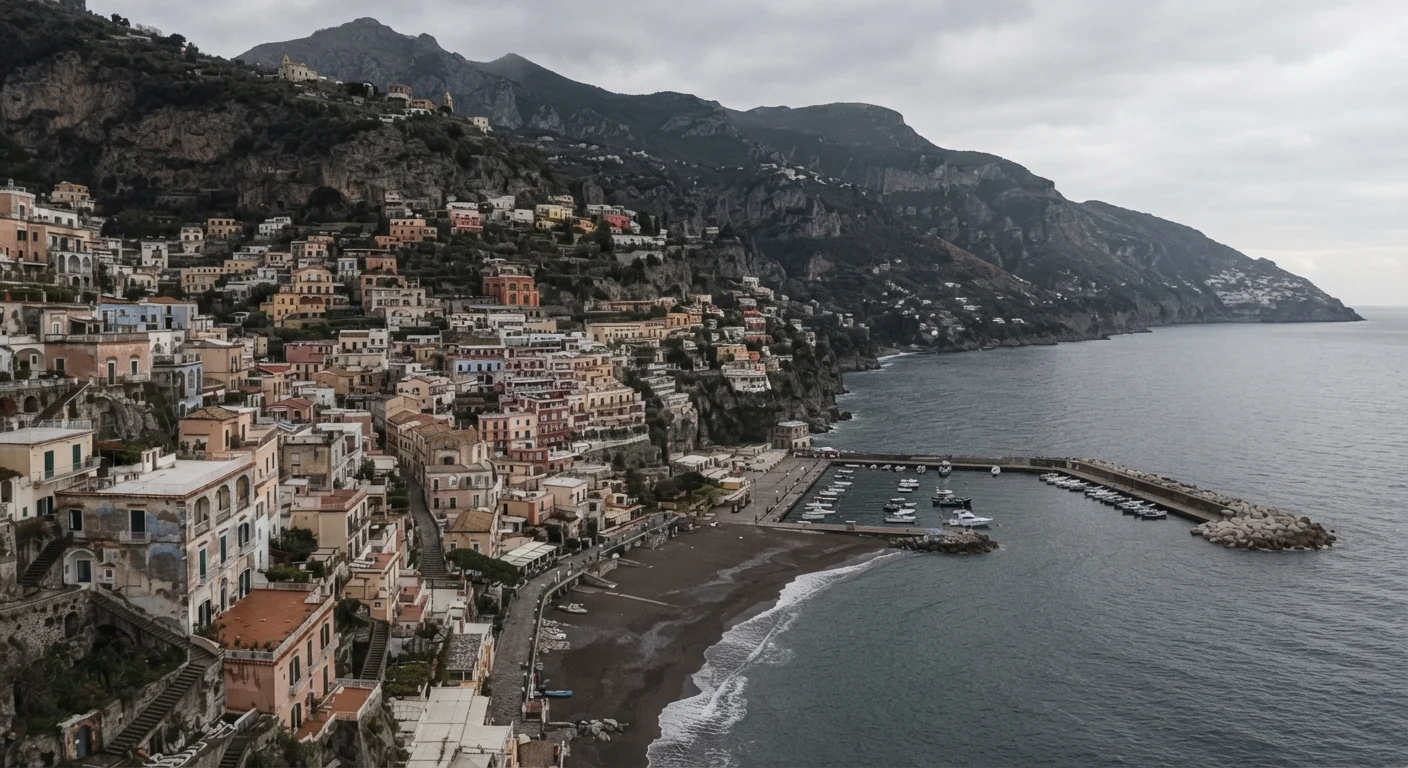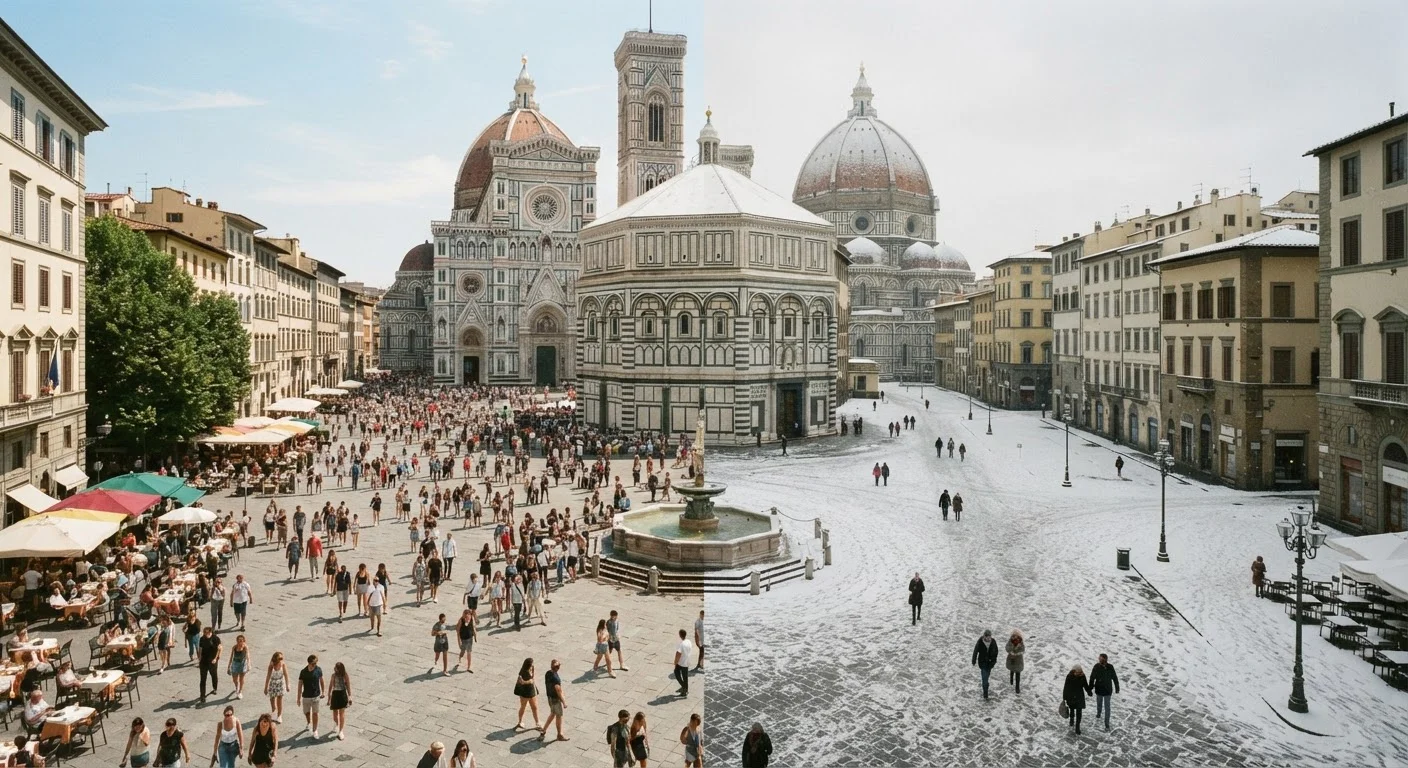

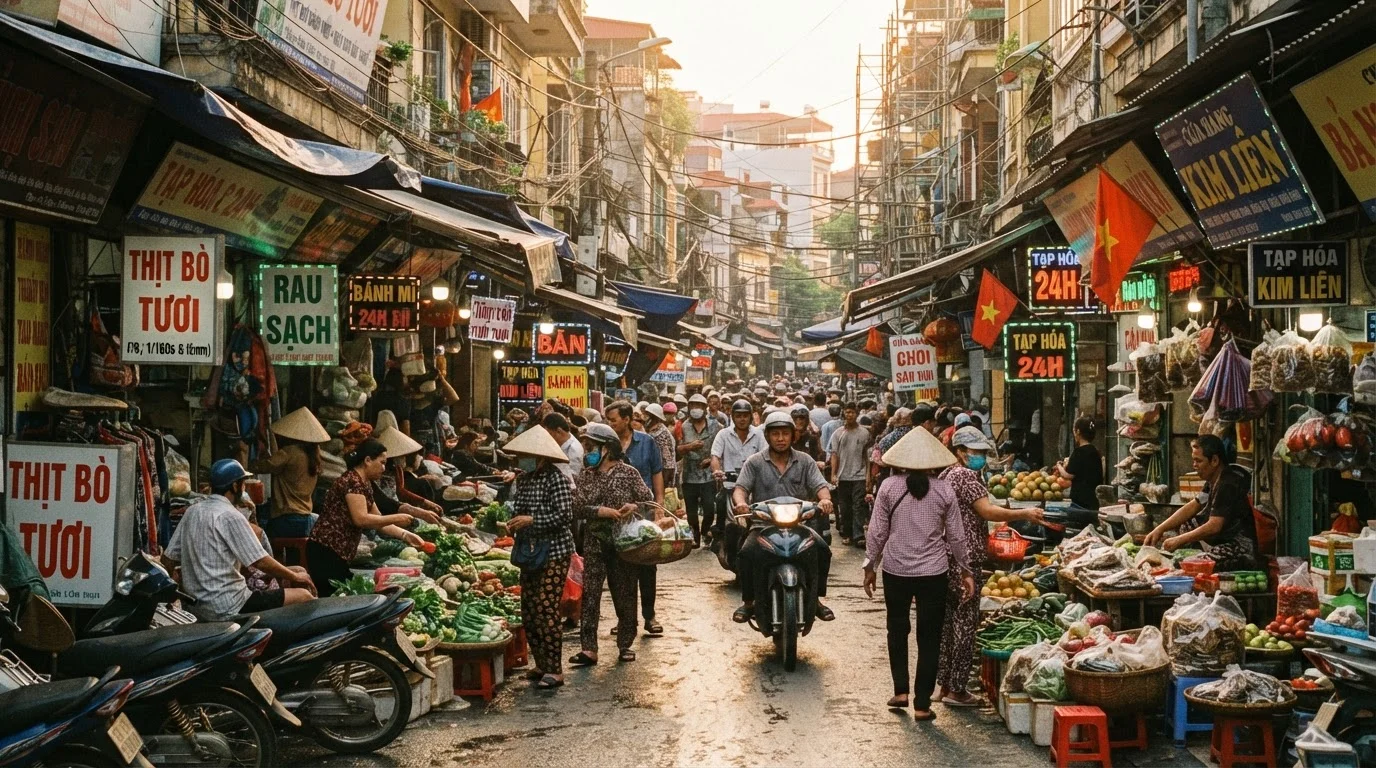
Why Tourism Images Are Designed to Mislead (Politely)
Every destination markets itself - cities, regions, and entire countries employ tourism boards whose job is to present the most appealing possible picture. That picture is not false, exactly. It simply omits: the rainy shoulder season, the traffic around the famous viewpoint, the neighborhoods that are visually unremarkable but house the city's actual daily life. When you plan a trip based primarily on that curated image, you're working from an incomplete brief.
The gap between marketing and reality isn't unique to any one place. It's structural. Understanding this upfront changes how you research. Instead of asking "where should I go?" you start asking "what is this place actually like, and does that match what I need from this trip?" That reframe is where smart trip planning begins.
See our look at what the internet gets wrong about trip planning for a broader examination of how common research habits can lead travelers astray.
Best Practices for Reading a Destination Critically
The following practices help you move beyond the promotional surface and develop a grounded understanding of any place you're considering.
Cross-reference tourism board content with local journalism and resident perspectives.
Official tourism sources and travel magazines often share the same source material and the same omissions. Local newspapers, city-specific subreddits, and resident-written blogs reflect a place's friction points - infrastructure issues, seasonal closures, neighborhood tensions - that promotional content systematically excludes.
Look up the destination's official government travel advisory and entry requirements directly.
Entry rules, health requirements, and safety conditions change, and third-party travel sites often carry outdated or oversimplified summaries. Checking your own government's advisory (for US travelers, travel.state.gov) alongside the destination country's official immigration portal gives you current, authoritative information rather than a summary that may lag behind by months.
Identify the neighborhood you'll actually be staying in - not just the city name.
City-level reviews obscure significant variation in character, safety, noise levels, and accessibility. A neighborhood that works well for solo travelers may be inconvenient for families; a walkable area in one season may feel isolated in another. Researching at the neighborhood level before you book accommodation prevents mismatches that are difficult to fix once you've arrived.
Search for the destination's known friction points, not just its highlights.
Actively querying a destination's downsides - overcrowding patterns, infrastructure limitations, common tourist frustrations - surfaces information that positive-framed searches miss entirely. Knowing that a UNESCO site requires timed tickets booked weeks in advance, or that a coastal town's roads grid-lock on summer weekends, lets you plan around real constraints rather than discover them on arrival.
Verify accessibility and practical logistics for your specific travel profile.
General destination coverage rarely addresses how a place works for travelers with mobility considerations, dietary restrictions, families with young children, or those traveling without a car. These practical dimensions significantly affect whether a destination is a good match - and they require targeted research rather than assuming a popular destination is universally accommodating.
Seasonal and Neighborhood Realities: The Two Blind Spots
Two dimensions of a destination are almost always underrepresented in mainstream travel content: what a place is like during different seasons, and how it varies by neighborhood.
Seasonality affects everything from weather and crowd density to which attractions are open and whether prices are accessible. A coastal town photographed in July looks entirely different in November - and for some travelers, the November version is genuinely preferable. Our guide on what off-season actually means for popular destinations unpacks how these tradeoffs play out in practice.
Neighborhood character is equally invisible in most destination coverage. Tourism content concentrates on a handful of photogenic zones, but the neighborhood where you stay - or eat, or walk in the evenings - shapes the texture of your entire trip. A hotel in a quieter residential area and one near the main tourist drag can be two entirely different travel experiences in the same city.
Use Street-Level Mapping Tools Strategically
Virtual street-level views of a neighborhood can reveal details that photos and descriptions obscure - the density of tourist infrastructure, the presence of construction, how a waterfront actually looks rather than how it's framed. Spend five minutes virtually walking the streets around any accommodation you're considering before committing. It's a low-effort check that frequently changes the decision.
When researching neighborhoods, look for local food blogs, city subreddits, or municipal planning resources rather than travel aggregators. These surfaces are less curated and more likely to reflect current, ground-level reality. Checking how seasons, crowds, and local events should factor into your planning alongside neighborhood research gives you both dimensions at once.
Quick Wins: Start Here Before You Book
Critical destination research doesn't require hours of deep-dive journalism. A few targeted moves early in your planning process can surface the most important gaps in the promotional picture.
For travelers deciding between destinations - especially weighing a city-focused versus nature-focused trip - this kind of critical reading pairs well with a clearer sense of what you actually want. Our framework for matching a destination to what you actually need can help you ask better questions before you start the research process.