
Why 'Off-Season' Isn't One-Size-Fits-All
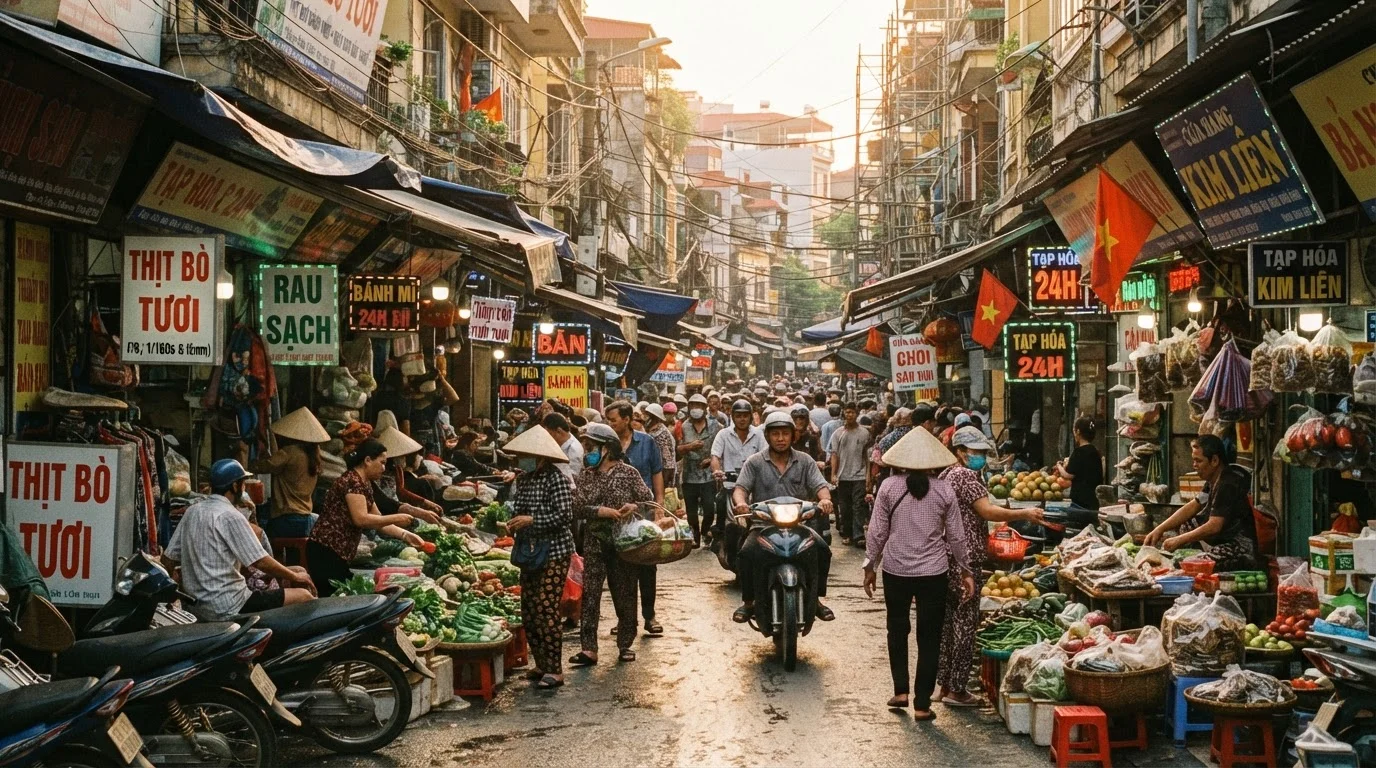
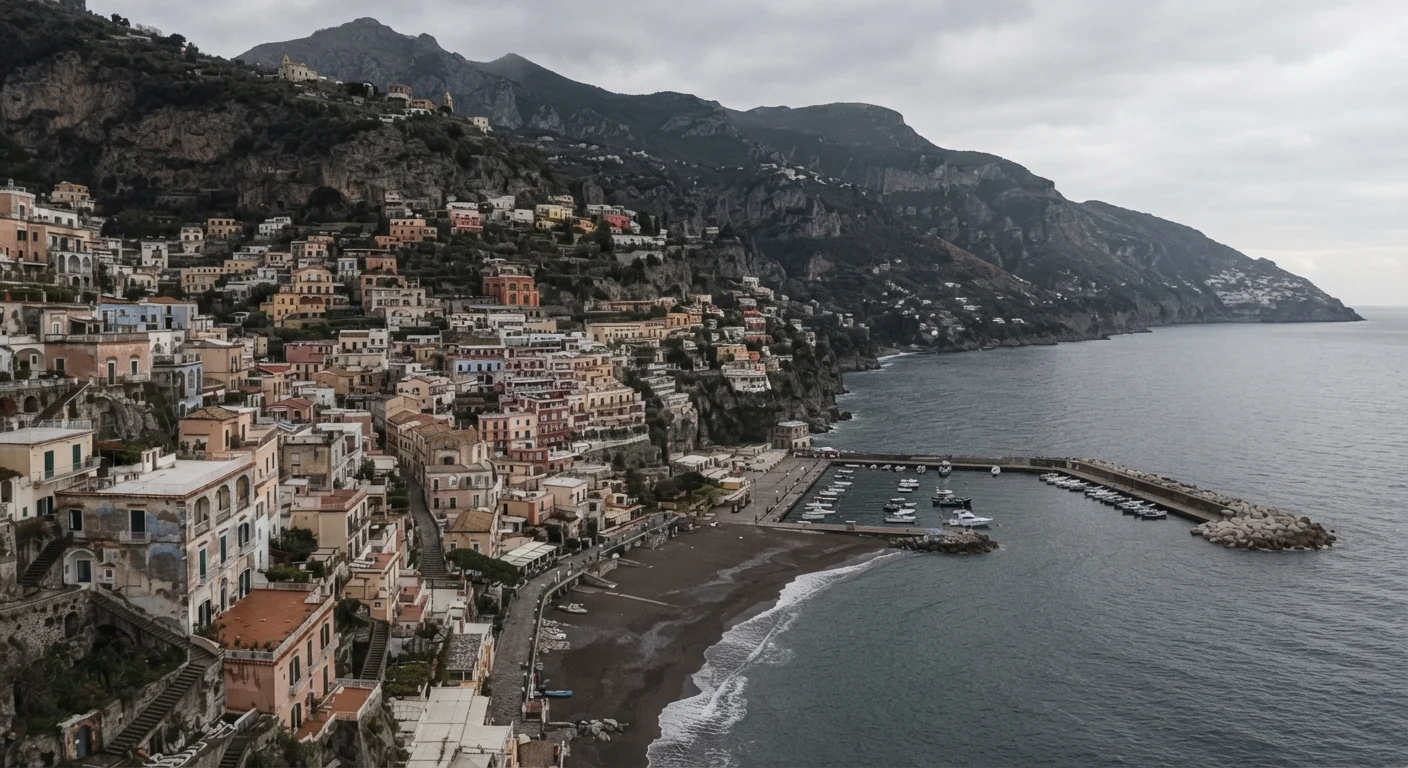
Travel blogs often treat off-season as a universal shortcut to cheaper, less crowded trips. The reality is more nuanced. Off-season is shaped by the specific rhythms of each destination - its climate cycles, its primary visitor base, and the local economy it supports. A coastal town in New England goes quiet after Labor Day; a ski resort in Colorado empties out in spring; a temple city in Southeast Asia experiences relative quiet during its monsoon months.
The label 'off-season' is essentially shorthand for when the most visitors don't come. Understanding why they don't come is far more useful than knowing simply that they don't. For help thinking about what you personally need from a destination, see our guide on matching a destination to what you actually need.
Low Season vs. Shoulder Season: A Quick Distinction
Many destinations have three distinct demand tiers: peak, shoulder, and low. Low season typically brings the steepest price drops but also the most closures and fewest services. Shoulder season - the transition windows on either side of peak - often delivers a more functional travel experience with many of the same cost benefits. Identifying which tier you're actually booking into makes a meaningful difference in what to expect.
The Real Tradeoffs: What Actually Changes Off-Season
When demand drops, so does supply. Restaurants that thrive in summer may close entirely in November. Ferry services that run three times a day in July may run once a week in January - or not at all. This isn't a minor inconvenience; it can reshape the kind of trip you're able to take.
On the upside, the places that do stay open are often more manageable. You're more likely to get a table without a reservation, walk through a museum at a comfortable pace, or have a beach to yourself. The experience can feel more like travel and less like crowd management.
Weather is the most commonly misread variable. Off-season doesn't always mean cold or rainy - sometimes it means pleasantly mild. In the Mediterranean, late autumn offers warm days and thin crowds. In parts of Central America, the dry season is actually the busy season; the 'rainy season' is the off-season, despite bringing only afternoon showers rather than all-day downpours.
30-50%
Typical accommodation price drop in low season
Industry analyses consistently show meaningful rate reductions during low-demand travel periods, though the actual range varies significantly by destination and property type.
~6 months
Duration of hurricane season in the Atlantic
The Atlantic hurricane season officially runs from June through November, directly overlapping with the 'off-season' for many Caribbean destinations marketed to winter travelers.
For a more analytical lens on researching what a destination is actually like, reading a destination beyond its tourism image offers a practical framework.
Shoulder Season: The Often-Overlooked Middle Ground
Between peak and low lies shoulder season - and for many travelers, this is where the real value lives. Visitor numbers have dropped enough to ease congestion, prices have softened, but services haven't yet scaled back. The weather may be slightly less reliable than peak season, but that's often an acceptable tradeoff.
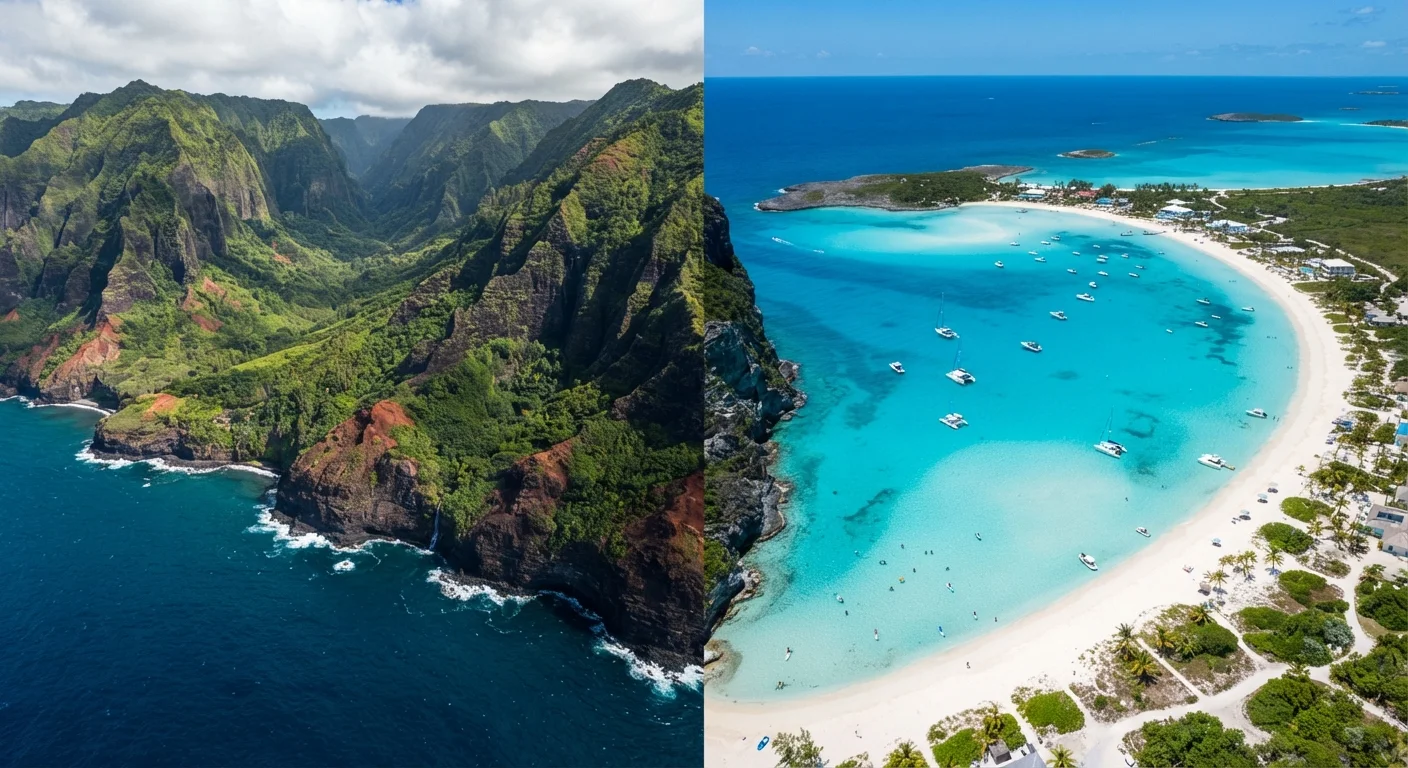
Shoulder season timing varies: for European cities, it often means May or early October. For tropical island destinations - whether you're comparing Hawaii versus the Caribbean - it typically falls between their respective hurricane windows and peak winter travel months.
Test the Shoulder Season Logic Before You Book
Before committing to a shoulder-season window, check whether major local events or national holidays fall within your dates. A 'quiet' week in October can become a sold-out one if a major festival or public holiday coincides. Local tourism board event calendars are the most reliable source for this.
When building your timeline, factor in local events and public holidays that can create unexpected peak conditions even during nominally quiet periods. Our guide on planning around seasons, crowds, and local events breaks this down in detail.
How to Actually Research a Destination's Off-Season
Generic travel advice - 'go in the off-season to save money' - is a starting point, not a strategy. To make an informed decision, you need destination-specific information.
- Check official tourism board resources for seasonal summaries and event calendars.
- Look at historical weather data (not just averages - precipitation and storm patterns matter).
- Read recent traveler reports on forums and review platforms, filtering for your target travel window.
- Verify transportation and attraction hours directly with providers before booking.
The work pays off. Travelers who understand a destination's specific seasonal behavior make better decisions - and have fewer unpleasant surprises. If you're ready to move from research to budgeting, building a realistic travel budget before you book is the natural next step.