
Why Timing Is a Planning Decision, Not an Afterthought
Most travelers pick a destination first and dates second. That sequence works fine for flexible trips, but it can quietly undermine the experience - sending you to a beach resort during hurricane season, a national park during a holiday weekend bottleneck, or a European city during its biggest trade fair, when hotel rooms triple in price.
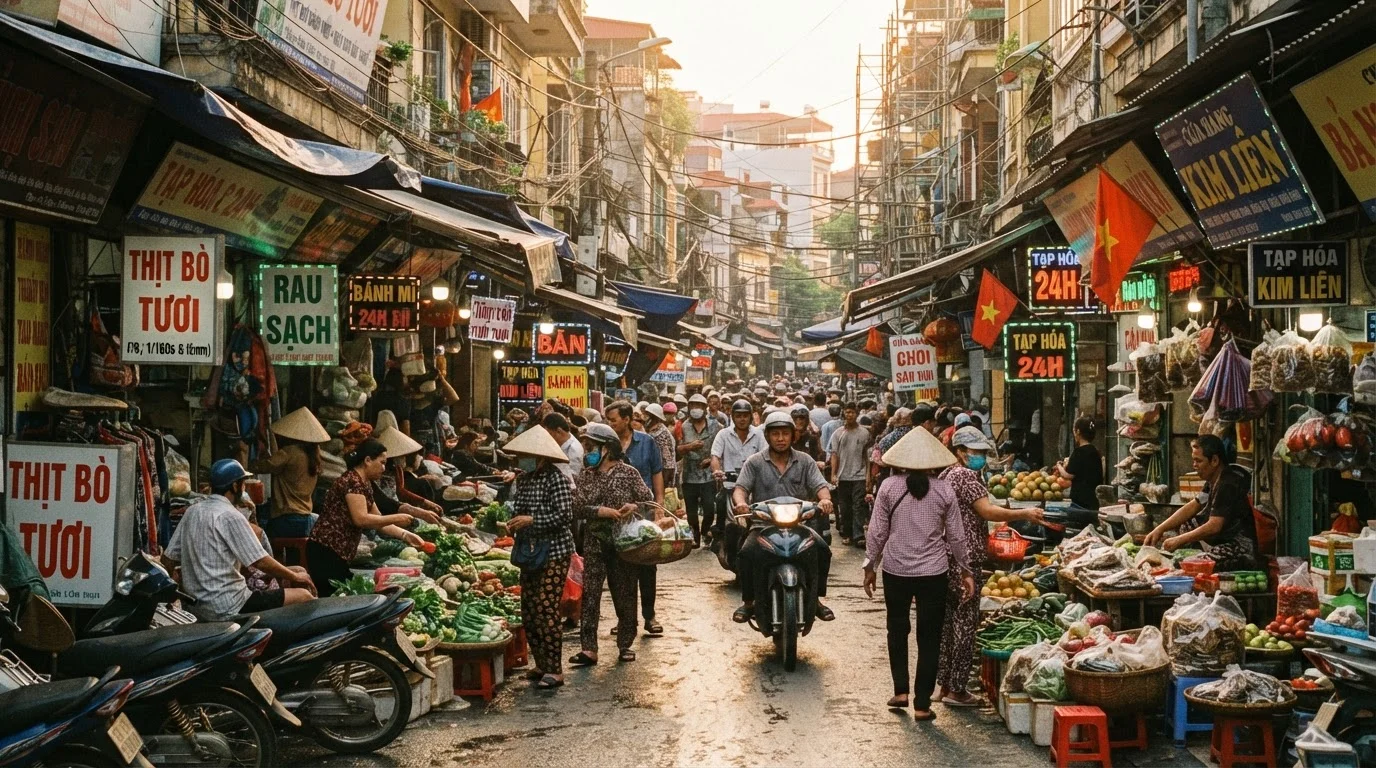
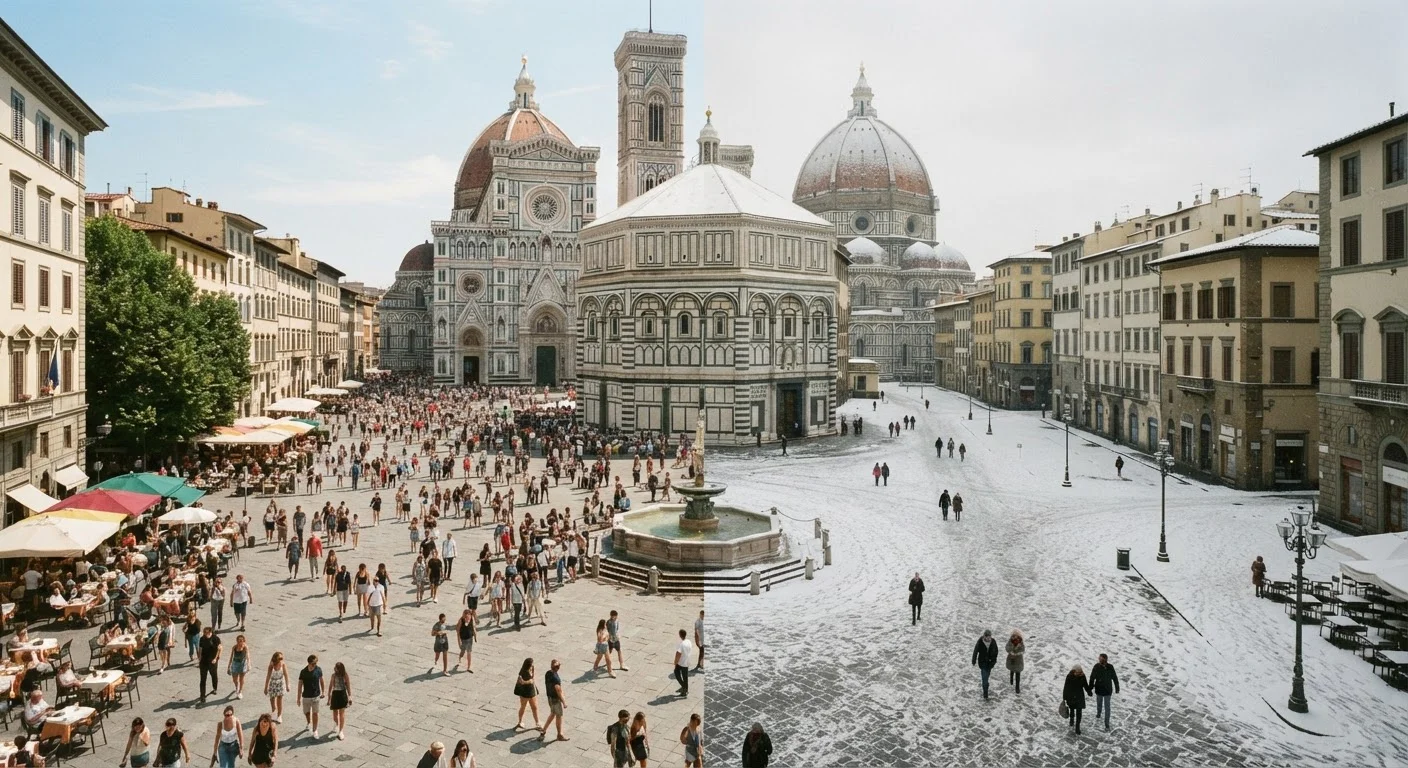
Timing shapes the trip you'll actually have, not just the one you planned. The crowd level, the weather, the local energy, even what's open - these all hinge on when you arrive. Reading a destination critically means understanding its seasonal realities, not just its promotional highlights.
The factors below give you a practical framework for building the calendar around your trip rather than bolting it on at the end. Use them in combination - no single variable tells the full story.
Understand what 'peak season' actually means for your specific destination
Peak season is not universal. In many Caribbean destinations, high season runs from December through April - the dry season that coincides with North American winter escapes. In Iceland, summer is peak season for road trips and the midnight sun, while winter draws aurora chasers. In much of Southeast Asia, the dry season is the draw, which varies by country and sometimes by region within a country.
Before assuming summer equals busy everywhere, research the specific demand drivers for your destination. Ask: what are people coming for, and when does that experience peak? That answer tells you when prices spike, when accommodations book out, and when crowds concentrate at key sites.
For US destinations specifically, national parks see their most intense crowding in July and August, when school is out and road trip season peaks - but many parks offer quieter, equally compelling experiences in May, September, or even winter.
Peak season is destination-specific - knowing what drives demand tells you when prices and crowds spike.
Learn the difference between shoulder season and off-season
These terms get used interchangeably, but they describe different tradeoffs. Shoulder season sits between peak and off-peak - typically spring and fall for many northern hemisphere destinations - and often delivers the most balanced experience: reasonable weather, thinner crowds, and lower prices than peak without the full compromises of off-season.
Off-season means accepting that some things won't be available. Restaurants close, tour operators scale back, and some accommodations shut entirely. The savings are real, but so are the limitations. What off-season actually means varies significantly by destination - a ski town in summer and a beach town in winter are fundamentally different propositions.
The right choice depends on what you want from the trip. If you're after a specific activity or atmosphere, prioritize that over price. If flexibility is your priority, shoulder season is usually the sweet spot.
Shoulder season usually offers the best balance of weather, crowds, and cost for independent travelers.
Check the local holiday and event calendar before finalizing dates
Local holidays affect travel in ways that aren't always obvious from the outside. A national holiday might mean a festive atmosphere - or it might mean that most museums are closed, transit runs on a reduced schedule, and every hotel in the city is booked by domestic travelers.
Major events - music festivals, sporting tournaments, trade shows, religious observances - compress accommodation supply and can push prices to multiples of their normal rate. Booking into a city during a major convention without knowing about it is one of the more avoidable planning mistakes travelers make.
Research both the destination country's public holidays and any recurring large-scale events. Tourism board websites, local event calendars, and travel forums specific to the destination are useful sources. Verify current schedules directly with official sources before booking, as event dates shift year to year.
Local holidays and major events can close attractions and compress accommodation supply - always check before booking.
Factor in climate beyond just temperature
Many travelers look at average monthly temperatures and stop there. But climate involves more than heat or cold - humidity, precipitation patterns, UV intensity, and air quality all shape what a destination actually feels like on the ground and what's safely or comfortably doable.
A destination that averages 85°F in August might be perfectly manageable or genuinely oppressive depending on humidity. Monsoon season brings heavy rain but also lush landscapes and fewer tourists - whether that's a problem or a feature depends on your trip goals. Wildfire smoke has increasingly affected air quality in parts of the western US during summer months, which matters for outdoor itineraries.
The US Southwest is a useful example: summer heat in canyon country can make midday hiking genuinely dangerous, which restructures an entire day's agenda. Climate data should inform your daily planning, not just your packing list.
Climate means more than temperature - humidity, precipitation, and air quality all shape what's actually doable on the ground.
Consider how crowd levels interact with your itinerary structure
Crowd levels aren't just an aesthetic concern - they have practical consequences for how you structure time. At high-demand sites, entry may require advance timed tickets. Popular restaurants may book out weeks ahead. Trails have capacity limits. Transport hubs get congested in ways that add meaningful time to transfers.
If your itinerary is tightly sequenced, these friction points compound. Rushed trips often trace back to underestimating how much crowd-related friction slows things down during peak periods.
Building in buffer time and reserving popular attractions early are practical responses - but so is reconsidering whether peak timing genuinely serves your goals. If your priority is atmosphere over access to specific sites, a quieter window may let you move more freely and experience places more authentically than a peak-season visit with reservations at every turn.
Crowds don't just affect ambiance - they create practical friction that compounds across a tightly scheduled itinerary.
Use timing to find events worth building a trip around
The logic also runs the other direction: sometimes an event or seasonal phenomenon is the reason to travel at a specific time, and you should let that anchor the whole trip. Cherry blossoms in Washington D.C., fall foliage in New England, Mardi Gras in New Orleans, local harvest festivals, annual cultural celebrations - these are experiences tied to a precise window that can't be replicated at another time of year.
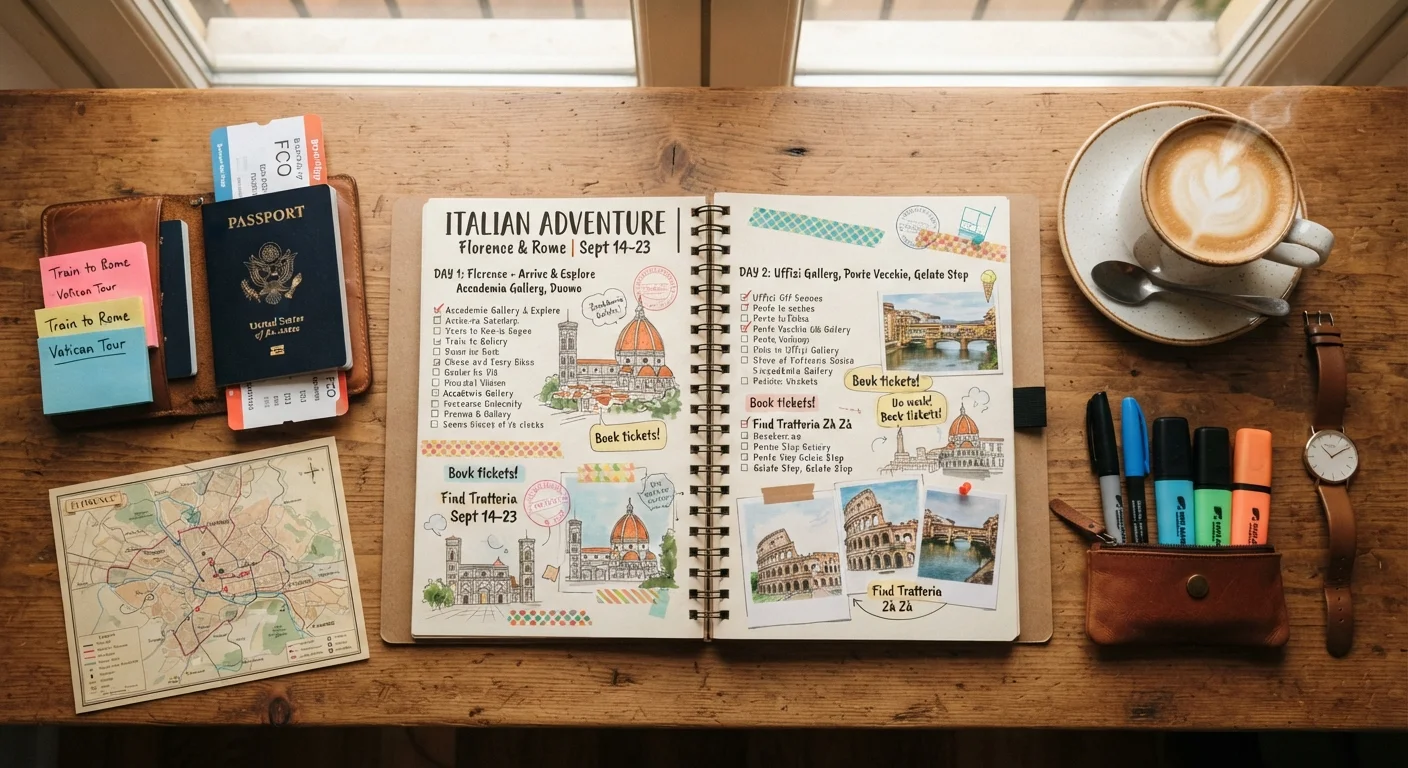
When an event is the point, the planning sequence inverts: you lock the dates first, then build the itinerary around them. That means earlier booking windows for accommodation and transport, and more flexibility elsewhere in the schedule to absorb the elevated prices and logistics of a busy period.
The key distinction is intentionality. Knowing you're traveling into a crowded, expensive window because a specific experience is worth it is a different situation from arriving during a holiday weekend without realizing it.
Some seasonal events are worth building an entire trip around - letting them anchor your dates is a legitimate planning strategy.
Putting the Framework Together
None of these factors operates in isolation. A destination might have perfect weather in April, but if that coincides with a national holiday, you're still navigating crowds and elevated prices. Run through each variable together rather than checking them off separately.
Build a simple timing checklist
For any destination you're seriously considering, run through these four questions before committing to dates: What's the weather pattern for each month? When does domestic tourism peak? Are there major events or holidays during my window? What closes or scales back in the quieter months? Answering these upfront takes less than an hour of research and can prevent the most common timing mistakes.
Once you've landed on viable travel windows, timing decisions feed directly into your itinerary structure. See how a well-built itinerary incorporates these variables - and how your budget shifts depending on which window you choose. The goal isn't to find the perfect moment - it's to make an informed choice about the tradeoffs you're willing to accept.