
Why Not Every Famous Park Fits Every Traveler
The US national park system protects more than 400 sites, but a handful dominate the conversation - and the parking lots. The challenge for most travelers isn't finding a park to visit; it's cutting through the hype to figure out which one actually fits their trip. A park that feels transcendent to a solo backpacker might be frustrating for a family with young children, and vice versa.
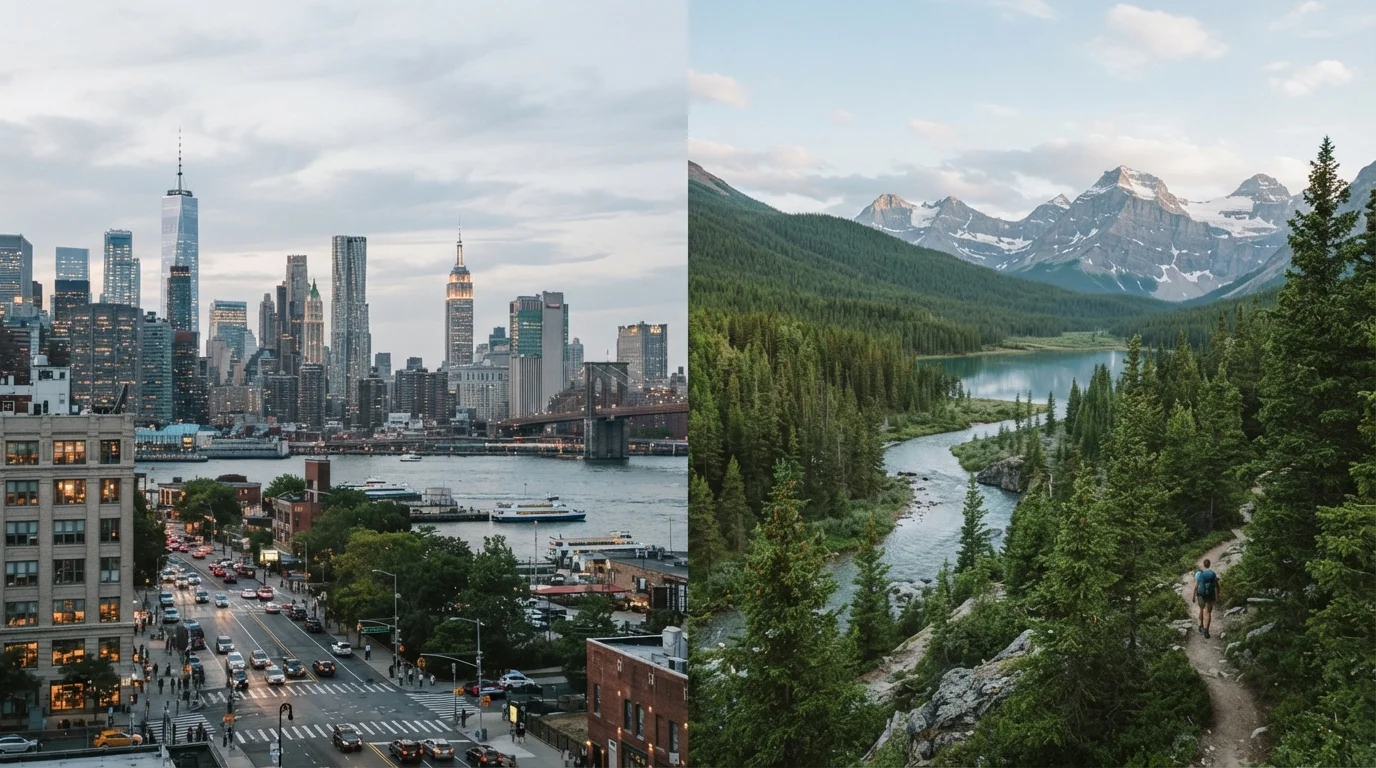
Before choosing, it helps to think in terms of four variables: terrain type, physical demand, crowd tolerance, and logistical complexity. These factors shape the trip you'll actually have, not just the photos you'll take. For a broader framework on this kind of destination matching, see City Break vs. Nature Retreat.
| Grand Canyon | Yellowstone | Zion | Acadia | Great Smokies | |
|---|---|---|---|---|---|
| Terrain type | Desert canyon | Geothermal plateau | Sandstone slot canyons | Coastal granite | Appalachian forest |
| Physical demand | Low (rim) to very high (descent) | Low to moderate | Moderate to high | Low to moderate | Low to moderate |
| Peak crowd level | Very high (summer) | Very high (July-Aug) | Very high (spring-fall) | High (July-Aug) | Extremely high year-round |
| Entry fee required | Yes | Yes | Yes | Yes | No |
| Permit/reservation needed | Lodging books out early | Campsite reservations | Trail lottery permits | Vehicle reservations (peak) | None currently |
| Best for wildlife | Condors, mule deer | Bison, wolves, bears | Deer, bighorn sheep | Seabirds, seals | Black bears, elk |
| Minimum days recommended | 2-3 days | 3-5 days | 2-3 days | 2-3 days | 1-2 days |
The Big Five: What Each Park Actually Delivers
Grand Canyon (Arizona)
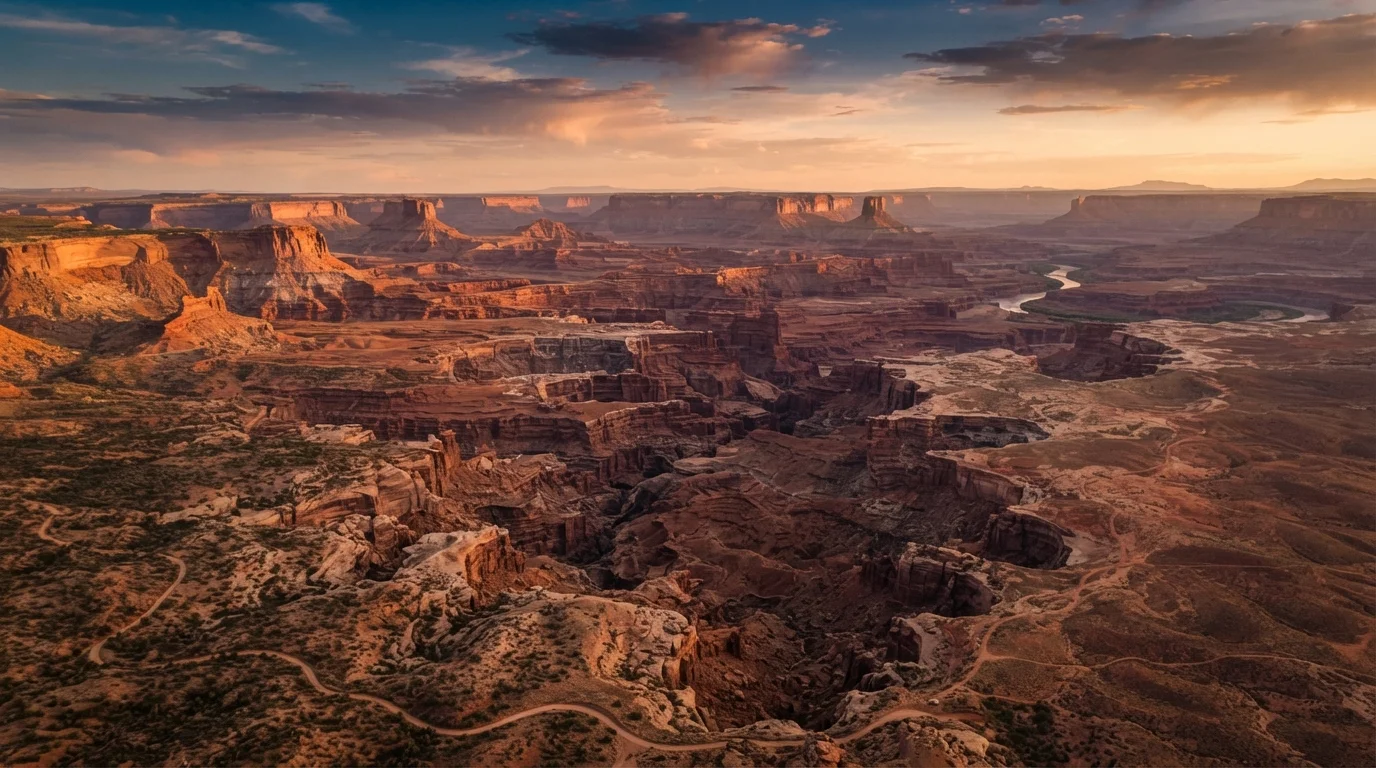
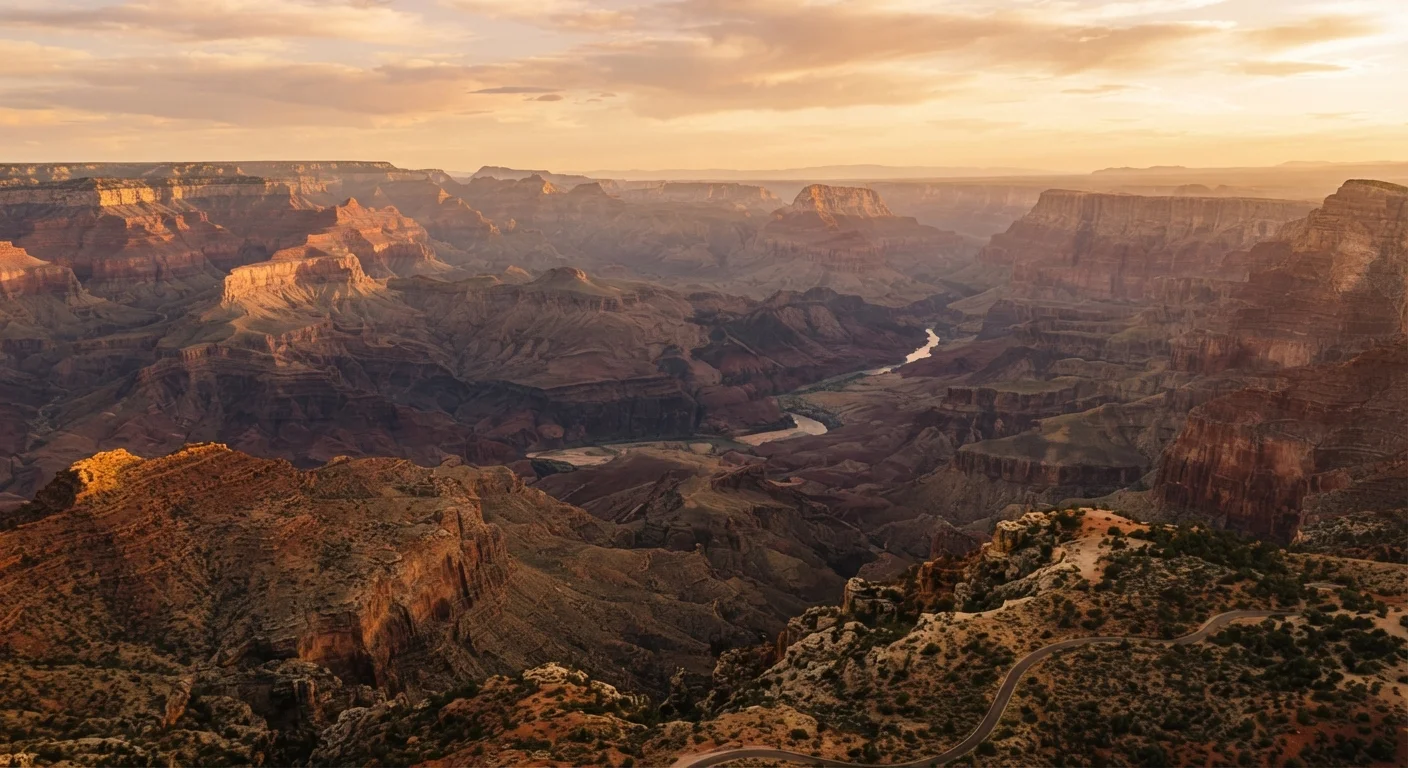
The scale is genuinely disorienting - the South Rim sits at roughly 7,000 feet, and the canyon floor is more than a mile below. Most visitors stay on the rim, which delivers the famous views with minimal physical effort. Descending into the canyon is a different proposition entirely: it's hot, steep, and demands careful planning around water and temperature. For a broader look at the region's geography and seasonal rhythms, Planning a Trip to the US Southwest is a useful companion read.
Yellowstone (Wyoming/Montana/Idaho)
Yellowstone is the only place in the US where visitors can see geothermal features - geysers, hot springs, fumaroles - alongside large wildlife including bison, wolves, and grizzly bears. The sheer geographic size (more than 2.2 million acres) means a single day barely scratches the surface. Plan for at least three days and accept that wildlife sightings are never guaranteed.
Zion (Utah)
Zion's defining feature is its slot canyon landscape - narrow sandstone walls that filter light in extraordinary ways. The popular Angel's Landing and The Narrows hikes have become so sought-after that the park now uses a permit lottery system for key trails. Zion is physically demanding and logistically tight, but the payoff for prepared hikers is real.
Acadia (Maine)
Acadia stands apart because it combines coastal scenery, forested carriage roads, and granite summit views in a compact footprint. It's more manageable in size than western parks and rewards slow, attentive travel. The park is accessible from Bar Harbor and draws heavily in summer - shoulder seasons in May and October offer thinner crowds and striking light.
Great Smoky Mountains (Tennessee/North Carolina)
The most visited park in the system, Great Smokies is free to enter and sits within a day's drive of a third of the US population. The landscape - layered blue-hazed ridges, old-growth forest, historic Appalachian structures - is quieter and more pastoral than the dramatic western parks, but no less rewarding for those who slow down.
Go Deep Rather Than Wide
First-time park visitors often try to fit too many parks into a single trip. A focused two or three days in one park - with time for a second hike, an early-morning visit, and a slower pace - will yield a richer experience than rushing through four parks in a week. Save the multi-park circuit for when you already know what each landscape demands.
Planning Decisions That Change the Experience
Timing matters as much as destination. Yellowstone in January and Yellowstone in July are functionally different trips - one offers solitude and wolf-tracking on snow; the other means gridlocked roads and packed boardwalks. Planning Around Seasons and Crowds walks through how to think about peak and shoulder windows systematically.
Reservation systems have become standard at high-traffic parks. Zion, Rocky Mountain, and several others now require timed-entry permits for vehicles during peak months. These systems open weeks or months in advance and sell out quickly, so building your travel itinerary around confirmed permit dates - rather than adjusting permits to fit a loose plan - is the more reliable approach.
325M+
Annual US national park visits
The National Park Service reports more than 325 million recreational visits to park units annually across all system sites.
12.9M
Great Smoky Mountains annual visitors
Great Smoky Mountains consistently ranks as the most visited unit in the national park system, drawing nearly double its nearest competitor.
Finally, consider proximity to other destinations. Parks rarely exist in isolation. Zion sits near Bryce Canyon and Capitol Reef; Acadia is a natural anchor for a broader New England loop. If road-tripping between coastal and natural landscapes appeals, The Pacific Coast Highway offers a model for structuring multi-stop journeys around a single defining route.
This article provides general travel information only. Entry requirements, reservation systems, permit availability, and park conditions can change. Verify current details directly with the National Park Service before finalizing plans.