
The Gap Between Moisturising and Actually Staying Moisturised
Reaching for a moisturiser is second nature for most people dealing with dry skin - but if you're applying it diligently and still feeling tight, flaky, or uncomfortable hours later, the product itself is rarely the problem. More often, it's a handful of routine habits that quietly undermine what the moisturiser is trying to do.
Understanding how moisturisers actually work helps close that gap. Most formulas rely on three types of ingredients working together: humectants (like glycerin or hyaluronic acid) that draw water toward the skin, emollients (like fatty acids or plant oils) that smooth and soften the skin surface, and occlusives (like petrolatum or beeswax) that form a seal to prevent moisture from escaping. When any part of that system is disrupted - by timing, formula, or routine habits - the whole process becomes less effective. For a fuller picture of what each skincare step is designed to do, see the anatomy of a skincare routine.
~30%
Moisture lost to transepidermal water loss daily
Dermatology research consistently estimates that the skin loses a significant percentage of its water content through the outer skin layer each day, a process called transepidermal water loss (TEWL).
3 min
Window to apply moisturiser after cleansing
Skin science guidelines commonly recommend applying moisturiser within two to three minutes of cleansing while skin is still slightly damp, to help seal in surface moisture.
Common Moisturising Mistakes - and How to Fix Them
The following mistakes are among the most frequently overlooked reasons moisturiser underperforms. Each one has a straightforward fix that doesn't require overhauling your entire routine.
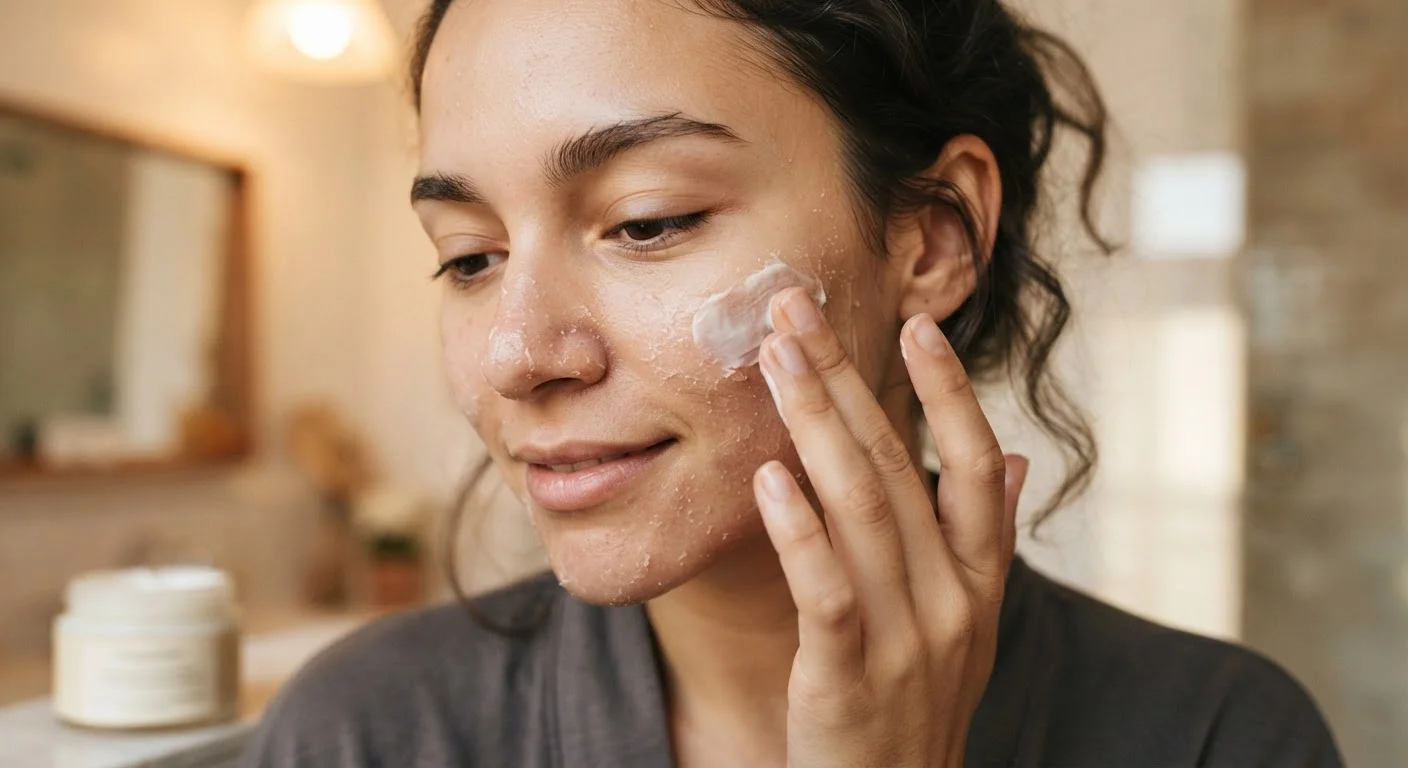
Applying moisturiser to completely dry skin rather than damp skin.
Why it happens: Most people wait until their skin feels tight and dry before reaching for moisturiser, which feels intuitive but misses the optimal window.
Using a moisturiser that doesn't match your skin type or climate.
Why it happens: Many people choose moisturisers based on marketing language like "lightweight" or "rich," rather than checking whether the formula contains humectants, emollients, and occlusives suited to their needs.
Skipping the occlusive layer that seals moisture in place.
Why it happens: Occlusives (ingredients that create a physical barrier on the skin surface) feel heavy and unfamiliar, so many people opt for thin serums or lightweight lotions and wonder why the hydration doesn't last.
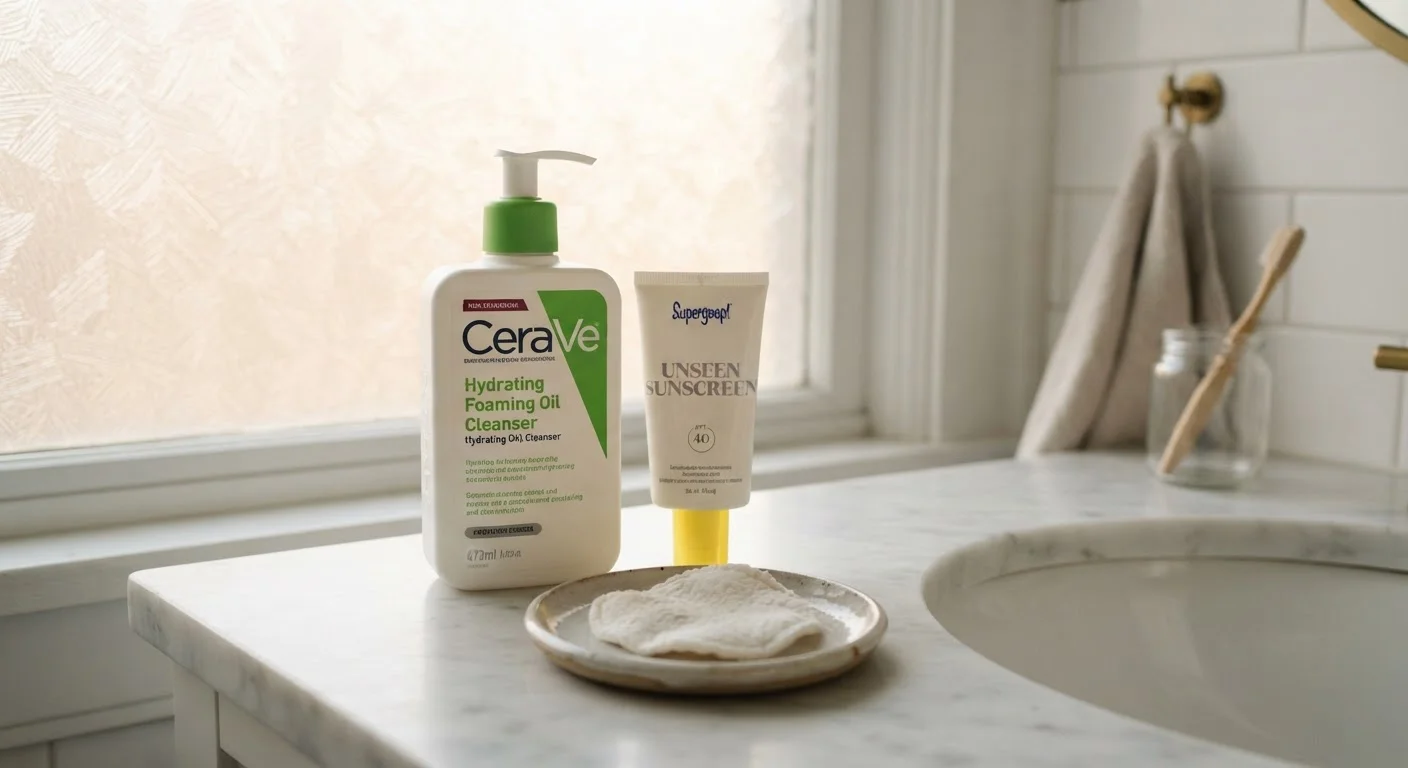
Over-cleansing or using harsh, foaming cleansers that strip the skin barrier.
Why it happens: A "squeaky clean" feeling after washing is often mistaken for thorough cleansing, when it actually signals that the skin's natural oils and lipids have been disrupted.
Applying too thin a layer and expecting full coverage to work.
Why it happens: People often use the smallest amount possible to avoid a greasy feeling, but an insufficient layer can't form an effective protective film across the skin surface.
Moisturiser Cannot Fix a Damaged Skin Barrier
If your skin feels persistently dry, tight, or flaky despite a consistent moisturising routine, the underlying cause may be a compromised skin barrier rather than the wrong product. Conditions such as eczema, psoriasis, or contact dermatitis require professional evaluation. This article is for general informational purposes only and is not a substitute for advice from a qualified dermatologist or healthcare provider.
Building a Routine That Actually Holds Moisture
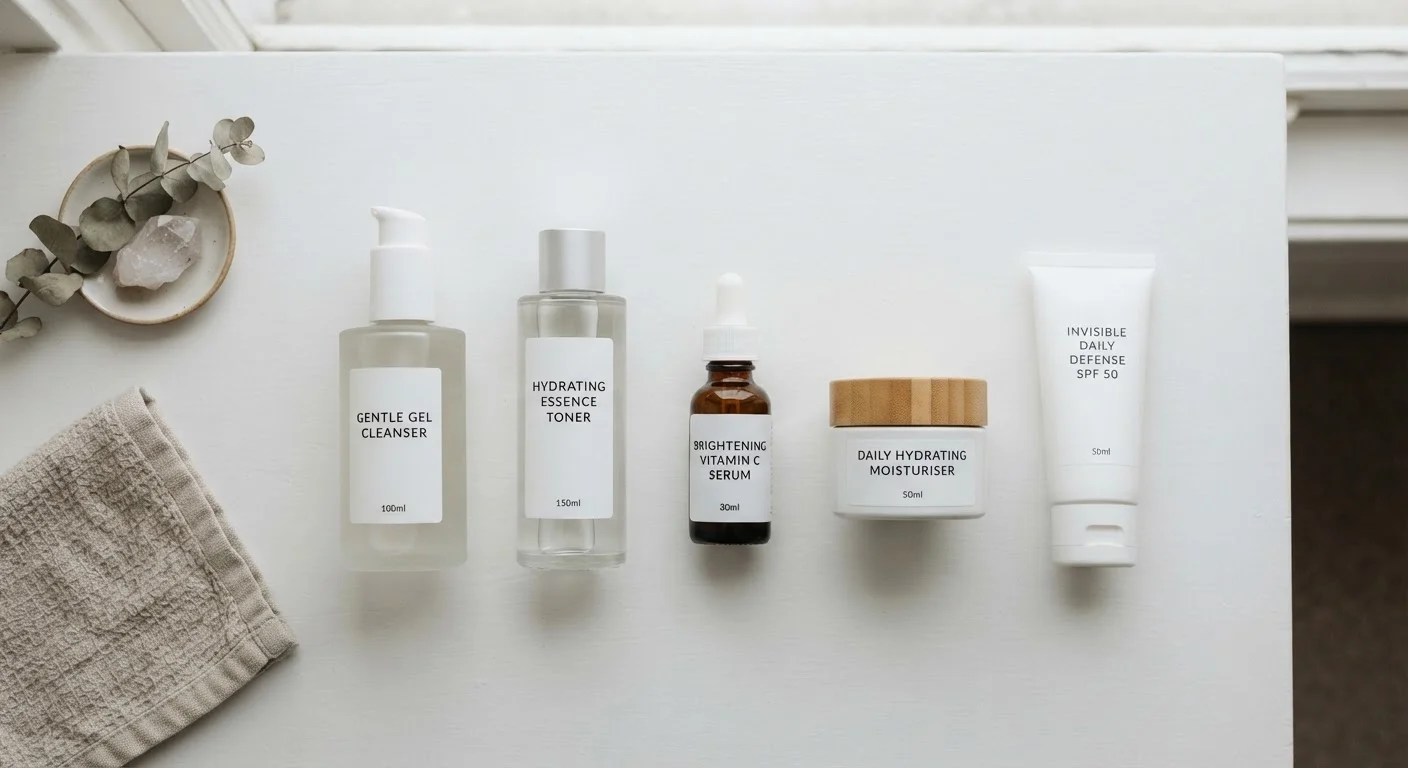
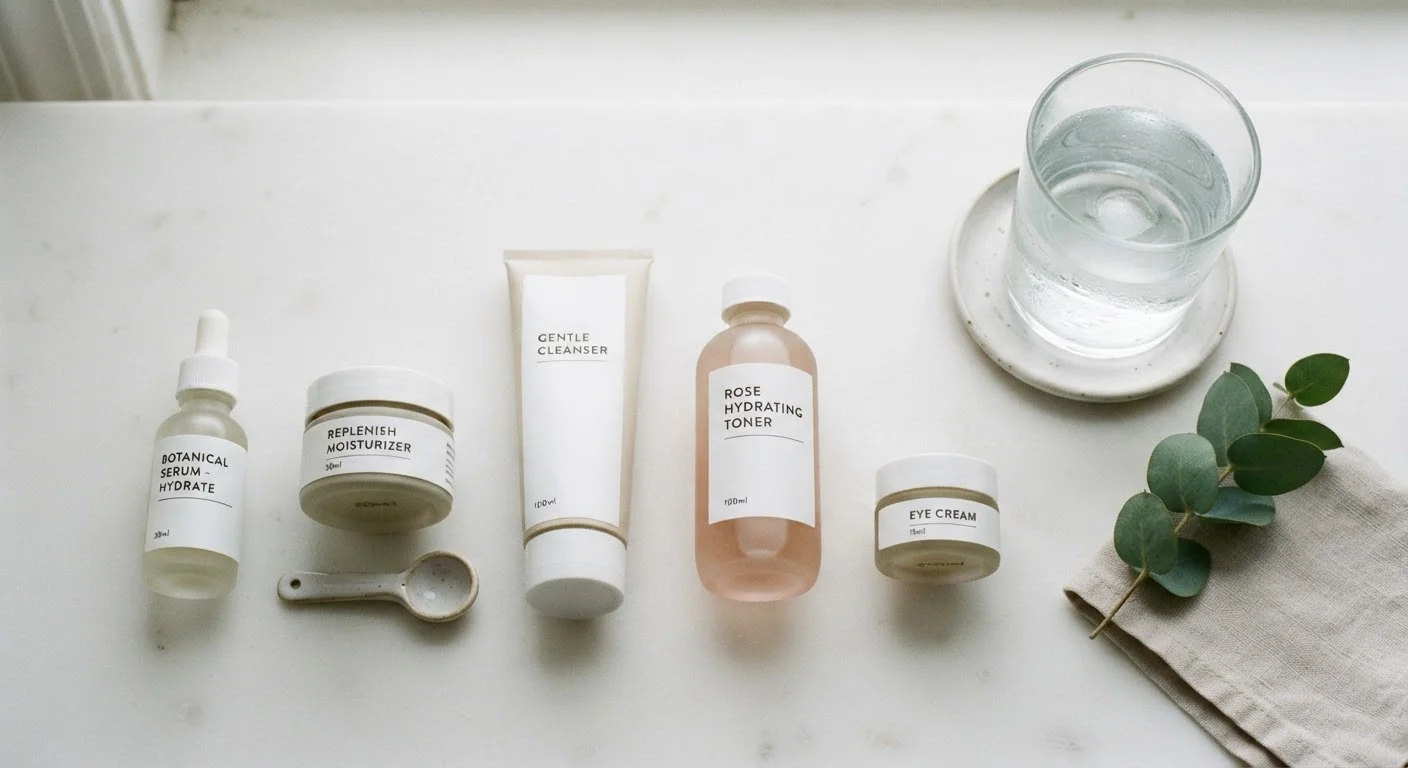
Getting moisturiser to work means treating it as one piece of a routine rather than a standalone fix.
Hot Showers Are Quietly Stripping Your Skin
Very hot water dissolves the natural lipids that hold the skin barrier together, leaving skin more porous and prone to moisture loss. Switching to lukewarm water and limiting shower time to around 10 minutes can make a measurable difference in how well your moisturiser performs afterward.
It's also worth noting that internal hydration plays a supporting role, though its effect on skin appearance is often overstated in popular wellness content. For a grounded look at what hydration does and doesn't do for skin, separating fact from oversimplification on skin hydration is a useful read.
Consistency in timing and technique often matters more than switching products. Give any adjusted routine at least four to six weeks before evaluating results - skin barrier repair is gradual, not overnight. If persistent dryness, redness, or irritation continues despite routine improvements, consulting a dermatologist is the most reliable next step.
This article is for general informational purposes only and does not constitute medical or dermatological advice. If you have concerns about a skin condition, please consult a qualified healthcare professional.