
What a Service Log Actually Is
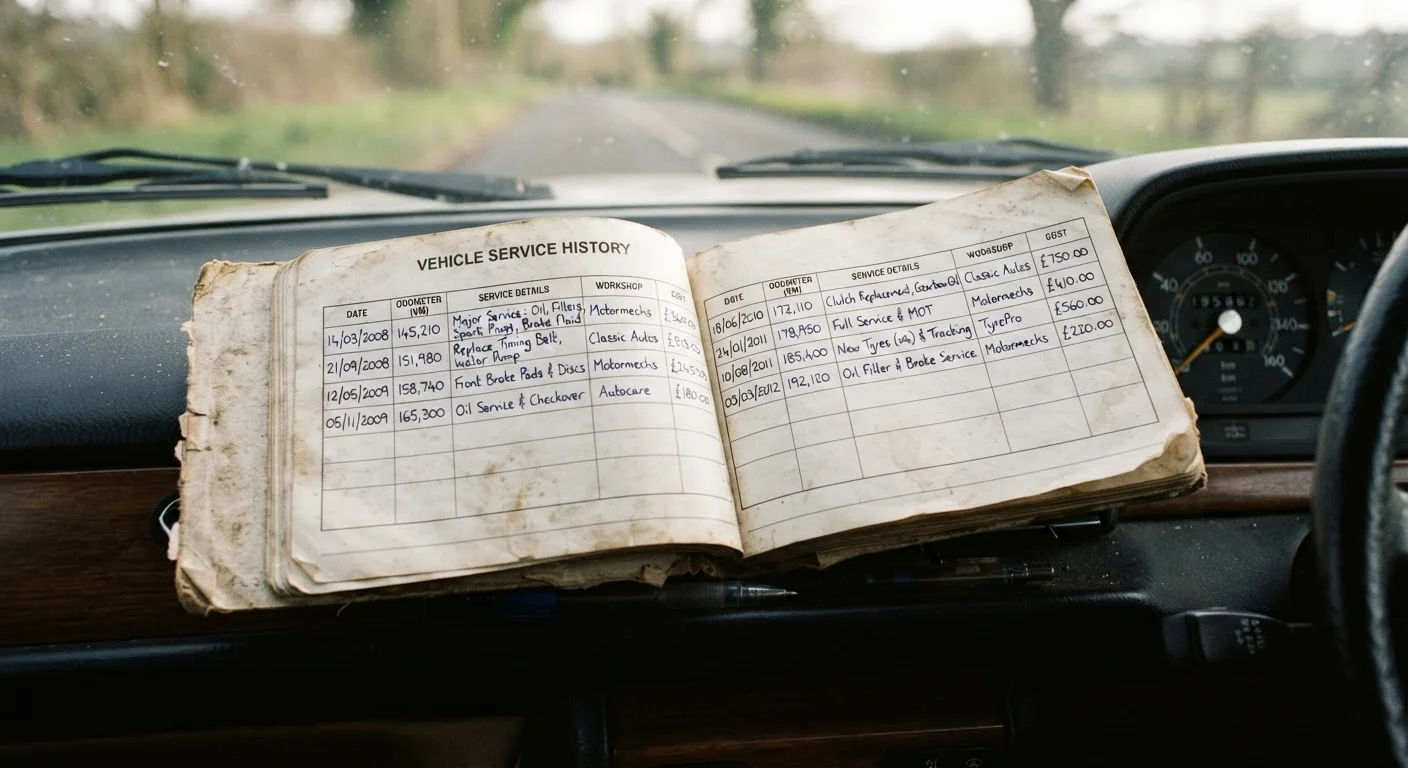
A car service log is a running record of every maintenance task performed on your vehicle - oil changes, tire rotations, brake replacements, fluid flushes, filter swaps, and anything else done to keep the car running. It typically captures the date, the odometer reading, what was done, and who did the work.
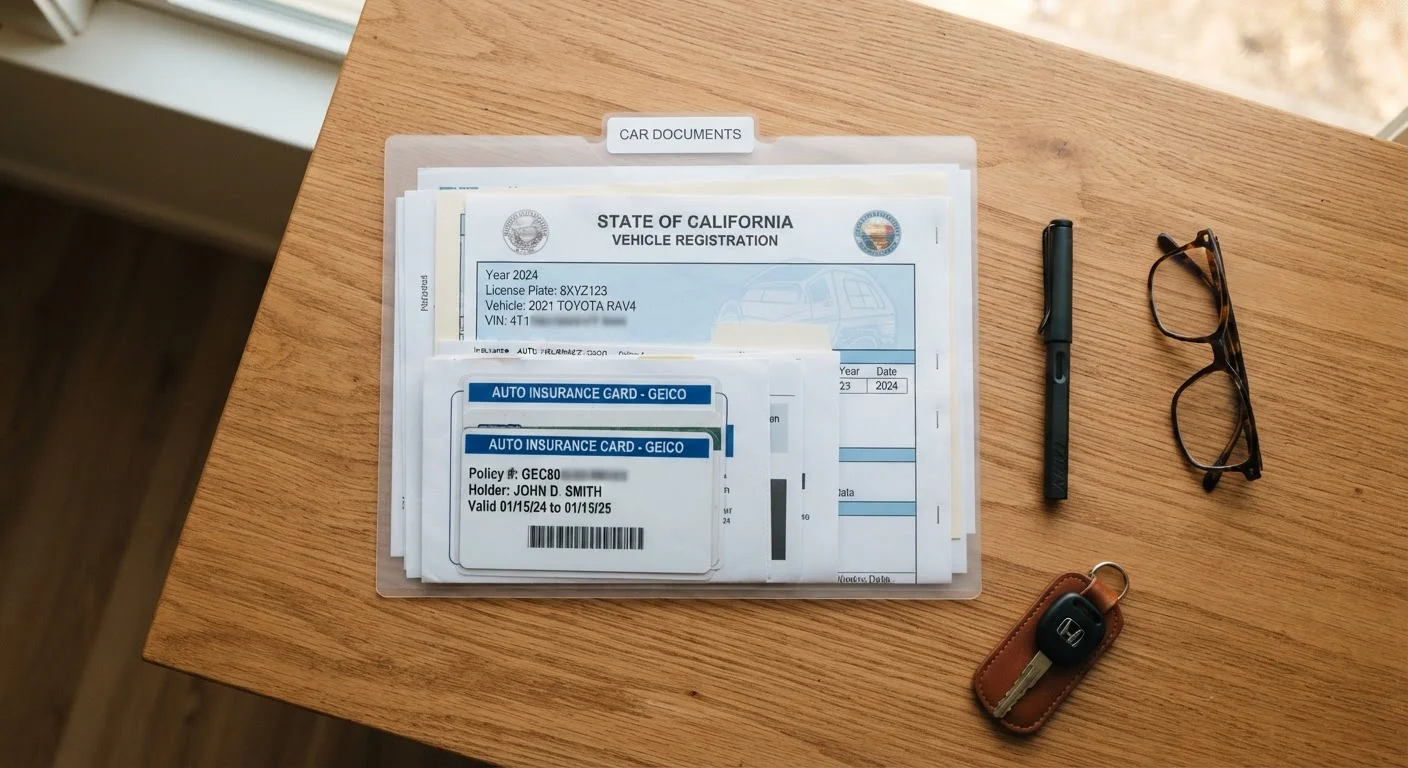
It doesn't have to be elaborate. A small notebook kept in the glove box works fine. So does a dedicated app, a notes file on your phone, or a folder of dated receipts. What matters is that the record exists and stays with the vehicle. If you want guidance on organizing the broader document picture, see how to keep your car paperwork in order for a practical overview.
Why the Record Matters More Than You Might Think
Most drivers don't think about a service log until they're selling a car or standing in front of a mechanic with an expensive problem. By then, the absence of records creates real friction.
~$500
Estimated resale value boost from documented history
Industry observers and used-car specialists commonly note that verifiable maintenance records can meaningfully influence private-sale negotiations, though exact amounts vary by vehicle and market.
30%+
Of used-car buyers cite maintenance records as a key factor
Consumer surveys on used-vehicle purchasing consistently find that a documented service history significantly affects buyer confidence and willingness to pay asking price.
When you sell a vehicle, a documented maintenance history signals to buyers that the car was looked after - and gives them something concrete to verify. An undocumented car, even a genuinely well-maintained one, tends to invite skepticism and lower offers. The log is evidence, not just habit.
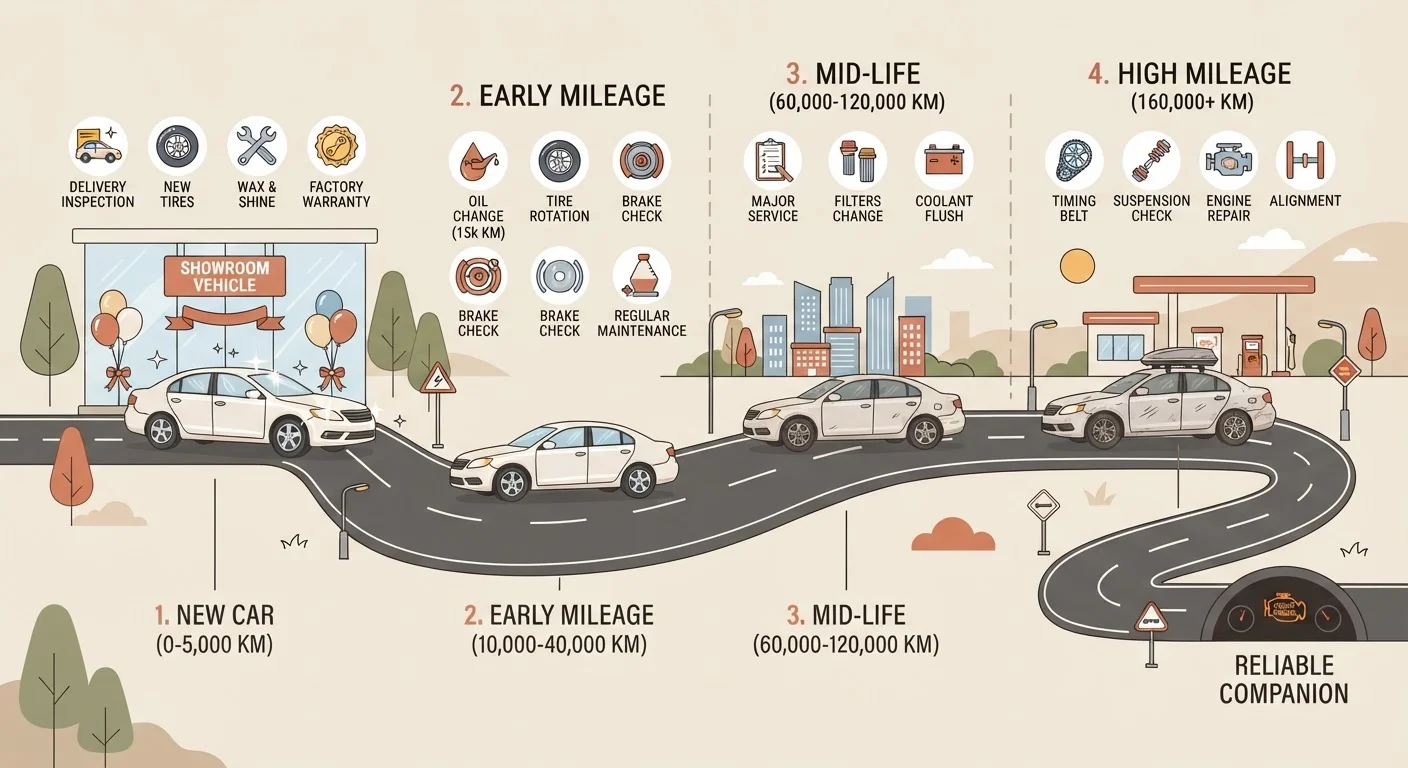
From a diagnostic standpoint, a mechanic who knows the last time the transmission fluid was changed or the coolant was flushed can narrow down problems much faster than one starting from zero. Time saved in diagnosis often means money saved on labor. For a broader look at how maintenance needs shift throughout a vehicle's life, car maintenance across a vehicle's lifetime is worth reading alongside this.
Best Practices for Keeping a Useful Log
Keeping a log only helps if the entries are consistent and complete enough to be useful later. These practices make the difference between a document that genuinely informs decisions and one that's too vague to mean much.
Record every service within 24 hours of it being done.
Memory fades quickly, and a log entry made a week later is more likely to be inaccurate or skipped entirely. Logging immediately after a service keeps the record accurate and builds the habit reliably.
Always write down the odometer reading alongside the date.
Many service intervals are mileage-based, not just time-based. Without the mileage at the time of service, you can't accurately predict when the next interval falls - which defeats the purpose of tracking in the first place.
Keep physical receipts even if you also log digitally.
Receipts from shops carry the mechanic's name, parts used, and labor notes - detail that a handwritten entry might miss. They also serve as independent verification, which matters when a buyer or warranty claim demands proof.
Note who performed the work and which parts were used.
If a problem recurs, knowing which shop did the previous repair and what parts were installed helps identify whether the fix failed or a new issue emerged. This context saves diagnostic time and clarifies warranty eligibility.
Flag upcoming services in the log as reminders.
A log that only records the past misses an opportunity to prompt future action. Noting 'next oil change due at ~52,000 miles' directly in the log turns it into a lightweight scheduling tool.
Getting Started Without Overthinking It
Drivers often delay starting a log because they feel like they've already missed too much history. Don't let that stop you. Start from today. Note the current mileage, list anything you know has been done recently, and log every service from here forward. A partial record is far more useful than none at all.
If you're not sure which services are due or when, your owner's manual is the primary reference. It lists manufacturer-recommended intervals by mileage and time - and those intervals are the baseline your log should track against. Pair this with a seasonal check-in approach; the seasonal car maintenance cycle is a practical companion for knowing what to inspect and when throughout the year.
This article is for general informational purposes. Always follow your vehicle manufacturer's recommendations and consult a qualified mechanic for guidance specific to your car.