
Why This Check Matters More on Long Drives
A five-mile commute is forgiving. A 400-mile highway run is not. Small problems - a tyre slowly losing air, low brake fluid, a burned-out tail light - can compound into serious situations when you're far from home and driving for hours at a stretch. Running through a pre-departure check takes less time than your first fuel stop and gives you a realistic picture of your vehicle's condition before you commit to the road.
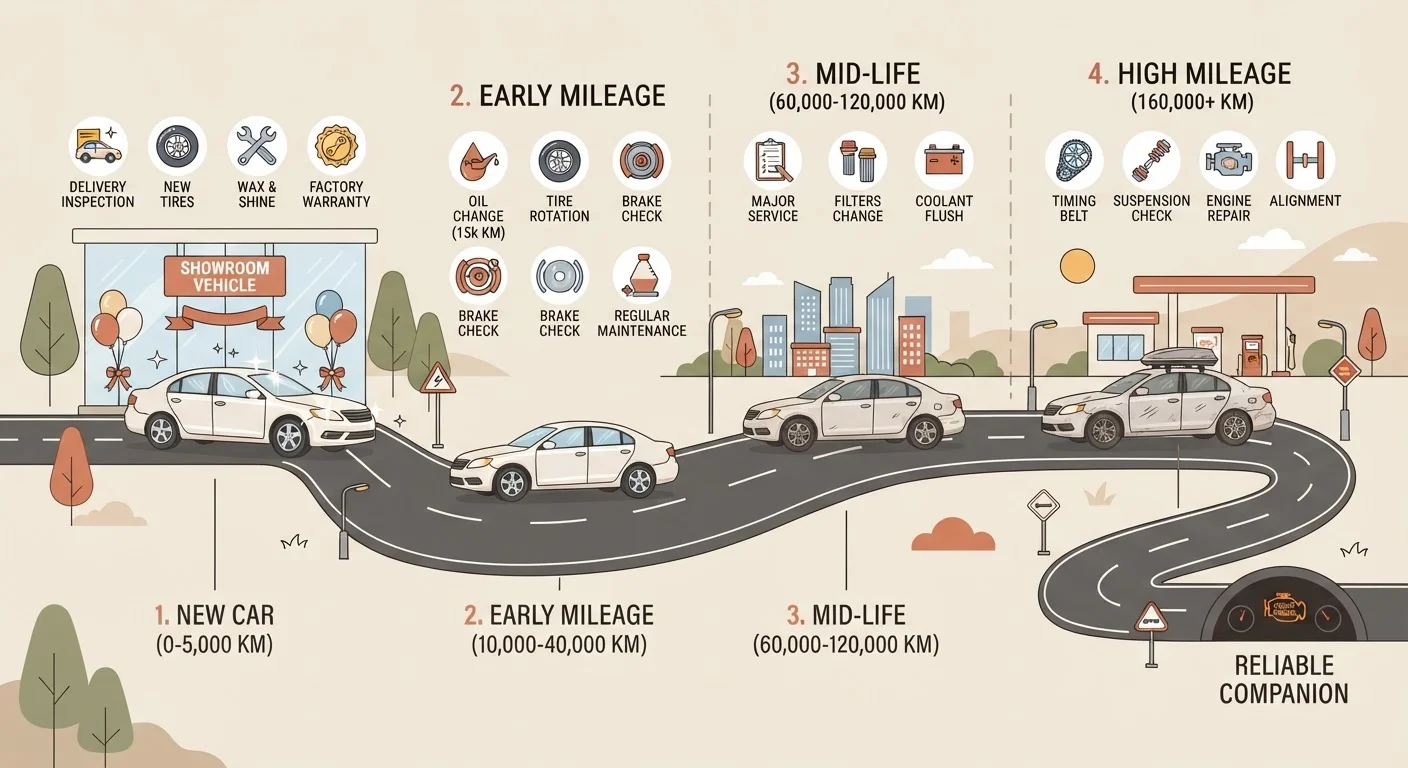
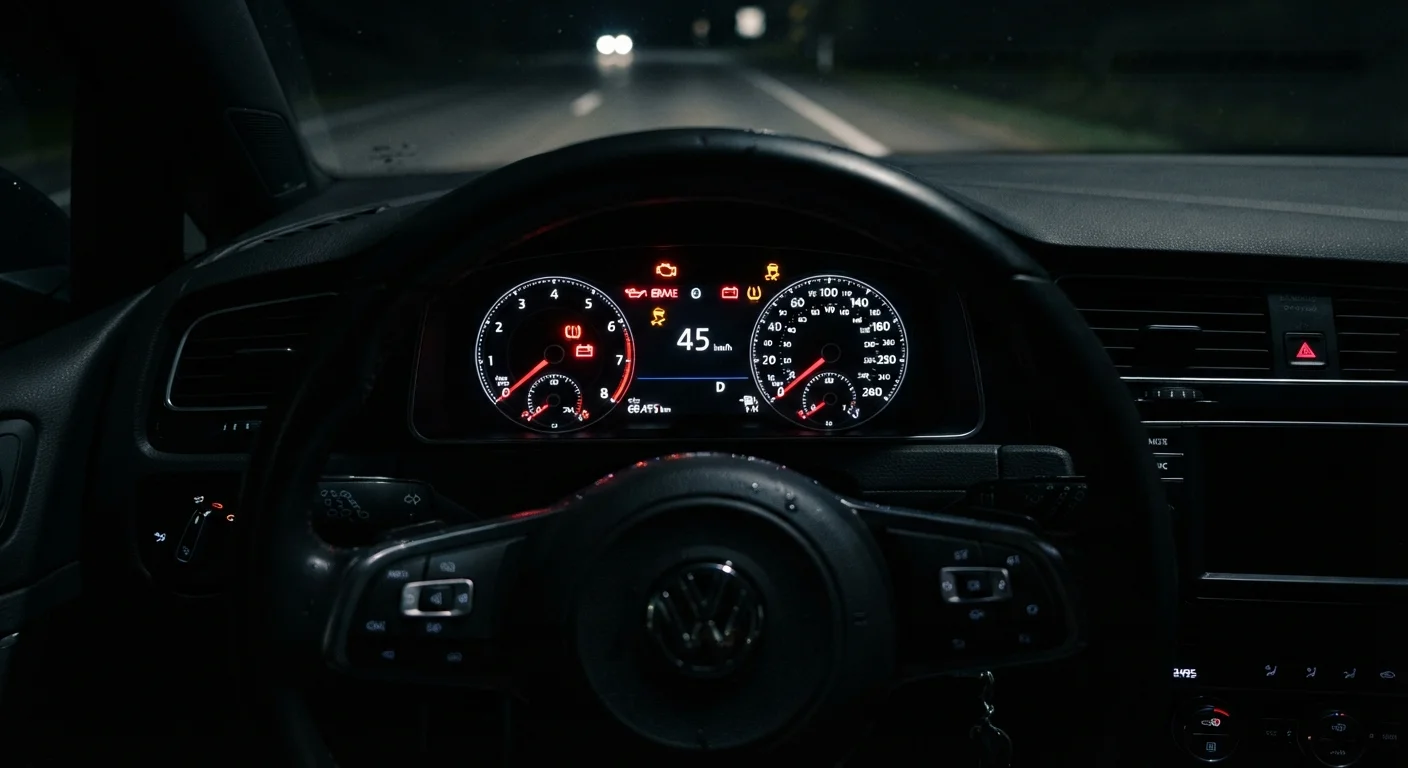
This checklist is built around the checks that matter most for distance driving specifically. For a broader look at keeping your car in shape over time, see our guide on car maintenance across a vehicle's lifetime. If your dashboard is already showing warning lights before you've even loaded the trunk, check what your car's warning lights actually mean before going further.
Tyres
Fluids
Lights and Visibility
Under the Hood and Mechanical
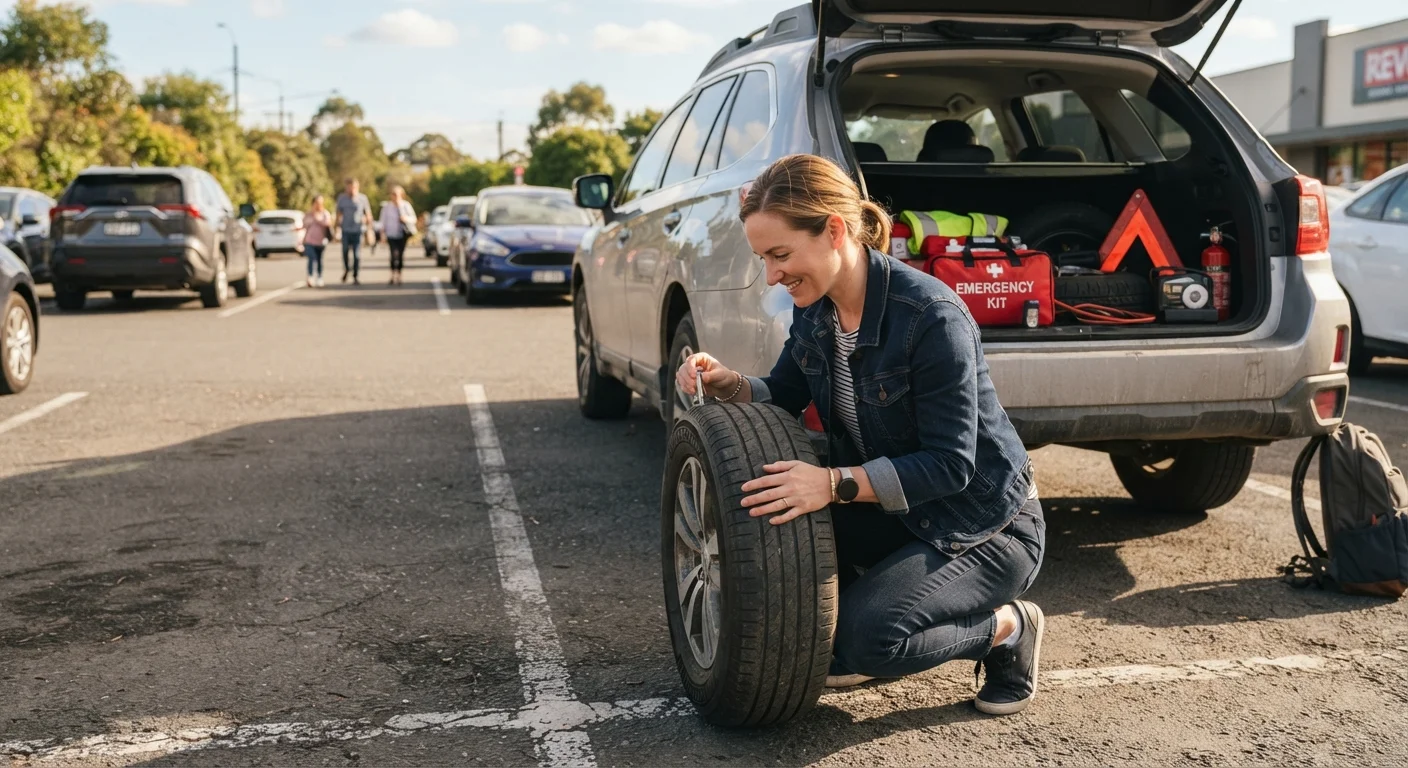
Emergency Kit and Essentials
What You'll Need to Run This Check
Most of these checks require nothing more than your eyes, your hands, and a few basic tools you should already have at home or in the car. Stock the items below before you start.
Tyre pressure gauge
Accurately measures tyre pressure so you can inflate to the manufacturer's specification.
Tread depth gauge
Gives a precise tread depth reading, though a quarter coin works as a rough field test.
Flashlight or work light
Illuminates wheel wells, under the hood, and hard-to-see areas during the inspection.
Fluid top-up bottles
Engine oil, coolant, brake fluid, and washer fluid in appropriate quantities for topping up before departure.
Microfiber cloths
Cleans the windshield interior, mirrors, and lights for maximum visibility.
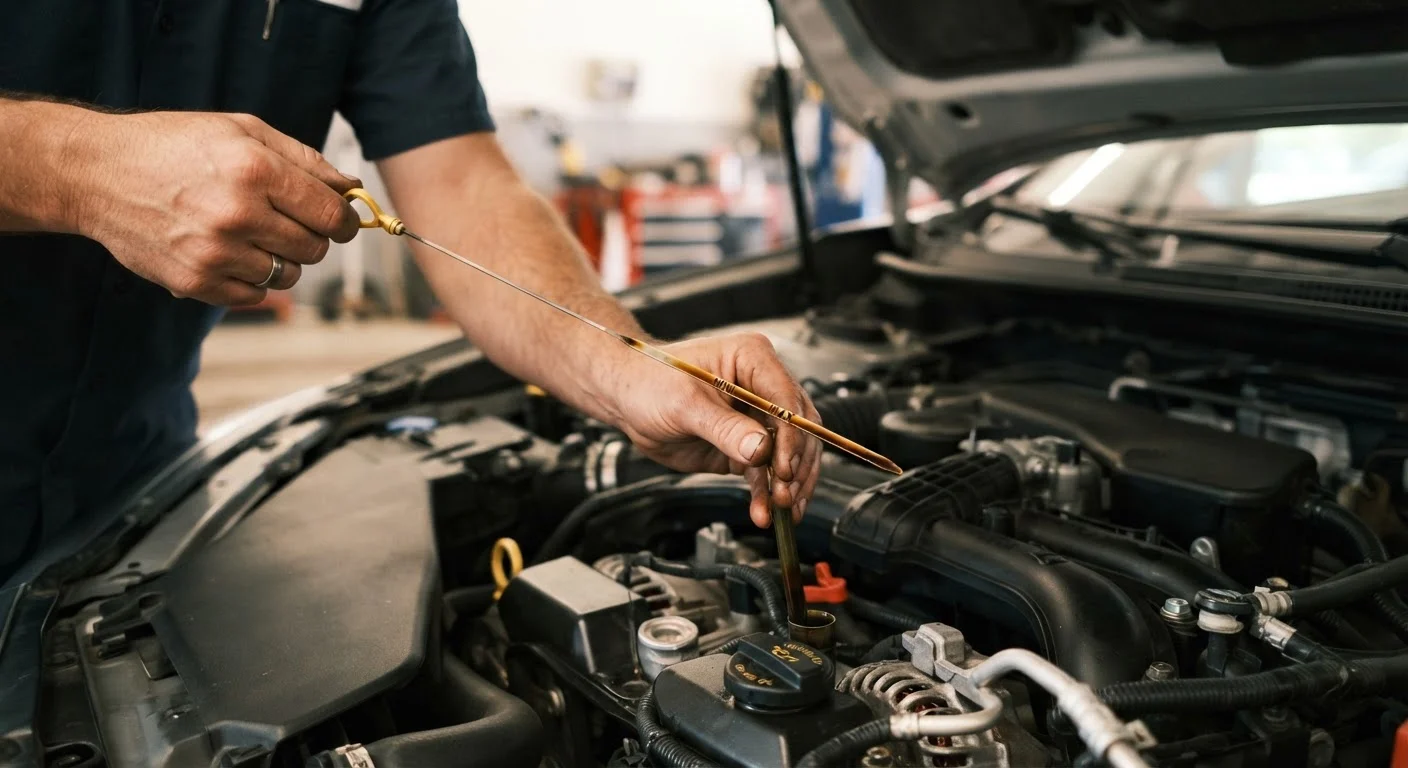
If you're unsure how to check or top up any of your vehicle's fluid reservoirs, our dedicated walkthrough on fluid levels every driver should be able to check covers each one step by step.
Don't Top Up Brake Fluid and Move On
Brake fluid that is significantly low - not just slightly below the max line - often signals worn brake pads or a possible leak, not just evaporation. Topping it up without investigating the cause can mask a serious safety issue. If the reservoir is noticeably low, have a qualified mechanic inspect the brake system before you drive any distance.
A Few Things to Sort the Night Before
Don't leave everything for the morning of departure. Checking tyre pressure works best when the car has been sitting for at least three hours - so tyres are cold and the reading is accurate. Review your route the evening before so you know what fuel and service options exist along the way. If you're towing anything, the pre-trip requirements are significantly more involved - our guide on towing a trailer or caravan explains the additional checks and legal considerations. And if you'll be carrying a full car of passengers, factor in how extra weight affects handling - covered in detail in carrying passengers safely.
Address Warning Lights Before You Leave
A dashboard warning light is your car telling you something is wrong right now. On a long drive, a minor issue can escalate quickly - low oil pressure, overheating, or a brake system fault can cause serious mechanical failure or loss of vehicle control far from help. If a warning light is on when you start the car, identify it and determine whether it's safe to drive before committing to a long journey. Do not assume it can wait until you return.
Long drives also take a physical toll. Before you leave, read up on recognising fatigue behind the wheel so you know the early warning signs and when to pull over.