
Do You Need a Special Licence to Tow?
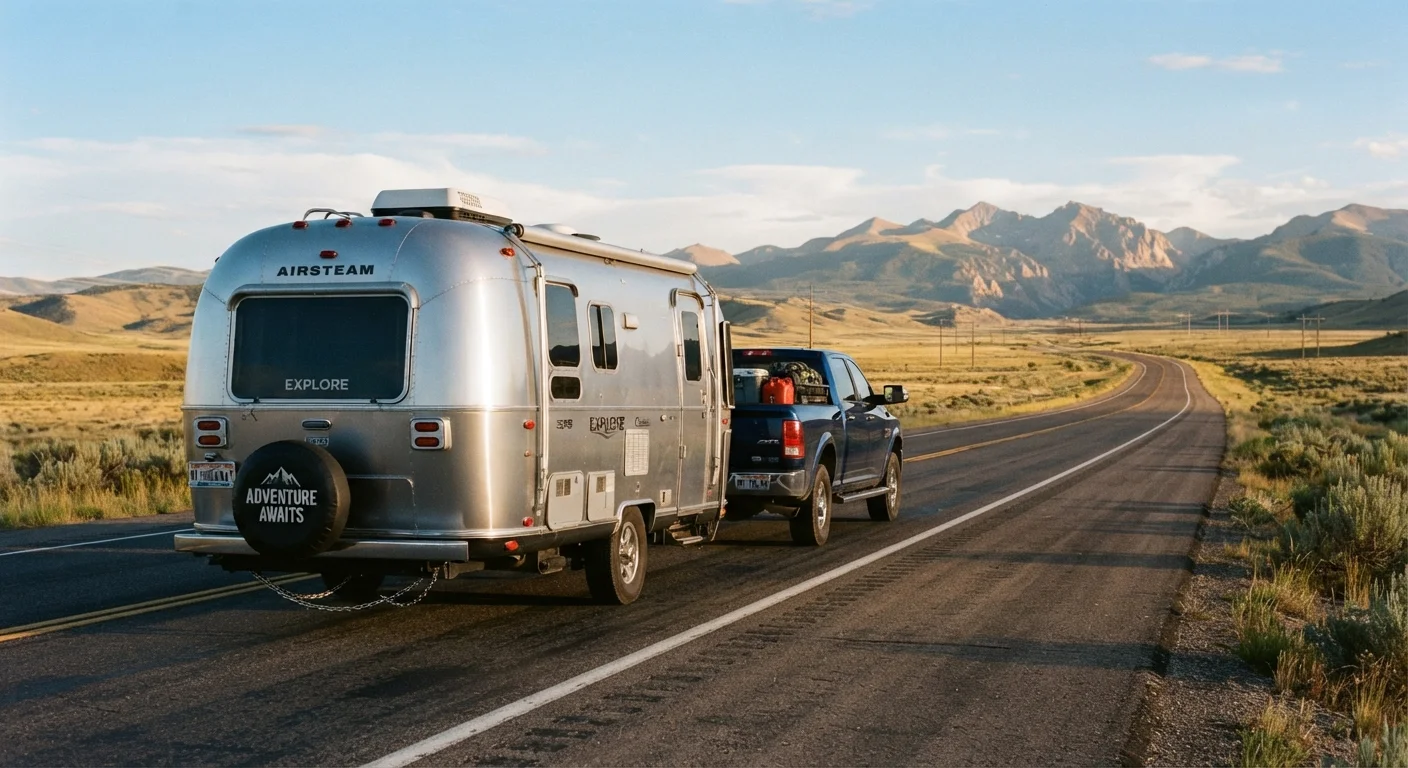
In the United States, a standard Class C driver's licence covers most everyday towing — think a small utility trailer behind a pickup or a pop-up camper behind an SUV. However, the rules become more specific as the combined weight climbs.
Federal regulations and most state DMVs draw a meaningful line at a gross combined weight rating (GCWR) of 26,001 pounds. Once you exceed that threshold, a Commercial Driver's Licence (CDL) may be required, depending on the cargo and use case. Even below that ceiling, some states require a non-commercial Class A or B endorsement for very large recreational trailers. Check your specific state's DMV website before assuming your current licence covers the rig you plan to pull — the rules genuinely vary.
For most private recreational towing — caravans, boat trailers, horse trailers under typical weights — a standard licence is sufficient across most states. But confirming that in writing from your DMV takes less effort than resolving a citation on the road.
State Rules Vary — Check Before You Tow
Licensing thresholds, speed limits for towing vehicles, required safety equipment, and trailer lighting standards differ across US states. What's legal in one state may not be in the next. Your state DMV website is the authoritative source; verify requirements for any state you plan to drive through, not just your home state.
Understanding Tow Ratings and Load Limits
Every tow vehicle has a published maximum tow rating — the heaviest trailer it can legally and mechanically pull. This figure is set by the manufacturer based on engine output, transmission, brakes, frame strength, and cooling capacity. It is not a suggestion.
Equally important is the Gross Vehicle Weight Rating (GVWR) of the trailer itself, and your vehicle's payload capacity — the weight it can carry in its cabin and bed before any trailer is attached. People frequently overlook payload: loading passengers, luggage, and a full fuel tank can eat into it fast, reducing how much trailer weight the vehicle can safely manage.
2x+
Increase in stopping distance when towing
Federal Motor Carrier Safety Administration guidance notes significantly extended stopping distances for vehicles towing loaded trailers compared to unloaded passenger vehicles.
10–15%
Recommended tongue weight as % of trailer weight
Most trailer and hitch manufacturers specify this range as the target for stable, safe towing dynamics.
3,000 lbs
GVWR threshold requiring trailer brakes (federal standard)
US federal safety standards (FMVSS No. 121) require trailer braking systems on trailers with a GVWR at or above this threshold.
Tongue weight — the downward force the trailer hitch exerts on the vehicle — should generally fall between 10% and 15% of the total loaded trailer weight. Too little tongue weight and the trailer becomes unstable; too much and the tow vehicle's rear squats, lifting the front wheels and reducing steering control.
Before you hitch anything, load the trailer as it will travel, then weigh it at a certified truck scale. Compare that number against every rated limit in your owner's manual. See our maintenance hub for guidance on keeping your tow vehicle in the condition those ratings assume.
How Towing Changes Your Vehicle's Handling
Adding a trailer behind your vehicle fundamentally changes its physics. Here are the four most important shifts:
- Stopping distance: A fully loaded trailer can more than double your braking distance compared to driving solo. Trailers over a certain weight (typically 3,000 lbs GVWR) are required by federal safety standards to have their own braking system — usually electric trailer brakes activated by a brake controller installed in the tow vehicle. Even with trailer brakes, extend your following distance significantly.
- Turning circle: The trailer's wheels track inside the arc of your vehicle. In tight turns, the trailer can clip curbs, pedestrians, or other vehicles. Always make wider turns than you think you need.
- Acceleration: The added mass means slower acceleration onto highways. Plan merges early and use the full length of on-ramps.
- Stability: Wind gusts, passing trucks, and road camber can all initiate trailer sway — a side-to-side oscillation that can escalate quickly if mishandled.
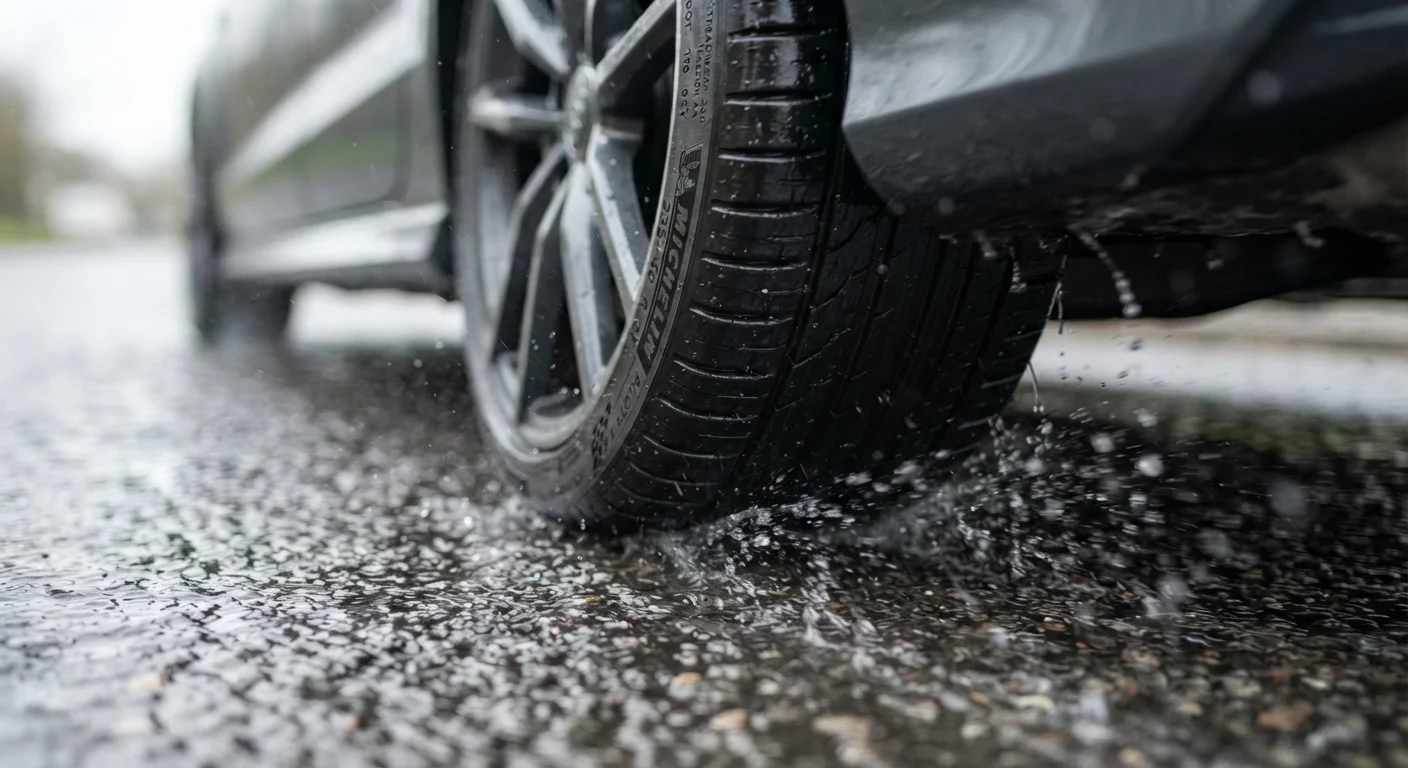
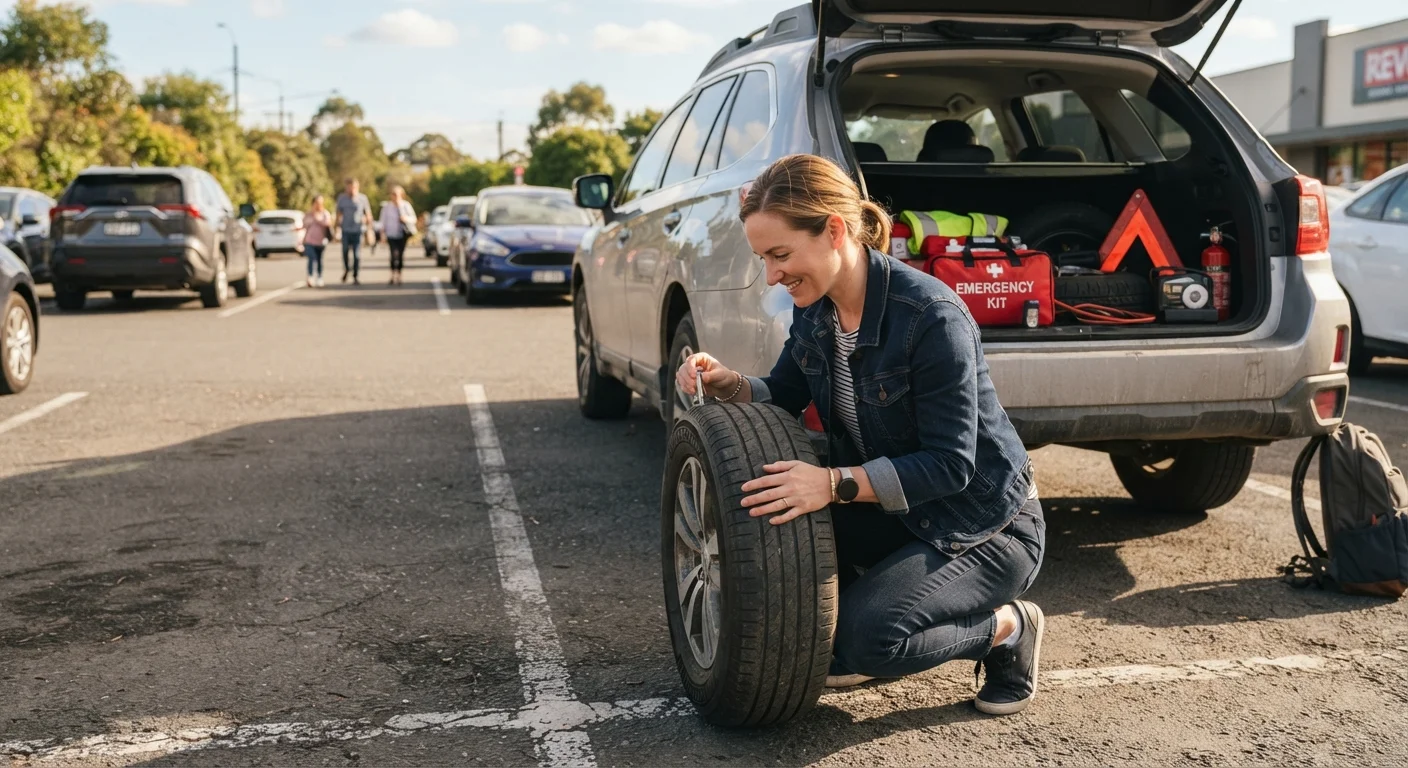
Towing also affects your tyres. Tyre pressures on both the tow vehicle and the trailer need to be checked cold before every trip — the recommended pressures for towing are often higher than everyday driving pressures.
Weigh your loaded trailer at a truck stop scale before your first long trip — guessing the weight is how most towing overloads happen.
Manufacturers' tow ratings assume accurate loading; underestimating trailer weight is one of the most common factors in towing-related brake failures and instability incidents.
If your tow vehicle has a transmission temperature gauge, watch it on grades — if it climbs into the red, pull over safely and let it cool before continuing.
Automatic transmission overheating under tow load is a leading cause of expensive tow vehicle damage on long, hilly routes.
Hitching Up Correctly and Checking the Rig
A proper hitch connection is not complicated, but it requires a deliberate sequence — shortcuts here cause accidents.
- Match ball size to coupler: The hitch ball diameter must match the trailer coupler exactly. Common sizes are 1⅞", 2", and 2 5/16". A mismatched connection can separate at speed.
- Engage and lock the coupler: Lower the coupler fully onto the ball, lock the coupler latch, and insert the safety pin or clip. Tug the trailer forward by hand to confirm it's seated.
- Cross and connect safety chains: Cross the chains under the tongue in an X pattern — this cradles the tongue if the hitch ever separates. Leave enough slack for turns but no so much the chains drag.
- Connect the electrical plug: Test all lights — running lights, brake lights, and turn signals — from outside the vehicle before departure.
- Set the trailer brakes: If your trailer has electric brakes, confirm the brake controller in the cab is calibrated for the trailer's weight.
- Adjust mirrors: Standard side mirrors are usually insufficient. Extended towing mirrors that give you a clear view down both sides of the trailer are strongly advisable.
Run through our pre-long-journey vehicle check to confirm your tow vehicle itself is trip-ready before any hitch-up.
Never Rely on the Ball Connection Alone
Safety chains are a legal requirement in most US states and a physical backup if the coupler fails — not an optional accessory. A trailer that separates from its tow vehicle at highway speed becomes an unguided projectile. Cross the chains correctly every single time, without exception.
On the Road: Speed, Space, and Sway
Many states post lower speed limits specifically for vehicles towing trailers — commonly 55 mph where other traffic travels at 65 or 70. Even where no special limit exists, keeping your speed moderate reduces sway risk and braking demands substantially.
If trailer sway begins — you'll feel the rear of your vehicle being pushed side to side — the correct response is to ease off the throttle gently and hold the steering wheel firmly straight. Do not brake hard and do not attempt to steer into the sway; both can amplify the oscillation. Many modern brake controllers have a manual override that applies only the trailer brakes, which can help dampen sway.
Adverse weather compounds every towing challenge. Rain, fog, and crosswinds can each destabilise a trailer — reduce speed further and increase following distances well beyond what feels instinctive.
Keep an eye on your transmission temperature if your vehicle displays it. Extended grades and high ambient temperatures can push automatic transmissions toward overheating when towing. Shift to a lower range on steep descents rather than relying solely on brakes — a technique called engine braking that protects both your brakes and the trailer from a runaway situation.
Reversing and Parking a Trailer
Reversing a trailer is the skill that intimidates most new towers — and it is genuinely counterintuitive until it clicks. The fundamental rule: to move the trailer's rear to the right, steer the tow vehicle's wheel to the left, and vice versa.
Use short, slow steering inputs. The longer the trailer relative to the tow vehicle, the more exaggerated the response. Practice in an empty car park before attempting any real manoeuvre. Have a spotter if one is available, and agree on hand signals before you start moving — shouted instructions are easy to misread.
When parking on a slope, always chock the trailer wheels in addition to setting your vehicle's parking brake. A trailer's parking brake alone — if it has one — is not a sufficient sole restraint on a grade.
Practice Reversing Before You Need To
Find an empty car park and set out a few cones or markers to simulate a backing manoeuvre before your first real trip. Even 20 minutes of deliberate practice makes the steering logic feel natural. It also reveals any blind spots in your mirror setup while the stakes are low.
Towing confidently is a skill that compounds with experience, but the physical and legal fundamentals described here don't change. Understanding what your vehicle is rated to do, loading within those limits, and adjusting your driving behaviour accordingly puts you well ahead of most first-time towers. For a broader look at how added weight affects vehicle dynamics even without a trailer, see how a full passenger load changes your car's behaviour.
This article provides general educational information about vehicle towing. Always consult your vehicle owner's manual, your state's DMV, and a qualified mechanic before towing. Rules and requirements vary by state and vehicle type.