
Why a Full Car Drives Differently Than an Empty One
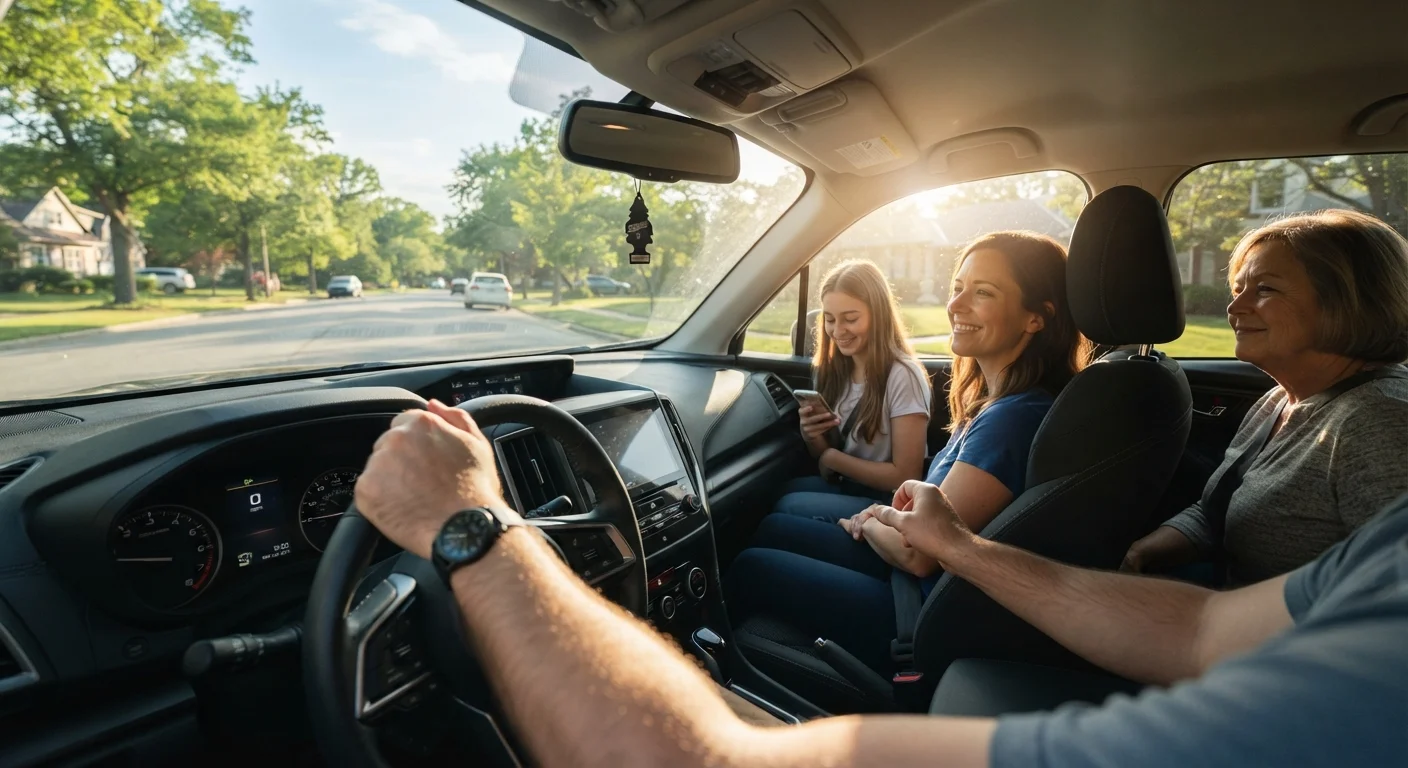
Most drivers develop their habits and instincts in a car that's mostly empty. The muscle memory for braking distances, cornering, and acceleration is calibrated to that baseline. Add three or four passengers and a trunk full of luggage and you're effectively driving a different vehicle - heavier, higher center of gravity, slower to stop, and slower to respond. Understanding why these changes happen makes it easier to compensate for them deliberately rather than discovering them mid-emergency.
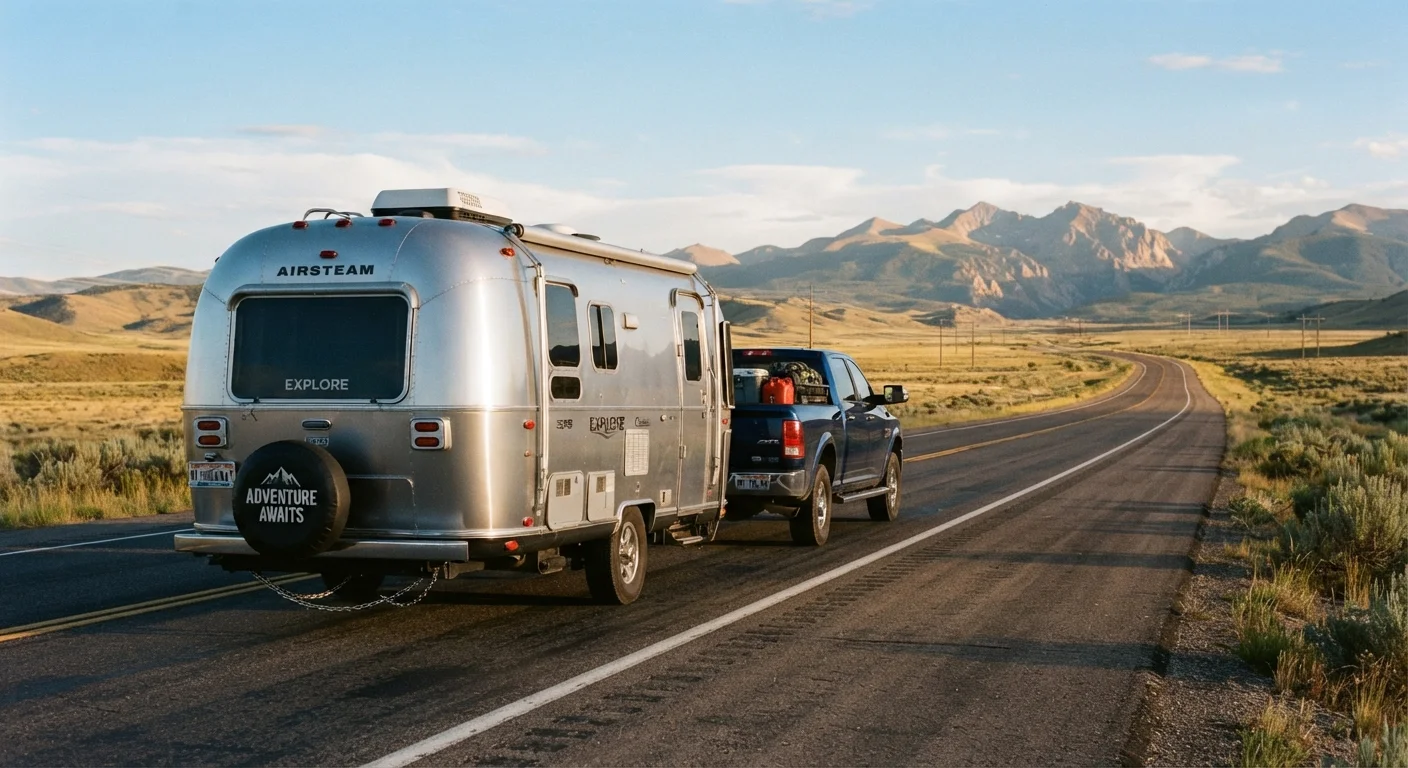
Weight affects braking distance most directly. It also loads your tires differently, which is why tire pressure matters more when carrying a full load. Suspension compresses further under heavier loads, which can affect steering feel and cornering stability - particularly in smaller vehicles near their rated capacity. If you regularly carry heavy loads or tow, the dynamics are even more significant; towing introduces additional handling challenges that go beyond what passenger weight alone creates.
Owner's Manual
Confirms your vehicle's maximum occupant load, recommended tire pressure for full loads, and seating configurations.
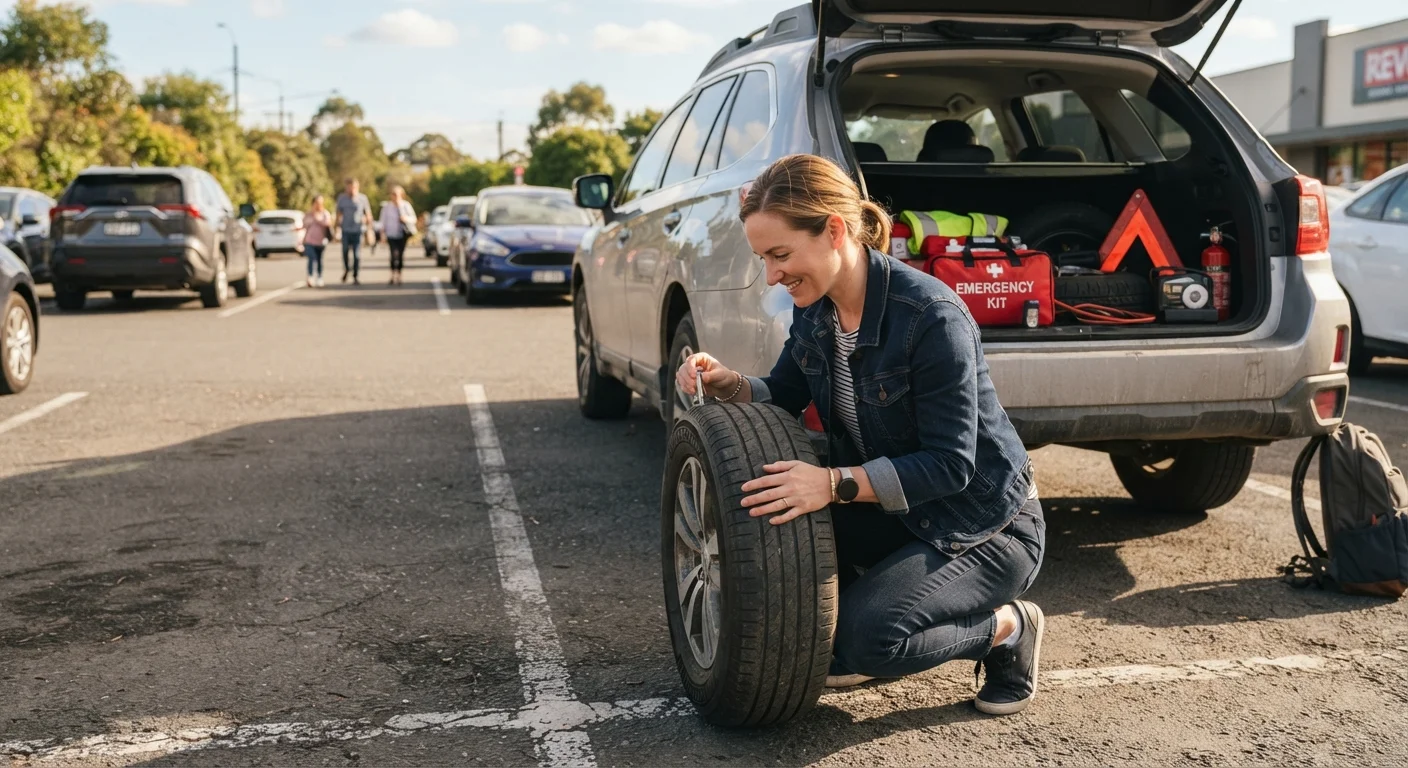
Tire Pressure Gauge
Verifies tire pressure is appropriate for a heavier load before departure.
Child Safety Seat
Provides age- and size-appropriate restraint for child passengers as required by US law.
Before You Pull Away: The Two-Minute Setup
The steps below take under two minutes in total and address the most common points of failure when driving with passengers. Completing them consistently - not just when it feels necessary - builds a reliable habit that works across all trip types and passenger combinations.
What you will need
Confirm everyone is properly restrained before moving
Before you shift into drive, make a habit of verbally confirming that every passenger has buckled up. In all US states, seatbelt use is legally required for front-seat occupants; most states extend that requirement to rear seats as well. An unrestrained rear passenger becomes a serious projectile hazard to everyone in the car during a sudden stop or crash.
For children, check that car seats and booster seats are correctly installed and that harness straps lie flat with no more than one inch of slack at the chest clip. Do not rely on a quick glance - physically confirm the fit.
Check and adjust tire pressure for a heavier load
Passengers add significant weight. A car carrying four adults and luggage can be 600-800 pounds heavier than when it's empty. Underinflated tires handle that load poorly, increasing stopping distances and raising the risk of a blowout. Check your tire pressure against the recommended figure on the driver's door jamb sticker - not the maximum figure printed on the tire sidewall - and inflate if needed. Some vehicles also recommend a slightly higher rear tire pressure when carrying a full load; your owner's manual will specify this.
Readjust your mirrors to account for changed sight lines
Passengers in the rear seat alter what you can see in your interior rearview mirror. Tall passengers directly behind you can block your central view; cargo stacked in the trunk can cut off your rear window view entirely. Before driving, reposition the rearview mirror so you're working with the best available sight line. If the rear view is significantly obstructed, rely more heavily on your side mirrors and increase your following distance to compensate for reduced awareness behind you.
Increase your following distance and brake earlier
Physics doesn't negotiate. A heavier vehicle takes longer to stop from any given speed. The standard two-second following gap recommended for a solo driver should be extended to at least three seconds when carrying a full load - more in wet or poor conditions. Brake earlier and more gradually than you normally would, and avoid late, sharp braking that could unsettle a heavier car. This is especially important if your vehicle is a smaller sedan or hatchback carrying near its rated capacity.
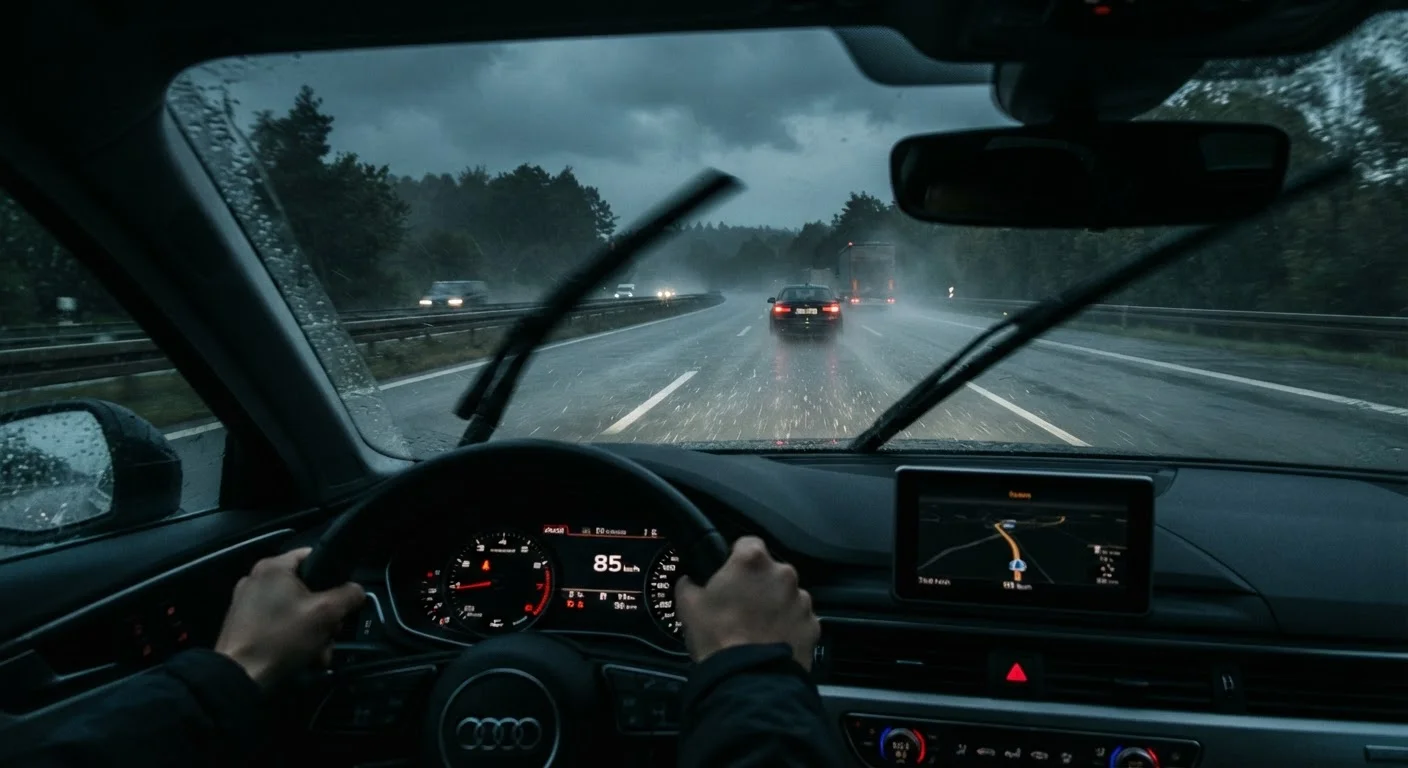
For context on adapting further in bad weather, see how to adjust your driving in poor conditions.
Manage in-car distraction actively
Passengers - particularly friends, teenagers, or young children - meaningfully increase driver distraction. Research consistently identifies passenger interaction as a contributing factor in crashes, especially among younger drivers. Set expectations before the trip: music volume, navigation duties (assign a passenger to handle GPS if possible), and conversation norms when you need to concentrate. Politely but clearly asking passengers to hold a thought while you merge or navigate a complex junction is not rude - it is responsible driving.
Keep your phone out of the interaction loop entirely. If passengers are texting or calling people, that's their choice - but your phone should be on do-not-disturb and mounted or stowed.
Recognize and resist social pressure behind the wheel
Group dynamics can quietly erode your driving standards. Passengers may encourage speeding to reach a destination faster, push back when you ask them to buckle up, or create an atmosphere where cautious driving feels awkward. Name this dynamic to yourself and hold your line. You are legally and practically responsible for every outcome while driving - your passengers are not in a position to share that responsibility. A calm, matter-of-fact tone works better than confrontation: "I need everyone buckled before we move" leaves no room for negotiation without making it an argument.
Plan stops for longer journeys with passengers on board
A full car on a longer trip means more rest needs, more bathroom breaks, and higher overall fatigue for the driver - who cannot fully disengage the way passengers can. Plan rest stops roughly every 90 to 120 minutes and communicate the schedule to passengers in advance so there are fewer impromptu requests that push you to rush. If you're heading out on a longer drive, the pre-long-journey vehicle check is worth completing before you load anyone in.
Distraction and Group Dynamics: The Underestimated Risk
Vehicle handling is only one part of the equation. The behavioral side of carrying passengers is where many otherwise capable drivers struggle. Noise, conversation, requests, and social pressure don't feel like hazards, but they compete directly with the attention driving demands.
Younger drivers face a measurably higher distraction risk with peer passengers. But experienced drivers aren't immune - familiarity with a route or comfort with passengers can produce the same overconfidence. The practical response isn't to drive in silence, but to build a few deliberate habits: assign tasks to passengers, set expectations early, and treat concentration-demanding moments (merging, reversing, navigating unfamiliar areas) as times to pause non-essential interaction.
Make Pre-Trip Checks a Group Ritual
Framing the seatbelt check and mirror adjustment as a shared routine - rather than a driver's solo task - helps normalize it with regular passengers. When everyone expects it, there's less pushback and fewer delays. It takes under 90 seconds and sets a clear tone for the drive.
If you find yourself frequently uncomfortable with passenger behavior in your car, it's worth addressing it directly before the next trip rather than managing it in real time on the road.