
What a Speed Limit Actually Means
A speed limit sign tells you the fastest you're legally permitted to drive under ideal conditions on that road. It does not tell you the fastest you should drive at any given moment. Traffic engineers set posted limits based on road geometry, land use, and typical traffic patterns - not on what's safe during a thunderstorm or a school-zone rush.
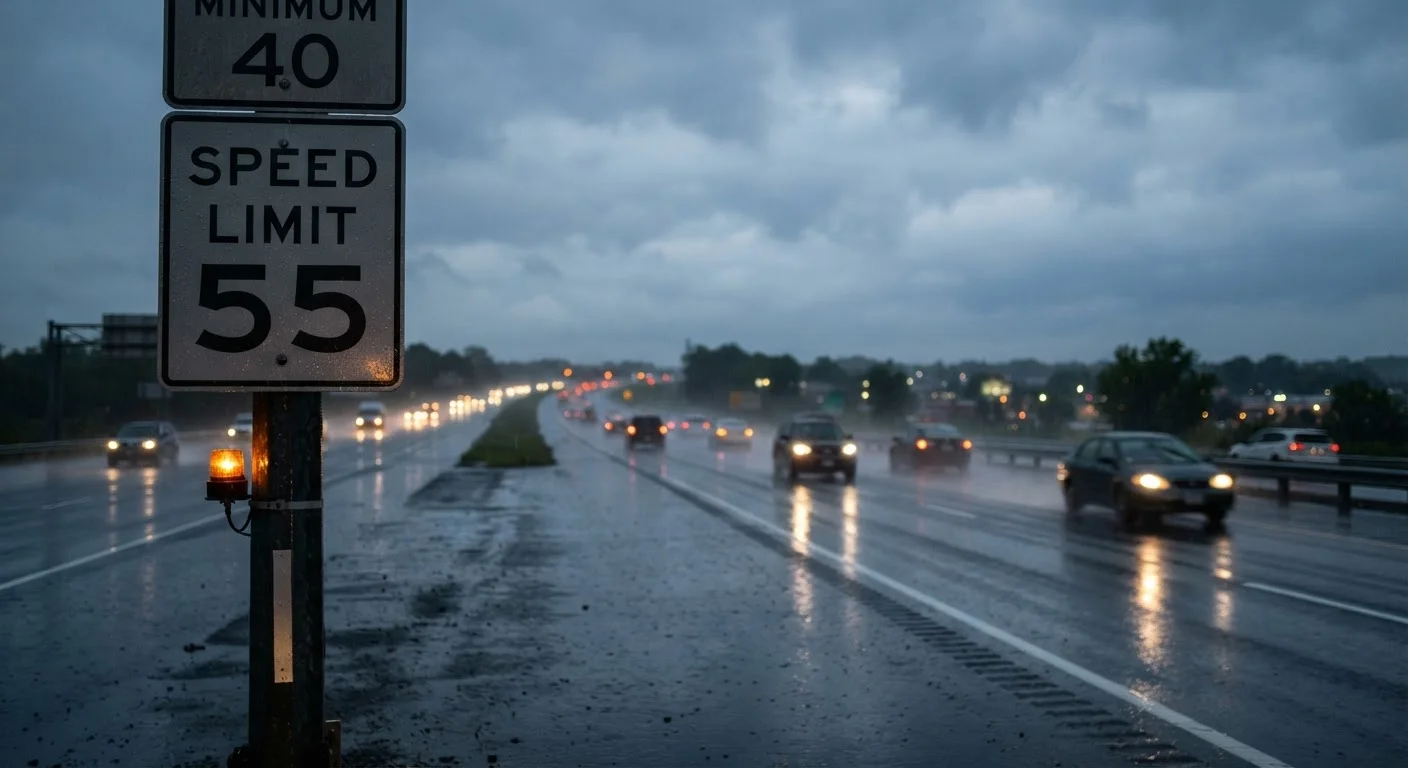
Most US states use a concept called basic speed law: regardless of the posted limit, drivers are required to travel at a speed that is reasonable and prudent for current conditions. That means you can receive a citation for driving 55 mph in a 55 mph zone if an officer judges that conditions made that speed unsafe. The number on the sign is a ceiling, not a floor - and not a guarantee of safety.
Myth
If I'm driving at or under the speed limit, I'm legally and safely in the clear.
Fact
Driving at the posted limit during poor conditions can still be deemed unsafe and result in a citation under basic speed laws.
Most US states have a basic speed law that holds drivers responsible for traveling at a speed reasonable for conditions - regardless of the posted number. A prosecutor or officer can argue that 45 mph in a 45 mph zone was reckless if roads were iced over or visibility was near zero. The sign sets a legal maximum for ideal conditions; real-world safety requires judgment beyond the sign.
Myth
Speed limits are set to reflect what's safe in all weather and traffic conditions.
Fact
Limits are typically set for normal, clear-day conditions using engineering studies - they don't automatically account for rain, ice, fog, or heavy traffic.
Speed limit studies typically measure the 85th-percentile speed of free-flowing traffic under normal conditions, then factor in road design characteristics. Adverse weather, nighttime driving, construction zones, and high pedestrian activity all reduce what a reasonable speed actually is - none of those variables are baked into a static posted sign.
Myth
Driving significantly below the speed limit is always safer than matching it.
Fact
Driving too slowly relative to surrounding traffic can itself create a collision risk by increasing speed differentials between vehicles.
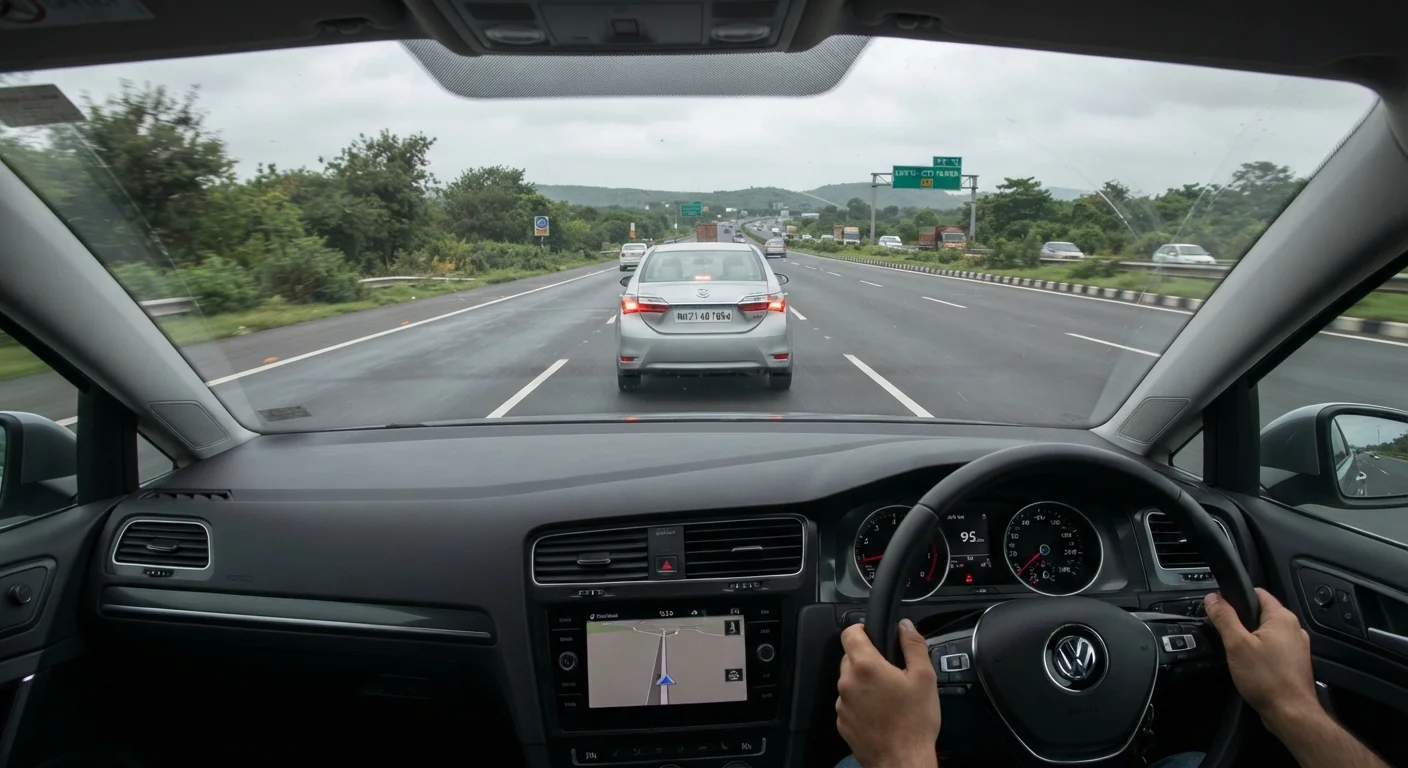
Traffic flow safety depends partly on vehicles moving at similar speeds. A driver traveling 20 mph under the posted limit on a busy highway forces other drivers to brake suddenly or change lanes, increasing rear-end collision risk. The goal isn't the lowest possible speed - it's a speed appropriate to conditions, which sometimes means keeping pace with reasonable traffic flow.
Myth
Highway speeds are safer than city speeds because there are no intersections.
Fact
Higher speeds dramatically extend stopping distances and increase crash severity, even on roads without intersections.
The relationship between speed and crash outcome is not linear. The energy released in a collision increases with the square of velocity, meaning a crash at 70 mph releases roughly four times the energy of one at 35 mph. Highway driving also involves tire blowouts, merging conflicts, and driver fatigue at sustained speeds - all of which interact with speed to determine crash risk and severity.
When Conditions Demand Less Than the Limit
Several everyday situations call for speeds well below the posted limit, even on familiar roads.
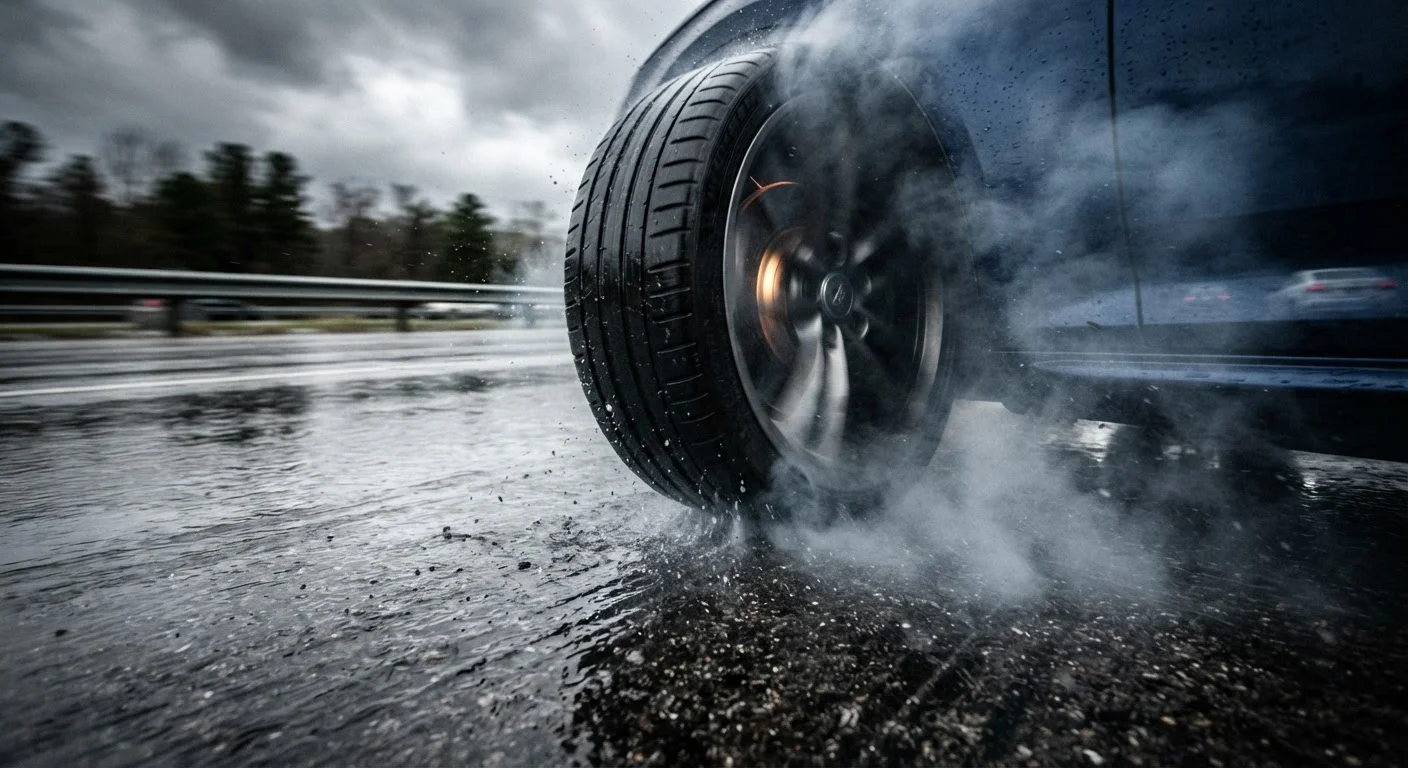
- Wet or icy pavement: Stopping distances increase dramatically on slippery surfaces. A vehicle traveling at highway speeds on ice may need several times the normal braking distance to stop. See what affects your stopping distance for a fuller picture of the physics involved.
- Reduced visibility: Fog, heavy rain, glare, or darkness shrink the window of time you have to react to hazards. If your headlights can only illuminate 200 feet ahead and your stopping distance at 60 mph exceeds that, you're overdriving your headlights - a recognized crash factor.
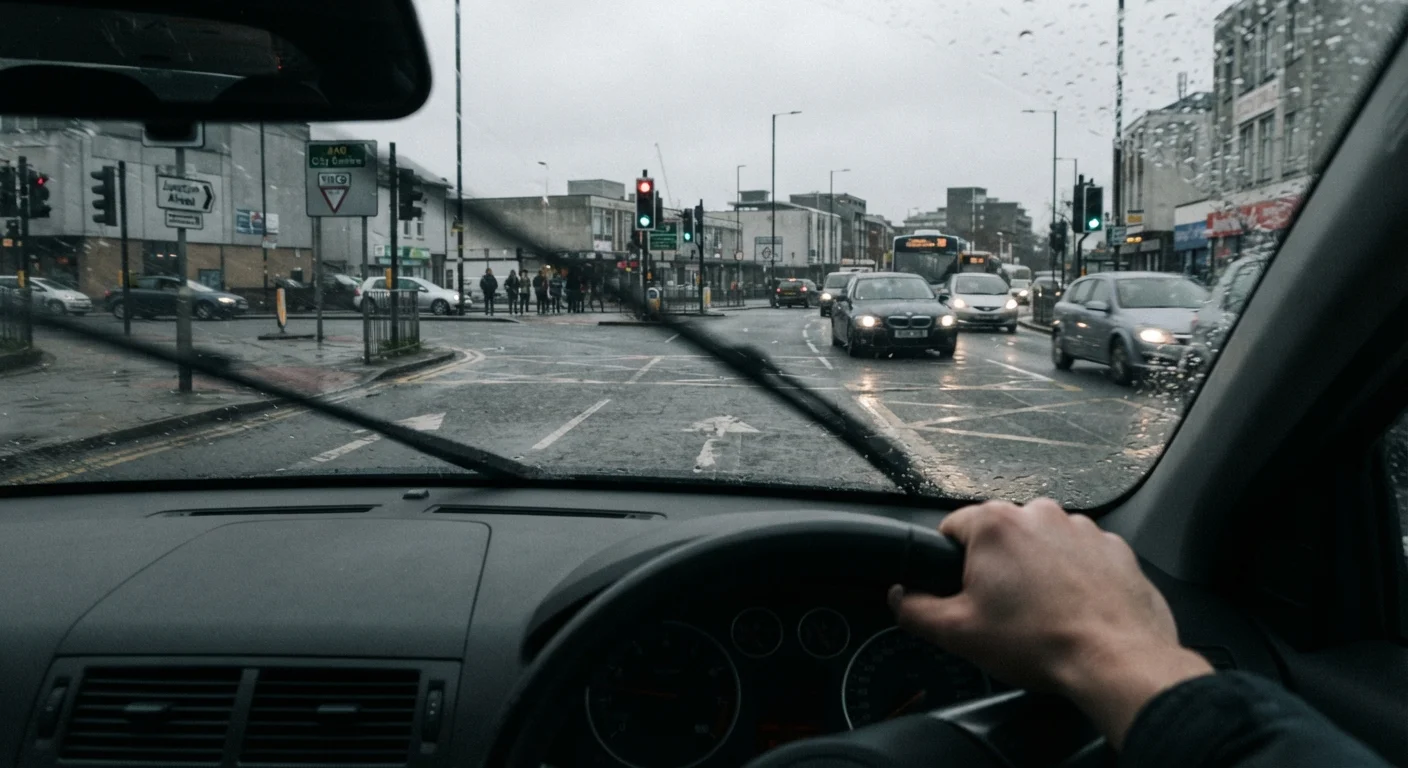
- Heavy traffic and merging zones: Speed differentials between vehicles are a primary contributor to rear-end and sideswipe collisions. Matching the flow of traffic at a moderate pace is often safer than pressing the legal limit. This is especially relevant at junctions, where perceptual errors are common - understanding speed misjudgment at junctions explains why.
- Curves and hills: Speed limits are sometimes set for straight, flat stretches and may not account for tight bends or crests where sight lines disappear.
- School zones and pedestrian areas: Posted limits in these areas are already reduced, but high foot traffic or a child near the roadway may warrant even slower speeds.
~33%
Fatal crashes with speeding as a factor
The National Highway Traffic Safety Administration (NHTSA) has consistently reported that speeding is a contributing factor in roughly one-third of all US traffic fatalities in recent years.
2-4×
Stopping distance increase on wet roads
NHTSA and highway safety guidelines indicate wet pavement can double or more the distance required to stop compared to dry conditions at the same speed.
Maintaining a proper following distance also factors into safe speed choices. The gap you leave ahead should grow as your speed increases or as road conditions worsen - the two variables are directly linked.
Building the Habit of Speed Awareness
Adapting your speed to conditions is a learnable habit, not a natural instinct. A few practical approaches:
- Scan further ahead. The earlier you spot a hazard, the more time you have to ease off the accelerator before reaching for the brakes.
- Use your speedometer as a reference, not a target. Check it periodically, but let road conditions drive your foot position more than the number on the sign.
- Recalibrate after highway driving. Research on speed adaptation suggests drivers often feel slower than they are after extended high-speed driving, making the first few minutes on local roads particularly risky. Give yourself a moment to mentally reset.
- Don't anchor to surrounding traffic. Other drivers may also be going too fast for conditions. Following the pack is not a legal or safety defense.
Speed Adaptation After Highway Driving
After extended highway travel, speeds below 45 mph can feel artificially slow, causing drivers to underestimate how fast they're actually going. This perceptual lag is well documented in driver behavior research. When transitioning from a highway to local roads, actively check your speedometer rather than relying on how fast you feel you're moving.
Speed judgment is one of the core skills separating confident, low-risk drivers from those who rely purely on posted signs. Treating limits as a ceiling - rather than a destination - is a straightforward shift that can meaningfully reduce your exposure to crashes.