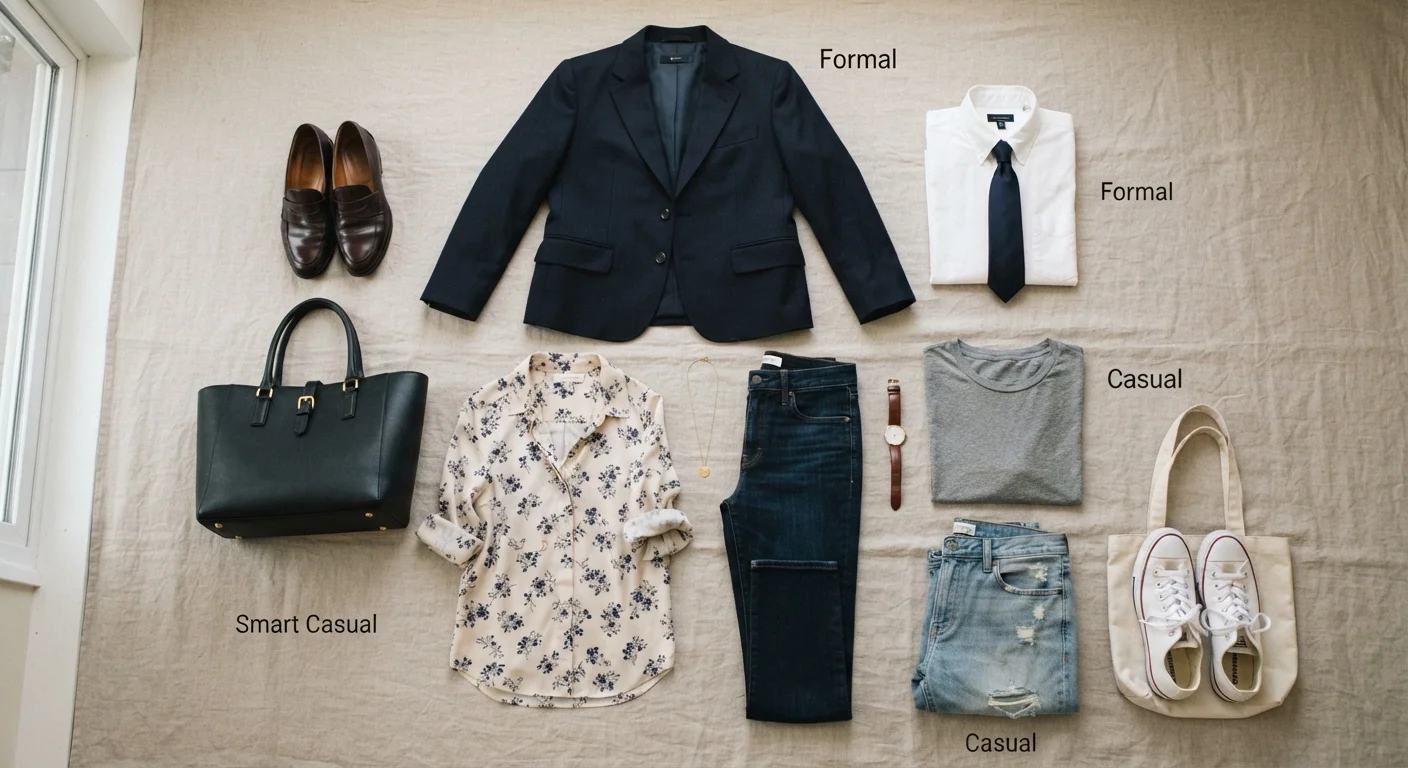

What 'Dressing With Intention' Actually Means
Intentional dressing isn't about owning fewer things or following a strict minimalist code. It means making clothing decisions from a place of self-awareness rather than impulse, social pressure, or trend anxiety. When you dress with intention, what you wear reflects how you actually live - your routines, your values, your comfort thresholds - rather than who you imagine you might become.
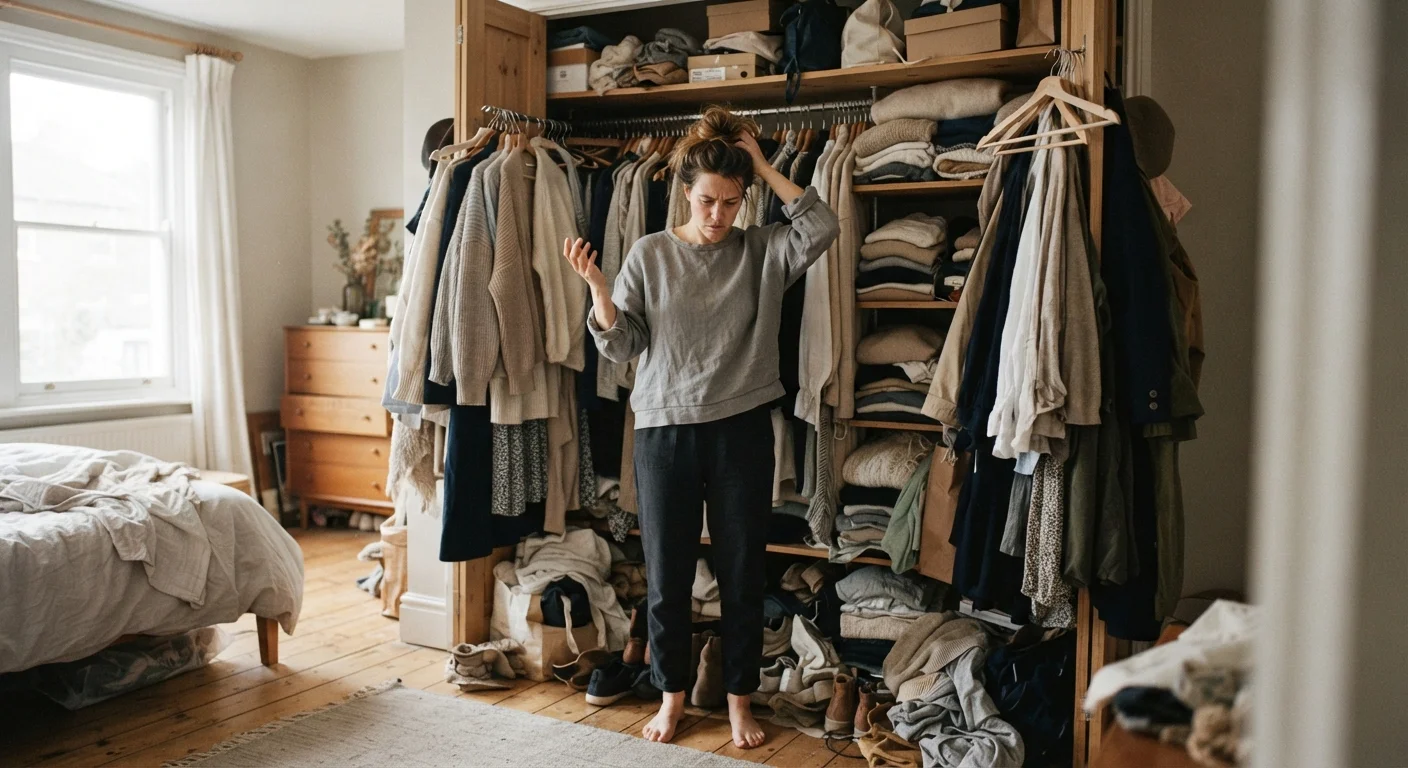
The opposite pattern is familiar to most of us: buying reactively after seeing something online, filling a closet with pieces that don't talk to each other, and still feeling like there's nothing to wear. That friction is a signal, not a character flaw. It usually points to a mismatch between the wardrobe you've accumulated and the life you're actually living. See our common style pitfalls for a closer look at how these habits form.
Shifting toward intention doesn't require a dramatic overhaul. It starts with a few consistent practices applied over time.
Audit what you reach for, not what you own
Most wardrobes contain a working rotation of roughly 20-30% of total items. Identifying what you consistently wear - and what you consistently skip - reveals your actual style preferences far more accurately than browsing or mood boards. This audit cuts through aspirational thinking and grounds decisions in real behavior.
Define your style in terms of feeling, not aesthetics alone
Aesthetic labels like 'minimalist' or 'classic' describe how clothes look, but dressing with intention also means knowing how you want to feel - put-together, relaxed, authoritative, approachable. Feeling-based language gives you a more personal filter for what belongs in your wardrobe.
Establish a clear set of fit and comfort non-negotiables
Clothes that don't fit well or feel physically uncomfortable rarely get worn, regardless of how good they look on a hanger. Knowing your fit preferences - sleeve length, waistband feel, fabric weight - prevents purchases that look appealing but create daily friction. Our article on dressing for your body shape separates useful fit guidance from outdated prescriptions.
Apply a personal colour filter before buying
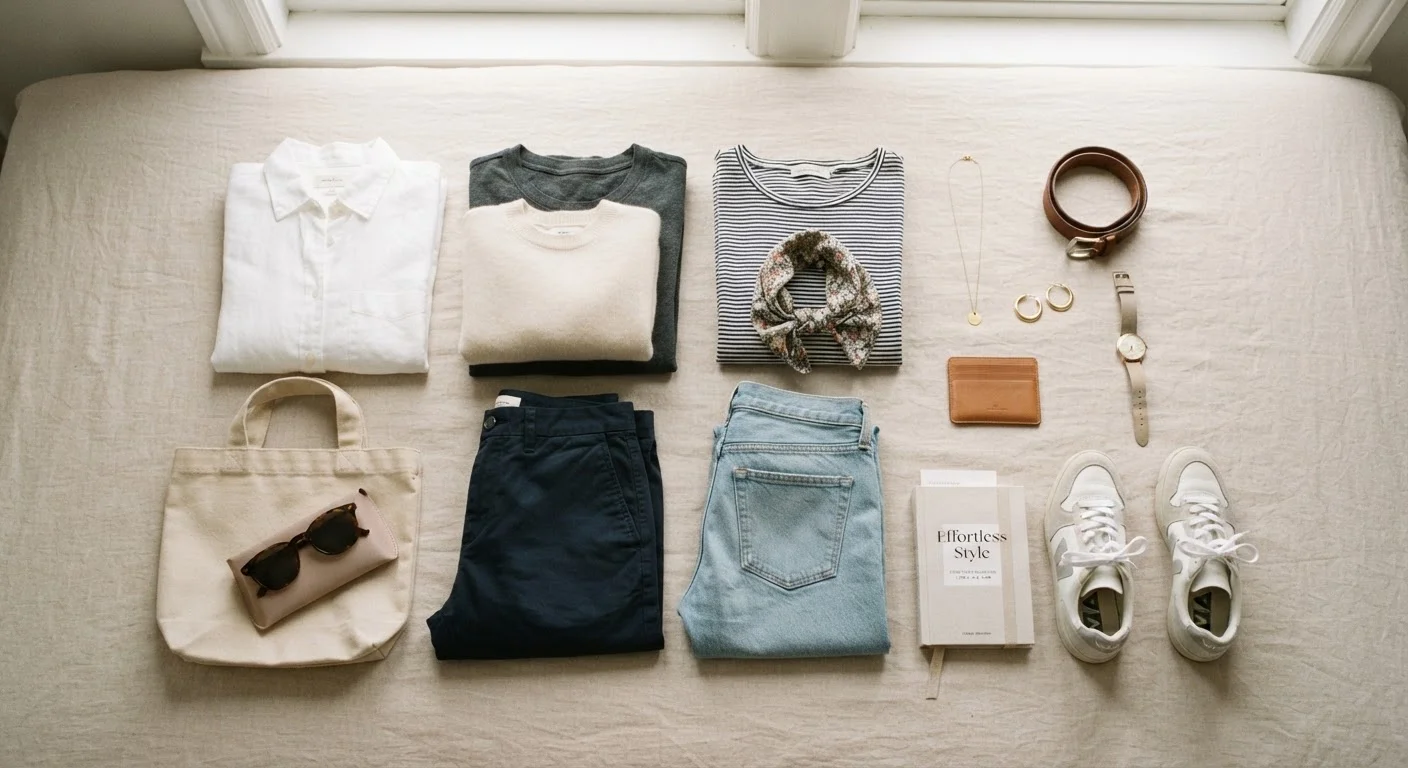
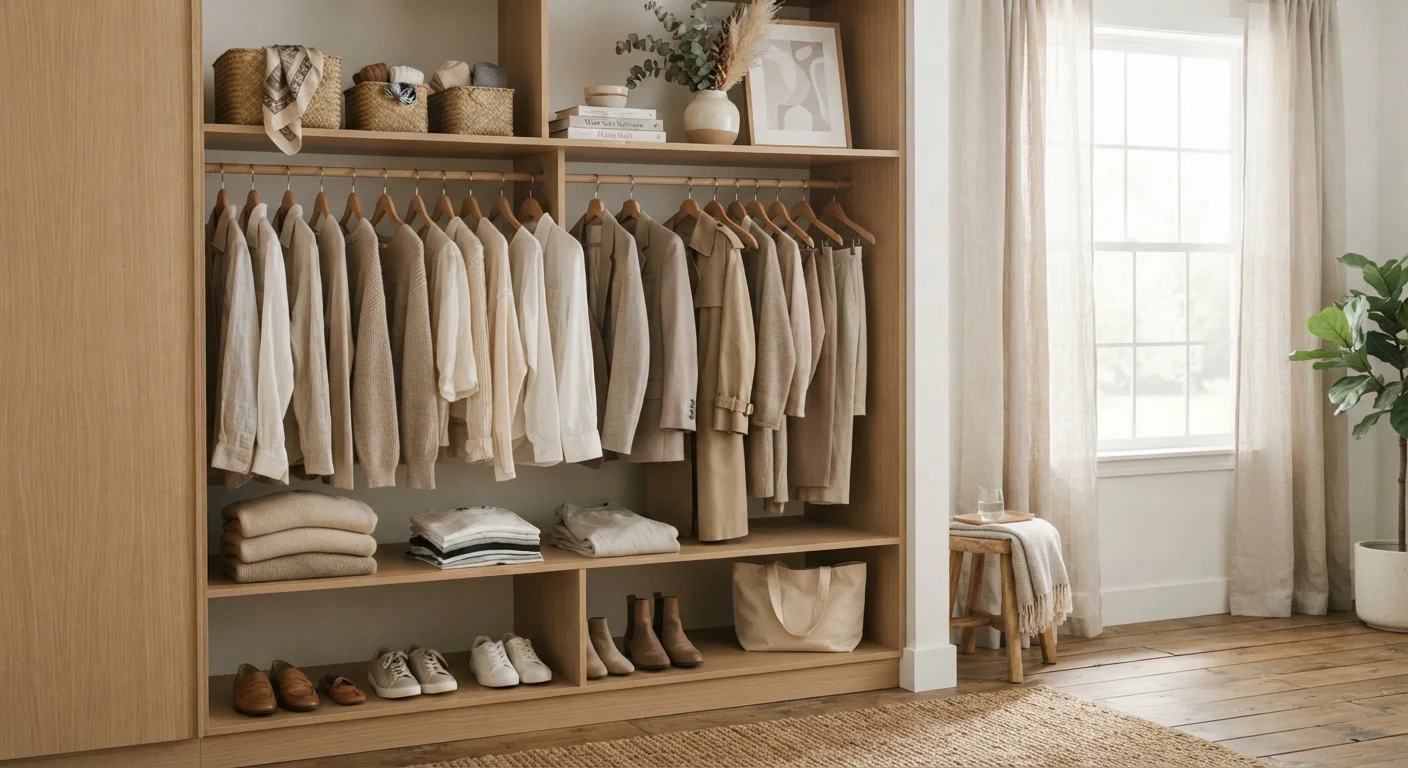
A limited, cohesive colour palette allows pieces to combine more freely, reduces morning decision fatigue, and creates a wardrobe that feels visually consistent. You don't need a professional colour analysis to identify the shades you're naturally drawn to and that work well with your complexion.
Make wardrobe decisions slowly and in context
Impulsive purchases made outside your normal context - scrolling late at night, stress shopping, buying for 'someday' scenarios - are a primary source of wardrobe clutter and regret. Adding deliberate friction to the buying process, like a 48-hour wait period, allows initial enthusiasm to settle before you commit.
Core Practices for Building a More Intentional Wardrobe
The following principles work together. You don't need to implement all of them simultaneously - pick one or two that address your most pressing friction points and build from there. For a broader framework, our personal style guide covers this territory in depth.
Staying Grounded When Trends Are Loud
Trend cycles move faster than ever, and the volume of style content online can make it feel like your wardrobe is perpetually out of date. The antidote isn't ignoring trends entirely - it's having a clear enough sense of your own style that you can evaluate a trend against your actual life before acting on it.
“Style is knowing who you are, what you want to say, and not giving a damn.”
— Gore Vidal, American author and cultural commentator
One useful filter: ask whether a trend-driven piece works with at least three things you already own. If it doesn't, it's likely a standalone item that will create outfit dead ends. Our guide to signature versus trend pieces explains how to balance experimentation with style anchors you can rely on.
Style archetypes - classic, minimalist, eclectic, and others - can also provide a useful reference point without locking you in. They're explored in detail in how to use style archetypes. Think of them as a compass, not a contract.
~20-30%
Wardrobe items worn regularly
Style researchers and wardrobe consultants commonly estimate that most people wear roughly 20-30% of their clothing on a regular basis, leaving the majority untouched.
33%
Shoppers report impulse regret
Consumer behavior surveys consistently find that a significant portion of shoppers regret impulse clothing purchases within weeks of buying, often citing poor fit or lack of occasion as the reason.
If you're working from a limited or cluttered wardrobe, the most practical first step is often to shop what you already own before adding anything new. And if you're starting more or less from scratch, our wardrobe-building framework offers a clear, non-overwhelming place to begin.