Why Archetypes Exist (and What They're Actually For)
The fashion world has always used categories to make sense of the enormous variety in how people dress. Style archetypes emerged as a practical shorthand - a way to cluster aesthetic tendencies into recognizable patterns so that people could communicate preferences more easily. But somewhere along the way, they started being used as fixed identities rather than flexible tools.
Understanding what personal style actually means is the foundation here. Style is a form of self-expression, not a category you permanently inhabit. Archetypes, at their most useful, function like a starting vocabulary - they help you articulate what you're drawn to before you've developed the fluency to describe it in your own words.
When you're staring at a closet that feels chaotic, or shopping without a clear sense of direction, an archetype gives you a filter. Instead of evaluating every item in isolation, you can ask: does this fit the general language I'm building? That's a genuinely useful cognitive shortcut - one that reduces overwhelm without eliminating personal judgment.
2-3
Archetypes most people naturally blend
Personal styling professionals commonly observe that clients draw from multiple archetypes rather than fitting neatly into one category.
60%+
Wardrobe items the average person rarely wears
Research from wardrobe psychology studies suggests most people regularly use a fraction of what they own, often due to a lack of clear aesthetic direction.
The Most Common Archetypes - and What They Actually Signal
You don't need to memorize a long list, but knowing a few dominant archetypes makes it easier to spot your own tendencies. Here's a practical breakdown:
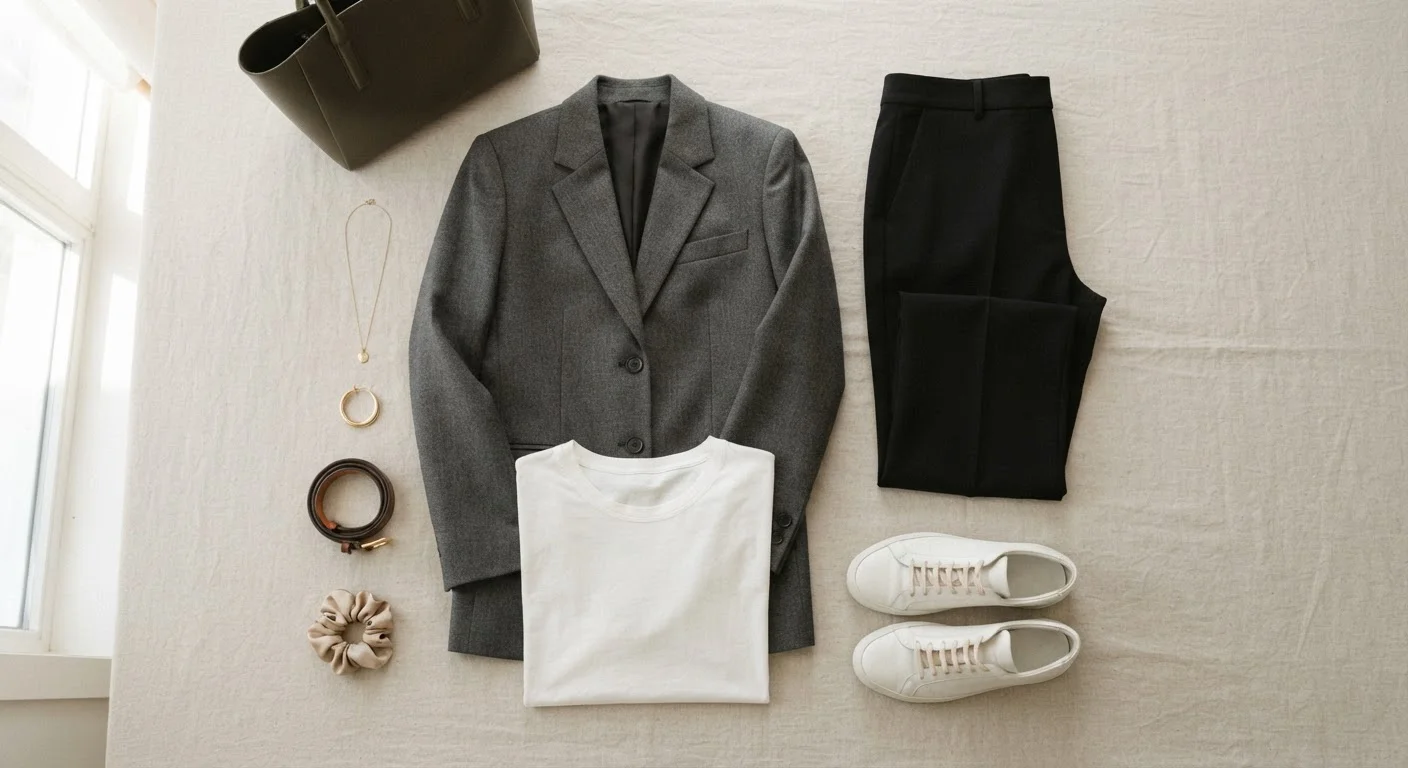
- Classic: Tailored silhouettes, neutral palettes, enduring cuts. Signals a preference for structure and longevity over novelty.
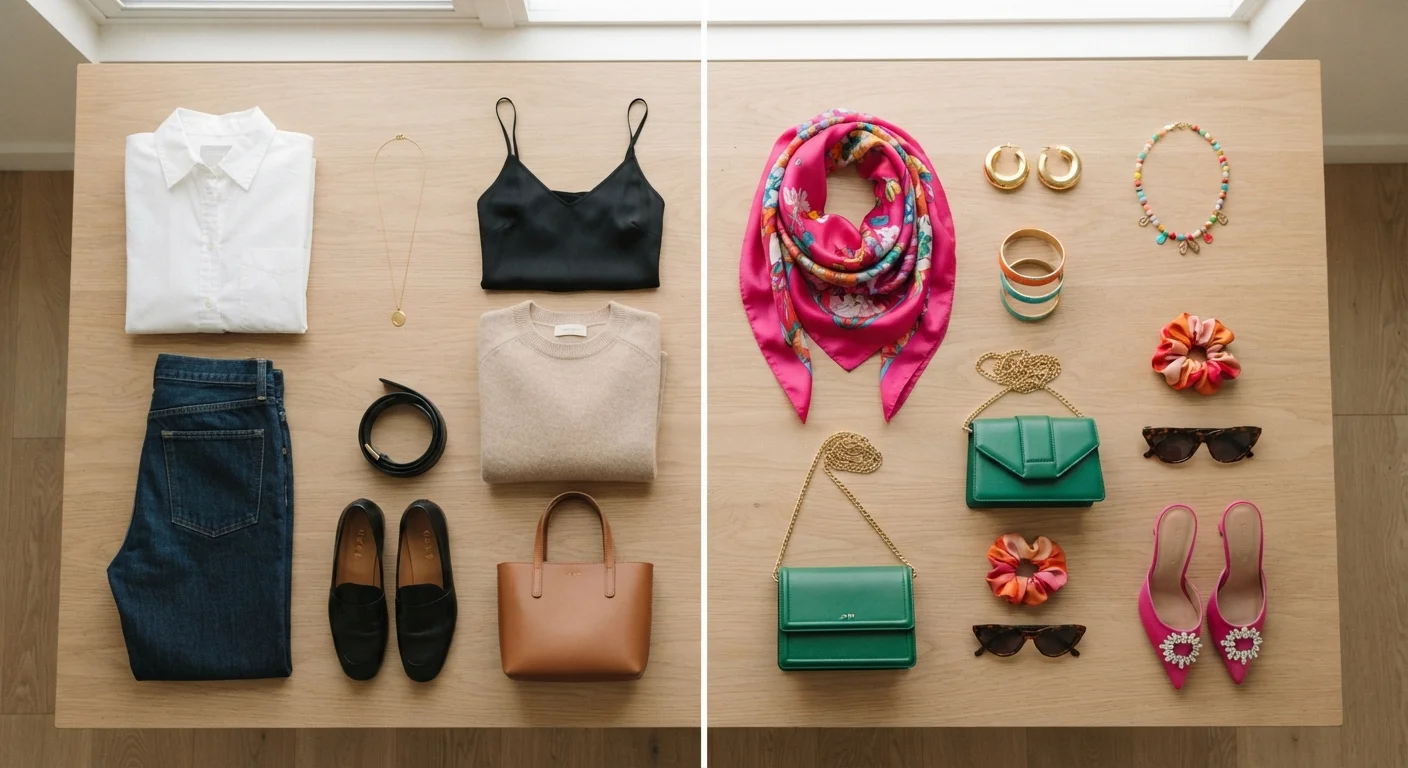
- Minimalist: Reduced palette, clean lines, deliberate restraint. Prioritizes clarity and ease over ornamentation.
- Bohemian: Flowing fabrics, layered textures, earthy or jewel tones. Values sensory richness and an unhurried, expressive quality.
- Streetwear: Casual comfort, graphic elements, functional details. Rooted in urban culture and athletic influence.
- Romantic: Soft fabrics, delicate details, feminine silhouettes. Emphasizes mood and emotional tone in dressing.
- Edgy: Contrast, hardware, strong silhouettes. Leans into tension and subversion as aesthetic statements.
Notice what these descriptions don't include: price points, body types, or age ranges. Archetypes are about aesthetic preference, not demographics. That distinction matters if you want to use them without feeling boxed in.
How to Identify Your Archetype Without Overthinking It
The most reliable method is retrospective rather than prescriptive. Instead of taking a quiz and accepting the result, look at evidence you already have:
- Audit what you actually wear. Pull out the items you reach for consistently - not the aspirational pieces, but the ones with real wear on them. Look for patterns in silhouette, color, and material weight.
- Review your inspiration saves. Whether it's a mood board, saved posts, or torn magazine pages, the images you collect without overthinking reveal genuine aesthetic pulls.
- Notice what earns you compliments - and what feels right regardless of compliments. External validation and internal comfort sometimes diverge. Both are useful data points.
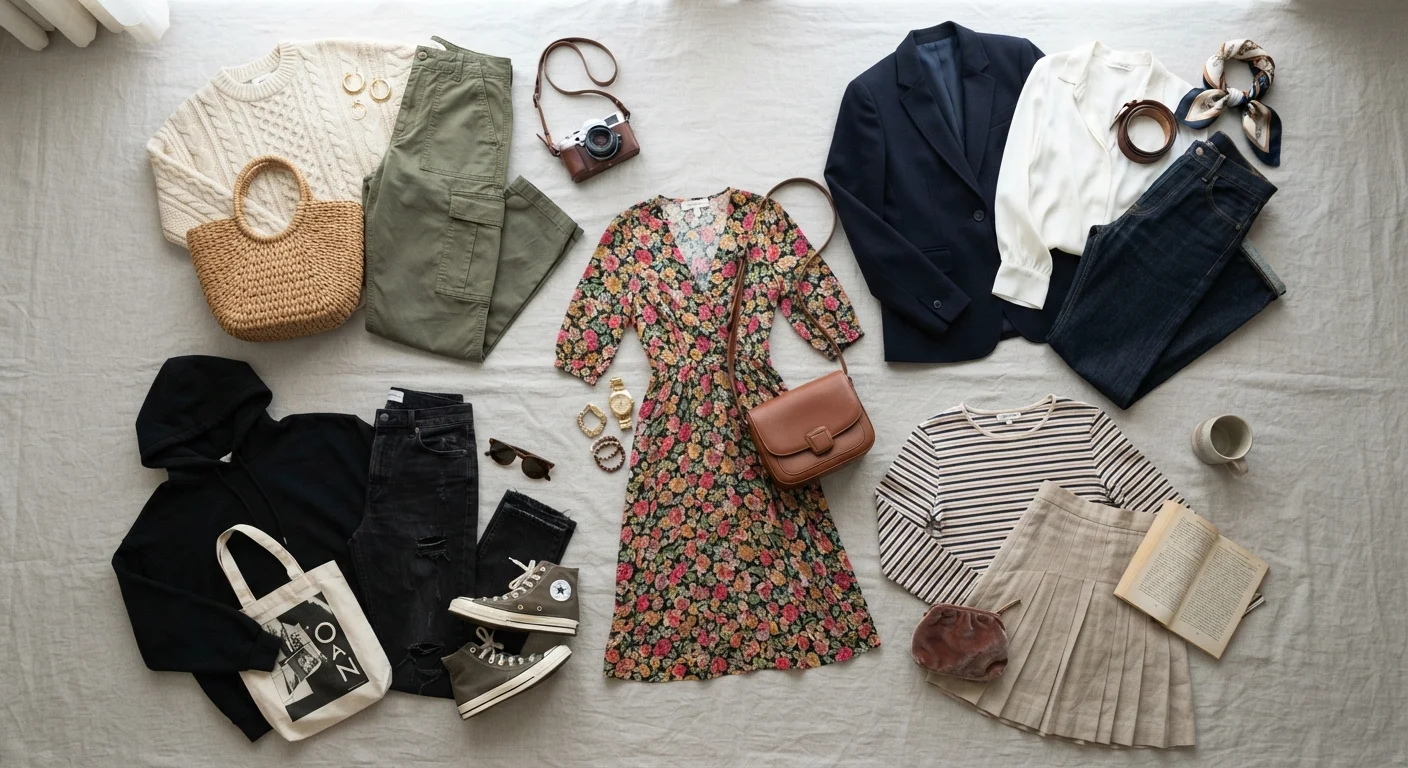
Once you have a sense of two or three recurring themes, you've likely identified your archetype blend. Most people aren't a single archetype - they're a Classic-Minimalist, or a Bohemian-Romantic, or a Streetwear-Edgy hybrid. That combination is actually more specific and more useful than any single label.
Try a 'Wears vs. Saves' Audit
Set aside 15 minutes to compare the clothes you actually wear most with the images you save for style inspiration. Where those two lists overlap is almost always where your real archetype lives. Discrepancies between what you admire and what you actually wear comfortably are equally useful - they often reveal aspirational pulls that don't match your current lifestyle or comfort level.
Using Archetypes as a Wardrobe Framework, Not a Rulebook
Once you have a working archetype blend, put it to practical use. The goal is to build a wardrobe that has internal coherence - meaning pieces generally work together - without becoming a rigid uniform.
When evaluating new pieces, run them through a simple test: does this item fit at least one of my archetypes, or does it fit none of them? If it fits none, that's not an automatic no, but it's a useful pause. Sometimes a piece that sits outside your archetypes signals genuine style evolution. Other times it's just impulse buying dressed up as experimentation.
For practical guidance on putting this into action, the framework for building a wardrobe from scratch offers concrete next steps once you have your archetype bearings. Pair that with thinking about signature pieces versus trend pieces - your archetype will naturally point you toward which items are worth treating as anchors and which are worth experimenting with seasonally.
The deeper principle is one of dressing with intention: when your wardrobe has a consistent aesthetic language - even a blended one - getting dressed becomes simpler and more satisfying. Archetypes are simply the vocabulary that helps you build that language.
“Personal style is not about replicating a look - it's about developing a relationship with clothing that feels authentic to you. Categories can help you start that conversation, but they should never end it.”
— Tim Gunn, Fashion educator and author on personal style
Letting Your Archetype Evolve Without Starting Over
One of the most freeing reframes is understanding that your style archetype isn't a commitment - it's a current read. Life changes, and so do the aesthetics that resonate with you. A decade spent in corporate environments might have pushed you toward Classic; shifting to remote work or a different city might open up space for something looser and more expressive.
Rather than treating archetype shifts as a wardrobe crisis, treat them as useful information. When you notice that certain pieces consistently feel wrong and others feel newly right, that's your style compass recalibrating. The comprehensive guide to personal style from the ground up covers this evolution in full - worth revisiting whenever you feel your current wardrobe no longer reflects who you are.
The point is always the same: archetypes work for you, not the other way around. Use them when they're clarifying, set them aside when they're constraining, and revisit them when you need a new starting point.