
Start With Your Real Life, Not an Ideal One
Before buying a single thing, take an honest look at how you actually spend your days. Where do you go? What do you do? How formal or casual are those environments? A wardrobe built for your real schedule-not the life you imagine having-will feel effortless to use because it solves the problems you actually face.
Grab a notebook and map out a typical week. Note the contexts that require clothing: commuting, working from home, errands, social plans, exercise, and downtime. Then estimate what percentage of your week each context takes up. This breakdown becomes your wardrobe blueprint. If you spend 70% of your time in casual settings, that allocation should show in your closet.
Audit Before You Add Anything New
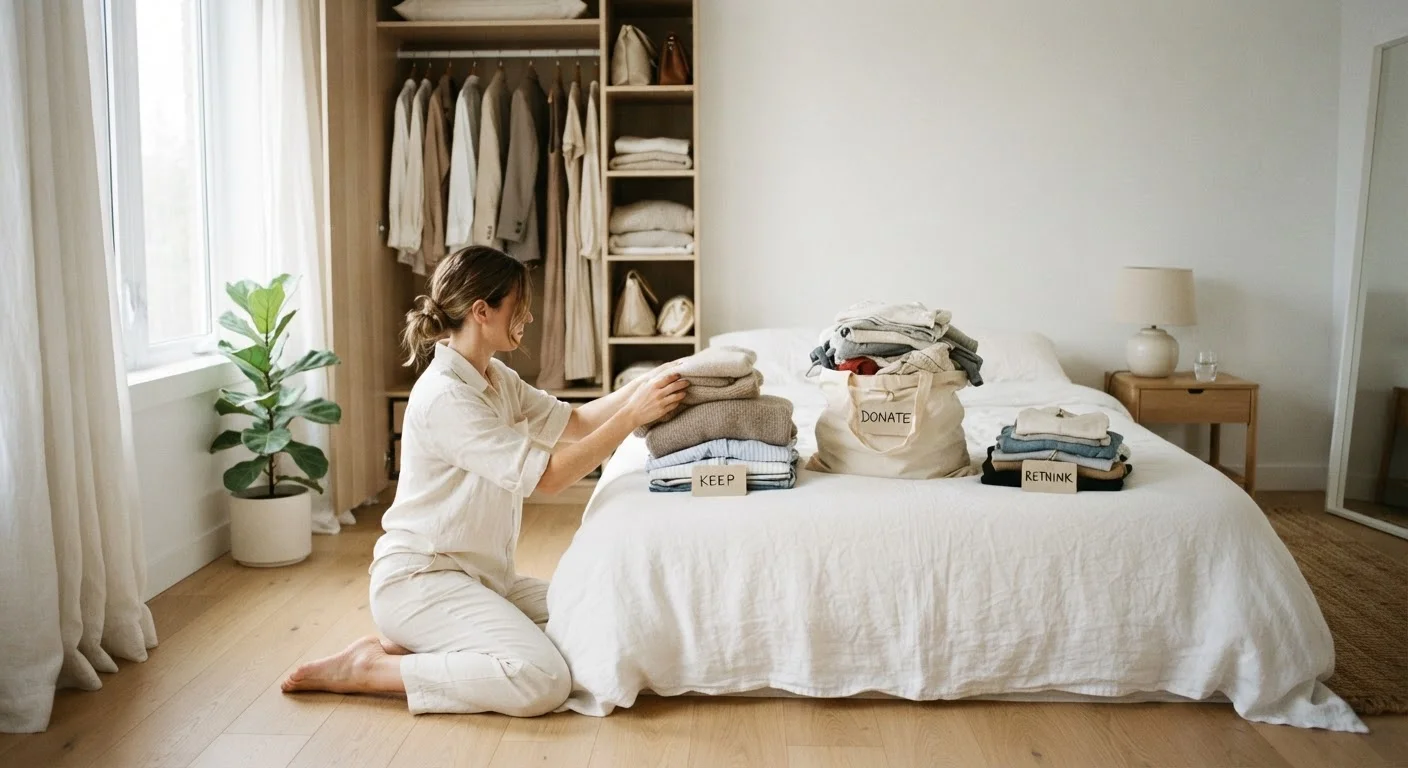
If you already have a closet full of clothes that don't feel like yours, resist the urge to shop immediately. Take stock of what you own with fresh eyes first. You'll avoid duplicating mistakes and get a clearer picture of what you actually need.
If you already have clothing but aren't sure what to keep, consider shopping your own wardrobe first before making any purchases. You may discover combinations you've been overlooking.
Defining Your Style Without Trend Pressure
Style is simply the visual language you use to communicate who you are. It doesn't require expensive pieces, a particular body type, or a subscription to trend forecasts. It starts with noticing what you're drawn to.
Collect images-from anywhere-of outfits that appeal to you. Don't analyze them yet. After gathering 20 or 30, look for patterns: recurring colors, silhouettes, levels of formality, textures. Those patterns tell you what your eye actually prefers, which is far more reliable than following advice aimed at a generic audience.
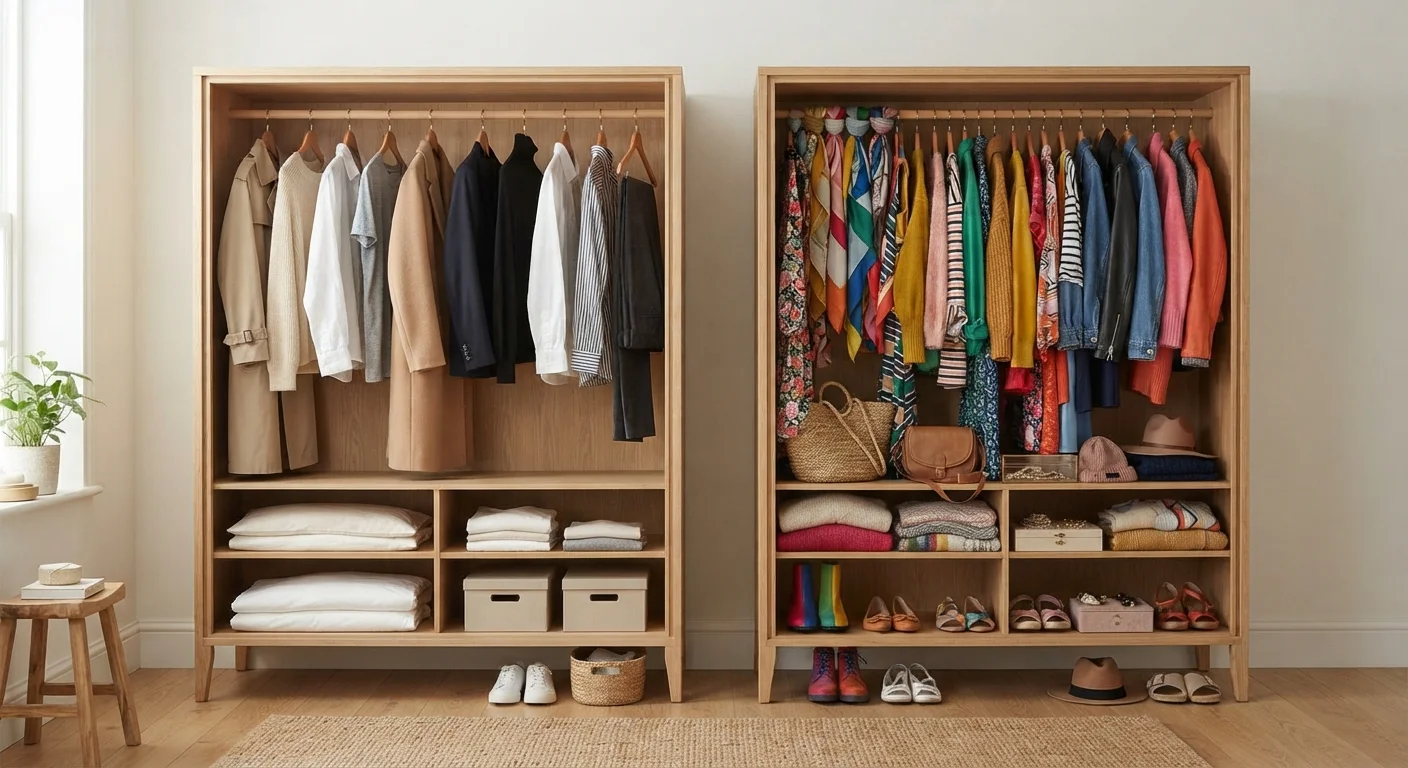
Capsule wardrobe
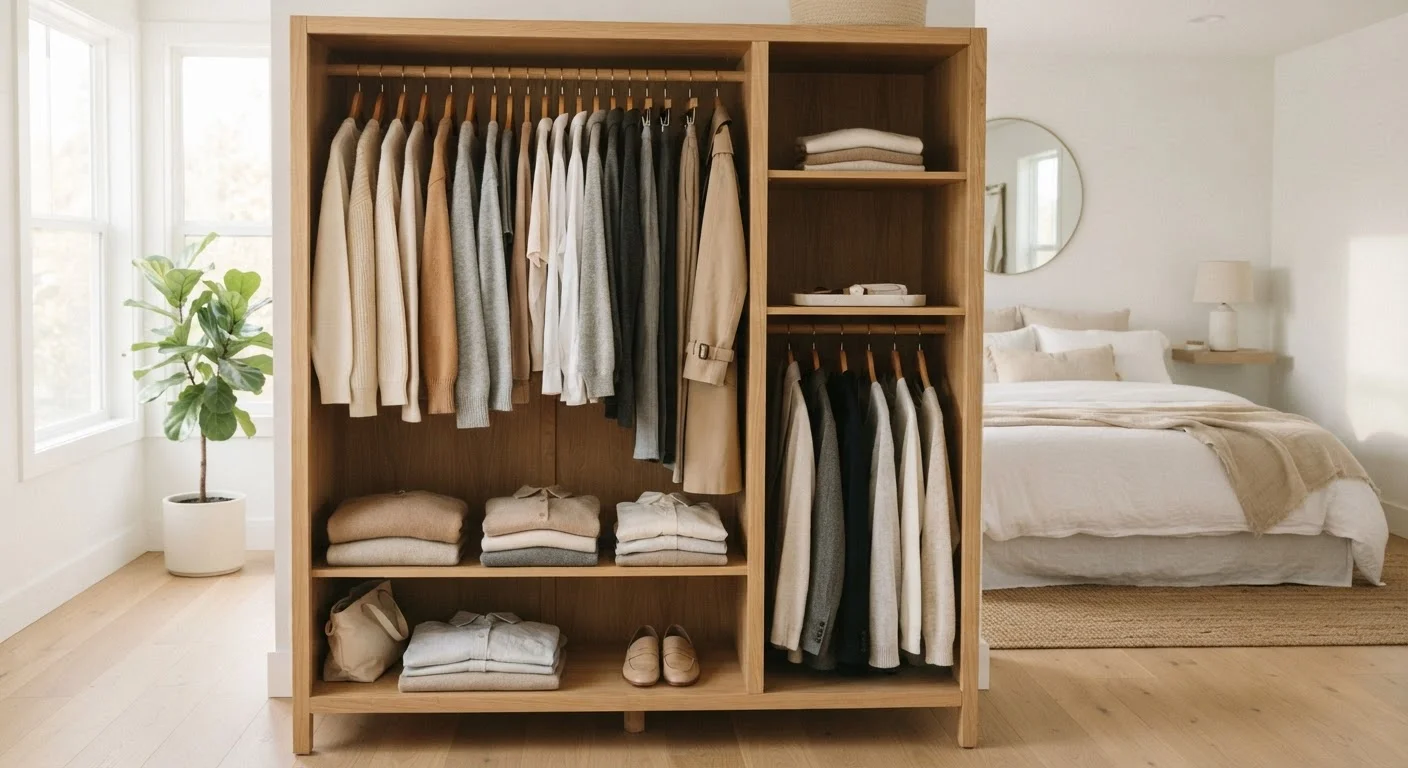
A tightly curated set of interchangeable clothing items-typically 30 to 40 pieces-chosen so that nearly every combination creates a complete outfit.
Neutral base color
A color like white, black, navy, grey, or beige that pairs easily with most other colors, making it a reliable foundation for building outfits.
Silhouette
The overall shape or outline a garment creates on the body-such as slim, relaxed, or structured-which defines how an outfit reads at a glance.
Wardrobe audit
A deliberate review of every item you own to decide what serves your current life, what should be donated, and what gaps genuinely need filling.
Lifestyle allocation
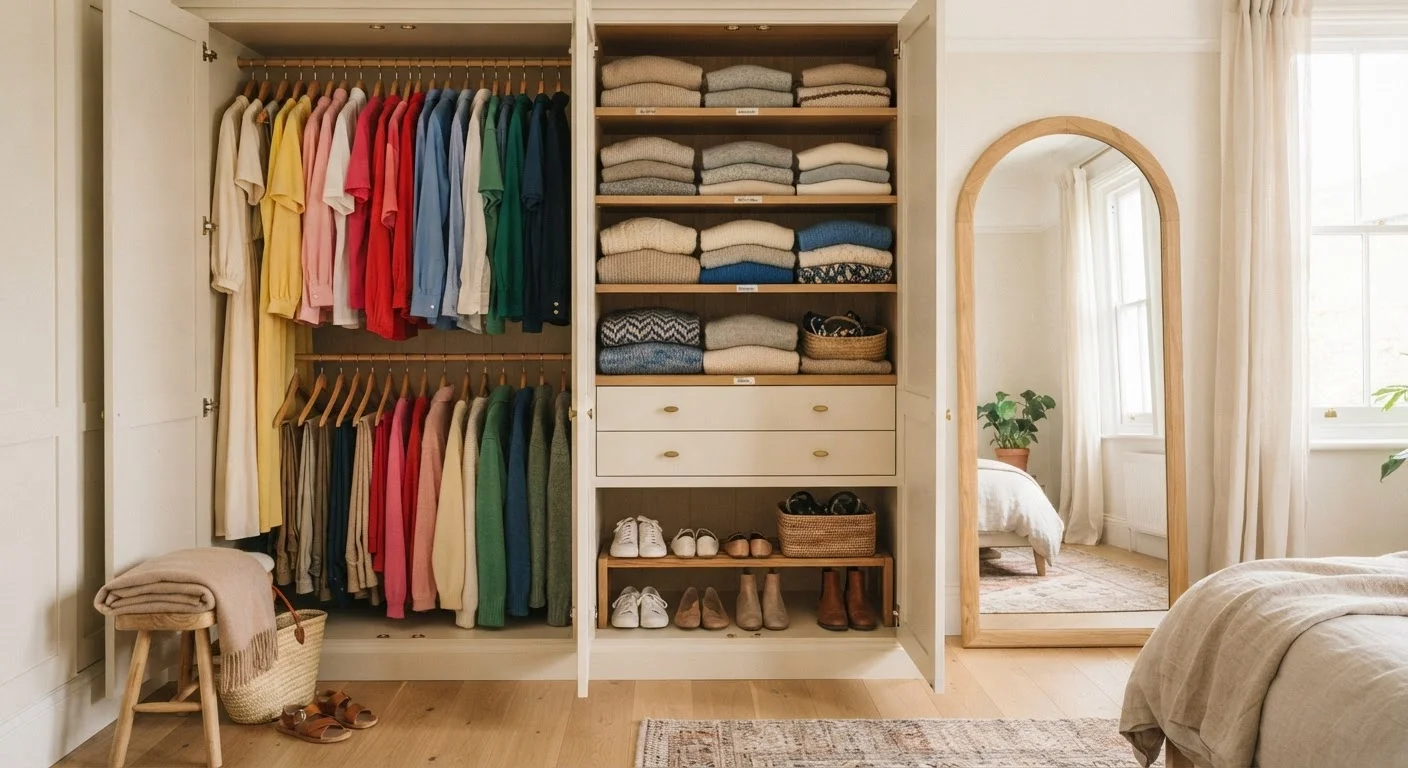
The proportion of your wardrobe devoted to each area of your life-work, casual, active, formal-based on how much time you actually spend in each context.
Color is one of the most personal and powerful elements of style. If you want to explore it more systematically, our guide on identifying your personal colour palette walks through the process without needing a professional consultation.
For a broader view of building style from the ground up, this comprehensive overview covers everything from aesthetics to wardrobe building in one place.
The Core Pieces Worth Building Around
A functional wardrobe rests on a small number of versatile pieces that combine easily with each other. These aren't prescribed items-they vary by lifestyle-but they share key traits: neutral or near-neutral color, good fit, and the ability to appear in multiple outfit contexts.
Think in categories rather than specific items:
- Bottoms: One or two pairs of well-fitting trousers or jeans in a neutral color are the backbone of most casual and semi-formal wardrobes.
- Layering pieces: A structured jacket, cardigan, or overshirt extends the use of almost every outfit beneath it.
- Simple tops: Solid-color tops in two or three tones anchor the rest and prevent clutter when mixing patterns.
- Footwear: One casual pair and one pair appropriate for more polished settings covers the majority of daily needs.
These anchors aren't boring-they're functional. Once they're in place, more expressive pieces have something to work with rather than compete against.
How to Add Pieces Gradually and Intentionally
Resist the impulse to complete your wardrobe in one shopping trip. Adding pieces slowly lets you see what gaps actually emerge in practice rather than what you assume you'll need in theory.
Before purchasing anything new, ask three questions: Does this work with at least three things I already own? Does it fit my actual lifestyle categories? Do I like how I feel wearing it-not just how it looks on a hanger? If the answer to any of these is uncertain, give it time.
For a more structured framework on how minimalist and expansive approaches differ, this comparison of capsule versus full wardrobes can help clarify which direction suits your life best.
Common Mistakes That Stall Wardrobe Progress
Even well-intentioned wardrobe building runs into predictable obstacles. Knowing them in advance makes them easier to sidestep.
- Buying aspirationally: Purchasing for the life you want rather than the one you have leads to a closet full of unworn items. Your future self will thank your present self for practicality.
- Ignoring fit: No amount of style instinct compensates for poor fit. An item that doesn't fit well will rarely get worn, regardless of how much you like it in theory.
- Chasing trends without a filter: Trends are designed to cycle. Incorporating them without checking whether they align with your established aesthetic creates visual noise and buyer's regret.
- Skipping the audit step: Before expanding your wardrobe, reviewing what already exists prevents duplication. Our wardrobe audit checklist provides a structured way to do this honestly.
Aspirational Buying Is the Most Common Trap
Buying for the life you wish you had-rather than the one you live-is the single most reliable way to fill a wardrobe with things you never wear. Before any purchase, pause and ask whether it fits your real weekly schedule. If the honest answer is rarely, put it back.
For a deeper look at the habits that quietly make getting dressed frustrating, this guide on common style pitfalls is a useful companion read. And if you want to move from reactive to intentional dressing over time, dressing with intention outlines the principles that make the shift sustainable.