
What Sets These Two Categories Apart
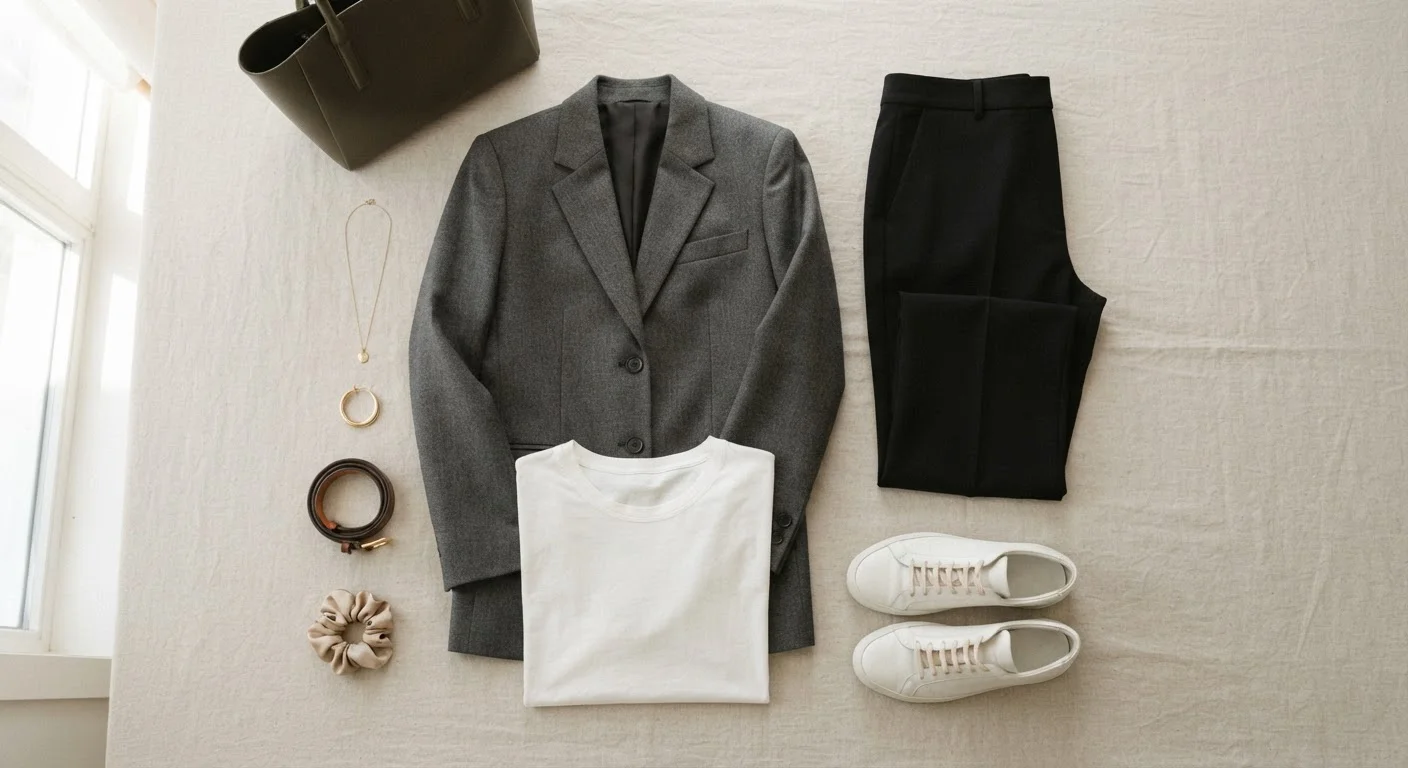
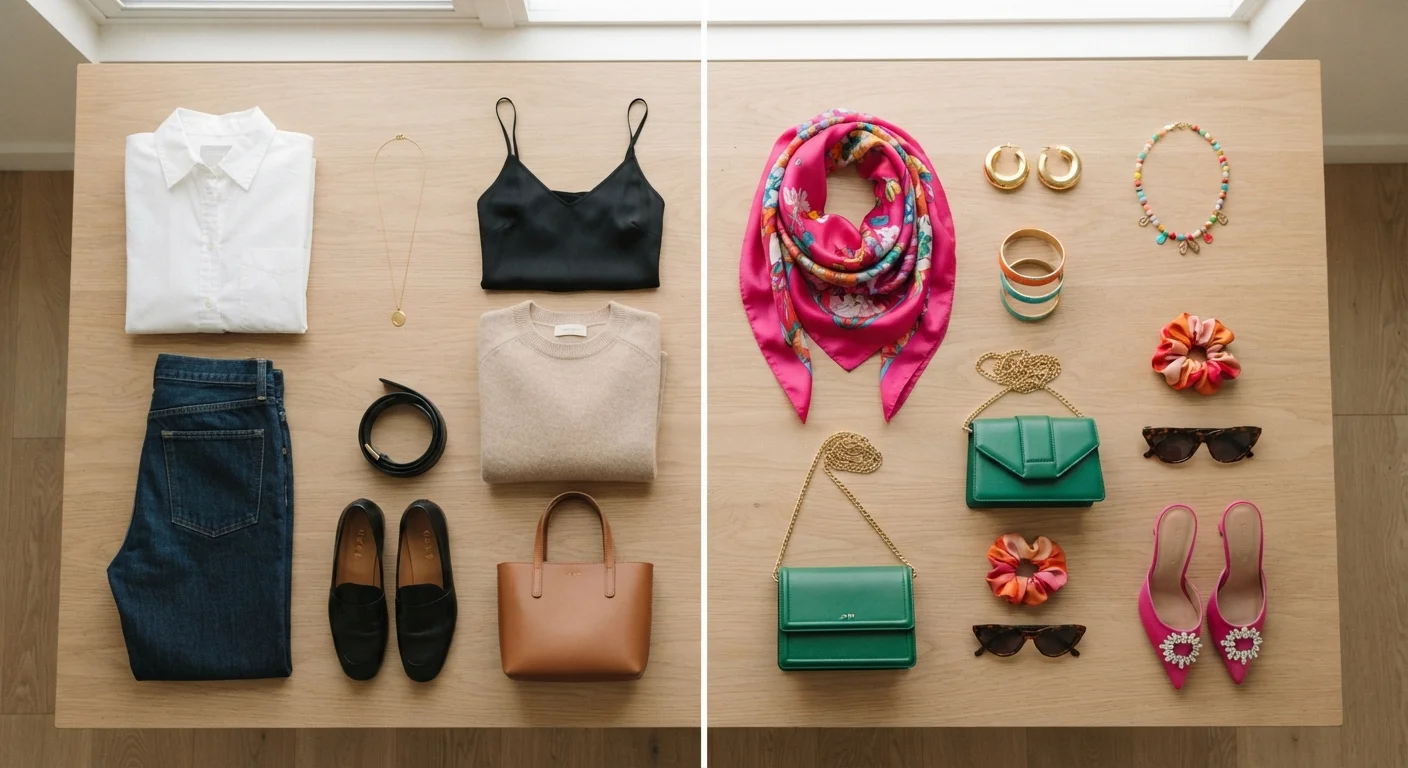
Signature pieces are the items you reach for intuitively - the ones that feel like you without effort. They tend to transcend seasons, work across multiple contexts in your life, and hold up through years of wear without feeling dated. Think of them as the vocabulary your style keeps returning to.
Trend pieces, by contrast, respond to a specific cultural moment. They're reactive by design - often inspired by runway looks, social media cycles, or a particular season's palette. Their value isn't longevity; it's novelty and relevance. The problem arises when shoppers treat trend pieces with the same buying logic as signature ones: spending heavily on something that may feel irrelevant within twelve months.
Understanding what personal style actually means helps clarify which category an item truly belongs to for you - because the same piece can function as a signature anchor for one person and a fleeting experiment for another.
| Criterion | Signature Pieces | Trend Pieces |
|---|---|---|
| Longevity | Seasons to years | One to two seasons |
| Buying rationale | Reflects consistent personal style | Responds to current fashion moment |
| Spending approach | Worth investing more per item | Better kept at lower price points |
| Versatility | Pairs broadly across your wardrobe | Often tied to a specific look or season |
| Emotional value | High - feels like 'you' | Variable - exciting now, may fade quickly |
| Risk level | Low - reliable returns on wear | Higher - may not hold appeal over time |
How to Identify Your Actual Signature Pieces
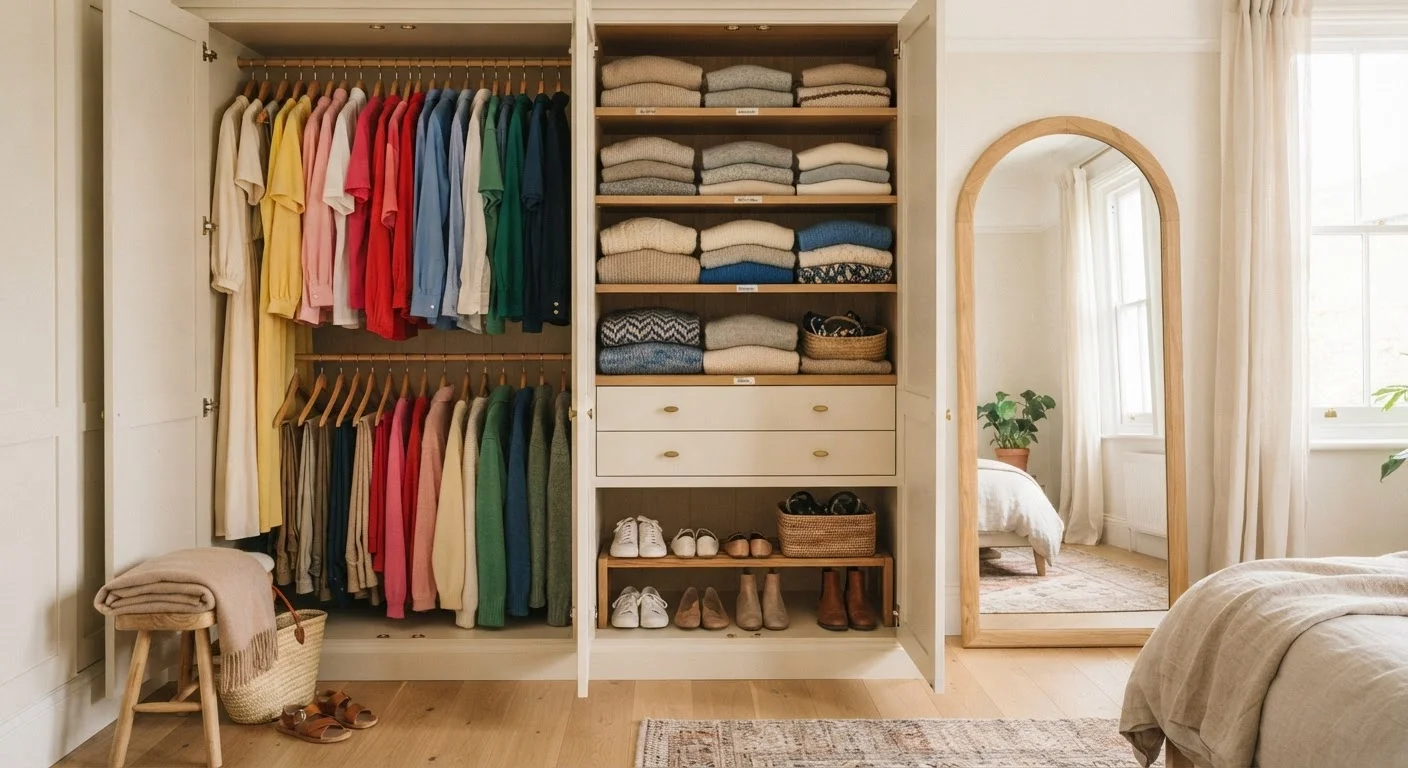
Most people already own a few signature pieces - they just haven't labeled them as such. A reliable starting point: open your closet and notice which items you've worn consistently across different seasons, occasions, and even years. Those are your anchors.
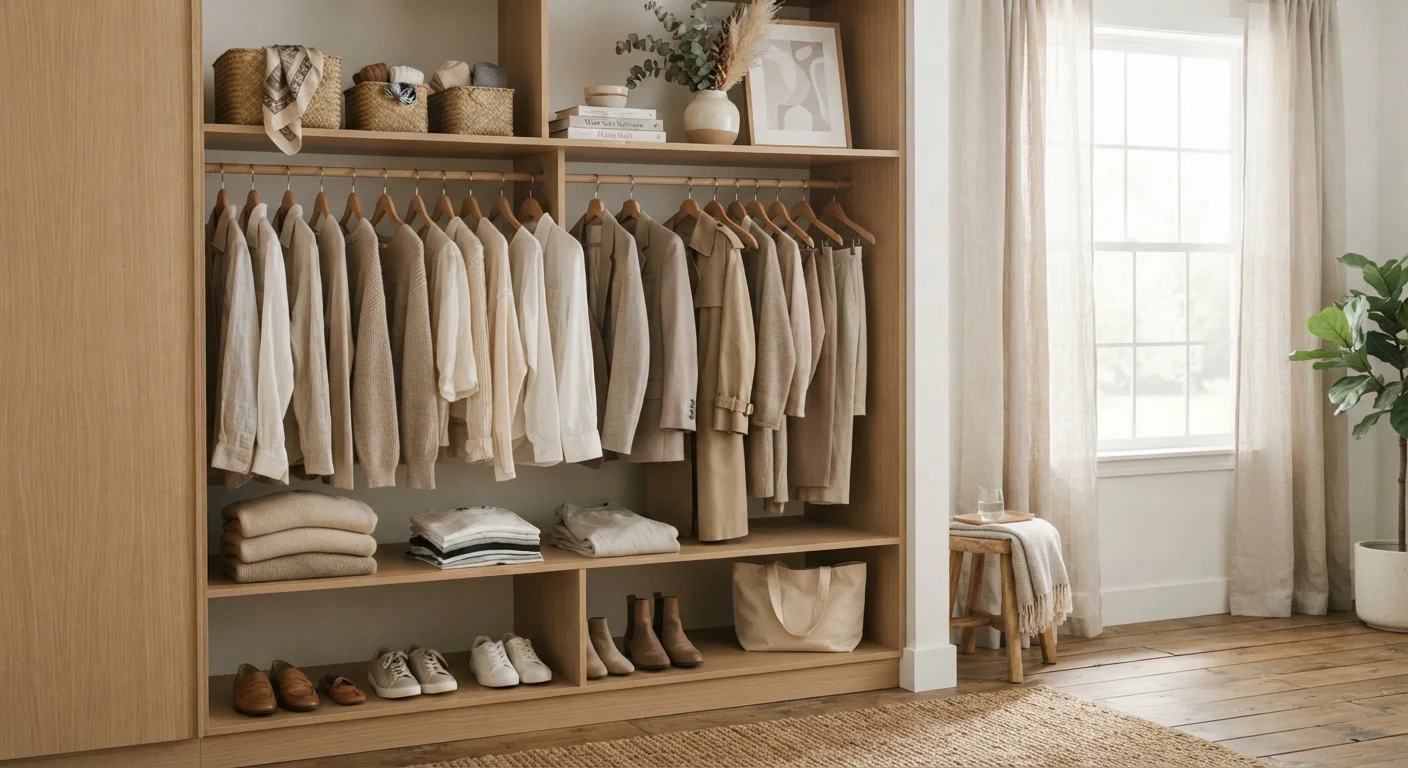
Signature pieces often share a few traits: they fit well without effort, they pair easily with other things you own, and wearing them requires no internal negotiation. They can span any category - a particular silhouette of trouser, a specific fabric weight, a recurring color - but the common thread is that they feel settled rather than aspirational.
Before adding anything new to your wardrobe, shopping your own wardrobe first is a practical way to surface signature pieces you may have overlooked and reassess what's actually earning its space.
~30%
Wardrobe items regularly worn
Research cited by wardrobe consultants and sustainability advocates consistently suggests most people wear only a fraction of what they own regularly.
3+
Existing items a new piece should pair with
Style educators commonly recommend this as a quick litmus test before purchasing any new item, whether trend or signature.
A Smarter Framework for Experimenting with Trends
Trend experimentation isn't inherently wasteful - it becomes problematic only when it's disconnected from the rest of your wardrobe. A more intentional approach treats trend pieces as optional additions rather than mandatory updates.
A useful filter: ask whether a trend piece would work with at least three items you already own. If it only functions as part of a complete new look, it's likely asking you to spend far more than the single item's price tag suggests. Trends that complement your existing signature style tend to deliver more satisfaction than those that require a wardrobe overhaul to make sense.
Cost per wear is another grounding tool. A lower-priced trend item worn a handful of times may represent better value than an expensive one worn once. This shifts the focus from price to utility - and reduces the guilt often associated with trend purchases.
For a more structured approach to dressing with intention, consider how each potential purchase - trend or signature - fits the life you actually live, not the one you're imagining.
Trends Are Not the Enemy
Engaging with trends isn't a sign of shallow taste or poor judgment - fashion is a form of cultural participation, and seasonal changes can be genuinely enjoyable. The key distinction is between trends you're drawn to because they align with something already in your style vocabulary, and those you're chasing because you feel you should. The former tends to integrate naturally; the latter tends to accumulate unused.
Finding the Balance That Works for You
There's no universal ratio of signature to trend pieces. Someone who finds joy in following fashion closely will naturally carry more trend items; someone who prioritizes consistency and ease will skew toward signatures. Both are valid approaches, and neither requires justification.
What matters is that the balance is chosen rather than defaulted into. Reactive shopping - buying trends because they appeared in your feed or because you felt pressure to stay current - tends to produce wardrobes that feel random and dissatisfying. Intentional shopping, even when it includes trend pieces, produces a wardrobe that feels coherent.
If you're working to develop a clearer sense of direction, style archetypes can offer a useful starting framework - not as a constraint, but as a vocabulary for identifying what consistently resonates with you. The goal isn't a perfectly curated wardrobe; it's one that you understand well enough to shop with confidence.