
Why the Nutrition Facts Panel Exists - and What It Can Tell You
The Nutrition Facts panel is a standardized, federally regulated disclosure, governed by the FDA, that appears on most packaged foods sold in the United States. Its purpose is to give consumers consistent, comparable information so they can make informed choices - regardless of the marketing language on the front of the package.
The panel was significantly updated in 2016 (with manufacturers completing the rollout by 2020), adding a dedicated line for added sugars, increasing the prominence of the calorie count, and removing some nutrients that are now considered less critical for public health. Understanding what changed helps explain why older label-reading guides may give you outdated information.
Front-of-Package Claims Can Be Misleading
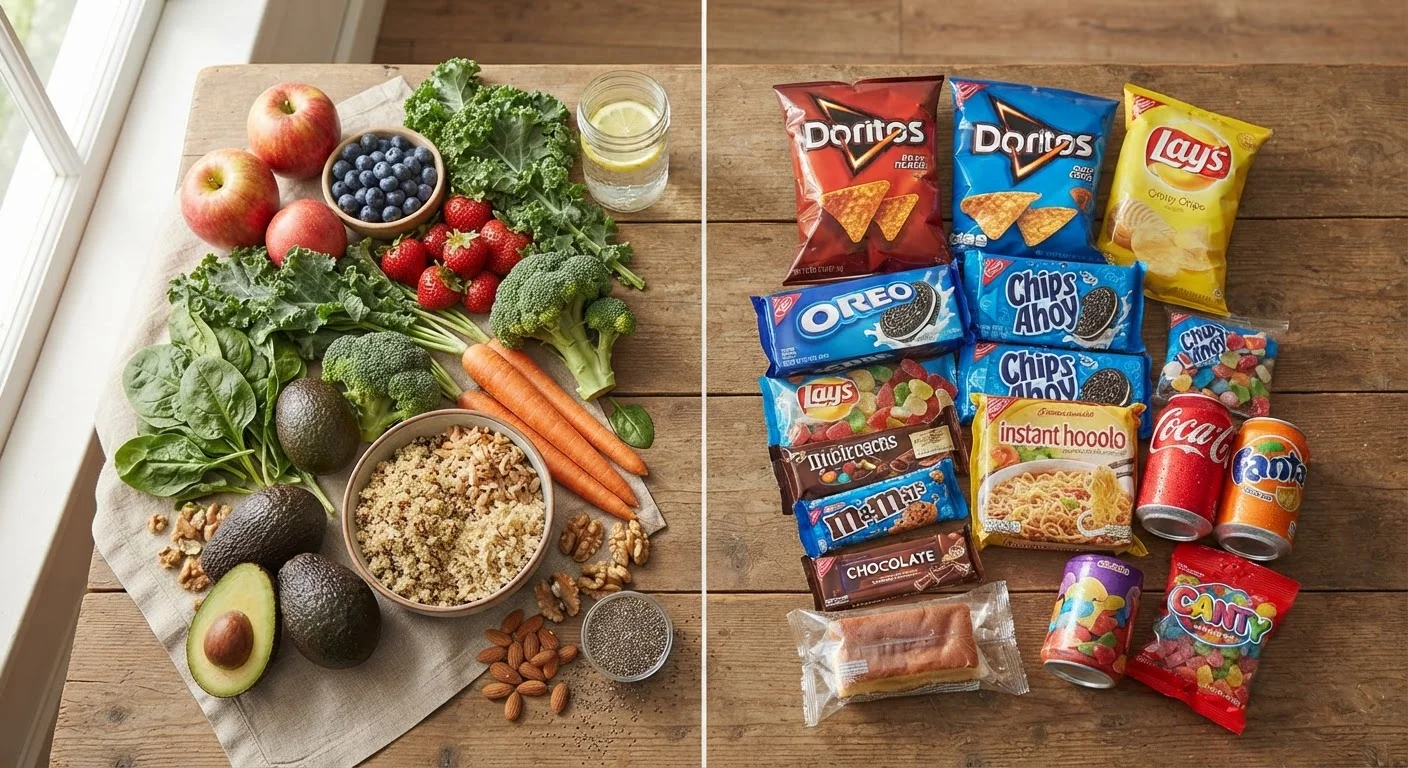
Terms like "natural," "light," "multigrain," or "made with real fruit" are marketing language and are not strictly regulated the way the Nutrition Facts panel is. Always flip to the back panel for the actual numbers. A product labeled "low fat" may compensate with high added sugar - only the facts panel reveals the full picture.
Nutrition labels work best as a comparison tool and a general guide. They don't account for individual variation in metabolism, health status, or dietary goals. If you notice patterns suggesting your diet may be missing key nutrients, these signs of nutritional gaps are worth reviewing with a healthcare professional.
What you will need
Step-by-Step: Reading a Label Without Getting Lost in the Numbers
The six steps below walk through the Nutrition Facts panel from top to bottom - the same order the FDA intended. Follow this sequence and you'll extract the information that actually matters in under a minute per product.
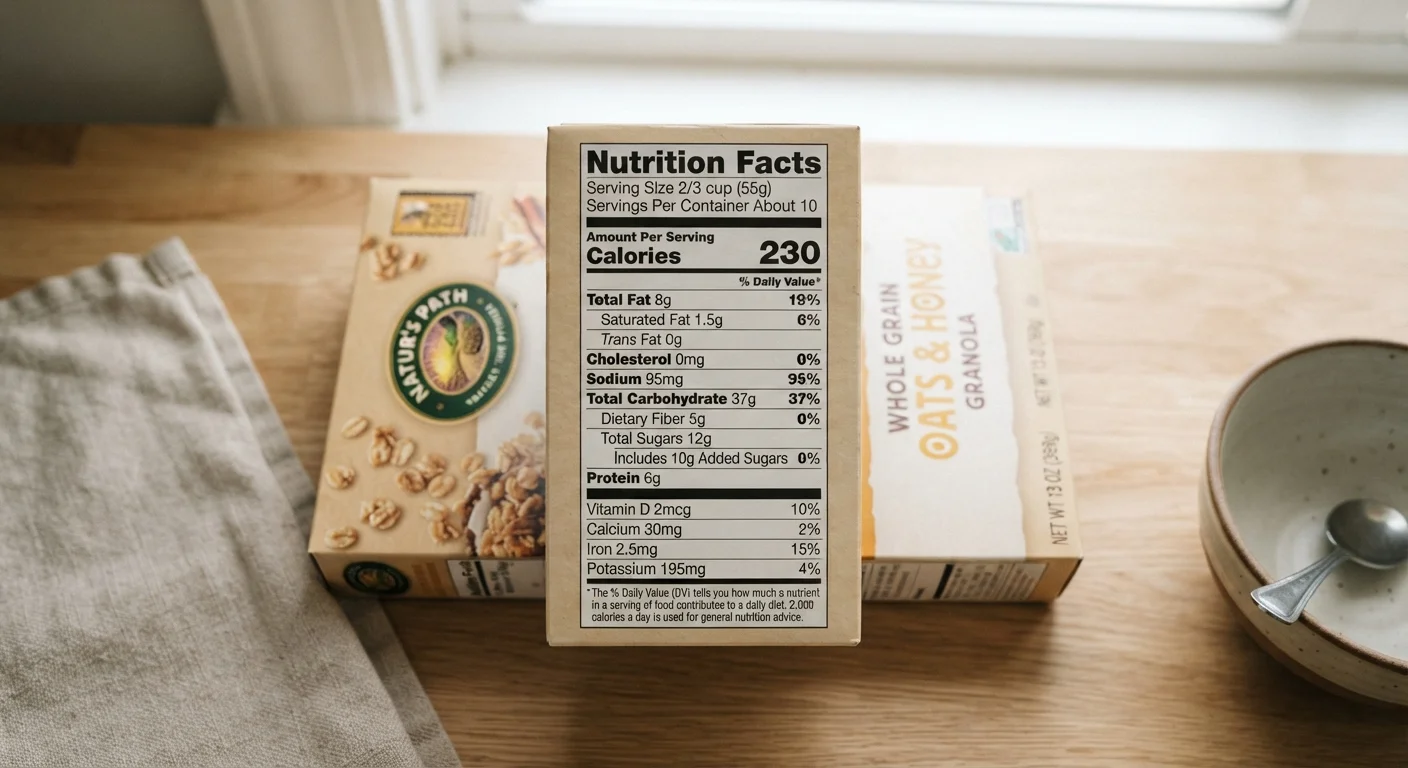
Start with Serving Size and Servings Per Container
Every number on the label - calories, grams, percentages - applies to one serving, not the entire package. The serving size is printed at the very top of the panel and is defined by the FDA based on typical consumption amounts, not necessarily what you'll eat.
Check servings per container next. A bag of chips listing 150 calories per serving with 3 servings per container contains 450 calories in total. If you eat the whole bag, all other numbers triple accordingly.
Read the Calorie Count in Context
Calories measure the energy a food provides. The label displays calories per serving prominently. Rather than judging a calorie number in isolation, consider whether this food fits within your overall eating pattern and how nutrient-dense it is for those calories.
A 200-calorie food rich in fiber and protein offers more nutritional value than a 200-calorie food consisting mainly of added sugar and refined starch. Calories matter, but so does what they come with.
Identify Nutrients to Limit
The FDA guidelines highlight several nutrients most Americans consume in excess. On the Nutrition Facts panel, pay attention to:
- Saturated fat: Linked in research to elevated LDL cholesterol at high intake levels. Current dietary guidelines generally recommend keeping it low.
- Sodium: High intake is associated with elevated blood pressure in many people. The daily reference value is 2,300 mg.
- Added sugars: Listed separately from total sugars since 2020. The daily reference value is 50 g; most health organizations suggest aiming lower.
To understand the difference between naturally occurring and added sugars in more depth, see our guide to natural vs. added sugars.
Seek Out Beneficial Nutrients
Below the nutrients to limit, the panel lists nutrients many people don't get enough of:
- Dietary fiber: Supports digestive health and satiety. Look for a higher % Daily Value.
- Protein: Essential for tissue repair and immune function. The label shows grams but no % DV - compare gram amounts directly.
- Vitamin D, calcium, iron, and potassium: Required on current US labels because deficiency is common in many populations.
For a fuller understanding of how macronutrients function in the body, this macronutrients explainer provides clear, evidence-informed context.
Interpret % Daily Value (% DV)
The % Daily Value column shows what percentage of the recommended daily amount for each nutrient one serving provides, based on a 2,000-calorie reference diet. It is the fastest way to assess whether a food is high or low in any given nutrient without calculating grams.
[tip_callout]% DV is also the right tool for comparing two similar products side by side: simply check which one delivers more of the nutrients you want and less of the ones you're watching.
Look at the Ingredient List for Full Context
Ingredients are listed in descending order by weight - the first ingredient is the most abundant. If sugar, refined flour, or a form of sodium appears near the top, it constitutes a large portion of the product. The ingredient list also reveals added sugars hidden under names like maltose, dextrose, cane syrup, or fruit juice concentrate.
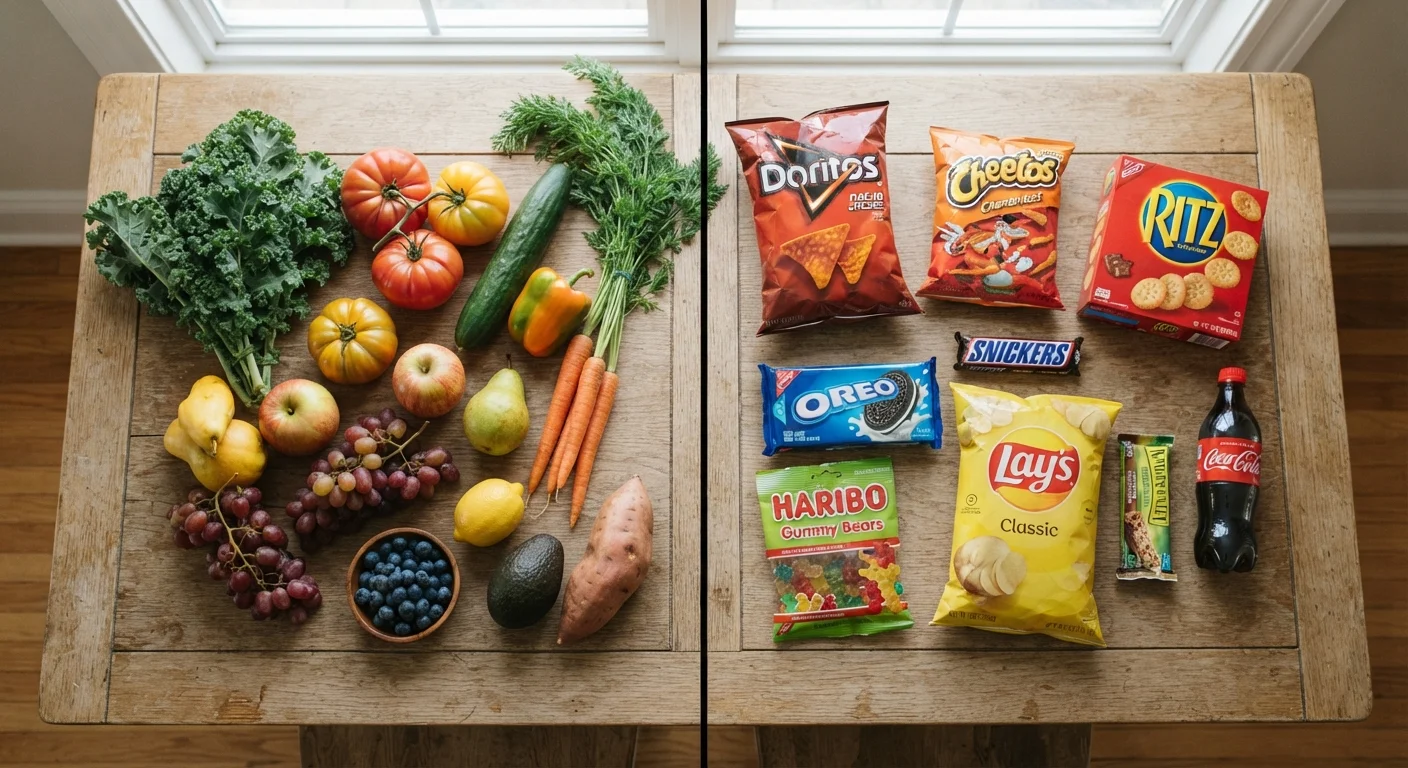
Reading the label alongside the ingredient list gives you a more complete picture than the numbers alone. This approach also ties into broader questions about how processed foods differ across the spectrum.
Labels Are Information, Not Instructions
Nutrition Facts panels reflect general dietary reference values based on a 2,000-calorie diet and are not tailored to any individual. If you have a specific health condition, food allergy, or dietary requirement, consult a registered dietitian or your healthcare provider before making significant changes based on label data.
Once you're comfortable reading individual labels, the next step is applying that knowledge at the store. Grocery shopping with nutritional balance in mind offers a practical checklist for building a varied, thoughtful kitchen without overcomplicating the process. And if you're curious about patterns that undermine even well-intentioned eating habits, common dietary missteps are worth understanding alongside what the label says.
This article is for general informational and educational purposes only and does not constitute medical or dietary advice. Consult a qualified healthcare professional or registered dietitian for guidance tailored to your individual health needs.