What Makes a Sugar 'Natural' or 'Added'?
The word sugar covers a broad family of carbohydrates - glucose, fructose, lactose, sucrose, and more. What distinguishes naturally occurring sugars from added sugars is not their chemical structure in isolation, but where they come from and what else arrives with them.
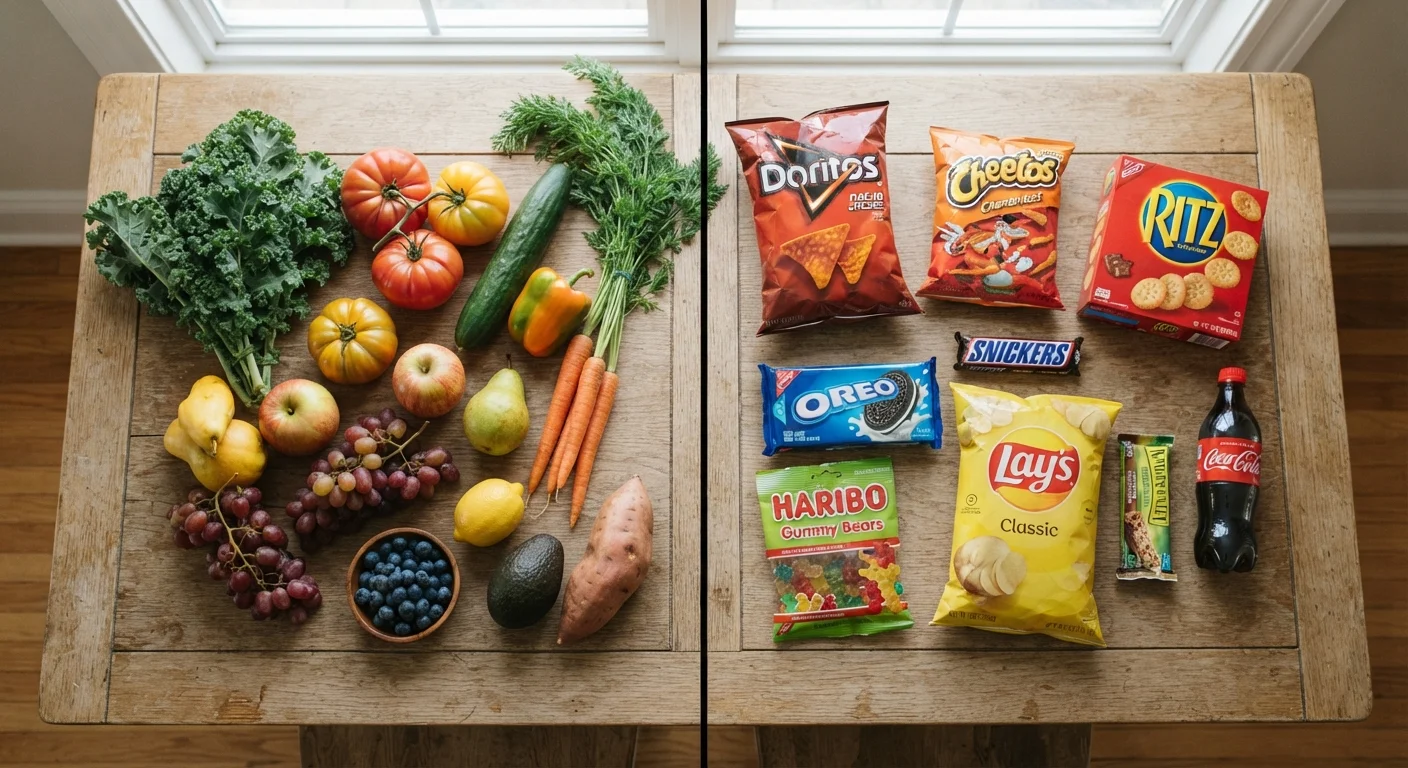
Naturally occurring sugars are those found intact within whole foods: fructose in an apple, lactose in a glass of milk, glucose in a carrot. These sugars exist alongside fiber, water, protein, vitamins, and minerals - a package that slows digestion and delivers genuine nutritional value alongside sweetness.
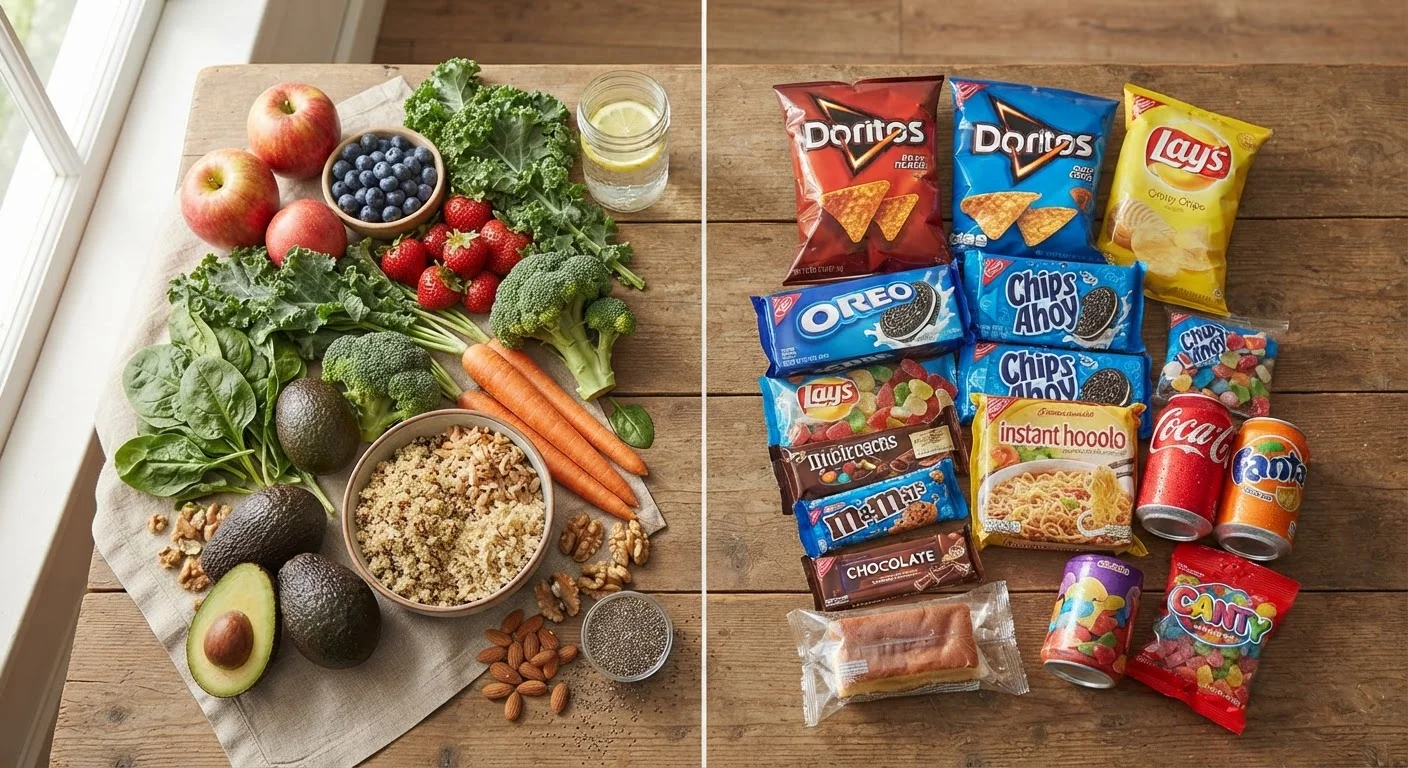
Added sugars, by contrast, are any sugars or caloric sweeteners - including table sugar (sucrose), high-fructose corn syrup, honey, agave nectar, maple syrup, and dozens of other forms - that are introduced to foods during manufacturing, cooking, or preparation. They add calories but not the accompanying nutrients that give whole-food sources their nutritional context. As the spectrum from whole to ultra-processed foods widens, added sugar tends to become a more prominent ingredient.
| Criterion | Naturally Occurring Sugars | Added Sugars |
|---|---|---|
| Source | Whole foods (fruit, dairy, vegetables) | Added during manufacturing or cooking |
| Nutrient package | Fiber, vitamins, minerals included | Calories with minimal added nutrients |
| Absorption speed | Moderated by fiber and food matrix | Often faster, especially in beverages |
| Examples | Fructose in apple, lactose in milk | Corn syrup, cane sugar, honey in products |
| Listed on US nutrition label | Included in 'Total Sugars' only | Listed separately as 'Added Sugars' |
| Public health guidance | No specific reduction target | Limit to <10% of daily calories (US guidelines) |
| Satiety effect | Generally higher due to fiber and volume | Generally lower, especially in liquid form |
How Your Body Responds to Each
From a purely biochemical standpoint, a glucose molecule is a glucose molecule regardless of its origin. The meaningful difference lies in the delivery system. When you eat a whole orange, the fiber in the fruit's cell walls slows gastric emptying, moderating the speed at which sugar reaches your bloodstream. You also consume vitamin C, folate, and potassium along the way.
When you drink a sweetened orange-flavored beverage, you may consume a comparable amount of sugar - but with little fiber, few micronutrients, and a much faster absorption curve. This distinction matters for satiety signals, blood glucose response, and overall nutrient density, though researchers continue to study the full complexity of these effects.
<10%
Recommended daily calorie limit from added sugars
Per the Dietary Guidelines for Americans, added sugars should account for less than 10% of total daily calorie intake.
17 tsp
Average daily added sugar intake for US adults
CDC data indicates US adults consume an average of around 17 teaspoons of added sugar per day - well above recommended limits.
39%
Share of added sugar intake from beverages
According to CDC research, beverages - including soft drinks, fruit drinks, and sweetened coffees - are the leading source of added sugars in the US diet.
It's worth being clear: eating fruit does not carry the same health implications as consuming added sugars. Public health bodies, including the American Heart Association and the World Health Organization, specifically target added sugars in their reduction guidance - not the natural sugars found in whole fruit or plain dairy.
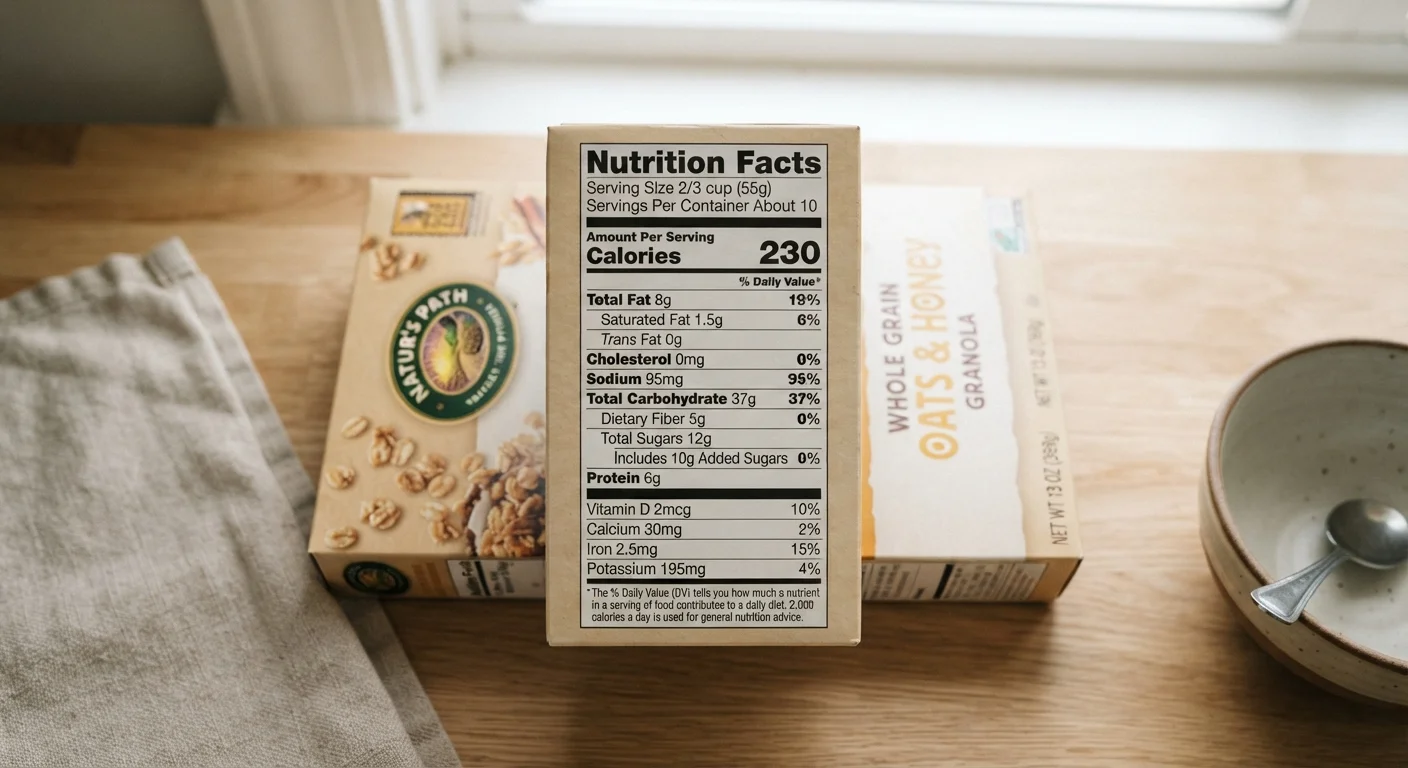
For a closer look at how to spot added sugars before they reach your plate, reading a nutrition facts panel carefully is one of the most practical skills you can build.
Where Added Sugars Hide - and How to Find Them
Added sugars are easy to miss because they appear under many names on ingredient lists. Common aliases include: corn syrup, dextrose, maltose, cane juice, fruit juice concentrate, barley malt, and turbinado sugar, among others. Spotting them requires scanning both the Nutrition Facts panel and the ingredient list.
Since 2020, updated US Nutrition Facts labels are required to list Added Sugars as a separate line beneath total sugars, expressed in grams and as a percentage of the Daily Value. This single change makes it considerably easier to identify products where sweeteners have been incorporated during processing. Common sources of added sugars in the American diet include sweetened beverages, flavored yogurts, breakfast cereals, condiments, breads, and sauces - categories that may not immediately read as "sweet."
A Note on 'Natural' Sweetener Labels
Honey, maple syrup, and agave nectar are often marketed as natural alternatives to refined sugar. While they do occur in nature and may contain trace minerals, the US Dietary Guidelines classify them as added sugars when incorporated into foods or beverages. Their caloric and glycemic impacts are broadly comparable to table sugar. 'Natural' on a label does not automatically mean unrestricted or nutritionally superior in this context.
The Dietary Guidelines for Americans recommend keeping added sugars below 10% of total daily calorie intake. For a 2,000-calorie diet, that works out to roughly 50 grams (about 12 teaspoons) per day - a threshold many people exceed without realizing it. Exploring common myths about eating habits and daily energy can also help put sugar's role in energy into a more grounded perspective.
This article is for general informational and educational purposes only and is not a substitute for professional medical or dietary advice. Consult a qualified healthcare provider for guidance specific to your health needs.