

When Your Body Sends Subtle Signals
It's easy to chalk up low energy, dull skin, or frequent illness to a busy schedule or poor sleep. But sometimes, the body is communicating something more specific: that it isn't getting enough of one or more essential nutrients. The challenge is that nutritional deficiencies rarely announce themselves with dramatic, unmistakable symptoms - instead, they tend to surface as vague, overlapping complaints that get dismissed or attributed to stress.
This isn't about diagnosing yourself or overhauling your entire diet overnight. It's about recognising patterns that are worth taking seriously and discussing with a qualified healthcare professional. A standard blood panel can identify many common deficiencies and provide a reliable starting point. In the meantime, understanding what the body may be telling you is a useful first step - especially if you follow a restrictive diet, have recently changed your eating habits, or simply haven't paid close attention to dietary variety. For broader context on how everyday food choices affect how you feel, see our guide to energy and eating habits.
Persistent, unexplained fatigue
Feeling tired despite adequate sleep is one of the most commonly reported symptoms associated with nutritional shortfalls. Iron-deficiency anemia - where the body can't produce enough healthy red blood cells - is a well-established cause. Low levels of vitamin B12, which supports neurological function and red blood cell production, can produce a similar dragging exhaustion, particularly in people following plant-based diets or those with certain absorption conditions. Magnesium insufficiency has also been linked to low energy and disrupted sleep quality in some research.
Before attributing fatigue solely to lifestyle factors, it's worth asking a doctor to check iron, ferritin, B12, and folate levels - these are typically included in routine blood work and can provide a clear picture quickly.
Iron and B12 are two of the most common nutritional drivers of persistent, unexplained tiredness.
Brittle nails and hair loss
Nails that chip, crack, or peel easily - and hair that sheds more than usual or appears thinner - are frequently associated with low biotin (vitamin B7), iron, or zinc intake. Protein insufficiency can also affect hair structure, since hair is largely composed of a protein called keratin. While these symptoms have many possible causes including hormonal changes and genetics, a nutritional component is worth ruling out, particularly if the changes are relatively sudden.
It's worth noting that the evidence linking biotin supplements to hair and nail improvement in people without a diagnosed deficiency is limited. A healthcare provider can help determine whether testing or dietary changes are appropriate. Separately, if you're noticing changes in your skin's appearance or texture, everyday habits that affect skin health may offer relevant context.
Sudden changes in nail and hair quality can point to iron, zinc, or protein gaps worth investigating.
Frequent illness or slow recovery
The immune system depends heavily on adequate micronutrient support. Vitamin C, vitamin D, zinc, and selenium each play documented roles in immune function. People who get sick frequently, or who find that minor illnesses linger longer than expected, may be operating with suboptimal levels of one or more of these nutrients. Vitamin D deficiency is particularly widespread in populations with limited sun exposure or darker skin tones, and its role in immune modulation is an area of active research.
Rather than reaching for high-dose supplements without guidance, a blood test for vitamin D (25-hydroxyvitamin D) and a dietary review with a registered dietitian can point toward a more targeted approach.
Vitamin D, zinc, and vitamin C are among the nutrients most closely linked to immune resilience.
Muscle cramps and unusual weakness
Recurring muscle cramps - especially in the legs - are often associated with low magnesium, potassium, or calcium intake. These electrolytes play a role in muscle contraction and nerve signalling, and shortfalls can disrupt that process. People who sweat heavily through exercise, follow calorie-restricted diets, or consume limited dairy and leafy greens may be at higher risk. Generalised muscle weakness that doesn't correspond to activity levels can also sometimes indicate low vitamin D or potassium.
If cramps are frequent or severe, or accompanied by other symptoms, a medical evaluation is important - cramps can have cardiac or neurological causes that are unrelated to diet and require prompt attention.
Magnesium and potassium gaps are commonly overlooked contributors to muscle cramps and physical fatigue.
Mood changes and difficulty concentrating
The relationship between nutrition and mental wellbeing is complex and still being studied, but several connections are well-established. Low vitamin B12 can contribute to mood disturbances and cognitive fog. Omega-3 fatty acids, found primarily in oily fish and some plant sources, are linked to brain health and have been studied in the context of mood regulation, though research is ongoing. Iron deficiency has been associated with reduced concentration and attention, particularly in younger populations.
These connections don't mean that nutritional changes can replace treatment for mental health conditions - they cannot. But if mood or cognitive changes coincide with shifts in your diet or eating patterns, it's a reasonable point to discuss with a professional. For more on supporting mental wellness day to day, explore our mental wellness hub.
B12, omega-3s, and iron each have documented roles in supporting brain function and mood stability.
Dry skin, cracked lips, or mouth sores
Skin and mucous membranes are often among the first places nutritional deficiencies become visible. Cracked corners of the mouth (angular cheilitis) are associated with low riboflavin (B2), B6, iron, or zinc. Dry, flaky skin can accompany low essential fatty acid intake or vitamin A insufficiency. Pale or swollen gums may suggest low vitamin C, which supports collagen synthesis and tissue repair.
These signs are non-specific - dry skin, for instance, is common and has many causes - but if they're persistent and accompanied by other symptoms on this list, they add weight to having a nutritional assessment. Staying well hydrated also plays a role; how hydration interacts with nutrition is worth reading alongside any dietary review.
Cracked lips and persistent dry skin can be early, visible signals of B-vitamin or essential fatty acid gaps.
Track patterns, not just single symptoms
Rather than acting on one symptom in isolation, consider keeping a brief log of symptoms over two to four weeks - noting energy levels, sleep quality, diet variety, and any physical changes. This kind of pattern tracking is genuinely useful for a healthcare provider trying to determine whether a nutritional assessment is warranted. It also helps distinguish lifestyle-driven fluctuations from persistent issues that deserve closer attention.
What to Do If You Recognise These Signs
Noticing one or two of these symptoms doesn't mean you have a confirmed deficiency - but a pattern of several, especially persistent ones, is worth raising with a doctor or registered dietitian. Blood tests are the most reliable diagnostic tool; self-diagnosing and self-supplementing without testing can sometimes mask underlying issues or, in the case of fat-soluble vitamins, lead to excess intake.
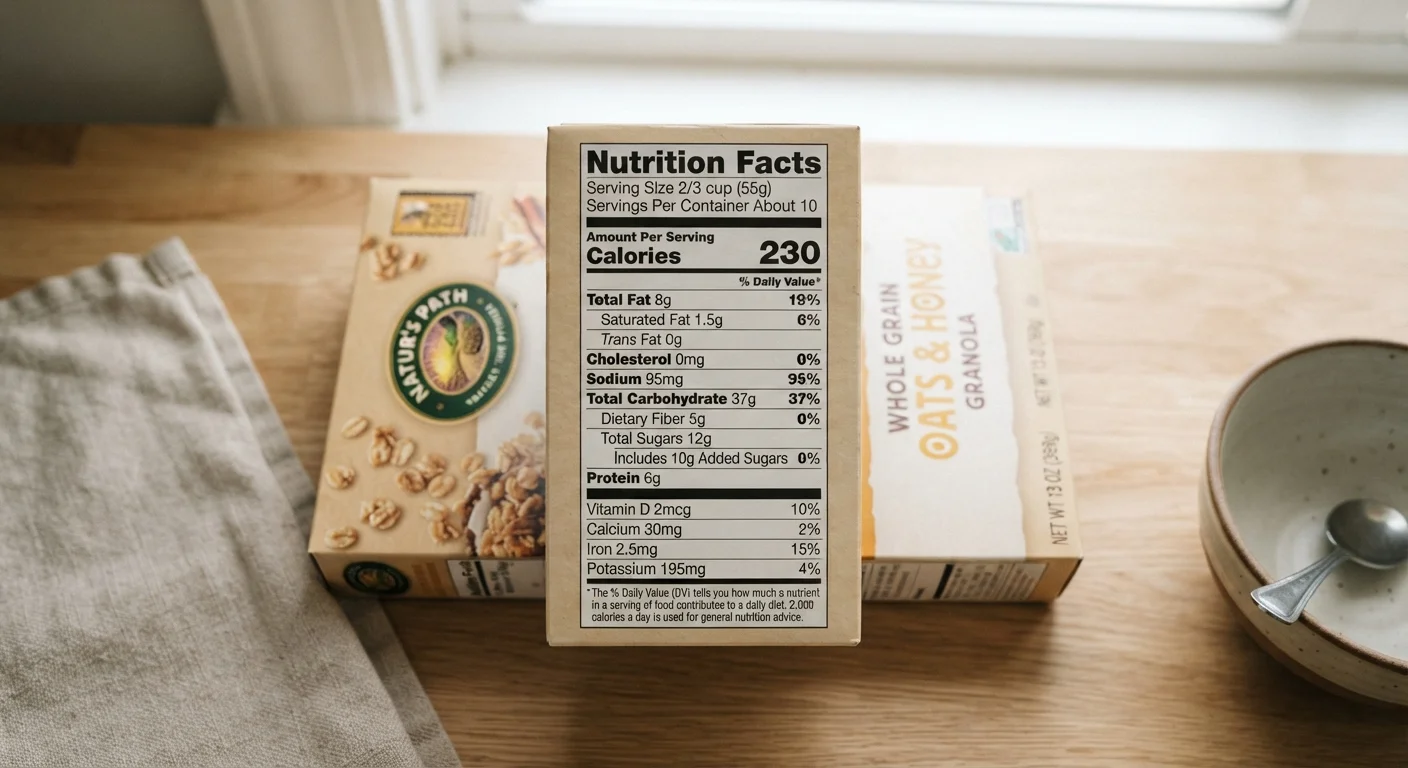
For most people, the most sustainable path to better nutritional coverage is greater dietary variety - particularly more whole foods like leafy greens, legumes, nuts, seeds, and fortified staples. If you want to make that shift more practical, our nutritional balance grocery guide offers a straightforward checklist approach. Understanding how to read food labels accurately can also help - decoding nutrition labels is a good place to start. And if you're wondering whether some of what you've heard about nutrition is actually true, nutrition myths science has largely moved past helps separate fact from fiction.
This article is for general informational and educational purposes only and does not constitute medical advice. Always consult a qualified healthcare professional before making changes to your diet or starting any supplement regimen.
Restrictive diets carry higher nutritional risk
Highly restrictive eating patterns - whether for weight loss, food sensitivities, ethical reasons, or personal preference - can significantly narrow the range of nutrients consumed. Vegans, for example, need to pay particular attention to B12, iron, calcium, iodine, and long-chain omega-3s. Anyone following a medically supervised elimination diet should work with a registered dietitian to ensure nutritional needs are consistently met. This is general guidance; always consult a qualified professional for advice specific to your circumstances.