
What Smart Home Devices Actually Do
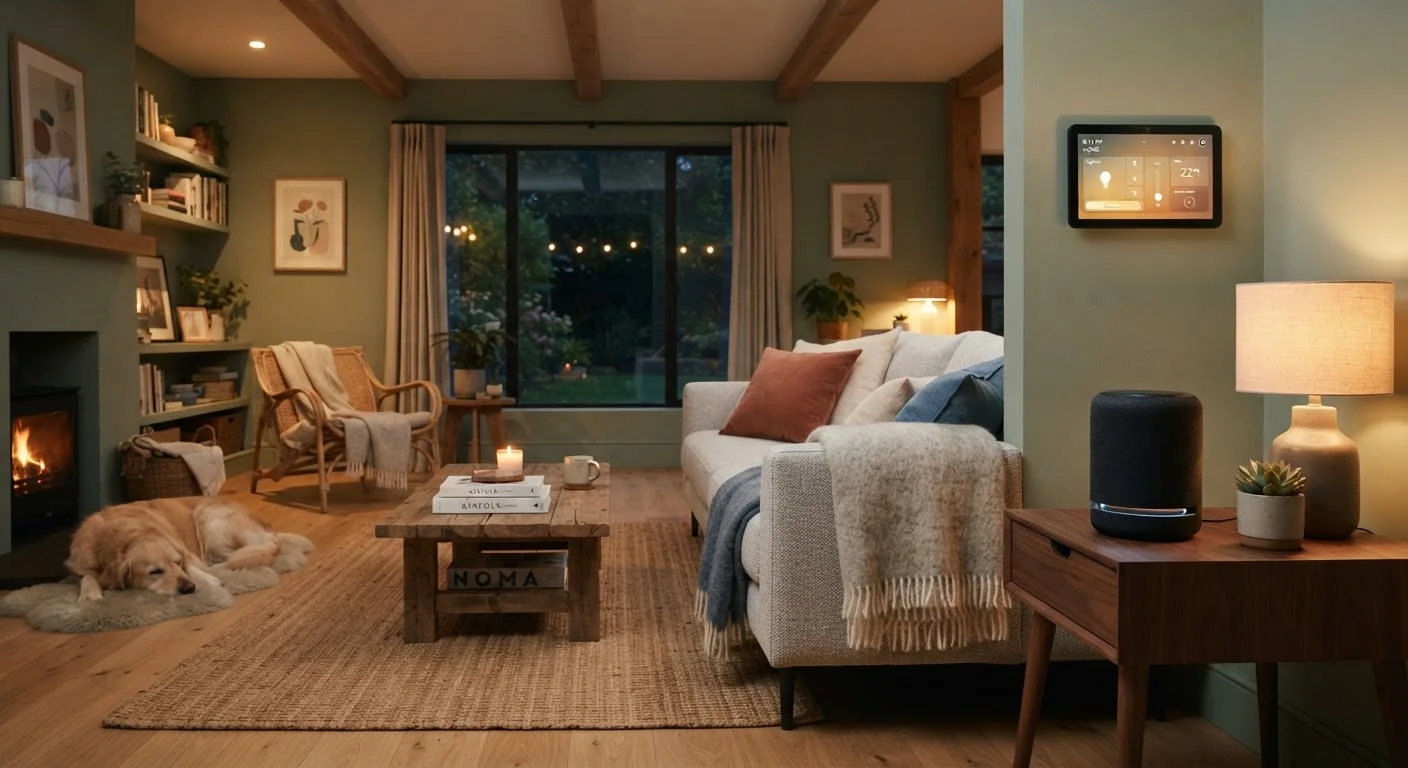
Smart home devices are internet-connected gadgets that automate or remotely control functions that would otherwise require manual effort - adjusting a thermostat, switching off lights, locking a door, or monitoring a doorbell. They communicate via Wi-Fi, Bluetooth, Zigbee, or Z-Wave protocols, and are usually managed through a smartphone app or a central hub.
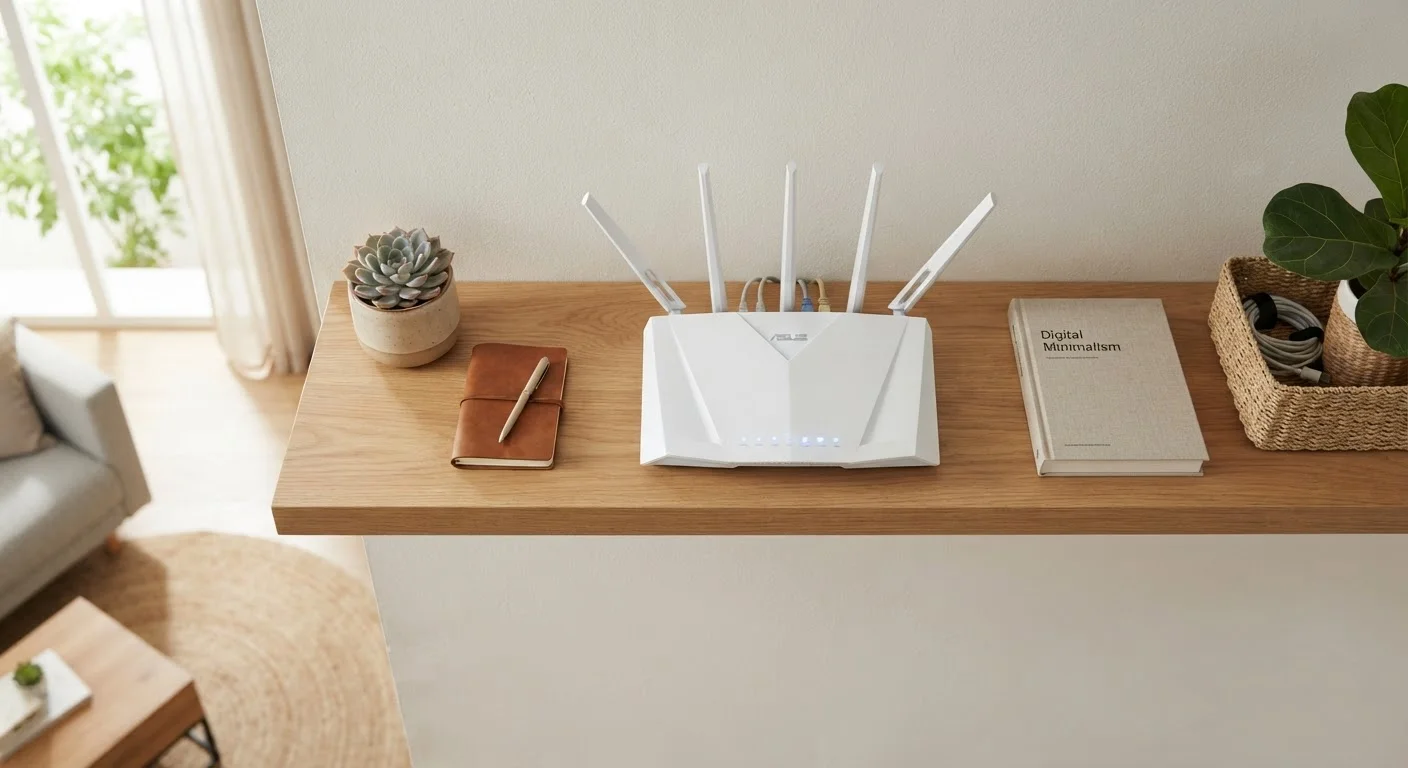
The category spans a wide range: smart speakers, programmable thermostats, video doorbells, robotic vacuums, smart plugs, connected lighting, and security cameras are the most common. Most rely on a stable home network and a compatible ecosystem - which is where many of the trade-offs begin. Before adding any of these devices, having a secure home network in place is a practical prerequisite, not an afterthought.
The Case For: Genuine Convenience and Efficiency
When smart devices are matched to real household needs, they tend to earn their place quickly.
Reduces repetitive manual tasks at home
Automating lights, locks, and thermostats removes low-value daily decisions, freeing attention for more meaningful activities.
Can improve household energy awareness
Smart thermostats and plugs with energy monitoring give households visibility into consumption patterns they'd otherwise never notice.
Remote access adds practical flexibility
Checking whether a door is locked or turning off an appliance from elsewhere can reduce the anxiety of leaving home in a hurry.
Accessibility gains for some users
Voice-controlled devices can meaningfully assist people with mobility limitations, offering hands-free control of lighting, media, and communication.
Automated lighting schedules, for instance, can complement how a room actually functions throughout the day - something explored further in our look at natural versus artificial lighting and how each affects mood and energy. A programmable thermostat, similarly, can reduce heating and cooling waste without requiring daily attention.
The key is targeting specific friction points rather than automating for its own sake. A household that consistently forgets to turn off lights benefits from smart switches. One that rarely does will get little return.
~40%
US households with at least one smart device
Estimates from various research firms suggest roughly four in ten US households had at least one smart home device as of recent survey years, with smart speakers being the most common entry point.
10-15%
Potential heating and cooling savings
The US Environmental Protection Agency has noted that programmable thermostats used as directed can reduce heating and cooling energy use, though actual results vary by home and usage habits.
The Case Against: Real Costs and Hidden Risks
The downsides of smart home devices are concrete enough to deserve honest attention.
Continuous data collection raises privacy concerns
Many smart devices transmit usage data to manufacturer servers. Understanding what is collected, stored, and shared requires reading privacy policies most users skip.
Upfront and ongoing costs add up quickly
Individual device prices are manageable, but full-home setups accumulate to significant expense, with some features requiring ongoing subscription fees.
Ecosystem lock-in limits long-term flexibility
Devices built around one manufacturer's platform may lose functionality if that company changes its terms, discontinues a product line, or exits the market.
Increases digital surface area for security risk
Each connected device is a potential entry point on your home network. A poorly secured camera or smart plug can create vulnerabilities that affect other devices.
Reliability depends on internet and power continuity
Unlike traditional switches and locks, smart devices may become inaccessible during outages or cloud service disruptions - a real inconvenience in critical moments.
Privacy is the concern most users underestimate. Many devices - particularly smart speakers and cameras - listen or monitor continuously. Reviewing each device's data-sharing settings matters, as does understanding what data is stored in the cloud. The habits that protect you digitally at home overlap significantly with those covered in safer everyday digital habits.
Ecosystem dependency is another structural issue. Devices from different manufacturers often don't communicate reliably, pushing households toward a single brand's walled garden. When that brand changes its app, discontinues a product, or raises subscription fees, functionality that once worked freely may disappear.
Check Your Network Security First
Adding smart devices to an unsecured or poorly configured home network multiplies risk rather than just adding convenience. Before connecting anything new, review your router's default settings, change default passwords, and consider setting up a separate guest network for IoT devices. Our home network setup guide walks through the basics step by step.
How to Decide What's Worth It
Start with the problem, not the product. Identify one or two recurring household friction points - forgetting to lock the front door, managing heating across a split-level home, monitoring a package delivery area - and evaluate whether a connected device genuinely solves them or simply adds a new interface to manage.
App sprawl is a real cost of smart device adoption. Each new device typically brings its own app, account, and notification stream. If you're already working through digital app clutter, adding several new device apps may work against your goals.
For most households, a selective approach - one or two well-chosen devices that solve specific problems - delivers more satisfaction than a fully automated home built for its own sake. The analogue option is always available, and sometimes the simpler one.
This article is for general informational purposes only. Costs, compatibility, and privacy practices vary by product and manufacturer. Verify current specifications and terms with the relevant provider before purchase.