How Each Type of Light Actually Works in a Room
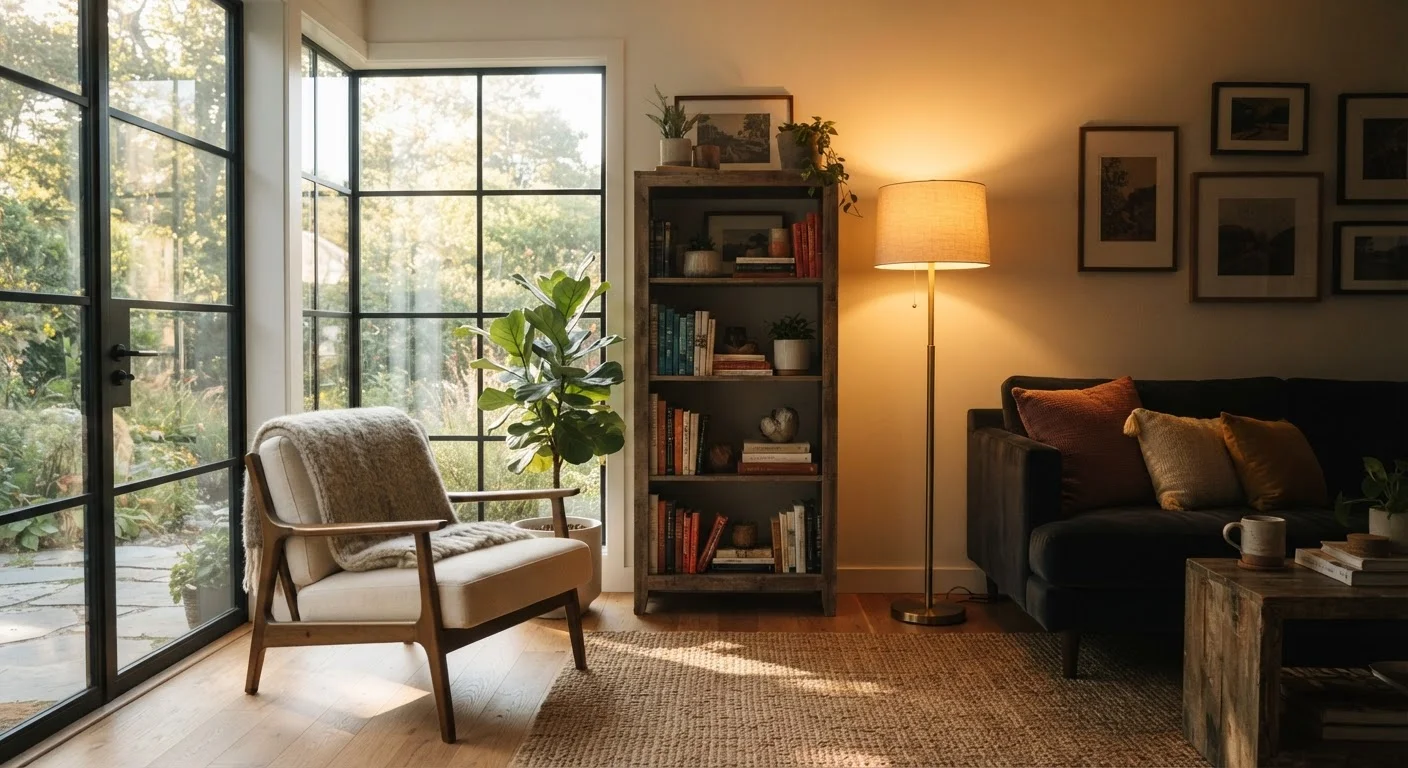
Natural light enters a home through windows, skylights, and glass doors, then scatters off walls, floors, and ceilings. Its quality changes continuously - shifting from cool and energizing in the morning to warm and golden in late afternoon. This variation is not incidental; it is tied directly to the sun's position and wavelength output throughout the day.
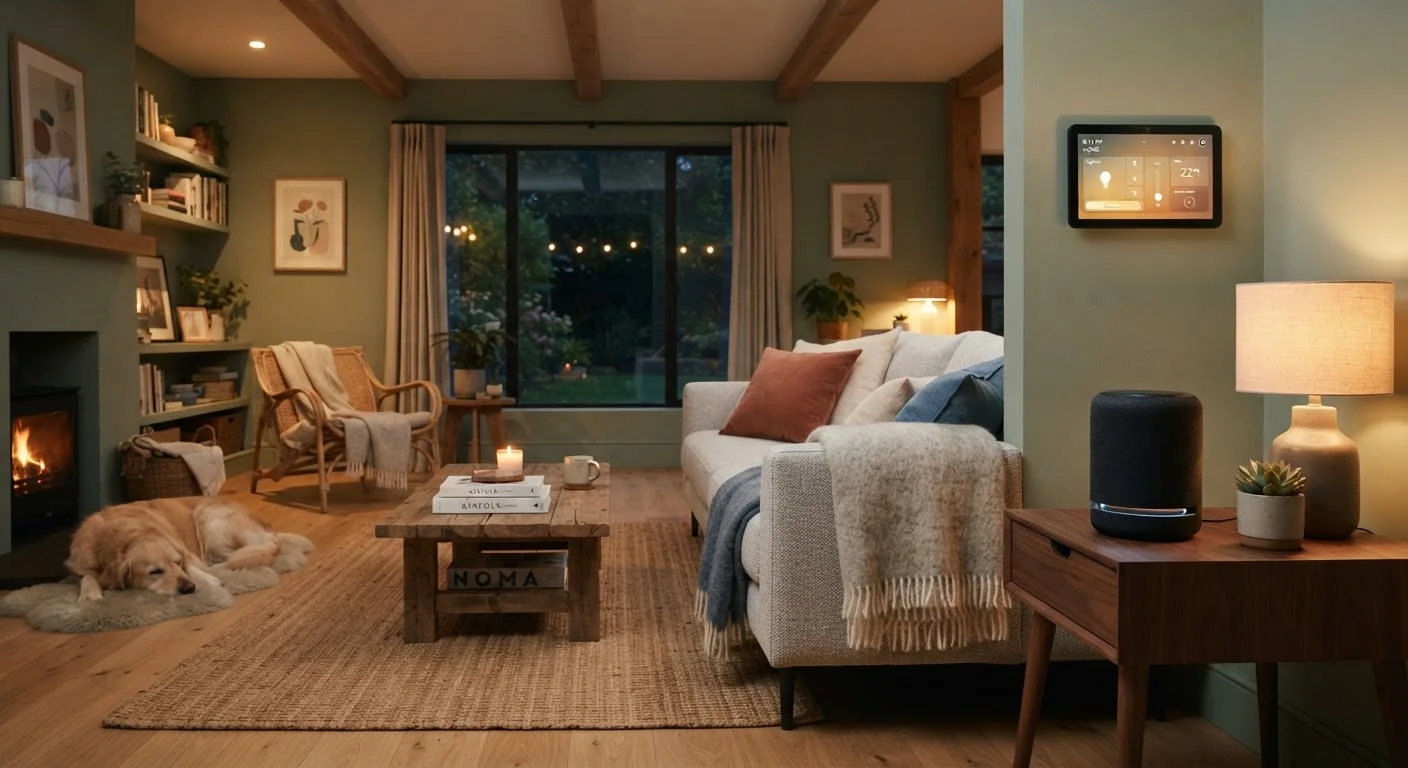
Artificial lighting, by contrast, is static until you change it. A bulb produces the same color and intensity every time it switches on. That predictability is precisely what makes it useful: you control the output rather than negotiating with the weather or the season. Most modern homes use a layered approach - ambient lighting for general illumination, task lighting for focused work, and accent lighting for atmosphere.
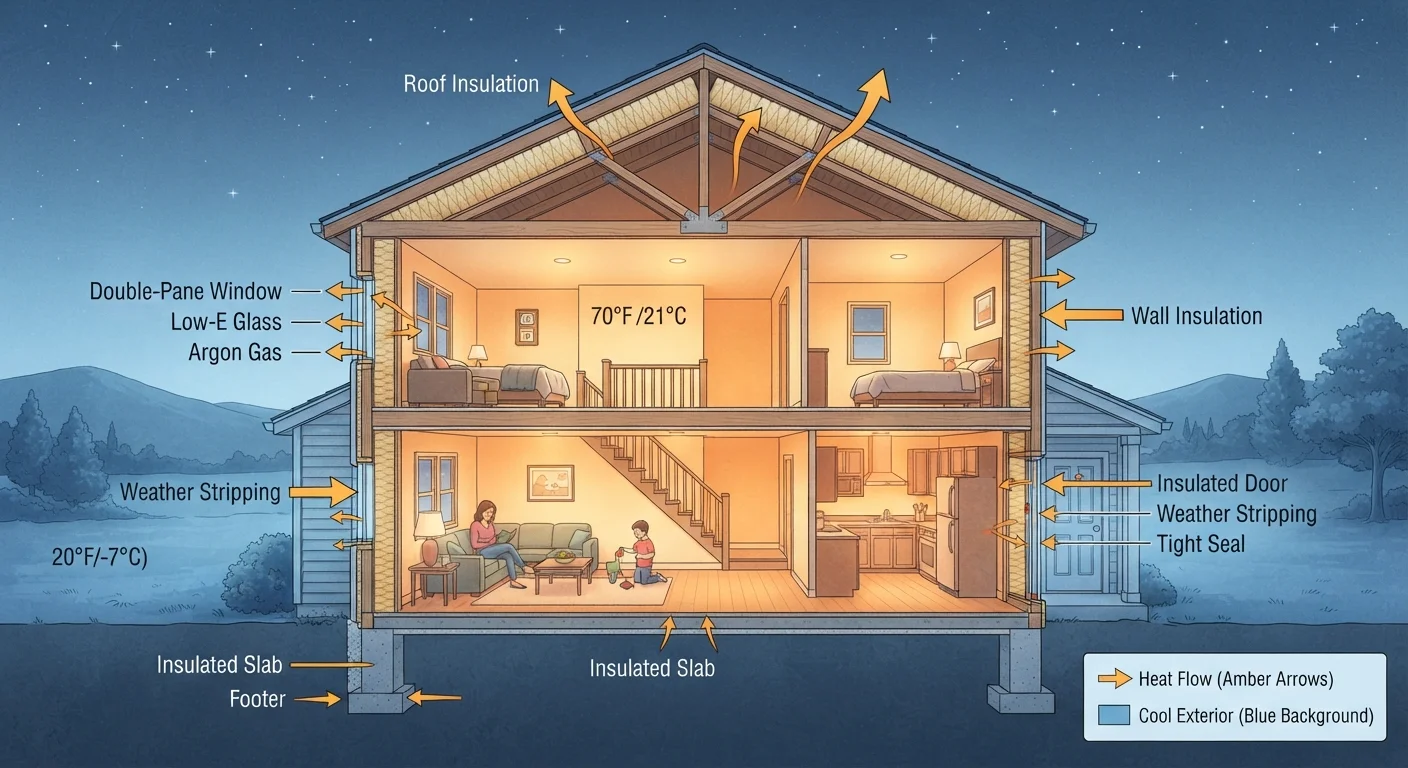
Understanding how windows affect heat and light together helps explain why the same room can feel radically different in summer versus winter. Glass transmits both light and thermal energy, so the two conversations are often inseparable.
| Criterion | Natural Light | Artificial Lighting |
|---|---|---|
| Availability | Daytime only; weather-dependent | Any time, fully on demand |
| Cost to use | Free once windows are in place | Ongoing electricity cost |
| Color consistency | Changes throughout the day | Stable until you change the bulb |
| Circadian support | Strong - tied to body clock regulation | Variable - depends on color temperature |
| Glare control | Requires curtains or blinds | Controlled by fixture and dimmer |
| Room coverage | Limited by window placement | Flexible - fixtures go anywhere |
| Atmosphere control | Limited; time-of-day driven | High - brightness and warmth adjustable |
What Natural Light Does That Artificial Light Cannot Replicate
The most significant advantage of natural light is its relationship with the human body's internal clock. Exposure to daylight - particularly the blue-spectrum wavelengths present in morning sun - signals wakefulness, supports vitamin D synthesis through skin exposure when outdoors, and helps regulate sleep cycles over time. Research in circadian biology consistently identifies light as the primary environmental cue for these rhythms.
Rooms with good natural light also tend to feel larger and more connected to the outdoors. This is partly perceptual: varying light and shadow across the day gives a room visual dimension that flat artificial light often flattens. For spaces where mood and mental wellness matter - a living room, a home office, a breakfast area - daylight exposure is a meaningful factor, not just an aesthetic one.
~30 min
Morning light exposure for circadian benefit
General guidance from sleep researchers suggests that consistent morning light exposure - ideally near a bright window - can help stabilize the body's sleep-wake cycle over time.
2700K-3000K
Warm bulb range for living and bedroom spaces
Lighting designers and energy-efficiency guidelines commonly recommend this color temperature range for relaxation-oriented rooms to avoid interfering with evening wind-down.
Up to 5x
Daylight vs. indoor light intensity difference
Even on an overcast day, outdoor light levels can be several times higher than typical indoor artificial lighting, which explains why some people feel notably more alert outside.
Natural light has limits, though. It is unavailable at night, inconsistent on cloudy days, and impossible in rooms without windows. Glare management also demands attention - direct sun on a screen or work surface creates problems that artificial lighting avoids entirely.
What Artificial Lighting Does That Natural Light Cannot
Artificial lighting gives you a level of control that sunlight simply does not. You choose the brightness, the color temperature, and the timing. Modern dimmable fixtures and smart lighting systems - discussed in more depth in our overview of smart home devices - let you shift a room from a bright workspace to a relaxed evening setting without rearranging furniture.
Color temperature is the key variable most homeowners overlook. Bulbs are measured in Kelvins (K): lower numbers (around 2700K) produce warm amber light suitable for living areas and bedrooms; higher numbers (4000K and above) produce cooler, whiter light suited to kitchens, bathrooms, and task areas. Getting this wrong - say, a cold fluorescent in a bedroom - contributes to the feeling that a room is unwelcoming even when the layout and furnishings are fine.
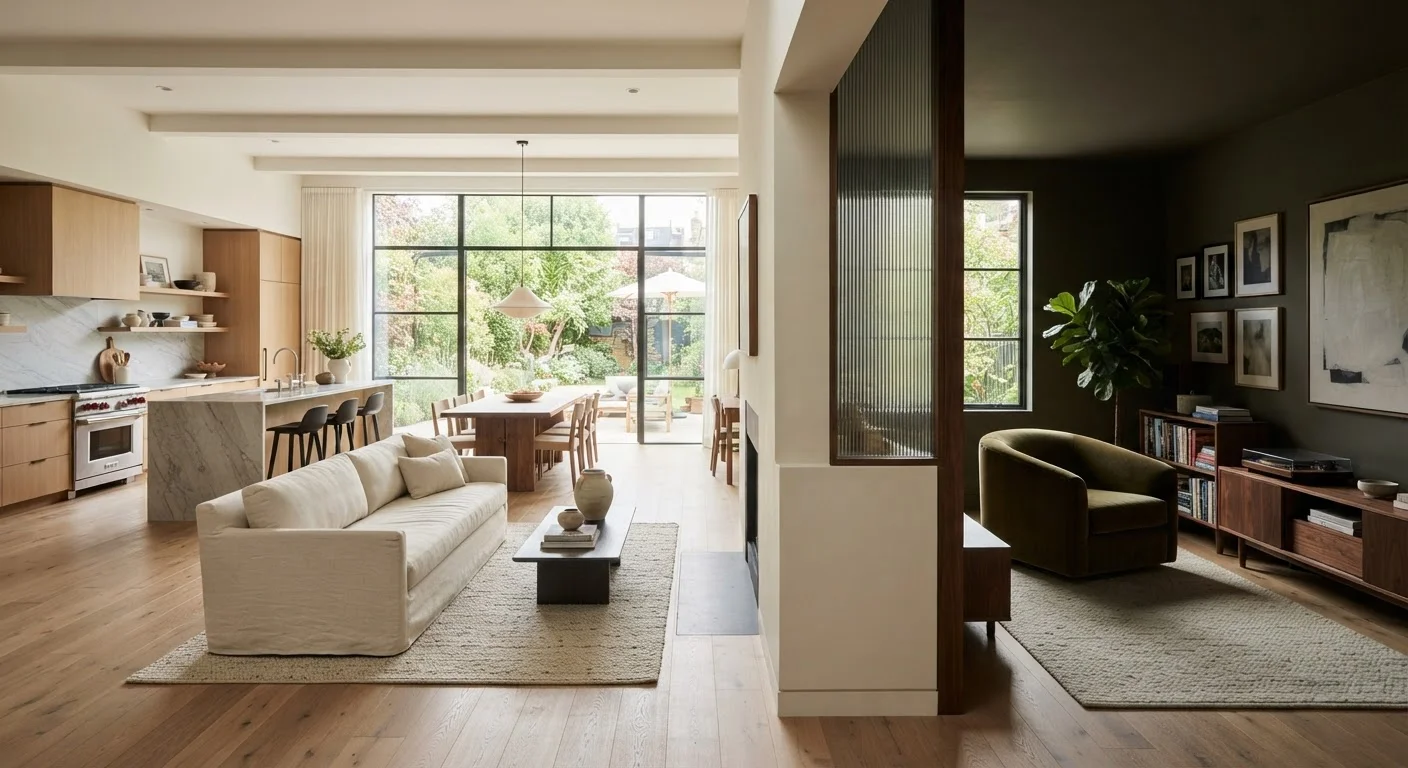
Artificial lighting also allows you to compensate for layout decisions that limit window access. In open-plan spaces, targeted pendant or track lighting can define zones that architecture alone does not delineate.
Color Temperature: A Quick Reference
Bulb packaging in the US typically lists color temperature in Kelvins. Warm white bulbs (2700K-3000K) suit bedrooms, living rooms, and dining areas. Cool white or daylight bulbs (4000K-5000K) work better in kitchens, home offices, and bathrooms. Mixing temperatures within a single room can create an unintentionally disjointed feeling, so it's worth checking your existing bulbs before adding new fixtures.
Practical Strategies for Using Both Well
The most livable rooms treat natural and artificial light as partners rather than substitutes. A few practical principles help:
- Maximize what you have: Light-colored walls and ceilings reflect natural light further into a room. Mirrors placed opposite windows amplify daylight without structural changes.
- Layer your artificial sources: Relying on a single overhead fixture creates flat, uninviting light. Combine ambient, task, and accent sources to add depth.
- Match color temperature to use: Use warmer bulbs in spaces meant for relaxing and cooler bulbs where you need alertness and precision.
- Consider dimmers: Installing dimmer switches on existing circuits is a relatively low-cost change that substantially increases a room's versatility across times of day.
- Think about daily habits: Spending the first part of your morning near a bright window rather than under artificial light can help set a more consistent energy level throughout the day.
Lighting is also one of the lower-cost levers in home improvement. Unlike structural changes or major renovations, thoughtful bulb selection and fixture placement can shift how a space feels for a modest investment.