
The Three Ways Heat Moves
Understanding why your home feels the way it does starts with one fundamental principle: heat always travels from a warmer area to a cooler one. It does this in three ways, often simultaneously.
- Conduction is heat moving directly through a solid material. Touch a cold window pane in winter and you're feeling conduction - heat from your hand flows into the glass, and heat from the room flows through the glass to the outside.
- Convection is heat carried by moving air or fluid. Warm air rises, cools, and falls in a continuous loop. This is why the top of a tall room feels warmer than the floor, and why drafts near doors feel so cutting - cold outside air sinks along the door's surface and spreads across the floor.
- Radiation is heat emitted as infrared energy from warm surfaces. A sun-warmed wall radiates warmth into a room. Conversely, a cold exterior wall absorbs radiant energy from your body, making you feel cold even if the air temperature is adequate.
Every material in your home - wood framing, drywall, concrete slab, window glass - conducts heat at a different rate. The goal of good home design and maintenance is to slow that movement where you don't want it.
Thermal Comfort Is Not Just Air Temperature
Researchers in building science distinguish between air temperature and mean radiant temperature - the average temperature of the surfaces surrounding you. A room where walls and floors are cold will feel uncomfortable even if the air thermometer reads 70°F, because your body loses radiant heat to those cold surfaces. This is why addressing surface temperatures - through insulation, rugs, and curtains - matters as much as adjusting the thermostat.
Where Heat Actually Escapes
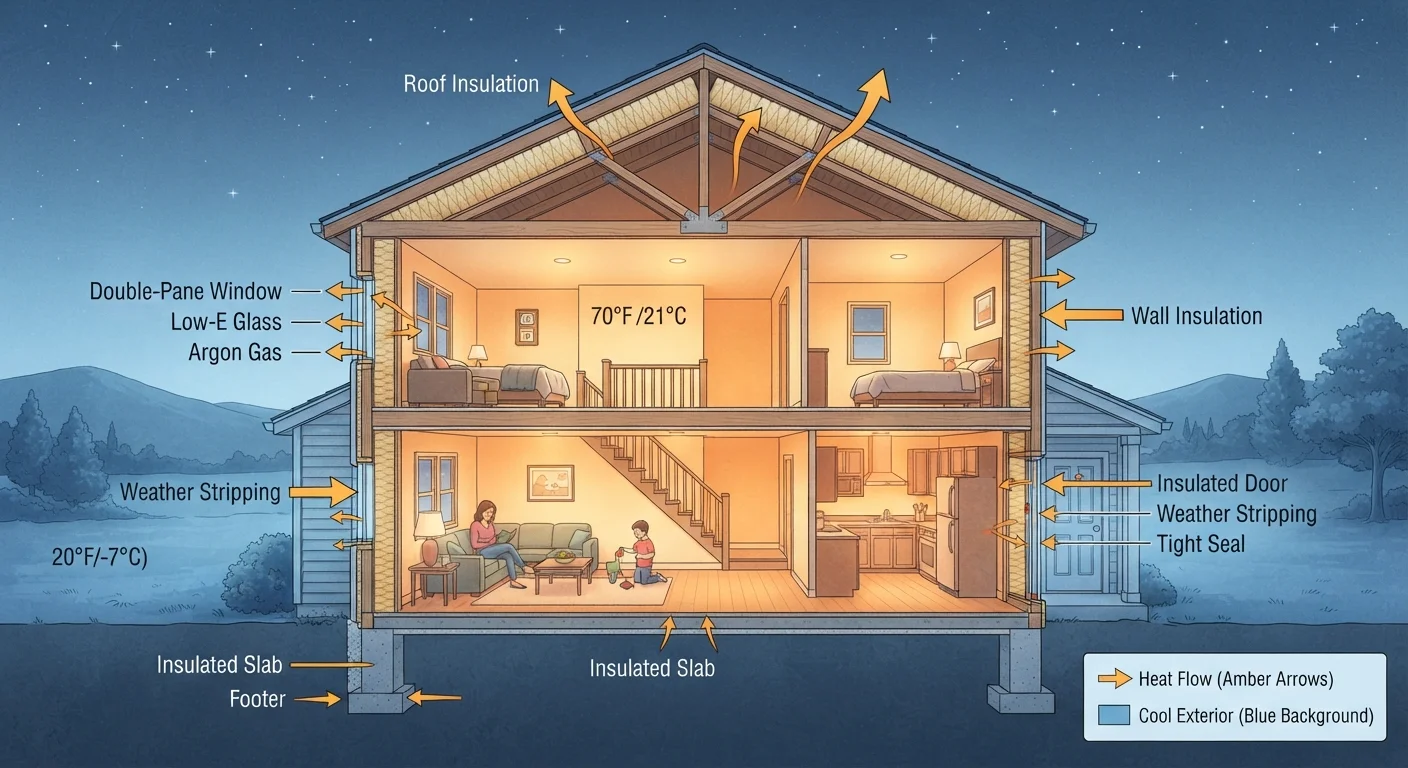
Most people assume heat escapes mainly through walls, but the full picture is more nuanced. The U.S. Department of Energy estimates that air leaks - uncontrolled gaps that let conditioned air out and outside air in - can account for a substantial portion of a home's energy loss, often exceeding what poorly insulated walls lose.
Common escape routes include:
- Windows and doors - both through the glass itself and through gaps in the framing. Windows are typically the lowest-performing surface in any exterior wall.
- The attic floor or ceiling plane - heat rises, and if the attic is under-insulated, it escapes upward continuously.
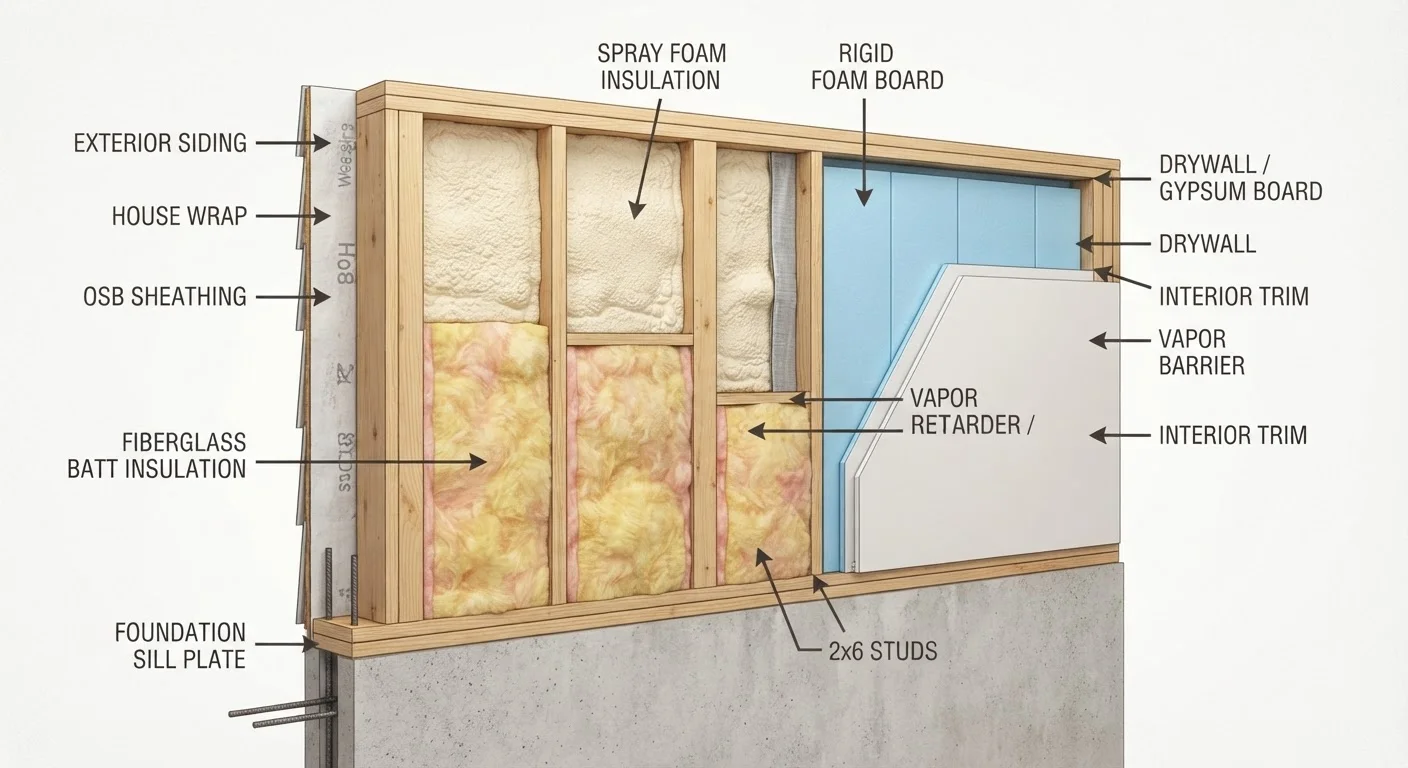
- Rim joists and sill plates - where the wood framing of the floor meets the foundation, air infiltration is common and often overlooked.
- Electrical outlets and switch plates on exterior walls - small gaps behind the plates connect directly to wall cavities that communicate with outside air.
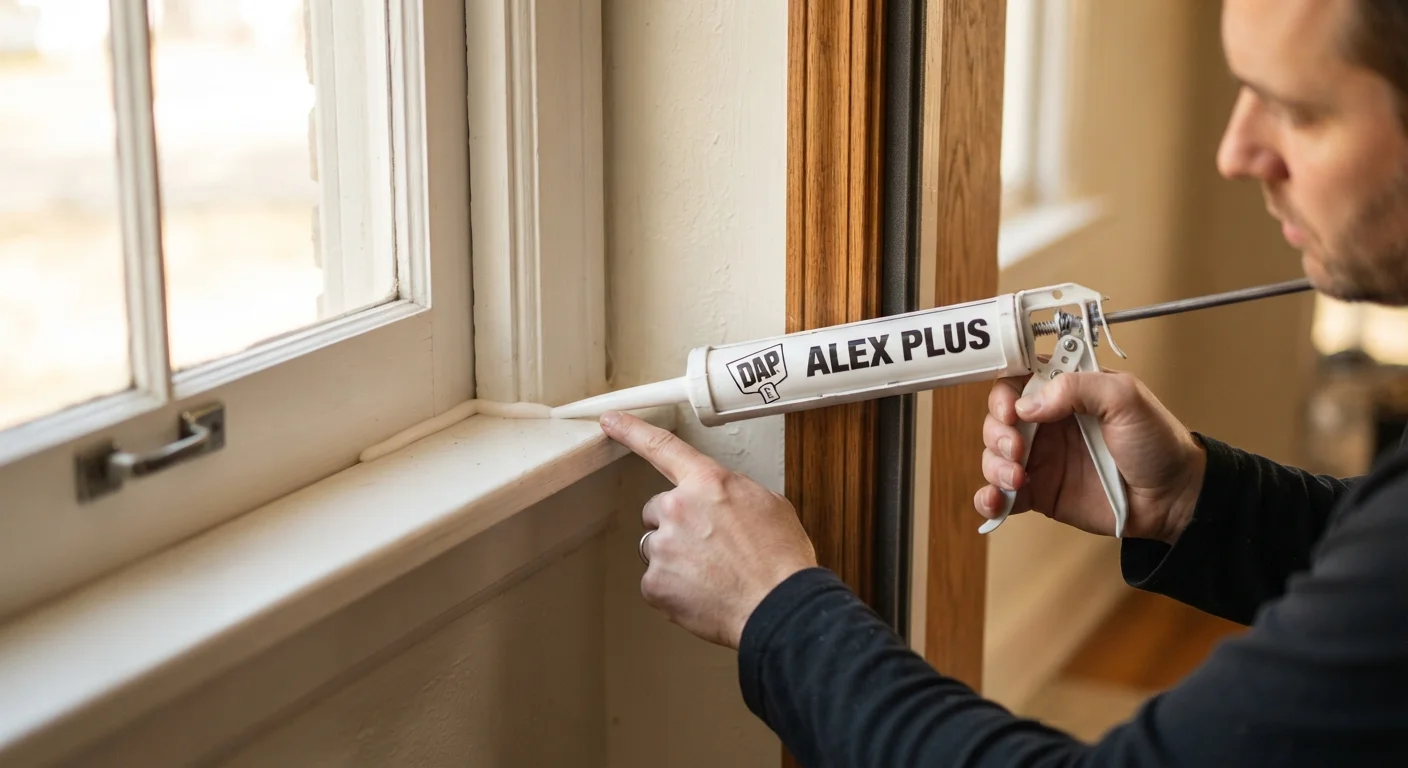
For a detailed look at where to focus your sealing efforts, our article on caulking, weatherstripping, and draft-proofing walks through practical fixes. When you're ready to go deeper, insulation materials decoded covers your upgrade options.
25-30%
Of home heat lost through windows
According to the U.S. Department of Energy, windows account for roughly a quarter to nearly a third of residential heating and cooling energy use.
~Air Sealing
Often highest-impact, lowest-cost improvement
The U.S. Department of Energy identifies air sealing as one of the most cost-effective ways to improve home comfort and reduce energy use before addressing insulation upgrades.
R-38 to R-60
Recommended attic insulation range for cold climates
The U.S. Department of Energy recommends attic insulation levels of R-38 to R-60 in colder US climate zones, reflecting how much heat rises and escapes upward.
How Room Layout Shapes Comfort
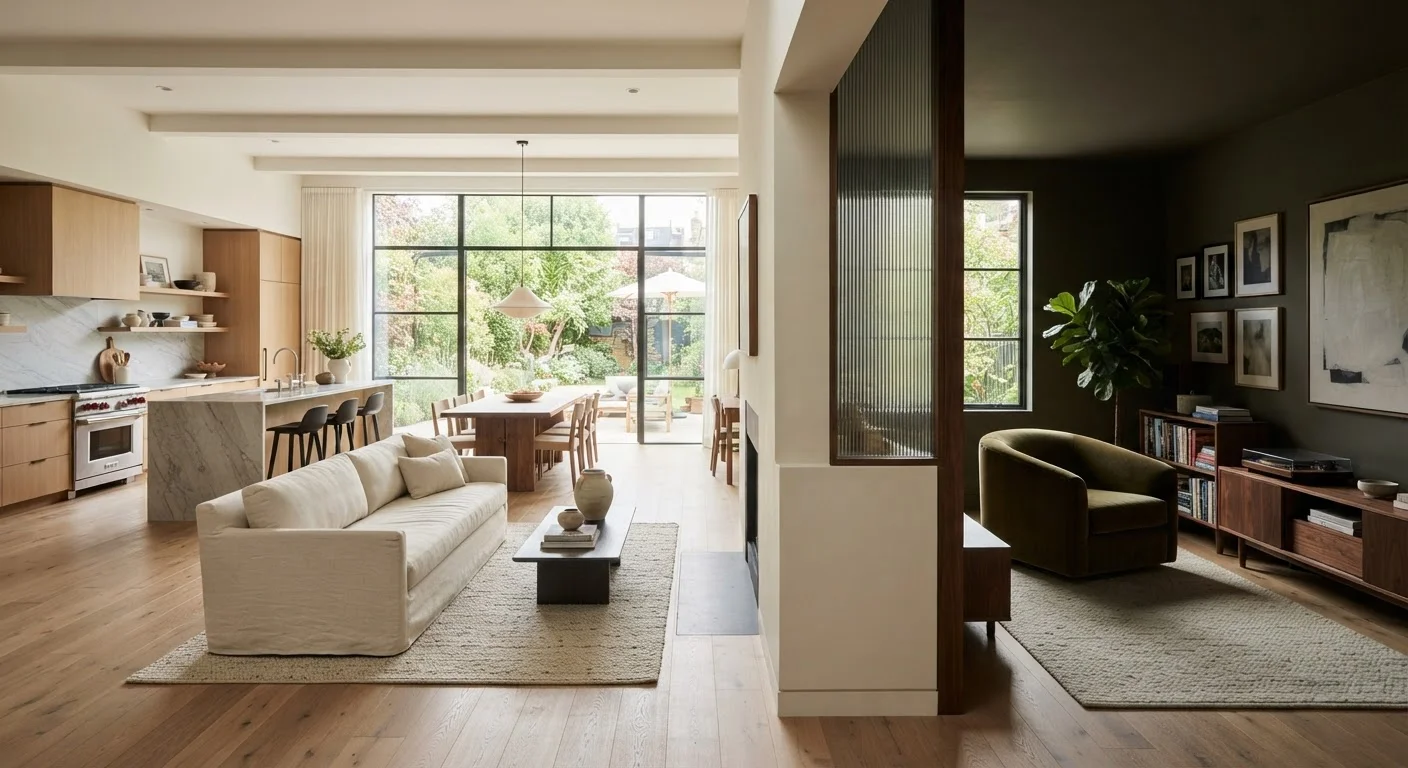
The physical layout of your home influences thermal comfort in ways that go beyond insulation. An open-plan space allows heat to distribute freely - but it also means the heating system must condition a larger volume of air before any one zone feels warm. A compartmentalised room layout concentrates heat more efficiently but depends on adequate airflow between rooms.
Floors matter more than most homeowners expect. Concrete slabs and tile are high-conductivity surfaces - they absorb body heat quickly, making bare feet feel cold even when air temperature is comfortable. Hardwood and carpet are better thermal insulators underfoot. Adding an area rug over a tile or concrete floor noticeably changes how a room feels at floor level.
Ceiling height also plays a role. Rooms with high ceilings require more energy to heat to a comfortable level because warm air pools at the top before it reaches occupant height. Ceiling fans set to run clockwise at low speed in winter push that warm air back down, improving comfort without raising the thermostat.
Lighting choices can have a small but real thermal effect too - incandescent bulbs emit significant heat, while LEDs emit very little. Our piece on natural light vs. artificial lighting explores how light choices shape the feel of a room beyond just brightness.
Use Sunlight as a Free Heat Source
South-facing windows receive the most direct sunlight during winter days in the Northern Hemisphere. Open blinds or curtains during daylight hours to let that solar radiation warm interior surfaces, then close them at dusk to retain the heat gain. This passive solar strategy costs nothing and can meaningfully reduce how hard your heating system has to work.
Simple Habits That Improve Thermal Comfort
You don't need a renovation to meaningfully improve how your home holds heat. Several low-effort daily habits make a real difference.
- Keep interior doors open when rooms are being heated, allowing warm air to circulate rather than pool in one area.
- Close curtains and blinds at night. Heavy window coverings create a buffer of trapped air between the cold glass and the room, slowing heat loss through radiation and convection.
- Place draft excluders at the base of exterior doors. The gap under a door is one of the most consistent sources of cold air infiltration.
- Lower the thermostat in unused rooms and close their vents - but avoid closing too many vents at once, which can create pressure imbalances in forced-air systems.
- Let sunlight in during the day. South-facing windows in particular deliver significant passive solar heat on sunny winter days; opening blinds to capture this and closing them once the sun sets is a free thermal gain.
Thermal comfort connects to overall indoor environment quality. If you're also thinking about air quality alongside temperature, our article on what affects indoor air quality provides a useful companion read.