
Why These Tasks Keep Getting Skipped
Most deferred home maintenance isn't laziness - it's invisibility. Clogged dryer vents, failing door seals, and slow water heater sediment buildup don't announce themselves until they've already caused damage. Unlike a leaking pipe or a broken appliance, these tasks produce no urgent symptom. That silence is precisely why they get deferred season after season.
The tasks in this checklist are specifically chosen because they sit in that quiet, easy-to-ignore category. They're not dramatic repairs. Most take under an hour and require only basic tools or a phone call to a professional. The home improvement principle here is simple: catch the small stuff before it graduates into a costly emergency.
Use this checklist at each seasonal transition - roughly every three months - to audit your home systematically. For a broader month-by-month view of what to track, the seasonal home maintenance calendar provides a useful complement to this guide.
Spring Tasks
Summer Tasks
Fall Tasks
Winter Tasks
Tools and Resources Worth Having Ready
You don't need a professional toolkit to work through this checklist. Most tasks require only what many households already own. A few items, however, genuinely make seasonal inspections faster and more accurate.
Flashlight or headlamp
Inspect attics, crawl spaces, under sinks, and behind appliances where ambient light doesn't reach.
Garden hose with pressure nozzle
Flush water heater sediment, test outdoor hose bibs, and rinse debris from gutters downspout outlets.
Voltage tester (non-contact)
Safely confirm power is off before inspecting outlets or junction boxes - essential for any basic electrical check.
Roof rake
Remove snow accumulation from roof eaves safely from ground level during winter, reducing ice dam risk.
Caulk gun and exterior-grade caulk
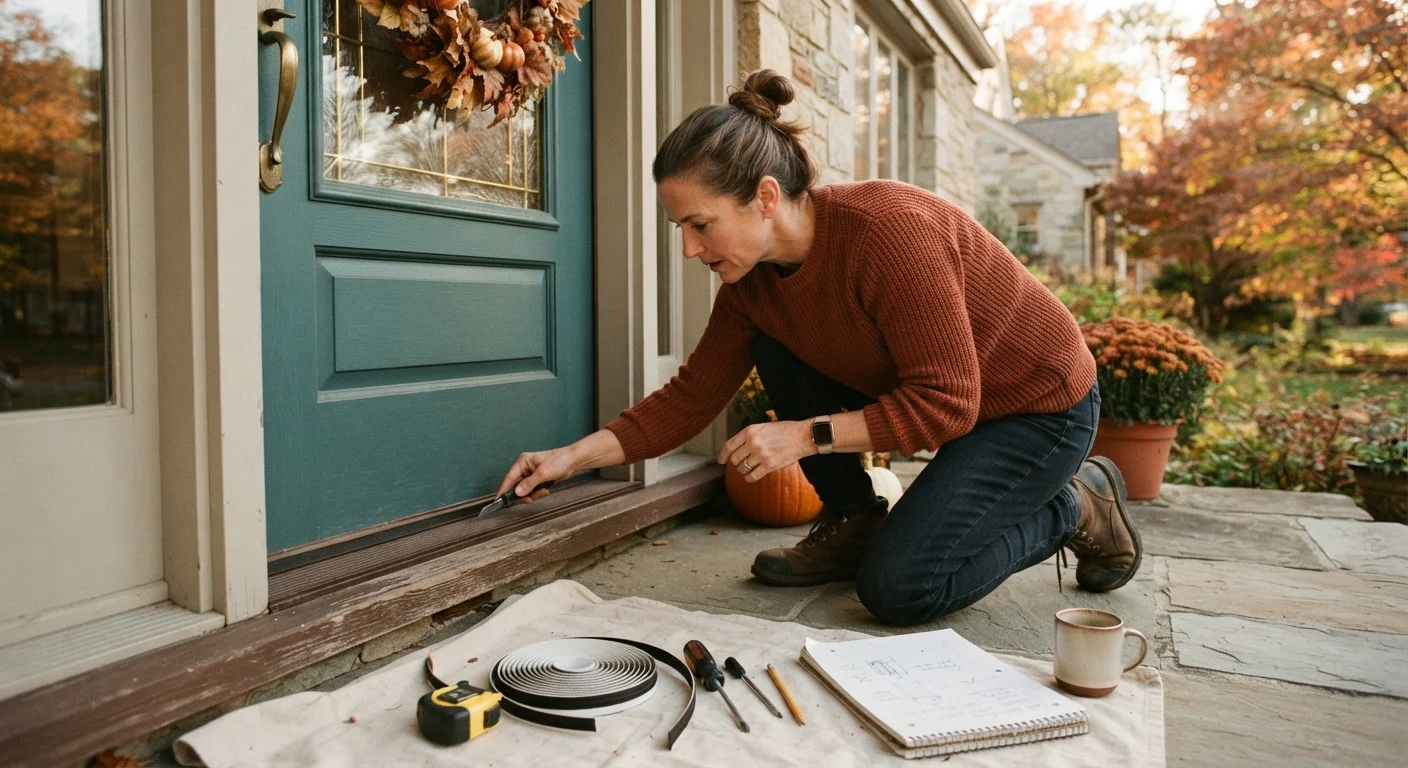
Reseal gaps around windows, doors, and exterior penetrations during spring and fall inspections.
Dryer duct cleaning brush kit
Clear lint buildup from the full length of the exhaust duct - most kits connect to a standard power drill.
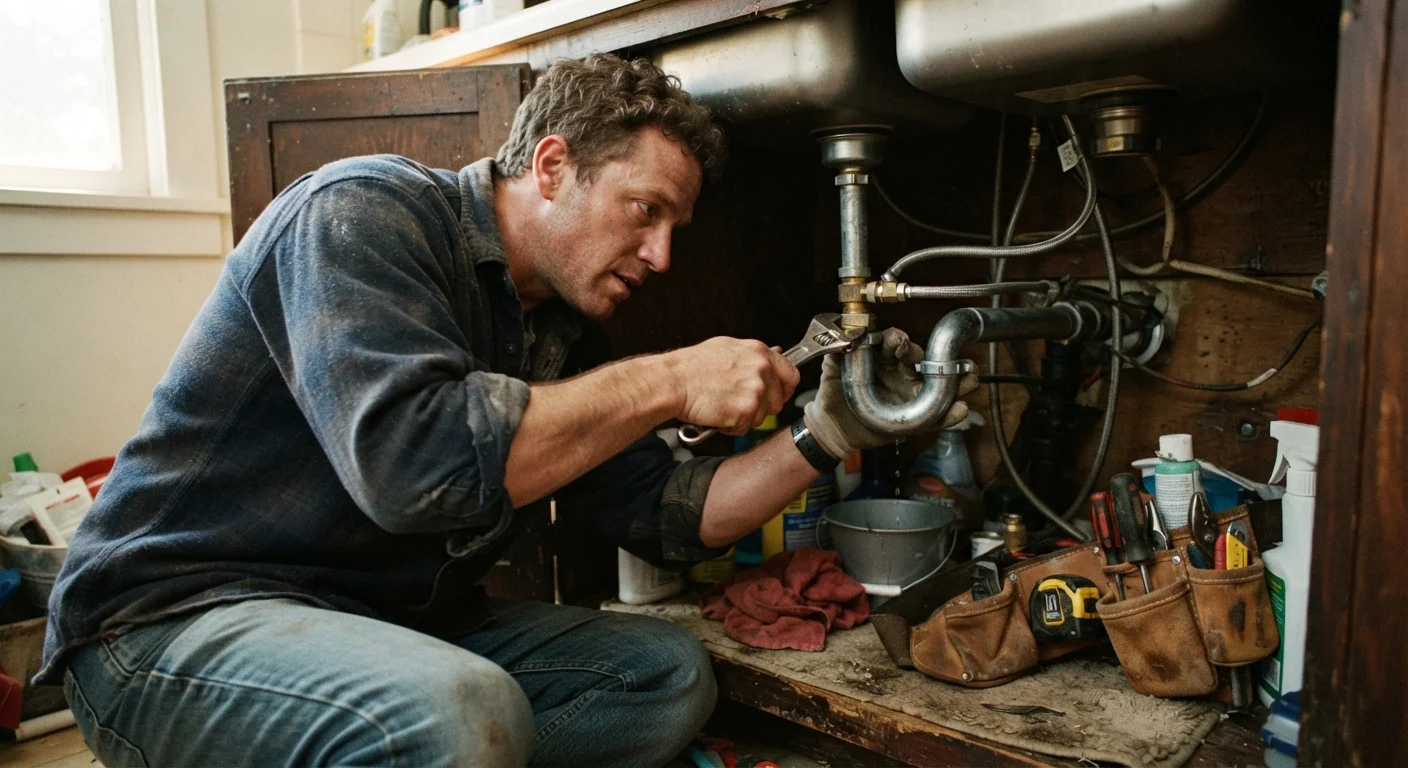
For tasks involving your electrical panel, gas lines, structural elements, or anything requiring a permit - such as water heater replacement or roof repairs - always engage a licensed contractor. For a clear breakdown of which plumbing jobs are DIY-safe and which require a professional, see the guide on plumbing tasks homeowners can handle.
Know When to Call a Licensed Professional
Several tasks on this list - including HVAC servicing, water heater maintenance beyond basic flushing, and anything touching your electrical panel or gas supply - should be performed by a licensed contractor. Attempting unpermitted or technically complex work can void insurance, create safety hazards, and cause code violations that complicate future home sales. When in doubt, get a professional assessment before proceeding.
A Note on Seasonal Overlap
Seasons don't flip like a switch. In many US regions, fall prep tasks are still relevant into early winter, and spring tasks bleed into late March or April depending on climate zone. Treat each group as a target window rather than a hard deadline. The goal is to complete each cluster before the associated weather arrives - not after it's already testing your home.
Seasonal transitions affect more than your house. If you're also adjusting routines around temperature and humidity changes, the article on how seasonal changes affect your skin routine covers why your skin responds to the same shifts. Similarly, rotating seasonal storage is a practical complement to maintenance - clearing access to HVAC filters, hoses, and other items you'll need to reach.
Carbon Monoxide Detectors Are Non-Negotiable
Carbon monoxide (CO) is colorless and odorless, and malfunctioning heating equipment is a primary source during winter. Every home with gas appliances, attached garages, or fuel-burning heaters should have working CO detectors on each sleeping level. Test them at every seasonal transition and replace units that are more than 7 years old - the sensor degrades over time even if the alarm still sounds.