
The Core Question: Risk, Pressure, and Permits
Plumbing anxiety is understandable. A mistake that causes a slow leak inside a wall can lead to mold, structural damage, and repair bills far exceeding what a plumber would have charged upfront. But not every drip or clog requires a service call. The key is honestly assessing three factors: risk of harm, whether pressure is involved, and whether a permit is legally required.
Low-stakes tasks-those involving drain lines (not pressurized), accessible fixtures, and no structural changes-are generally within reach for a careful DIYer. High-stakes work involving supply lines under pressure, gas-adjacent water heaters, or sewer systems should be left to licensed professionals. This isn't just about skill; it's about liability, safety codes, and protecting your home's value.
For a broader look at home upkeep decisions, see our guide to home renovation for first-time homeowners which covers when to hire trades and how to budget realistically.
Plumbing Tasks Most Homeowners Can Handle
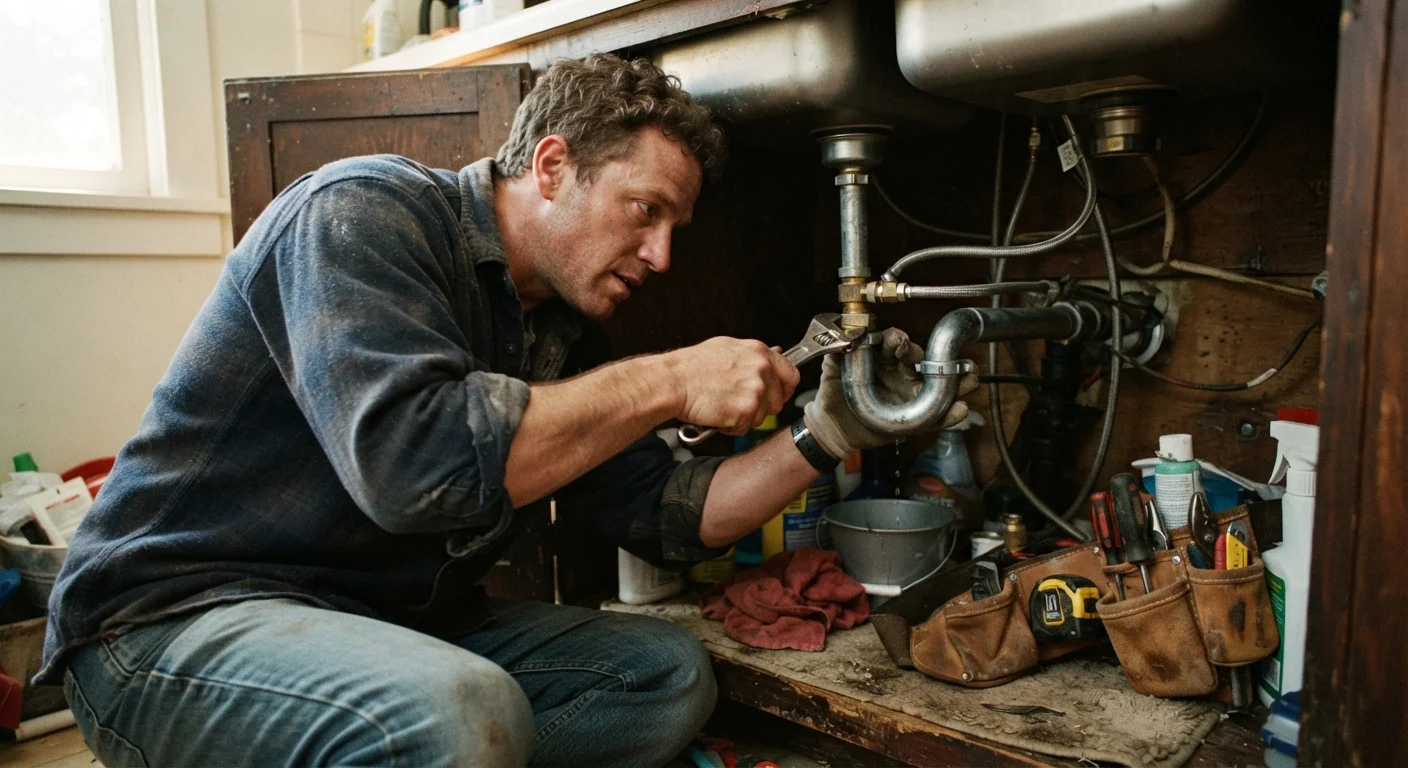
The following repairs involve accessible components, work on the drain (not supply) side of your plumbing, or require only shutting off a local stop valve under the sink or behind the toilet:
- Unclogging drains: A plunger or hand-operated drain snake handles most sink, tub, and toilet clogs. Avoid chemical drain cleaners regularly-they can degrade older pipes.
- Replacing a toilet flapper or fill valve: These inexpensive parts are sold at any hardware store and require no specialized tools. A running toilet is almost always this fix.
- Swapping a faucet: Replacing a kitchen or bathroom faucet is manageable if you shut off the local stop valves, have a basin wrench, and follow the manufacturer's instructions.
- Replacing supply lines under a sink: The braided stainless or PVC lines connecting the shut-off valve to the faucet or toilet are straightforward to swap when the local valve is functional.
- Installing a new showerhead: No special skills required-just thread tape (PTFE) and hand-tightening.
Know Your Main Shut-Off Before Starting
Before attempting any plumbing repair, locate your home's main water shut-off valve and confirm it works. It's usually near the water meter, in a basement, utility room, or crawl space. Turning it off before a repair prevents flooding if something goes wrong. Test it periodically so it doesn't seize from disuse.
Keep records of any repair you do yourself, including photos, parts used, and dates. This documentation is helpful if you sell the home or a warranty question arises later.
When to Call a Licensed Plumber
Some plumbing jobs are not safe to attempt without professional training, proper tools, or a permit. Attempting these tasks without a license in many states is also illegal for anything beyond your own primary residence-and even then, permit requirements often apply.
| Task | DIY-Friendly | Requires Licensed Plumber | |
|---|---|---|---|
| Unclogging a drain | Yes - plunger or drain snake | Only if blockage is deep in main line | |
| Replacing a faucet | Yes - standard skill level | Not typically | |
| Fixing a running toilet | Yes - flapper or fill valve swap | Only if valve seat is damaged | |
| Water heater installation | No - permits usually required | Yes - licensed and permitted | |
| Main shut-off valve repair | No - affects whole-house supply | Yes - always | |
| Sewer line repair or replacement | No - hazardous and regulated | Yes - always | |
| Replacing supply lines under sink | Yes - if shutoff is accessible | Not typically | |
| Installing a new fixture (new pipe run) | No - requires rough-in work | Yes - usually permitted |
- Water heater installation or replacement: This typically requires a permit, involves either gas lines or high-voltage electrical connections, and must meet local code. Improper venting alone can create a carbon monoxide risk.
- Main shut-off valve or supply line repair: Failure here means no water to the entire house and possible flooding. This is not a situation for improvisation.
- Sewer line issues: Tree root intrusion, collapsed lines, or persistent sewage backups require camera inspection and professional equipment. Sewage exposure is also a health hazard.
- Adding new plumbing runs: Any work that requires cutting into walls, extending pipe runs, or adding new drain or vent lines will almost always require a permit and inspection.
For perspective on where plumbing fits into your home's annual care schedule, our seasonal home maintenance calendar outlines what to check throughout the year.
Unpermitted Work Can Hurt You at Resale
Major plumbing jobs-water heater replacements, new drain lines, or fixture additions-commonly require a permit in most U.S. jurisdictions. Skipping permits can complicate a home sale, void homeowner's insurance claims, or result in fines. Always check with your local building department before starting significant work.
Gray-Area Tasks: Assess Before You Start
Some jobs fall in the middle-they're not inherently dangerous, but they're easy to do incorrectly in ways that cause slow, hidden damage. These include:
- Replacing a toilet: Installing a new toilet is feasible for a DIYer, but wax ring seating is critical. A poor seal causes slow leaks that rot subfloors before you notice them.
- Installing a dishwasher: This involves a drain connection, a water supply line, and often an electrical connection. If you're comfortable with all three and there's an existing hookup, it may be manageable-but the electrical side may require a permit.
- Clearing a recurring clog: If a drain backs up repeatedly despite snaking, the problem may be a partial blockage or buildup deeper in the main line-something a professional camera inspection can diagnose.
The home maintenance tasks most people quietly skip article covers how small plumbing checks-like inspecting supply lines for cracks-can prevent bigger problems before they start.
~$150-$500
Typical cost range for a plumber service call
HomeAdvisor and Angi report average plumber hourly rates of $45-$200, with minimum service call fees often between $75-$150.
1 in 10
U.S. homes have leaks wasting 90+ gallons daily
According to the U.S. Environmental Protection Agency (EPA), household leaks nationwide waste nearly 1 trillion gallons of water annually.