

Why a Seasonal Calendar Beats a Random Approach
Home maintenance done reactively-fixing things only after they break-typically costs far more than routine upkeep. Roof leaks that go undetected through winter, HVAC systems that haven't been serviced in years, and gutters clogged since autumn are among the most common sources of unexpected repair bills.
A seasonal calendar solves this by tying specific tasks to the time of year when they matter most. Cleaning gutters in late autumn makes sense because leaves have fallen; inspecting your air conditioner in spring makes sense because heavy use is weeks away. The goal isn't perfection-it's predictability.
Use the checklist below as a starting point. Every home is different, so adjust based on your climate, the age of your house, and any systems unique to your property. And if you're newer to homeownership, this guide to home renovation basics covers planning and hiring trades when DIY isn't the right call.
Spring (March-May)
Summer (June-August)
Autumn (September-November)
Winter (December-February)
Tools and Resources to Have on Hand
You don't need a fully stocked contractor's van to handle most seasonal maintenance. A modest collection of tools and access to the right professionals will cover the vast majority of items on this calendar.
Extension ladder
Needed for safely inspecting gutters, roof edges, and exterior siding on two-story homes.
HVAC filter (correct size for your system)
Replacement filters are required multiple times per year to maintain air quality and system efficiency.
Caulking gun and exterior-grade caulk
Used to seal gaps around windows, doors, and exterior penetrations during spring and autumn checks.
Voltage tester
Allows safe verification that circuits are de-energized before performing any work near electrical components.
Drain snake (hand auger)
Useful for clearing minor clogs in sinks and tubs without resorting to chemical drain cleaners.
Moisture meter
Helps identify hidden dampness in walls, floors, or crawl spaces before it becomes visible damage.
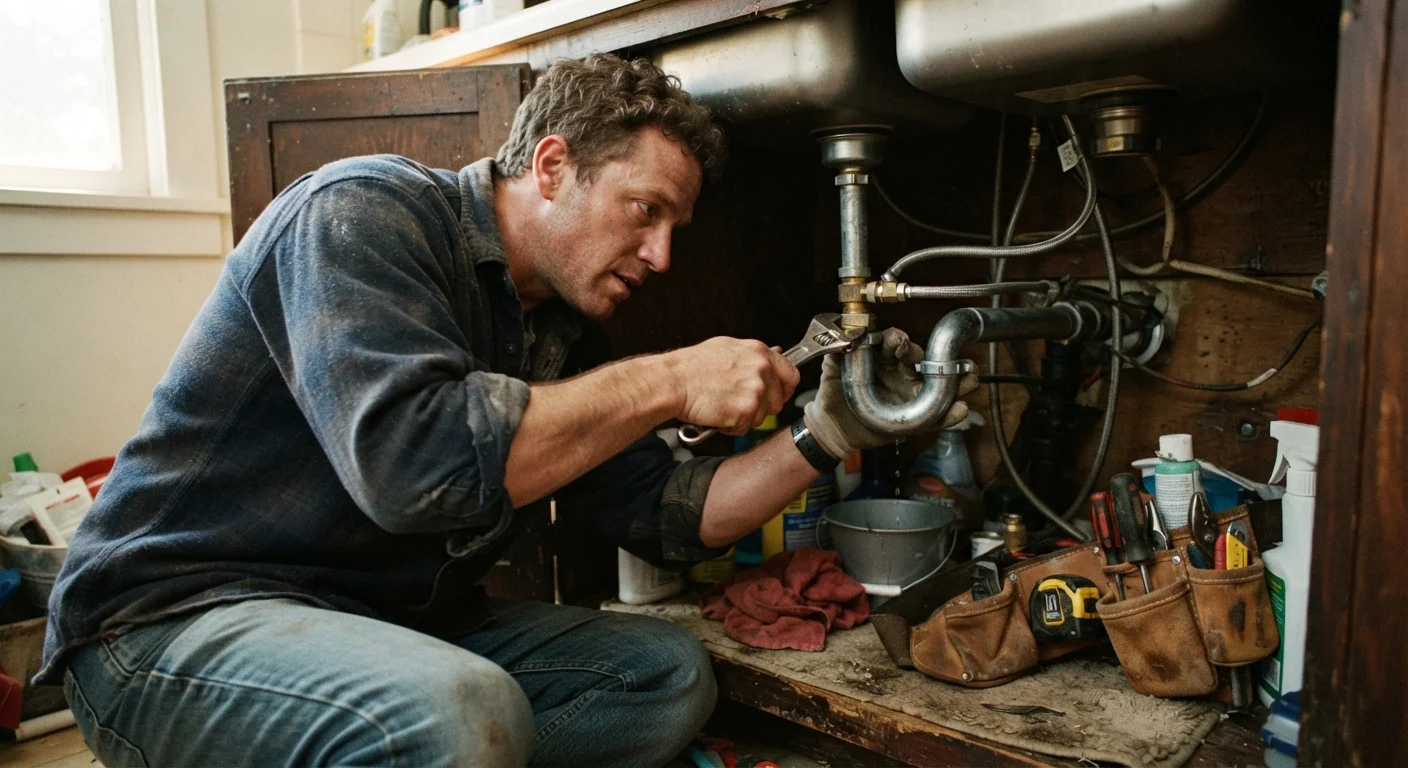
For plumbing-specific tasks, it helps to know your limits before you start. This breakdown of DIY-friendly vs. professional plumbing jobs is a practical reference for deciding when to call in a licensed plumber.
Know When to Stop and Call a Pro
Electrical panels, gas lines, structural walls, and main sewer connections are not DIY territory for most homeowners. Attempting work on these systems without proper training, tools, or permits can create serious safety hazards and may void your homeowner's insurance. If a task involves these systems, contact a licensed contractor and verify local permit requirements before any work begins.
Keeping a Simple Maintenance Log
One of the most underrated habits a homeowner can develop is writing down what was done and when. A basic spreadsheet, a notes app, or even a paper notebook works fine. Record the task, the date, any parts replaced, and the name of any contractor used.
This log pays off in several ways: it helps you spot patterns (a smoke detector battery replaced every October stays on schedule), provides documentation if you sell the home, and gives contractors useful context when something does need professional attention.
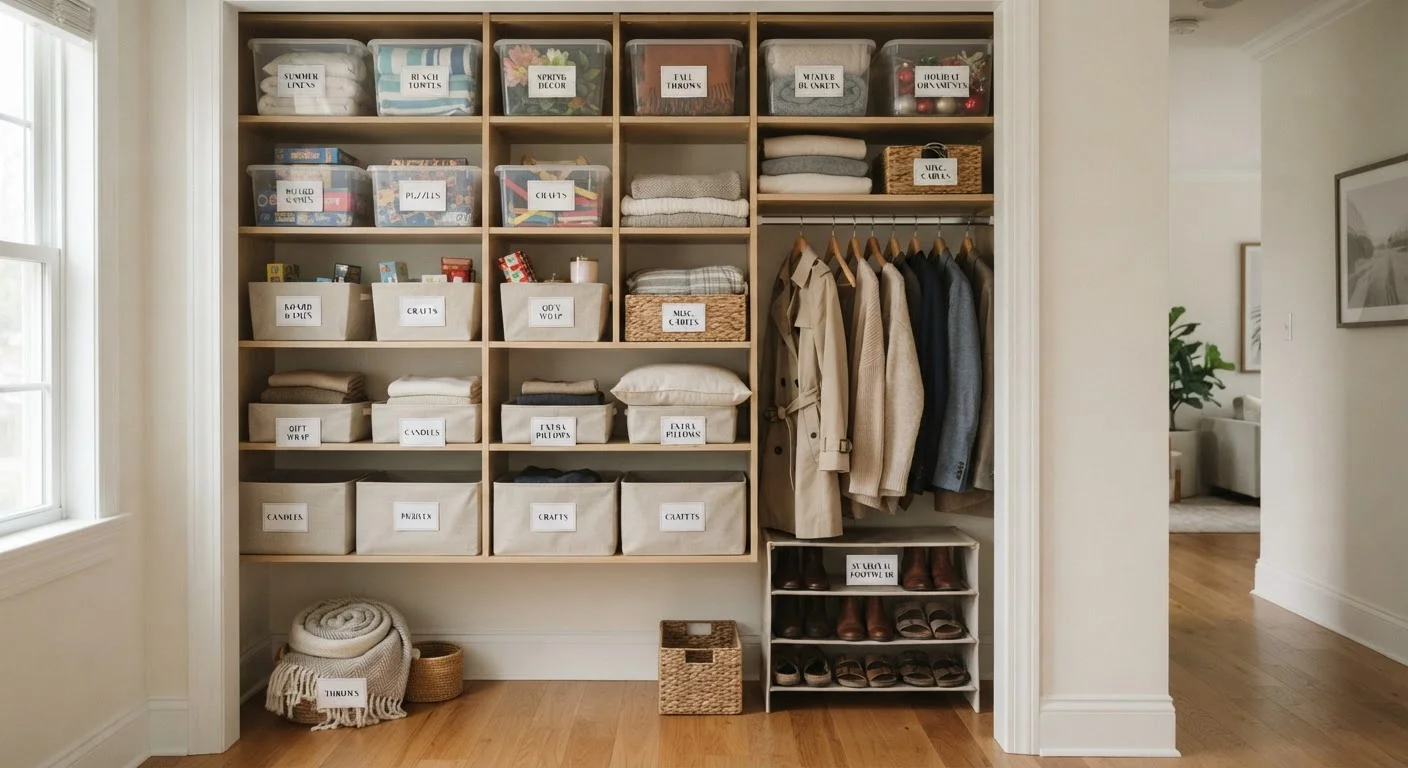
Pair your maintenance calendar with broader home organization strategies-rotating seasonal items in and out of storage is a natural complement to keeping your maintenance supplies organized and accessible when you need them.
Permits and Codes Apply to More Than You Think
Many maintenance and repair tasks that seem minor-replacing a water heater, adding a circuit, or modifying structural elements-may require a permit under local building codes. Unpermitted work can complicate home sales and may not be covered by insurance in the event of a claim. Always check with your local building department before starting work that goes beyond routine maintenance.