
What Plant-Based Eating Actually Means
The phrase "plant-based" gets applied to everything from a salad to a processed burger patty, which understandably causes confusion. In practical terms, a plant-based diet prioritizes whole or minimally processed foods that come from plants - vegetables, fruits, legumes, whole grains, nuts, and seeds - as the primary source of daily nutrition.
It is not a single, fixed dietary pattern. Some people interpret it as fully vegan (no animal products at all), while others use it to describe a diet that is predominantly plants but may still include eggs, dairy, or occasional fish or meat. What connects these variations is an intentional shift toward plant foods rather than strict categorical rules.
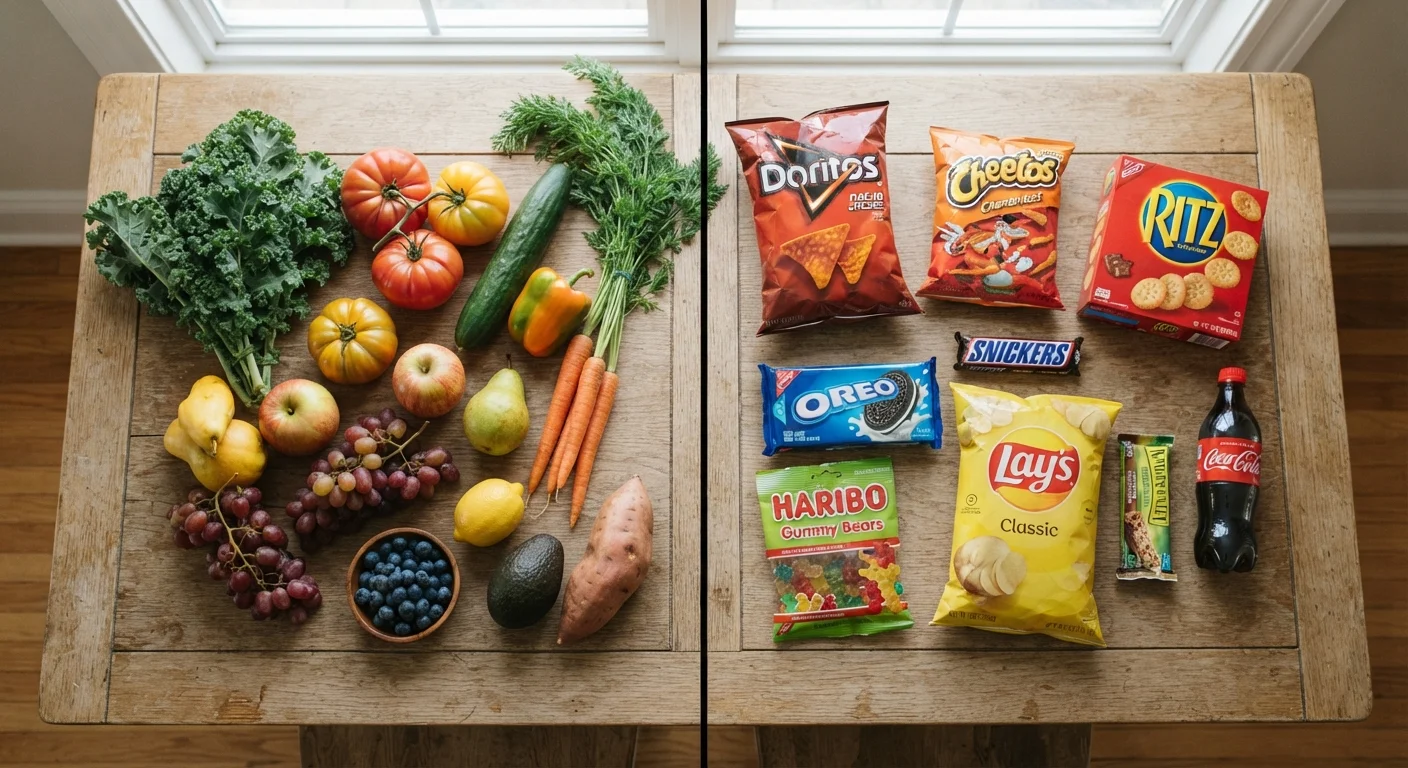
Understanding where whole and processed foods sit on the spectrum is a useful foundation here, because plant-based eating is most strongly supported by evidence when it centers on whole plant foods rather than plant-derived processed alternatives.
Whole plant foods
Foods derived from plants that are unrefined or minimally processed - such as vegetables, fruits, legumes, whole grains, nuts, and seeds - retaining most of their natural nutrients.
Legumes
A broad category of plants whose seeds grow in pods, including beans, lentils, chickpeas, and peas. They are high in protein, fiber, and several key minerals.
Non-heme iron
The form of iron found in plant foods. It is absorbed less efficiently by the body than heme iron from animal products, but absorption improves when eaten alongside vitamin C.
Vitamin B12
A vitamin essential for nerve function and red blood cell production, found naturally in animal products. It is the nutrient most commonly flagged as a concern for people eating little or no animal food.
ALA (Alpha-linolenic acid)
A plant-sourced omega-3 fatty acid found in foods like flaxseeds, chia seeds, and walnuts. The body can convert some ALA into the EPA and DHA forms, but conversion is limited.
Fortified foods
Foods that have had nutrients added to them during processing - for example, plant milks fortified with calcium or vitamin D - to compensate for nutrients not naturally present.
Key Nutrients to Pay Attention To
A well-planned plant-forward diet can meet most nutritional needs for healthy adults, but a few nutrients deserve deliberate attention from the start.
- Vitamin B12: Found almost exclusively in animal products. Those minimizing or eliminating animal foods are generally advised to supplement - consult a healthcare provider about what's appropriate for you.
- Iron: Plant foods contain non-heme iron, which is absorbed less efficiently than iron from meat. Pairing iron-rich foods (lentils, tofu, fortified cereals) with vitamin C sources improves absorption.
- Omega-3 fatty acids: Walnuts, flaxseeds, chia seeds, and hemp seeds provide ALA, a plant-based omega-3. The body converts some ALA to EPA and DHA, though conversion rates are limited.
- Calcium: Leafy greens such as kale and bok choy, fortified plant milks, and tofu made with calcium sulfate are reliable sources.
- Zinc and iodine: Found in legumes, nuts, and seeds (zinc) and iodized salt or seaweed (iodine) - though iodine content in seaweed varies significantly.
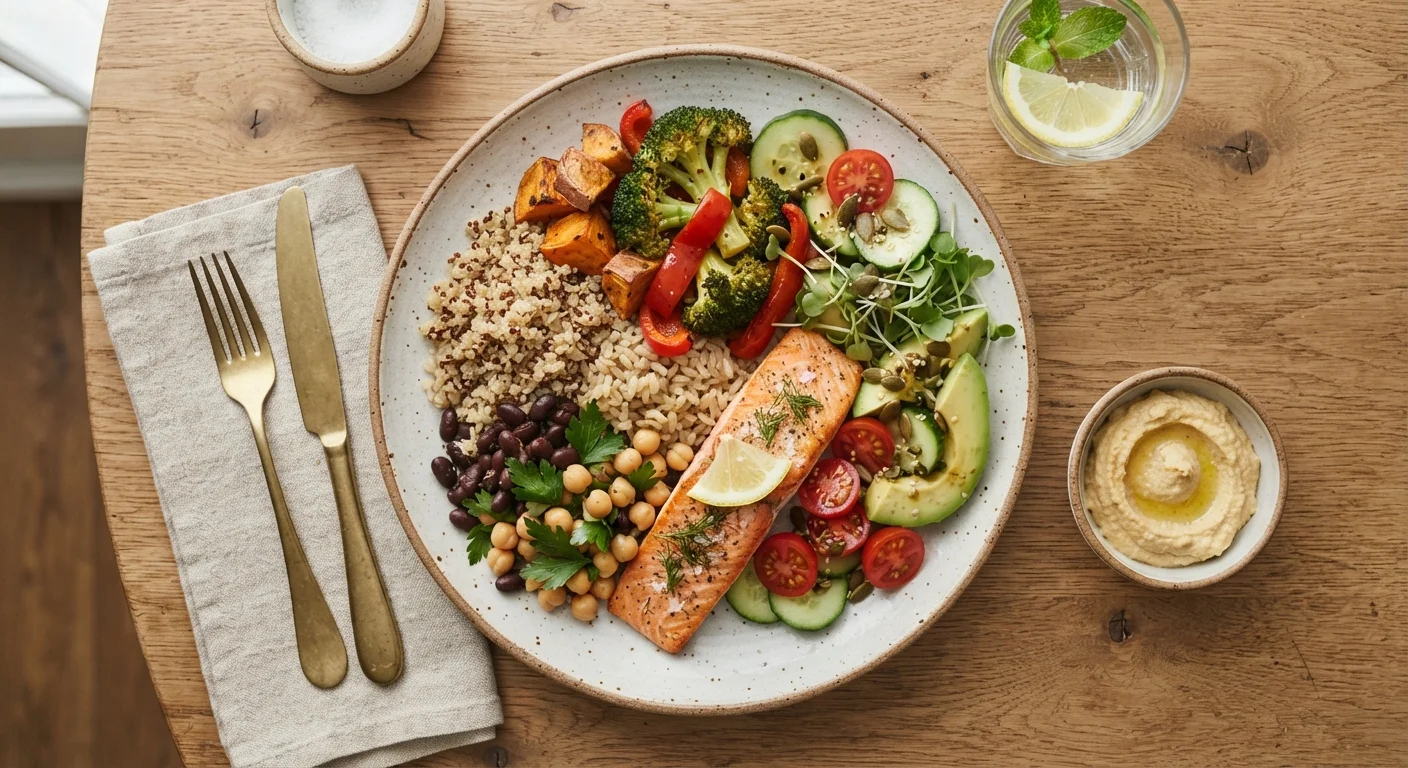
For a fuller picture of how these fit into an overall meal, the principles of a nutritionally balanced plate provide useful context.
Realistic First Steps for Beginners
Overhauling a diet all at once is rarely sustainable. Research on habit formation consistently shows that smaller, layered changes stick better than sweeping overhauls. Here are grounded starting points:
- Add before you subtract. Begin by adding a serving of vegetables, legumes, or whole grains to meals you already enjoy rather than replacing everything immediately.
- Pick one or two plant-based meals per week. A single familiar meal - a bean soup, a grain bowl, a stir-fry with tofu - repeated regularly builds confidence and kitchen skill.
- Learn a few versatile staples. Lentils, canned chickpeas, frozen edamame, and oats require minimal preparation and are nutritionally dense.
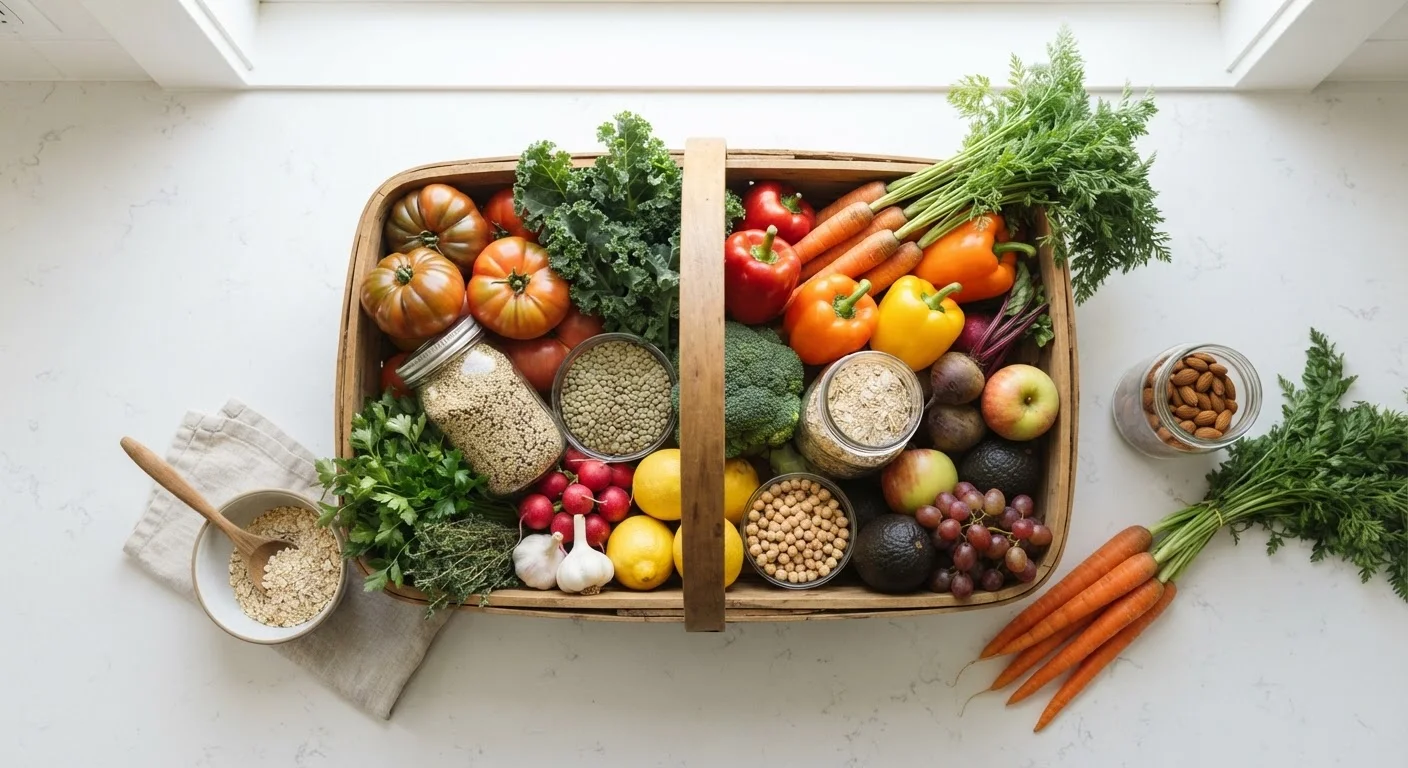
- Rethink your grocery trip. Orienting your cart toward the produce section and bulk dry goods naturally shifts what ends up on your plate. Grocery shopping with nutritional balance in mind offers a practical framework for this.
Stock Your Pantry With Versatile Staples
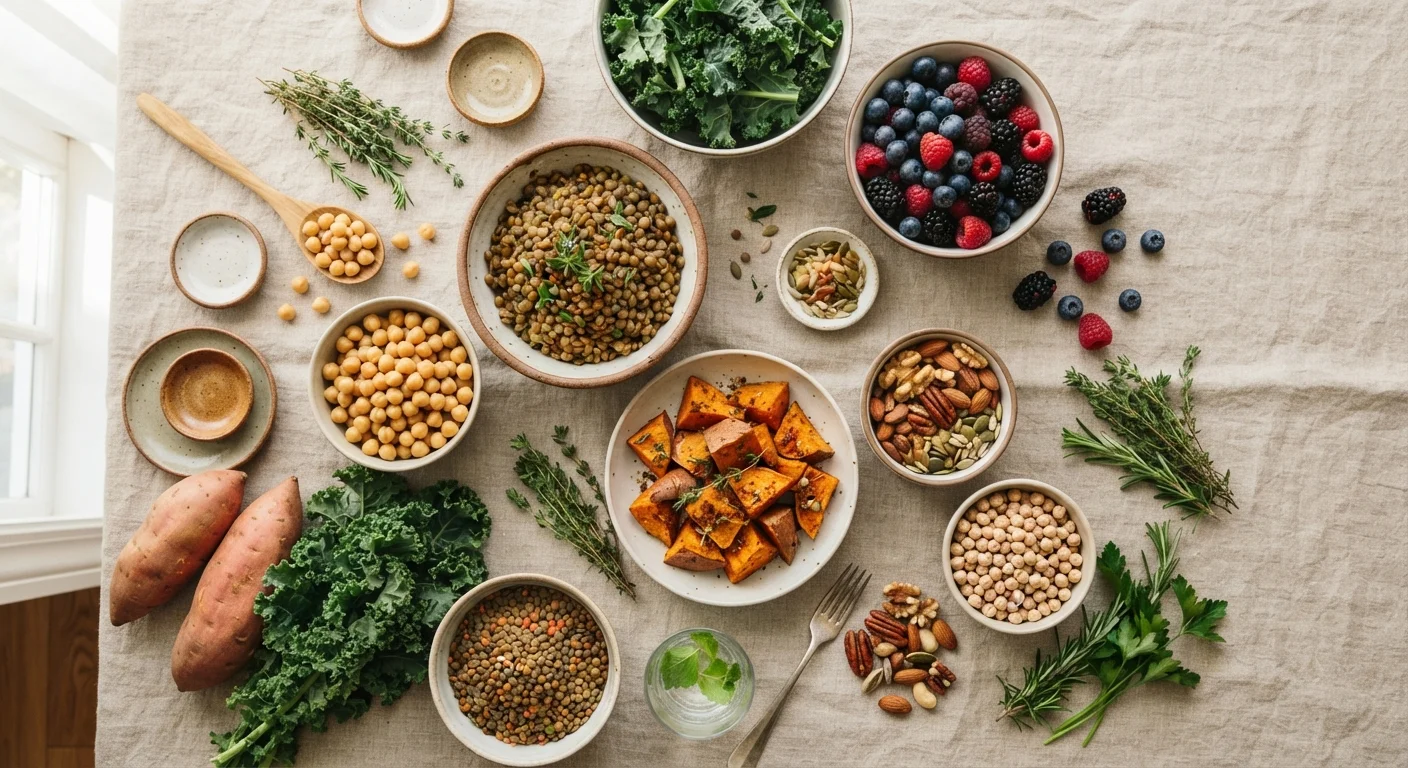
Dried lentils, canned beans, rolled oats, frozen vegetables, and unsalted nuts require almost no prep and work across dozens of recipes. A well-stocked pantry removes the biggest barrier to plant-based cooking: deciding what to make when you're already hungry.
Common Pitfalls and How to Avoid Them
Good intentions don't automatically translate to better nutrition. A few patterns consistently trip up beginners:
- Over-relying on processed plant-based products. Many packaged plant-based alternatives are high in sodium, saturated fat, or additives. They can be useful occasionally but shouldn't become dietary staples.
- Not eating enough overall. Whole plant foods are often less calorie-dense than animal foods. Eating sufficient volume - especially protein and healthy fats - is important, particularly for active individuals.
- Replacing meat with refined carbohydrates. White pasta, bread, or crackers don't meaningfully improve nutritional quality. The goal is whole food substitution, not simply removal.
- Expecting perfection. Occasional flexibility doesn't undermine a generally plant-forward pattern. Rigid thinking often leads to abandoning the effort entirely.
Common mistakes when trying to eat more healthily explores several of these patterns in more depth.
Special Populations Need Professional Guidance
If you are pregnant, breastfeeding, managing a chronic illness, or planning a plant-based diet for a child, please consult a registered dietitian or physician before making significant dietary changes. Nutrient needs in these situations are specific and consequential, and general guidance is not sufficient.
Building the Habit Over Time
Dietary change that lasts is almost always incremental. Plant-based eating is no different from other wellness habits in that it benefits from being layered in gradually rather than imposed all at once. Starting a broader self-care practice follows a similar logic - build a foundation before adding complexity.
Track what's working rather than what's missing. Noticing which plant-based meals you genuinely enjoy, and repeating those, is more productive than cataloguing restrictions. Cooking skills develop with repetition; meals that seem complicated now become routine within weeks.
If you have a chronic health condition, follow a restricted diet for other reasons, or are pregnant, breastfeeding, or caring for a child, professional guidance from a registered dietitian is strongly recommended before making significant dietary changes. General information like this article provides a starting point - it is not a substitute for personalized medical or nutritional advice.
This article is for general informational and educational purposes only and does not constitute medical or nutritional advice. Always consult a qualified healthcare professional before making significant changes to your diet, particularly if you have existing health conditions or specific nutritional needs.