

What Discretionary Spending Actually Means
Personal finance often divides your monthly outflows into two buckets: expenses you must pay and expenses you choose to pay. Discretionary spending lives in that second bucket. Rent is not discretionary. A utility bill is not discretionary. A monthly dinner subscription box, a video game purchase, or a weekend trip? Those are discretionary - real, valid things you may genuinely want, but costs that could be paused if your situation demanded it.
The word can sound clinical, but the concept is simple: discretionary money is the part of your paycheck where you exercise the most personal choice. That also means it is the area where your values show up most clearly. If you say travel is important to you but your bank statement shows mostly takeout and impulse shopping, the numbers are telling a different story than your intentions are.
For a broader grounding in terminology, the budgeting terms reference guide covers essential definitions including how discretionary expenses fit within a full budget picture.
The Line Between Discretionary and Essential Can Blur
Some expenses sit in a gray zone. A car payment might be non-discretionary if you need the vehicle to get to work, but the choice of a more expensive vehicle was discretionary. Similarly, a phone plan is largely essential today, but premium add-ons are not. When categorizing your own spending, focus on whether the expense could be meaningfully reduced - not whether it could theoretically be eliminated entirely.
Why Discretionary Spending Gets a Bad Reputation
When people feel like their budget isn't working, discretionary spending is usually the first thing blamed. It is visible, variable, and easier to criticize than fixed costs you cannot easily change. The cultural narrative often frames it as a moral failure - you spent too much on coffee, therefore you cannot afford a home. That framing is both inaccurate and counterproductive.
In reality, discretionary spending becomes problematic not because it exists, but because it goes unexamined. A $15 streaming service is harmless in isolation. Four of them, two unused gym memberships, and a weekly takeout habit that outpaces your grocery budget together can quietly erode financial progress without any single purchase feeling like a big decision.
Overcorrecting is equally risky. Slashing every discretionary category to zero is a common reason budgets fail after the first month. See why budgets collapse in month two for a deeper look at how this plays out and what actually helps.
“A budget is telling your money where to go instead of wondering where it went.”
— John C. Maxwell, Author and leadership speaker, widely cited in personal finance contexts
How to Manage It Honestly
Managing discretionary spending well does not require a complex system. It requires honesty and a small amount of structure. Here is a practical approach:
- List every discretionary category you actually spend in. Don't idealize - look at a real bank or card statement from the past 30 days. Categories might include dining out, entertainment, clothing, personal care, subscriptions, gifts, and hobbies.
- Note which categories brought genuine satisfaction. Not guilt-free necessarily, but real value. Those deserve a protected allocation in your budget.
- Identify what was habitual rather than intentional. Subscriptions you forgot you had, convenience spending that happened because you were tired, not because you wanted it - these are the low-regret cuts.
- Set a realistic monthly ceiling per category. A ceiling is not zero. It is an honest number that fits within what remains after savings and non-discretionary costs are covered.
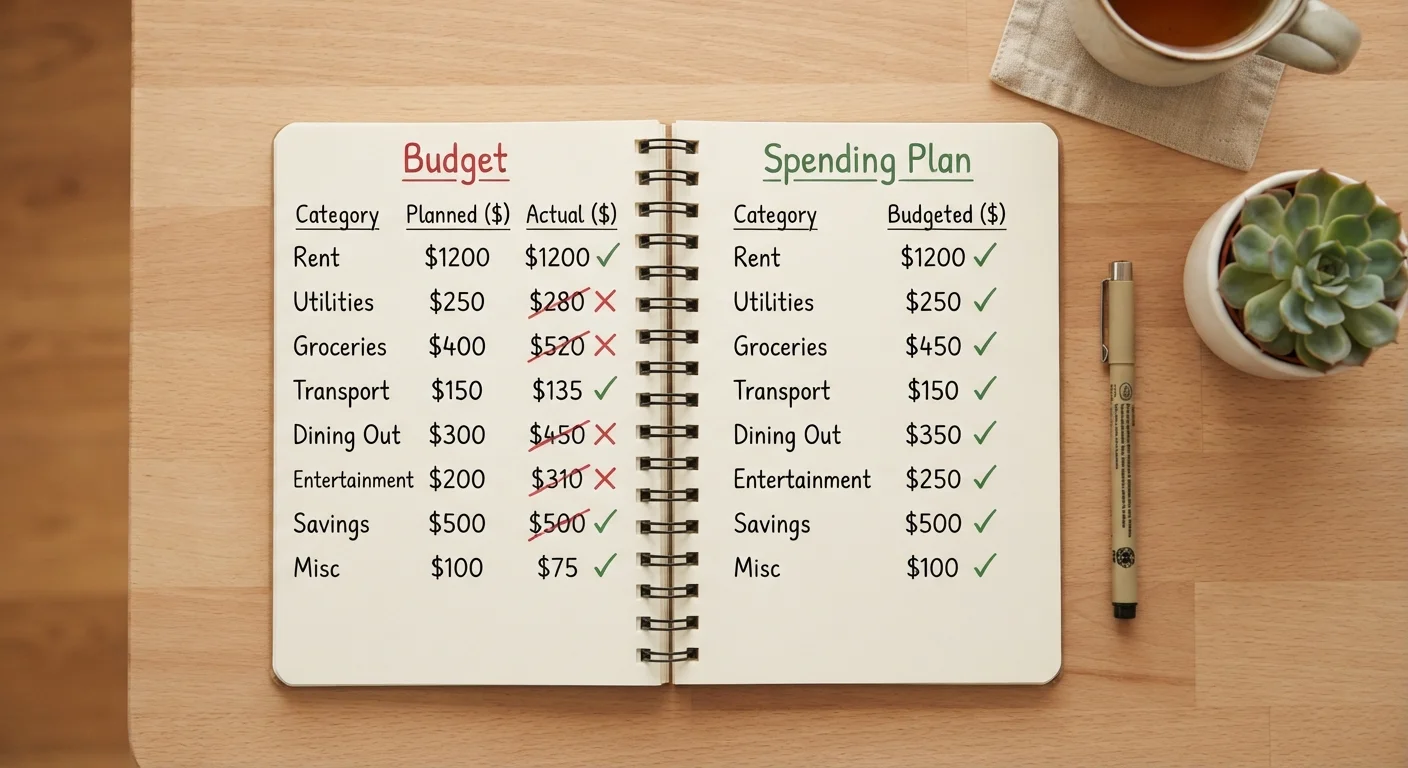
This approach connects directly to the distinction between a budget and a spending plan - one is restrictive, the other is intentional. The difference between a budget and a spending plan is worth understanding before you set those category limits.
Start With One Category, Not All of Them
Trying to overhaul every discretionary category at once is overwhelming and rarely sticks. Pick the single category where your spending feels most out of sync with your priorities and set a realistic monthly limit there first. Once that feels manageable, move to the next. Small, sustained adjustments tend to outlast dramatic overhauls.
Using Discretionary Patterns to Realign With Your Goals
One of the more useful things discretionary spending data can do is reveal a gap between stated priorities and actual behavior. That is not a reason for shame - it is useful information. If you want to build an emergency fund but your discretionary spending has been consistently high, you have identified the lever most worth adjusting.
The goal is not to eliminate enjoyment from your financial life. It is to make sure the enjoyment you are funding reflects what you genuinely want, rather than what was easiest or most available in the moment. Discretionary spending that is chosen deliberately tends to feel more satisfying and is easier to defend when money gets tight.
A monthly review is the simplest tool for keeping this on track. The monthly budget reset walkthrough provides a structured way to examine last month's discretionary patterns and set realistic targets going forward.
~30%
Suggested discretionary share of take-home pay
The widely referenced 50/30/20 budgeting framework allocates roughly 30% of after-tax income to wants, including all discretionary categories.
Top 3
Discretionary categories most commonly overspent
Dining out, subscription services, and impulse shopping consistently appear among the most frequently cited sources of budget overruns in consumer spending surveys.
This article is for general informational purposes only and does not constitute personalized financial advice. For guidance specific to your situation, consider consulting a qualified financial professional.