
Why a Monthly Reset Matters
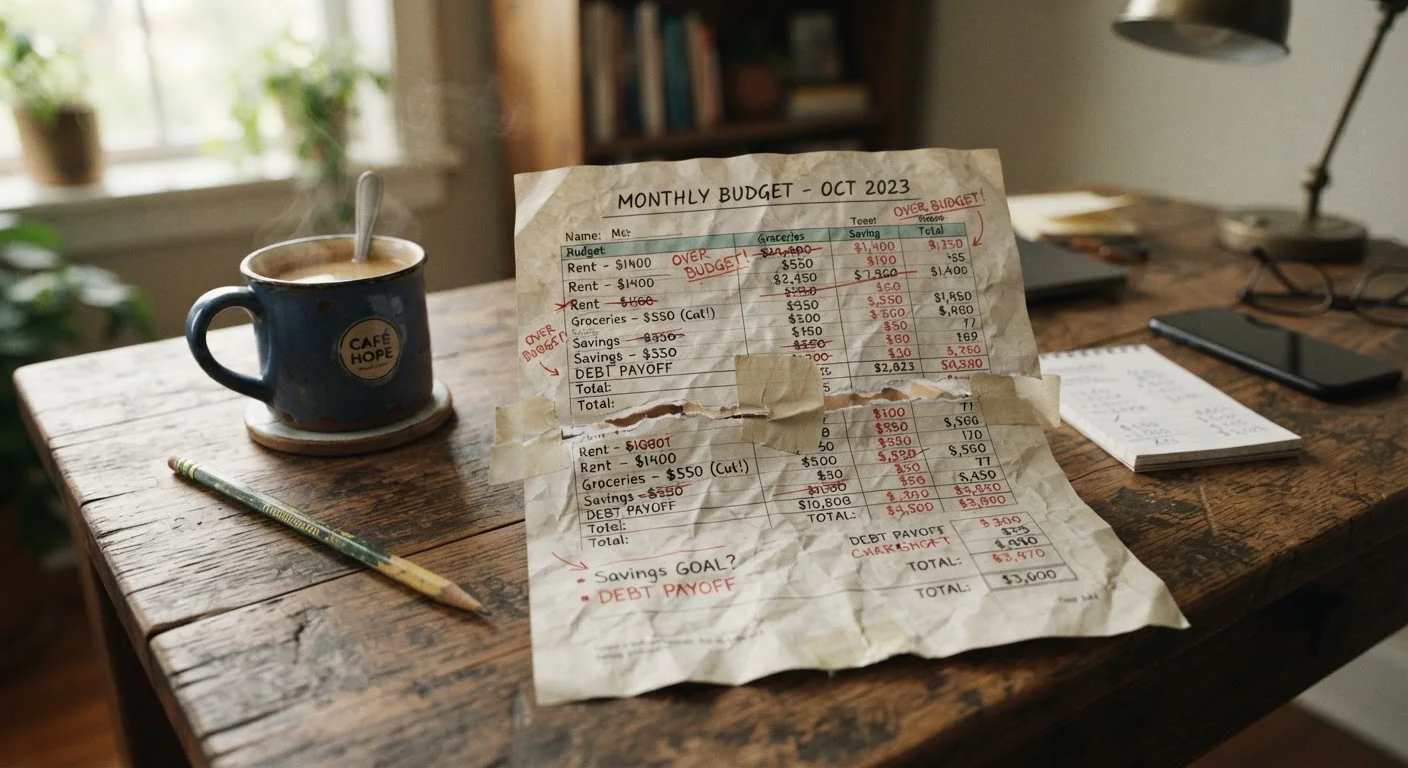
A budget isn't a one-time document - it's a living plan that should reflect what's actually happening in your financial life. Yet most people set a budget once and revisit it only when something goes wrong. The gap between a budget that's written and a budget that's working usually comes down to whether you're doing a regular reset.
A monthly reset is a short, structured review that closes out the previous month, surfaces what drifted off course, and calibrates your targets before the next month begins. It's not about guilt - it's about information. When you know where your money actually went, you're in a far stronger position to decide where it goes next.
If you're new to budgeting altogether, the plain-language guide to building your first budget is a solid place to start before running through this checklist. For those already tracking expenses, this walkthrough picks up exactly where that daily habit leaves off - see how to track where your money actually goes for a practical foundation.
Bank and credit card statements
Provides the actual transaction-level data needed to calculate real spending by category.
Previous month's budget plan
Gives you planned figures to compare against actual spending so you can see exactly where gaps occurred.
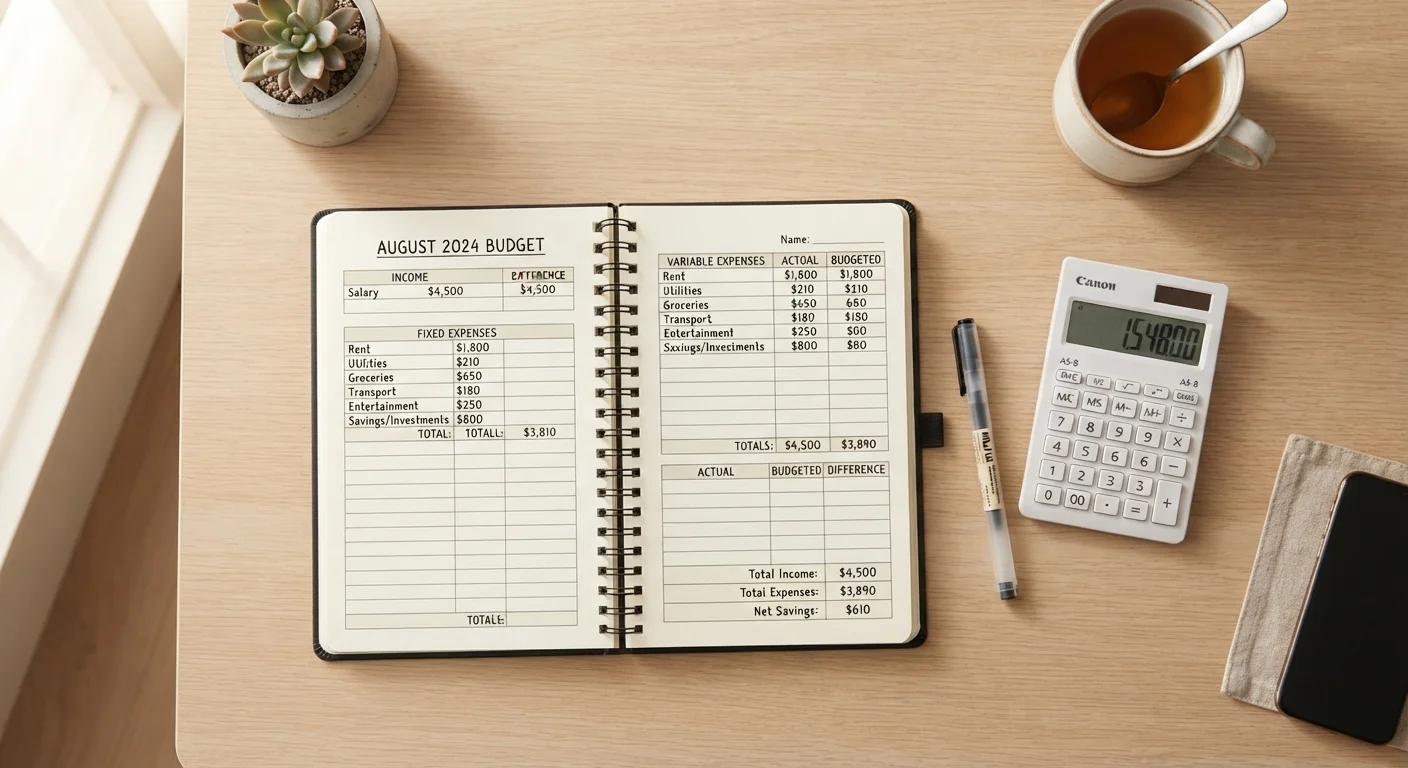
Spreadsheet or budgeting notebook
A place to record category totals, variances, and next month's targets in one organized view.
Calculator
Helps you quickly total category spending and calculate the difference between planned and actual amounts.
Calendar or reminder app
Used to schedule your next monthly reset so the habit becomes automatic rather than reactive.
How to Use This Checklist
Work through the checklist groups below in order. Each group represents one phase of the reset: gathering your numbers, reviewing what happened, identifying what to change, and setting next month's targets. You don't need accounting software - a spreadsheet or even pen and paper works fine.
Mark each item as you complete it. If something doesn't apply to your situation (for example, a category you don't use), simply skip it. The goal is honest reflection, not perfection.
Treat Variances as Data, Not Failures
A gap between your planned and actual spending isn't a moral failing - it's information. Consistently overspending in a category usually means the target was unrealistic, not that you lack discipline. The goal of this checklist is to surface those gaps so you can make deliberate decisions about them, not to assign blame.
For a deeper look at why even well-intentioned budgets stall out after the first month, this article on common budget pitfalls explains the patterns and practical fixes.
Gather Your Numbers
Review Last Month's Spending
Diagnose the Gaps
Set Next Month's Targets
What Comes Next
Once you've completed a reset, you have a calibrated budget ready for the month ahead - one based on real data rather than estimates. Over time, the gap between your planned and actual spending tends to narrow as your categories become more accurate.
If your review consistently shows that debt repayment or savings aren't getting the priority you want them to, building your budget around debt and savings goals offers a structured way to embed those priorities directly into your monthly plan. Readers interested in a more rigorous allocation method can also explore zero-based budgeting, where every dollar of income is assigned a purpose before the month begins.
Avoid Making Dramatic Cuts After One Bad Month
It's tempting to slash multiple category budgets after a month of overspending. Overcorrecting tends to make budgets feel punishing and unsustainable, which is one of the main reasons people abandon them. Make targeted, modest adjustments based on the actual data from your reset rather than a wholesale overhaul driven by frustration.
The reset process itself compounds in value. After three or four consistent months, you'll have a detailed picture of your true spending patterns - the kind of insight that makes financial decisions significantly easier across every category. For broader guidance on saving and managing debt wisely, the Saving & Debt hub is a useful ongoing resource.
This article is for general informational and educational purposes only and does not constitute personalized financial, tax, or legal advice. Consult a qualified financial professional for guidance specific to your circumstances.