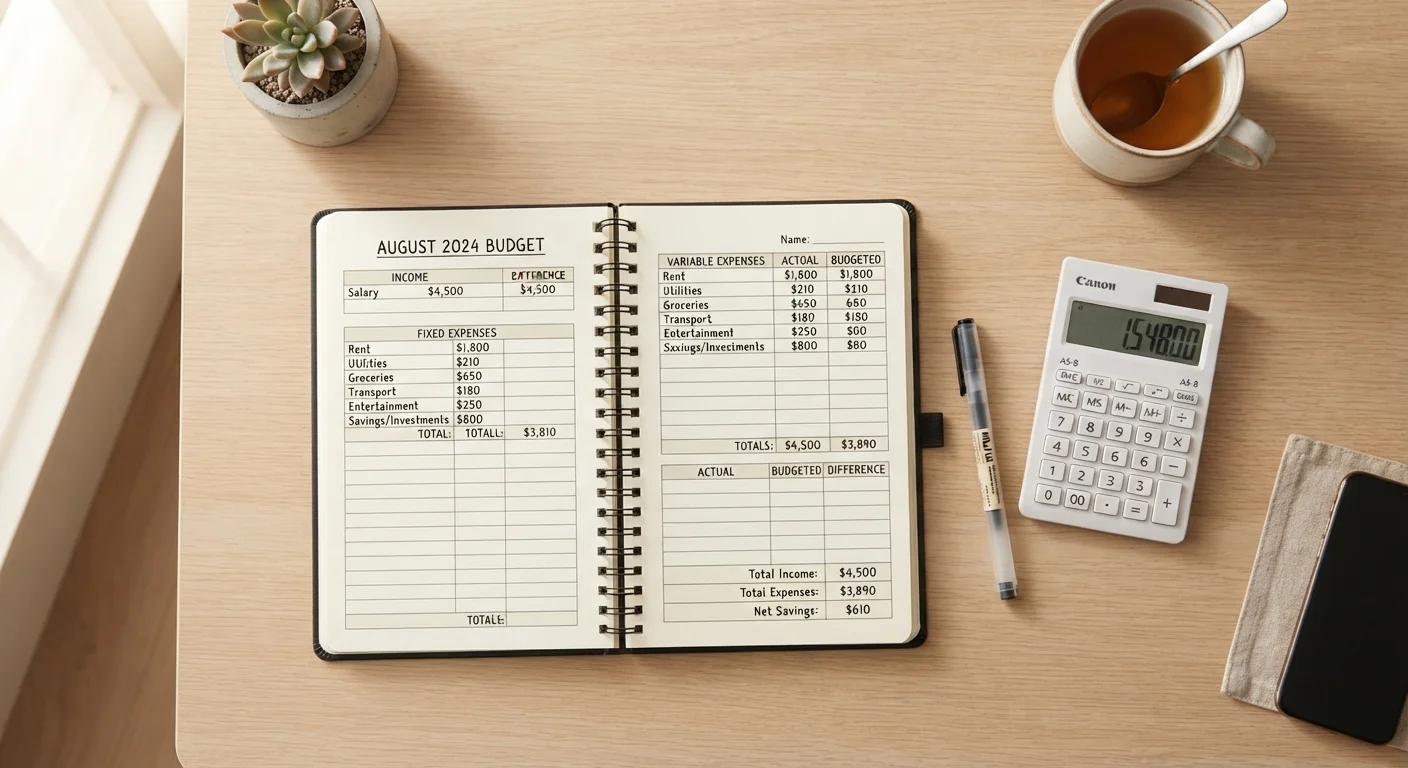
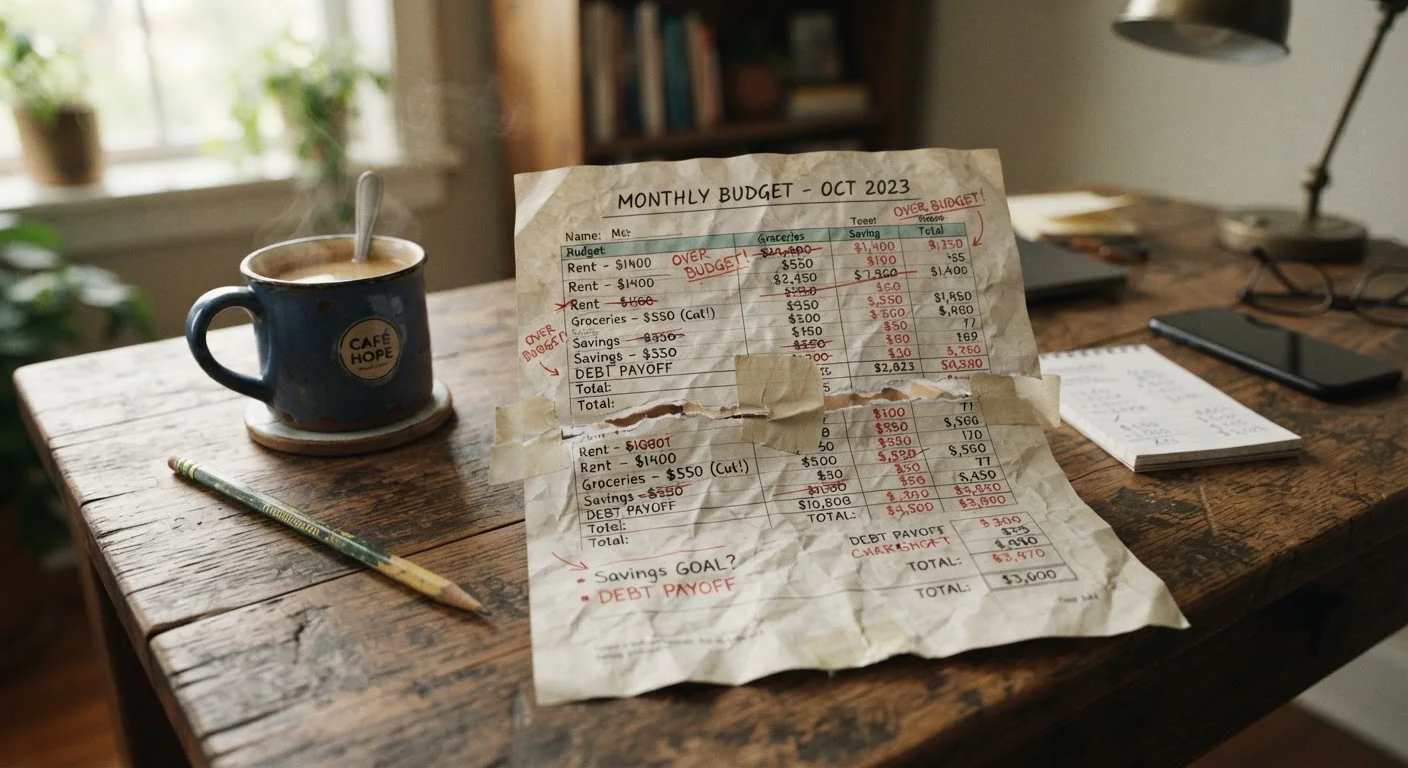
Why Month Two Is the Real Test
Month one of a new budget usually goes reasonably well. The motivation is fresh, you're watching every transaction, and the numbers feel meaningful. Month two is where reality sets in - an unexpected car repair, a birthday you forgot to plan for, or simply the fatigue of tracking every dollar.
The good news: budget abandonment in month two is almost never a character flaw. It's nearly always a design problem. The budget itself was built in a way that couldn't survive contact with real life. Understanding the specific mistakes that cause collapse is the fastest way to build a plan that actually lasts.
If you're also wondering whether the whole idea of budgeting is flawed, the article on common budgeting myths addresses many of those doubts directly.
The Mistakes That Kill Budgets Early
Each of the following errors is extremely common, which means fixing even one or two of them can significantly improve how long your spending plan holds together.
Building a budget that ignores irregular expenses.
Why it happens: People plan around monthly bills they already know, forgetting that car maintenance, medical copays, and annual subscriptions arrive unpredictably throughout the year.
Setting spending limits that are unrealistically low from the start.
Why it happens: First-time budgeters often cut categories to ambitious targets driven by motivation rather than actual spending history, making the plan feel punishing within weeks.
Treating every budget category as fixed and non-negotiable.
Why it happens: A rigid structure feels disciplined in theory, but life - a birthday dinner, a car that needs tires - doesn't follow a fixed script.
Never reviewing the budget after the first setup.
Why it happens: Setting up a budget feels like the hard part, so many people assume the plan runs itself once it's written down.
Giving up entirely after one overspend.
Why it happens: Many people treat a single bad week as proof the budget doesn't work for them, rather than seeing it as normal variance to learn from.
If you're interested in a budgeting method that builds these safeguards in from the start, the zero-based budgeting approach assigns every dollar a role before the month begins, which naturally forces you to account for irregular expenses.
What a Sustainable Budget Actually Looks Like
A budget that survives past month two tends to share a few traits: it's based on real spending history rather than aspirational guesses, it has room for unexpected costs, and it gets reviewed regularly rather than set once and forgotten.
This Is Education, Not Personal Financial Advice
The information in this article is for general educational purposes only. It is not tailored to your individual financial situation. For guidance specific to your circumstances, consider speaking with a licensed financial adviser or certified financial planner.
Sustainability also means matching your budget structure to where you are in life. A system that works at 28 with a single income may need significant rethinking at 42 with dependents and a mortgage. The article on budgeting across different life stages breaks down how approaches should shift over time.
For those juggling debt repayment alongside everyday spending, building a budget around debt and savings goals offers a practical starting framework. And if you want to understand how an emergency fund fits into your monthly plan, how emergency funds and budgets work together explains why both tools depend on each other.
This article is for general informational and educational purposes only and does not constitute personalized financial advice. Consult a qualified financial professional for guidance tailored to your situation.