
Why This Distinction Is the Starting Point of Every Budget
Before you can manage money intentionally, you need to know what kind of expense you're dealing with. The fixed vs. variable framework isn't accounting jargon - it's a practical sorting tool that answers one key question: do I have control over this cost right now, or not?
Fixed expenses - rent or mortgage payments, insurance premiums, loan minimums, subscription plans - don't respond to your daily decisions. They're committed costs. Whether you had a great month financially or a rough one, those bills arrive the same. Variable expenses, on the other hand, move with your behavior: what you eat, how much you drive, whether you went out last Saturday night.
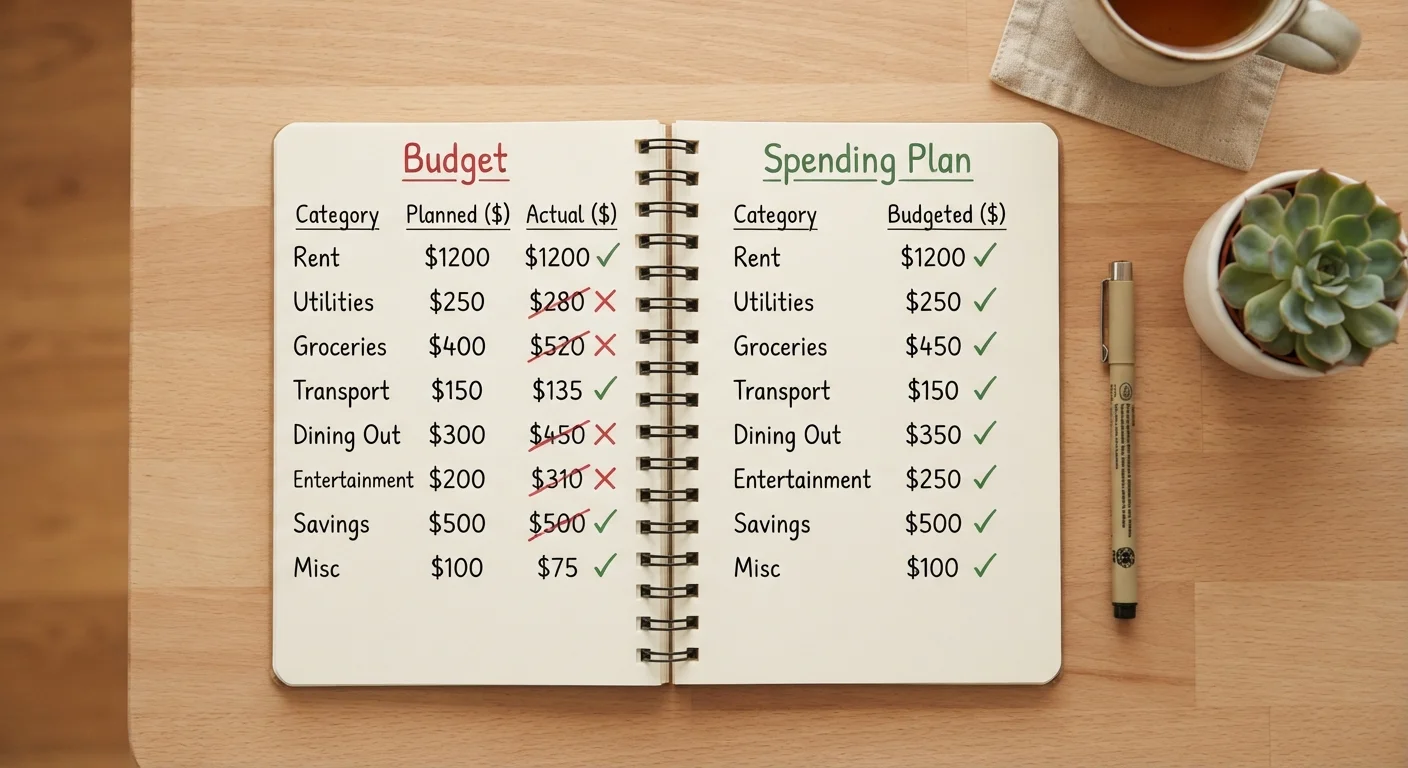
This matters because budgeting isn't about applying willpower uniformly across all spending. It's about knowing where leverage actually exists. You can't trim your mortgage by skipping a coffee, but you can redirect $40 from dining out toward a savings goal. That clarity is what makes a budget functional rather than frustrating. For a broader look at how budgets work in practice, see the difference between a budget and a spending plan.
~33%
Average share of income spent on housing
According to the U.S. Bureau of Labor Statistics Consumer Expenditure Survey, housing consistently represents the largest single fixed expense category for American households.
1 in 3
Americans with no monthly budget
Surveys by the National Foundation for Credit Counseling have found that a significant share of U.S. adults do not track or plan their monthly spending in any structured way.
$1,000+
Typical annual irregular expense total
Costs like car registration, medical co-pays, annual subscriptions, and seasonal expenses can easily add up to over $1,000 per year when not planned for in advance.
What Counts as a Fixed Expense
A fixed expense meets two criteria: it recurs on a regular schedule, and the amount due doesn't change based on how you behave during the period. Common examples include:
- Rent or mortgage payment - typically the largest fixed cost in a household budget
- Auto loan or personal loan payments - set by your repayment schedule
- Insurance premiums - health, auto, renters, or life insurance billed monthly or annually
- Fixed-rate subscriptions - streaming services, gym memberships, software plans at a set price
- Minimum debt payments - the required payment floor on credit cards or student loans
The defining feature: you agreed to this amount in advance, and breaking out of it usually requires a formal change - canceling a contract, refinancing a loan, or moving. That's why reducing fixed costs tends to be a bigger decision with longer lead time. When you're ready to tackle debt alongside these fixed obligations, the saving and debt guidance hub is a useful next step.
Audit Your Fixed Costs Once a Year
Fixed expenses feel permanent, but many aren't. Set a calendar reminder once a year to review every recurring charge - insurance premiums, subscriptions, loan rates - and ask whether the cost still makes sense. Refinancing, plan-switching, or simply canceling a forgotten service can free up meaningful cash without changing your daily habits.
What Counts as a Variable Expense
Variable expenses shift based on your choices and circumstances. They're often where people underestimate monthly spending because the amounts aren't predictable without tracking. Typical variable expenses include:
- Groceries - amount varies with what you buy and how often
- Gas and transportation costs - dependent on how much you drive or commute
- Dining out and entertainment - directly tied to behavioral choices
- Clothing and personal care - fluctuates by need and preference
- Utilities - electricity, water, and gas bills often vary by season and usage
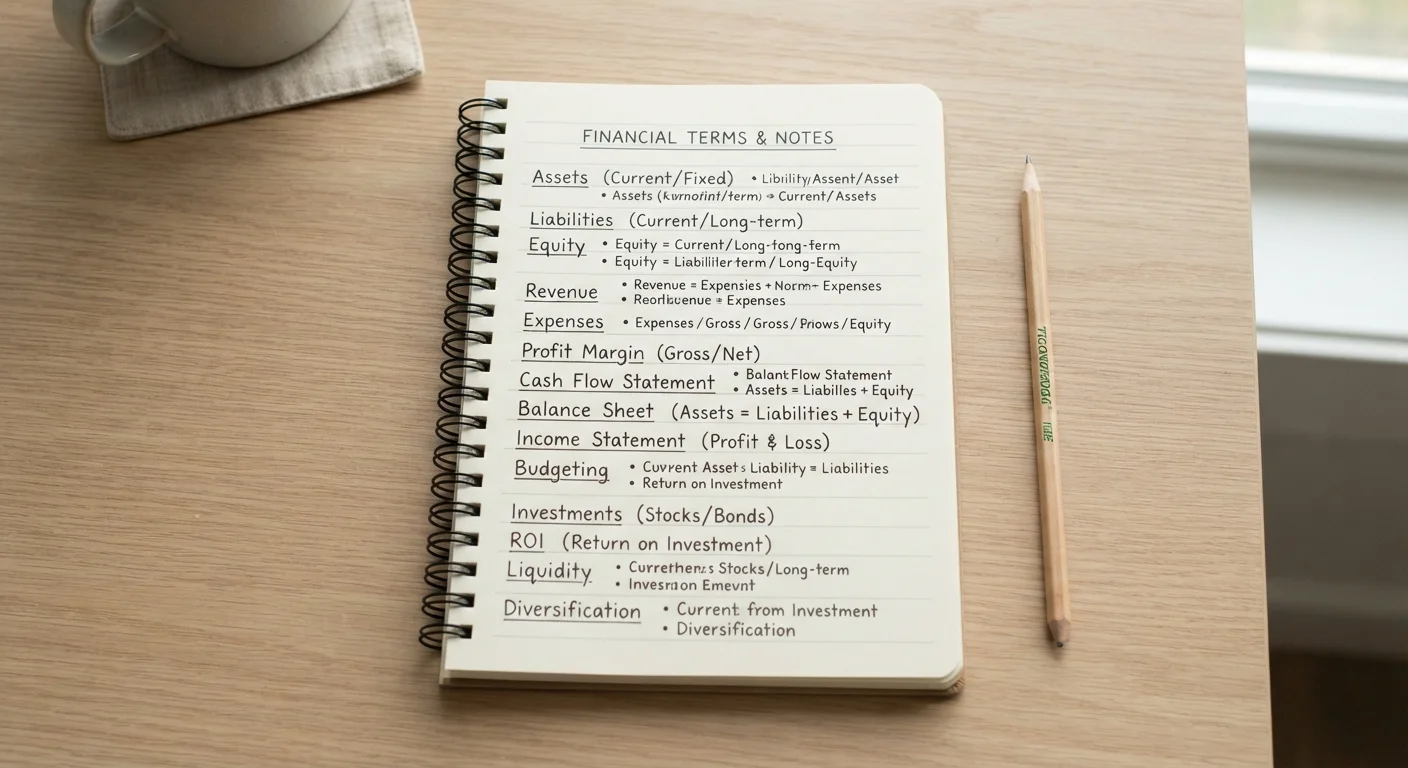
There's also a category worth naming separately: irregular variable expenses. These are costs that don't arrive every month but are entirely predictable if you think ahead - car registration, annual insurance renewals, holiday gifts, or back-to-school supplies. Many budgets fall apart not because of daily overspending, but because these periodic costs weren't planned for. Dividing expected annual costs by 12 and setting that aside monthly is one of the most practical habits in personal finance. You'll find more plain-language definitions of these concepts in key budgeting terms defined simply.
How to Use This Framework in Your Own Budget
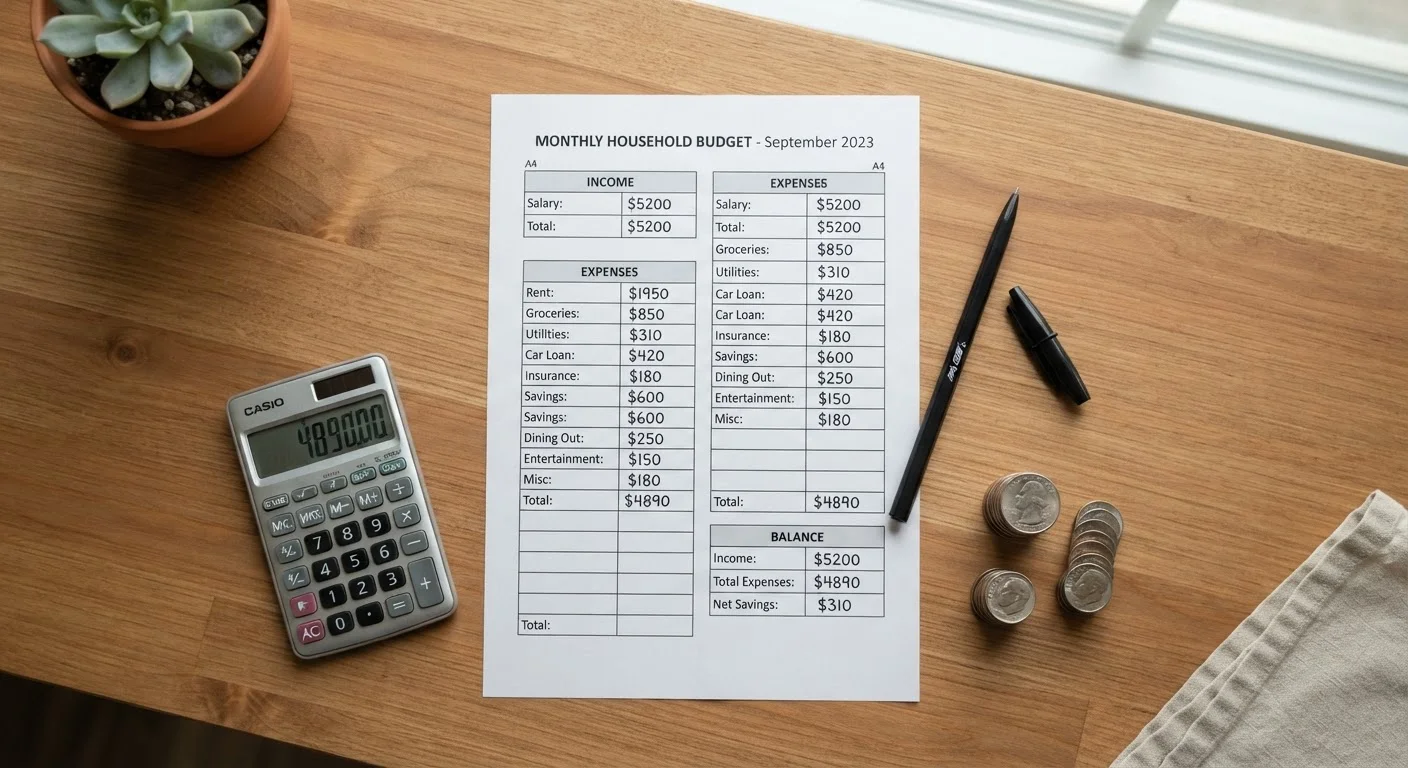
Start by listing every recurring expense and labeling it fixed or variable. This single exercise often reveals things people didn't realize they were committed to - automatic renewals, subscriptions forgotten months ago, or insurance amounts that haven't been revisited in years.
Once sorted, your fixed expenses tell you your financial floor: the minimum you need to bring in or have available each month before you cover anything else. What remains after fixed costs is where your budgeting decisions actually happen.
For variable expenses, use 3-6 months of actual spending history (bank and card statements work well) to find realistic averages rather than guessing. Budget based on what you actually spend, not what you think you should spend. From there, you can make informed choices about where to pull back. If budgeting has felt impossibly complex before, the issue may not be your habits - it may be the myths around what budgeting requires. The article on common budgeting myths that keep people from starting addresses several of those head-on.
Life circumstances also change the balance between fixed and variable costs significantly - a renter has different fixed obligations than a homeowner; a single-income household operates differently than a dual-income one. Budgeting approaches across different life stages explores how these priorities shift over time.
This article is for general informational and educational purposes only and does not constitute personalized financial advice. For guidance specific to your financial situation, consider consulting a qualified financial professional.